Top sights

What to see in Essaouira: medina, skalas, harbour and top sights

Skala de la Kasbah

An 18th-century fortified town on UNESCO's World Heritage List, Essaouira is best explored on foot, from the ramparts facing the ocean to the lanes of the Mellah. Cannon-lined skalas, a fishing harbour full of blue boats, the Mogador islands, Jewish heritage and art galleries: here is what to see in Essaouira, in a day or over a long weekend. The Sidi Mohammed Ben Abdallah museum, closed for works with no reopening date announced, is not included in this selection.

Médina d'Essaouira
Médina d'Essaouira
Médina d'Essaouira
Médina d'Essaouira

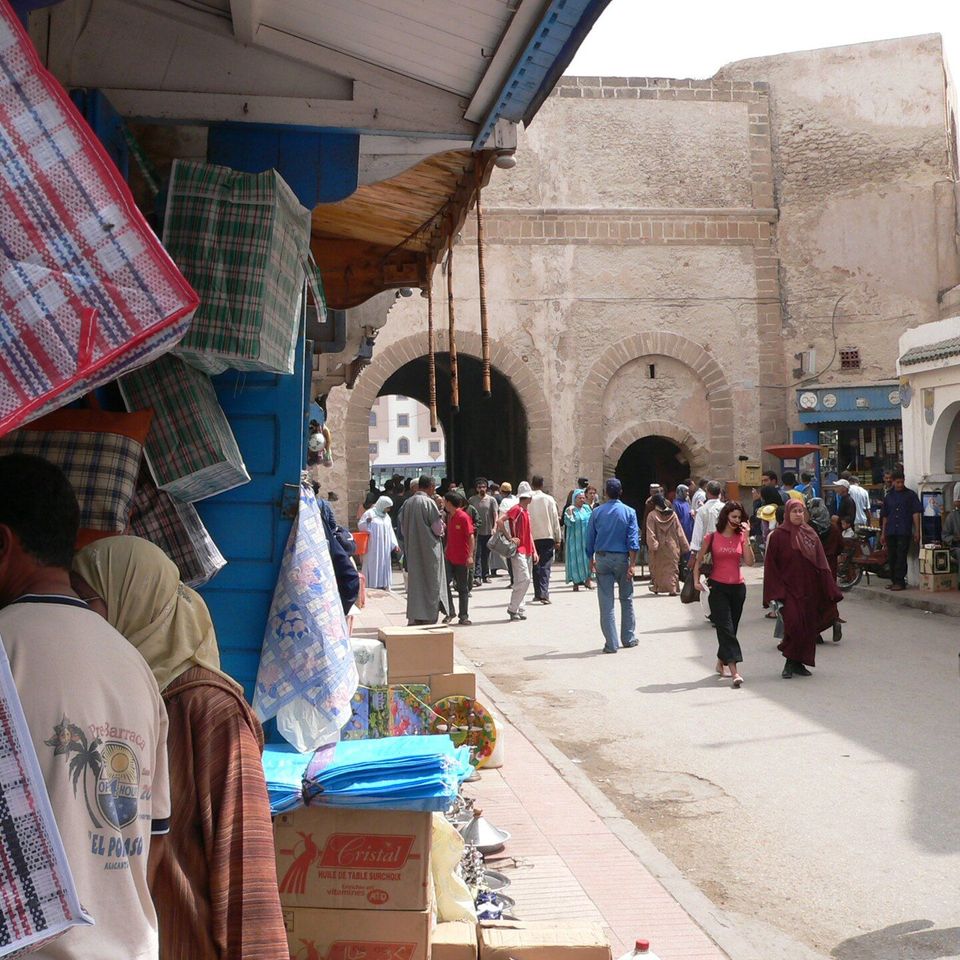
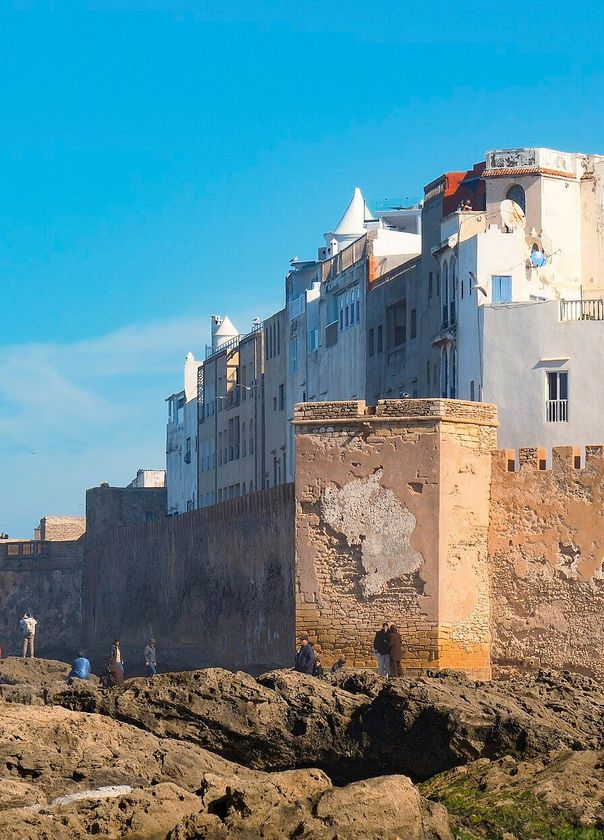
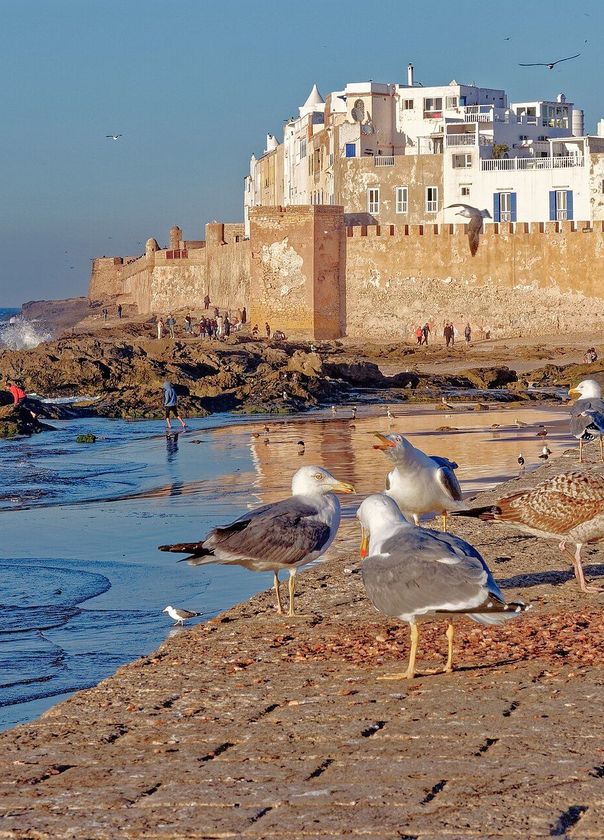
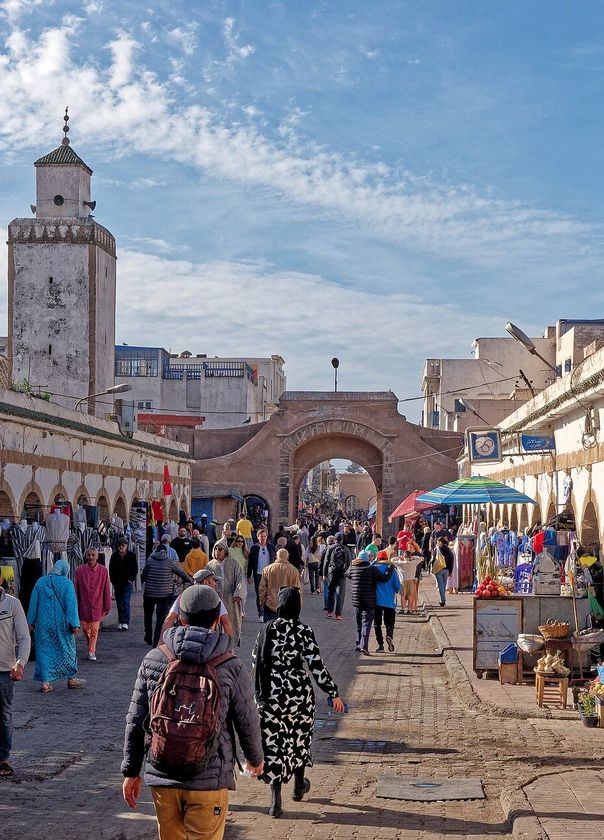
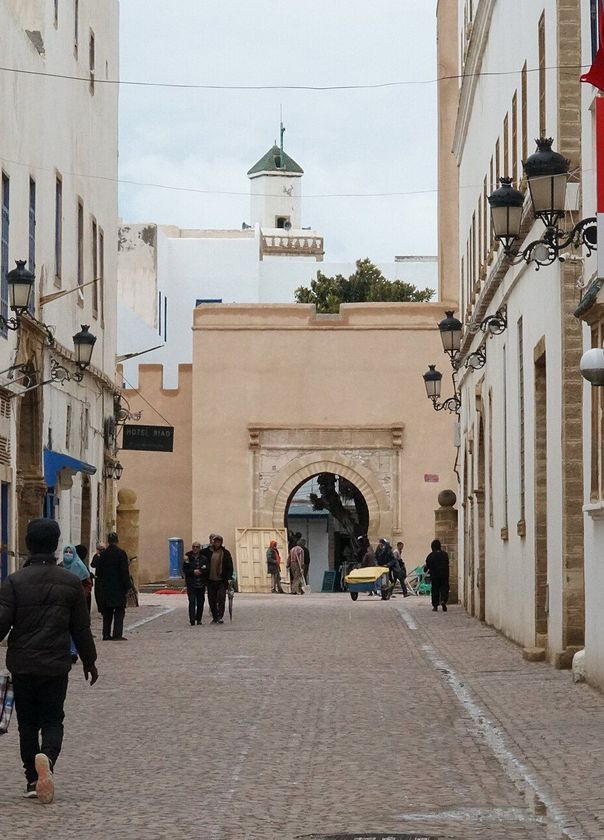
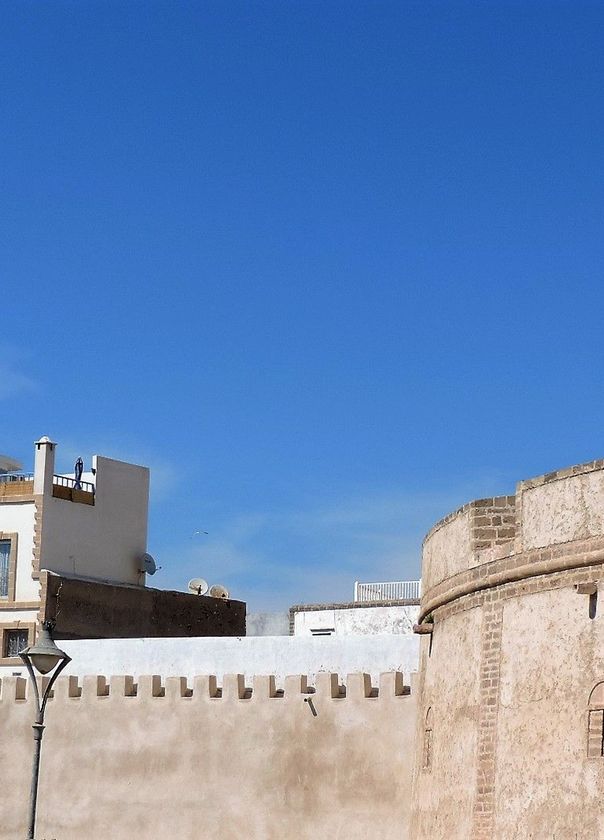
A UNESCO World Heritage Site since 2001, the medina is a fortified town built from 1764 for Sultan Sidi Mohammed ben Abdallah, to plans by the French engineer Théodore Cornut. Its grid layout around two perpendicular main streets, its monumental gates (Bab Doukkala, Bab Marrakech, Bab Sbâa) and its ramparts facing the ocean make it unique in Morocco. Almost entirely pedestrian, it is made for walking: allow half a day for the essentials.

Skala de la Kasbah
Skala de la Kasbah
Skala de la Kasbah
Skala de la Kasbah

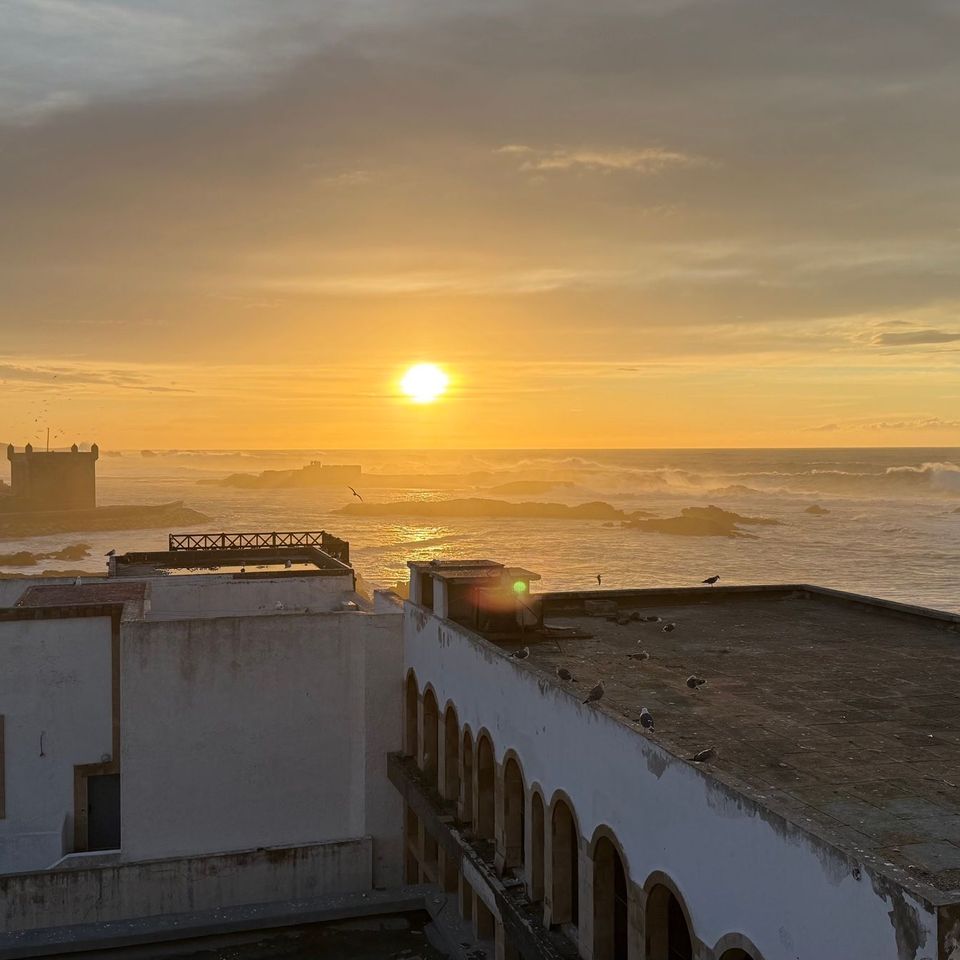
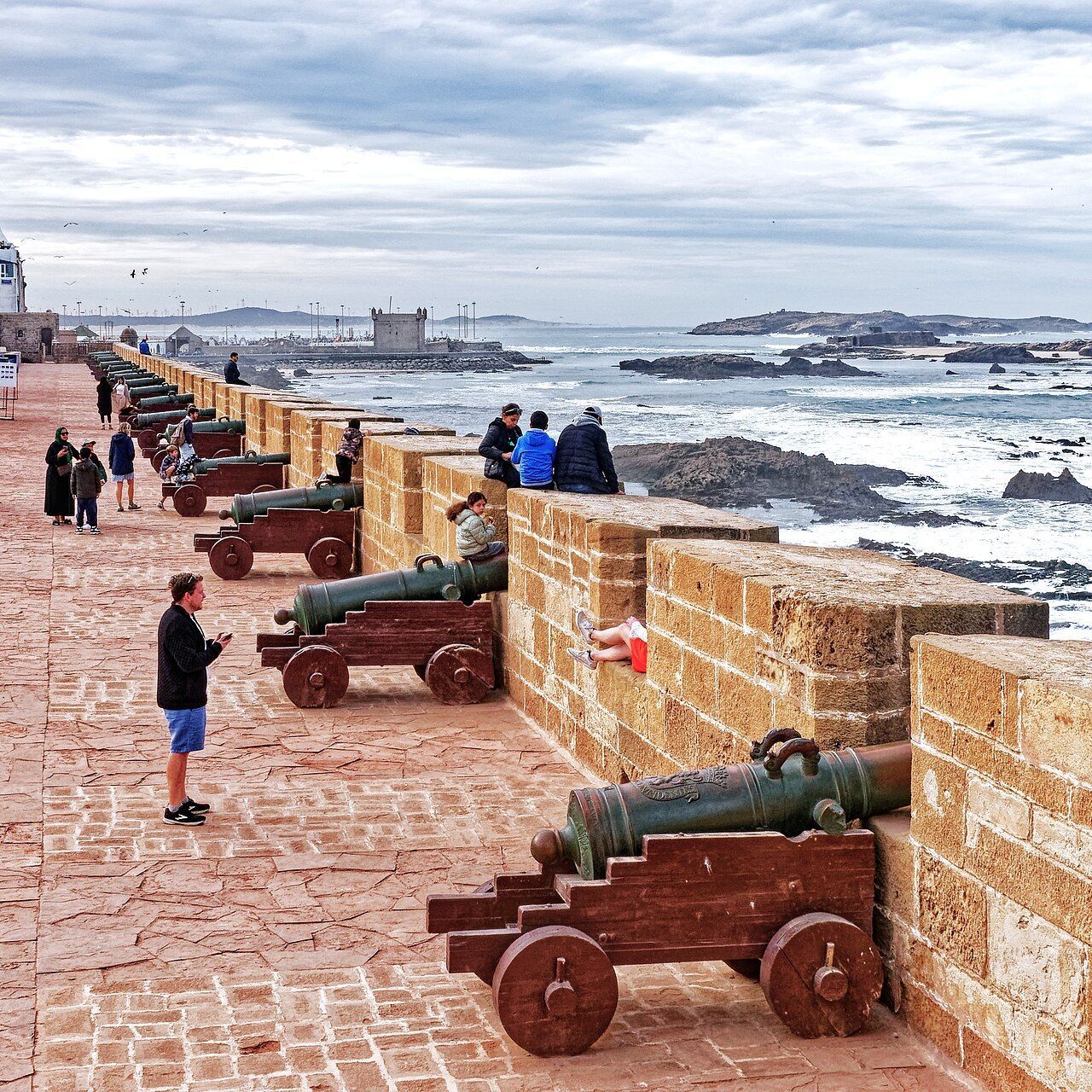
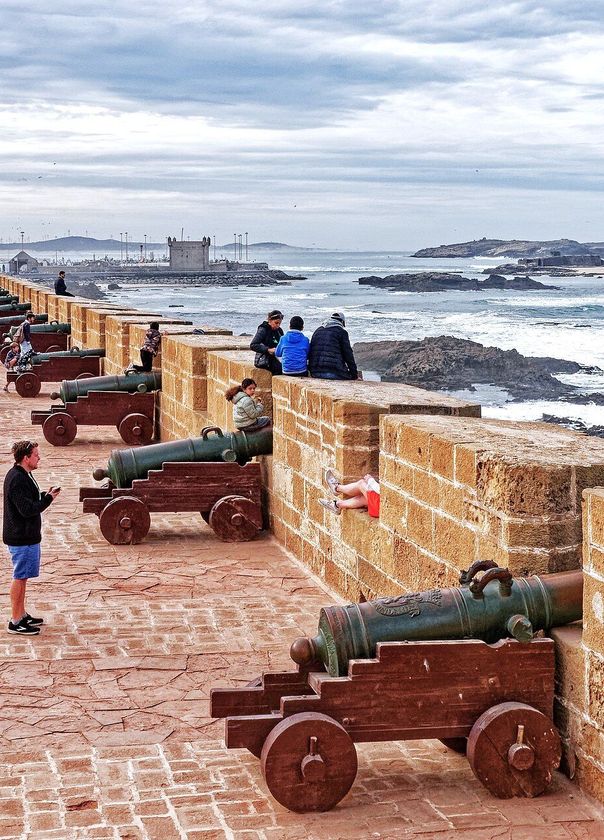
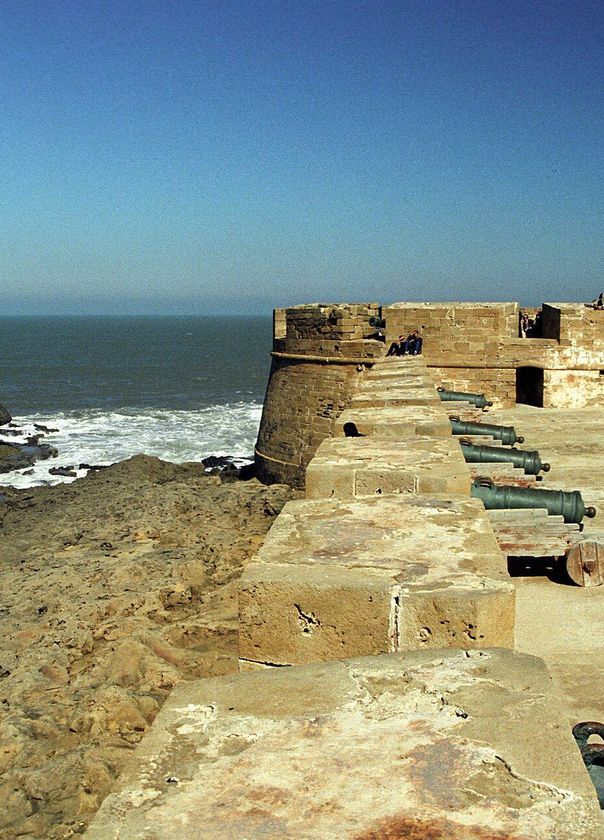
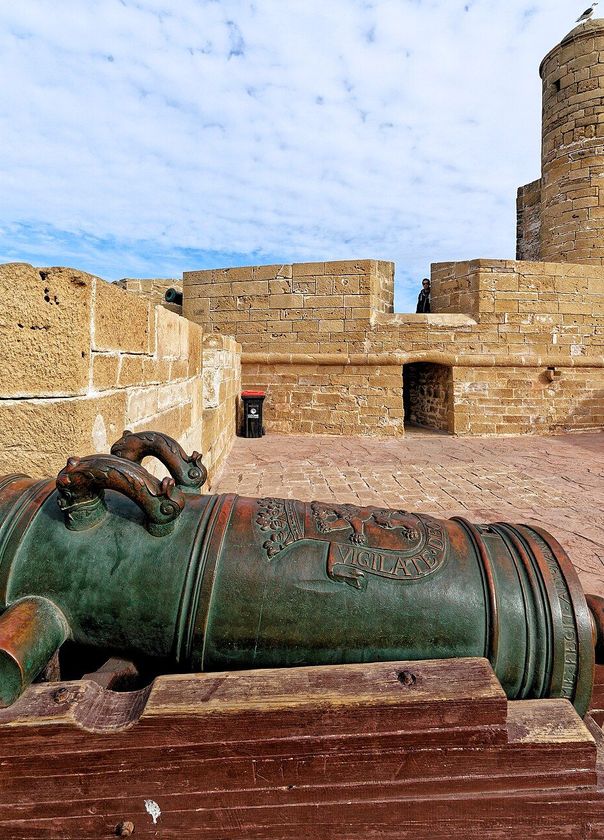
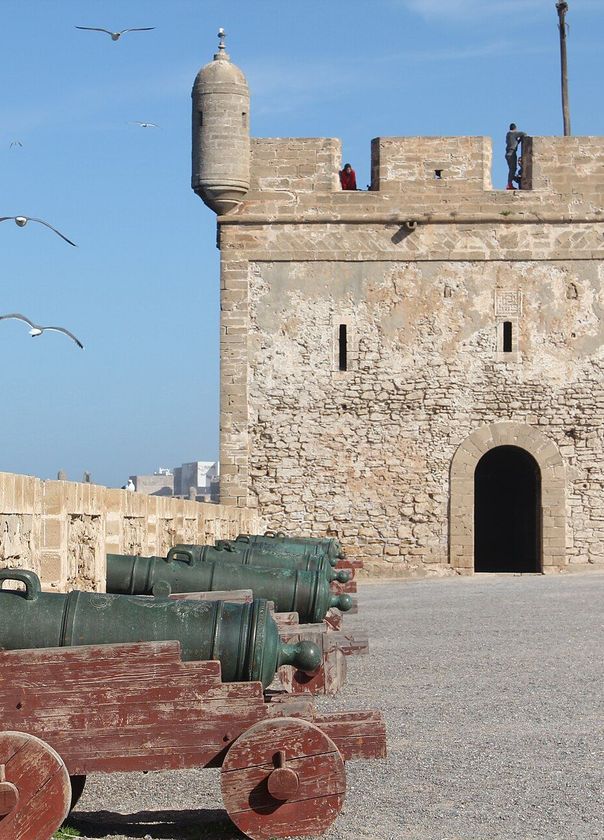
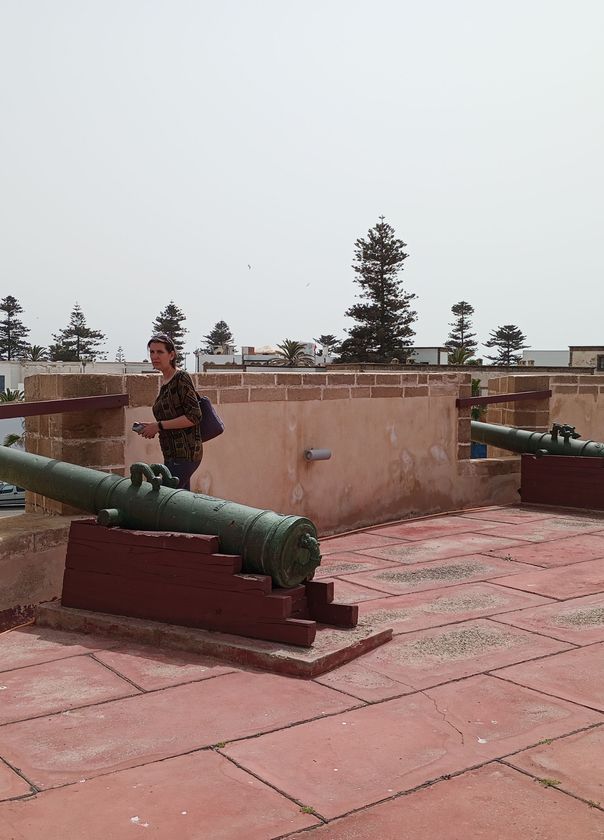
At the north-western tip of the medina, the Skala de la Kasbah is Essaouira's most photographed bastion. Built in 1765, this long two-level platform lines up its Spanish bronze cannons facing the rocks and the open sea, above vaulted rooms once used to store arms and ammunition. Come for the sunset from the parapet, then walk back down Rue de la Skala past its thuya woodwork workshops. Open daily from 9am to 6:45pm.

Skala du Port
Skala du Port
Skala du Port
Skala du Port

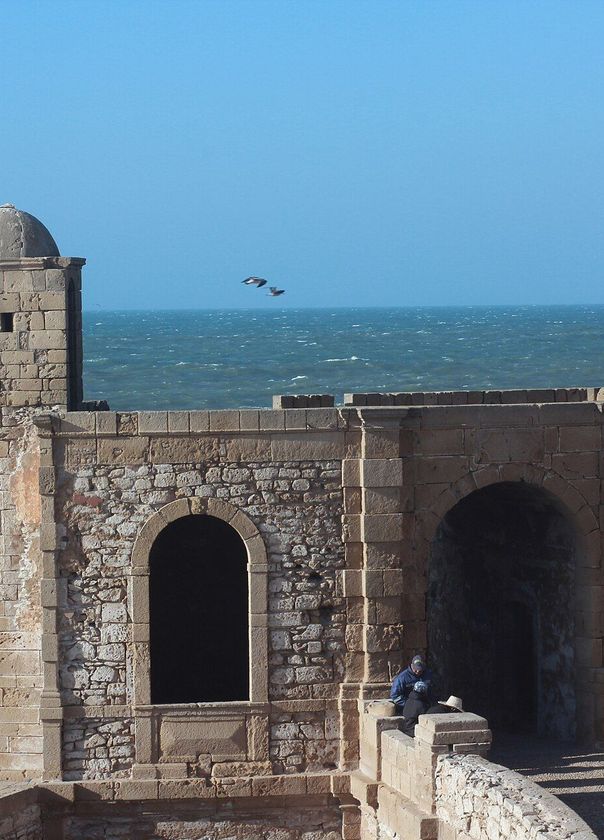
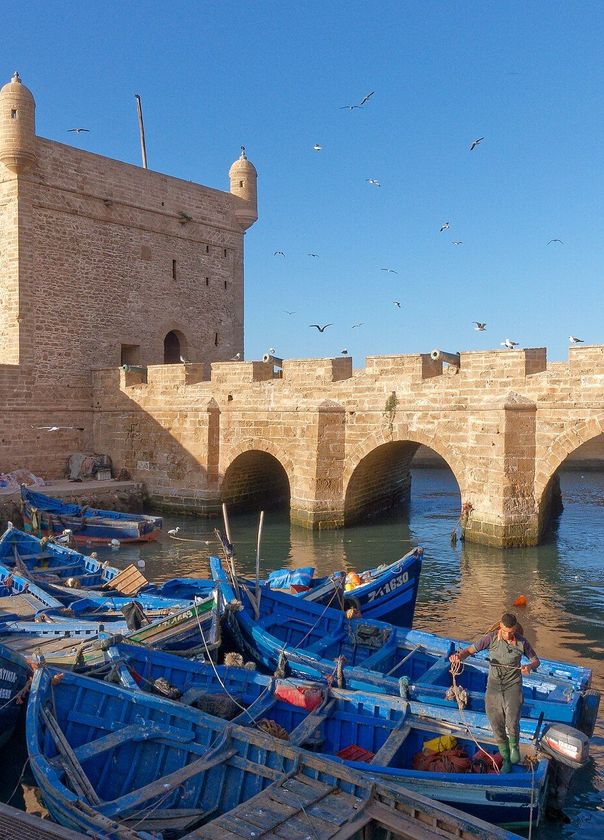
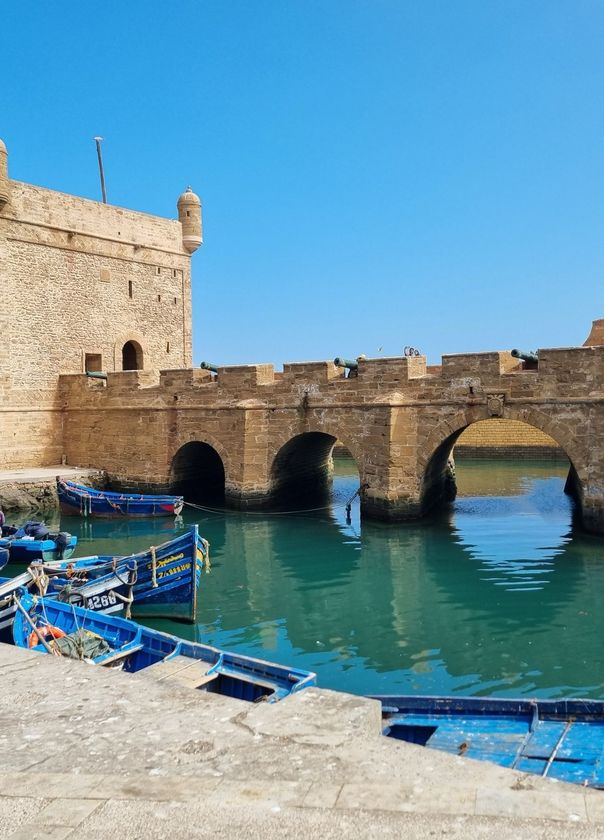
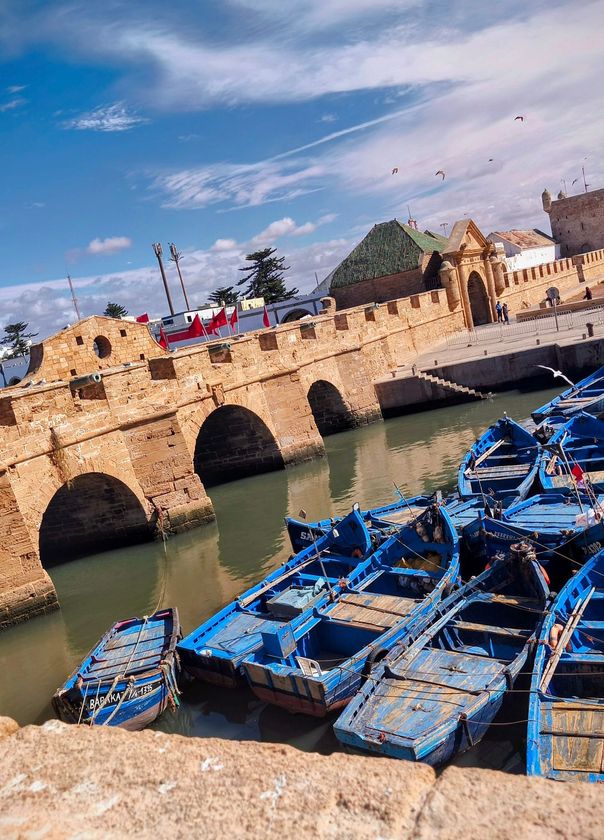
Between the medina and the fishing harbour, the town's second artillery platform was built in 1764 to lock down access to the port. Its two wings, set at right angles, frame the Sea Gate, attributed to Ahmed el-Inglizi, and sit above former soldiers' quarters and cisterns. A staircase leads up to the crenellated square towers, with views over the blue boats, the ramparts and the Mogador islands. A national monument since 1924; open 9am to 5pm, closed on Mondays.

Port de pêche d'Essaouira

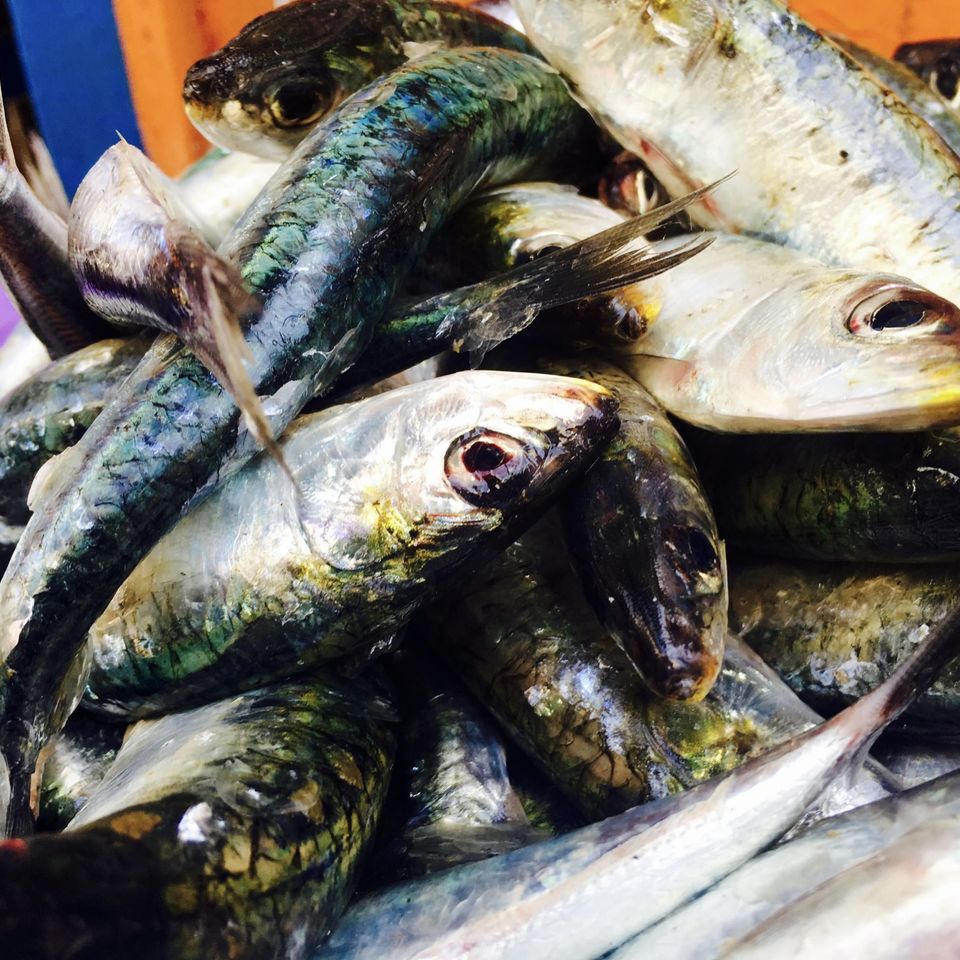
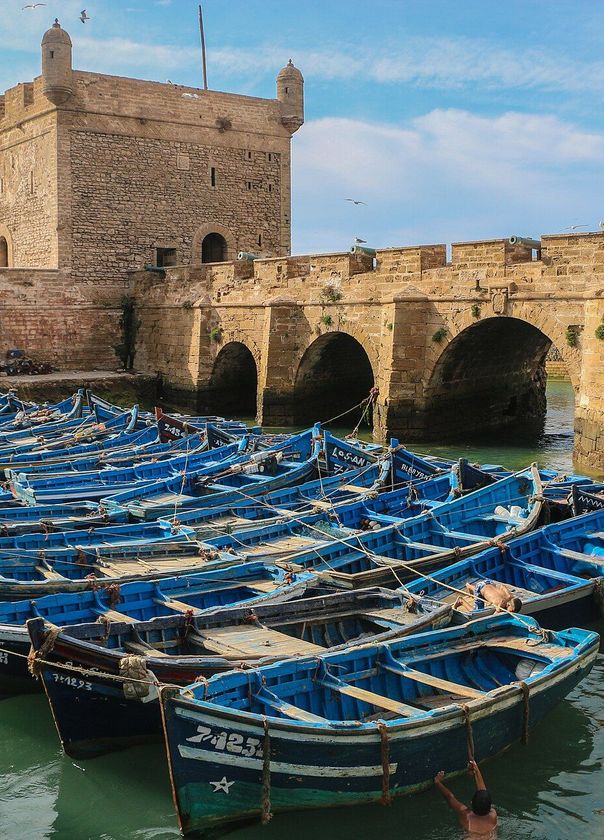
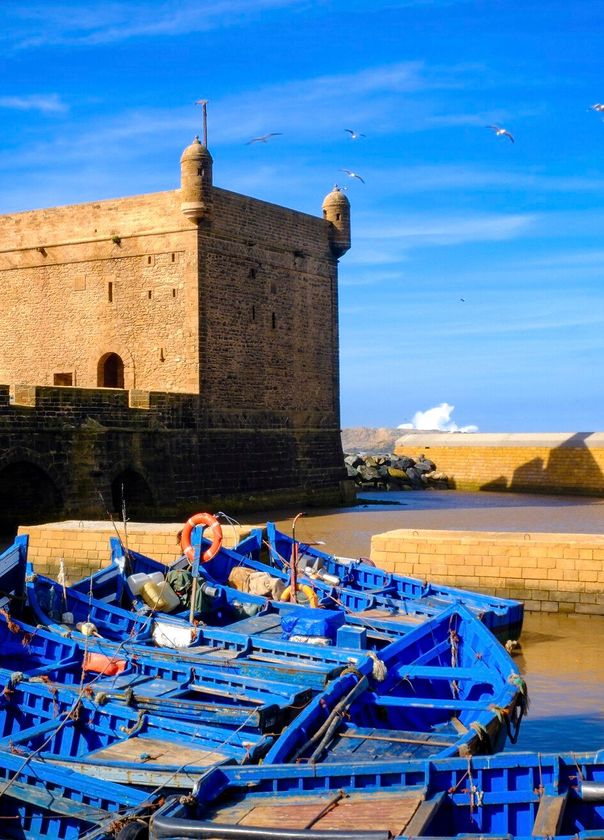
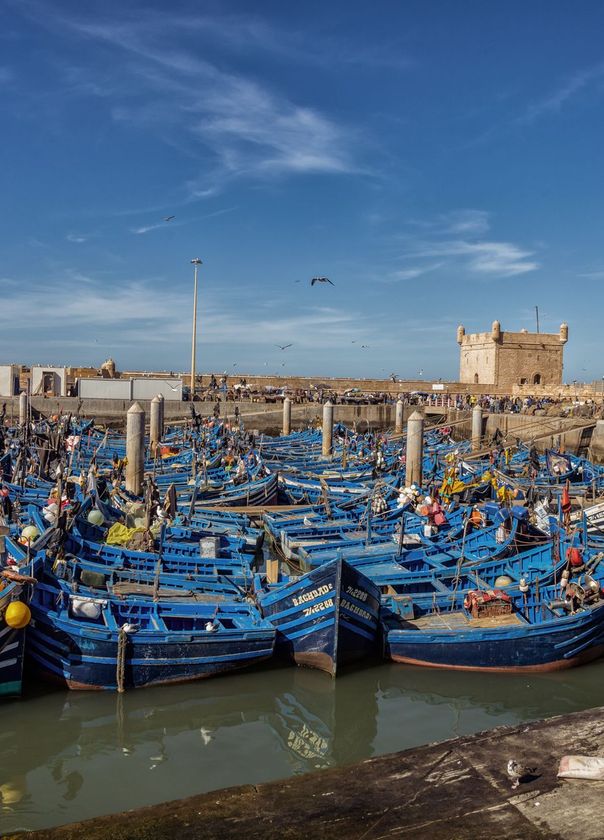
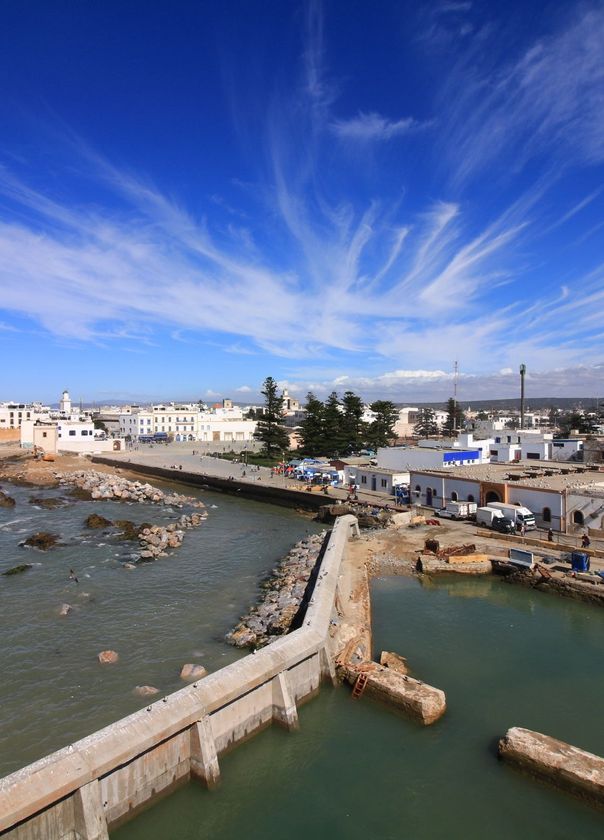
Laid out around 1770, the harbour is still the liveliest sight in town. Blue boats moored side by side, trawlers back from sea, fishermen mending nets on the quay, the fish auction in a vast hall and a boatyard where wooden boats are still built: it all happens at the foot of the skala. The harbour ramparts were a backdrop in the third season of Game of Thrones. Free access; come in the morning as the boats return, and wear closed shoes.

Bayt Dakira, Maison de la Mémoire (synagogue Simon Attia)

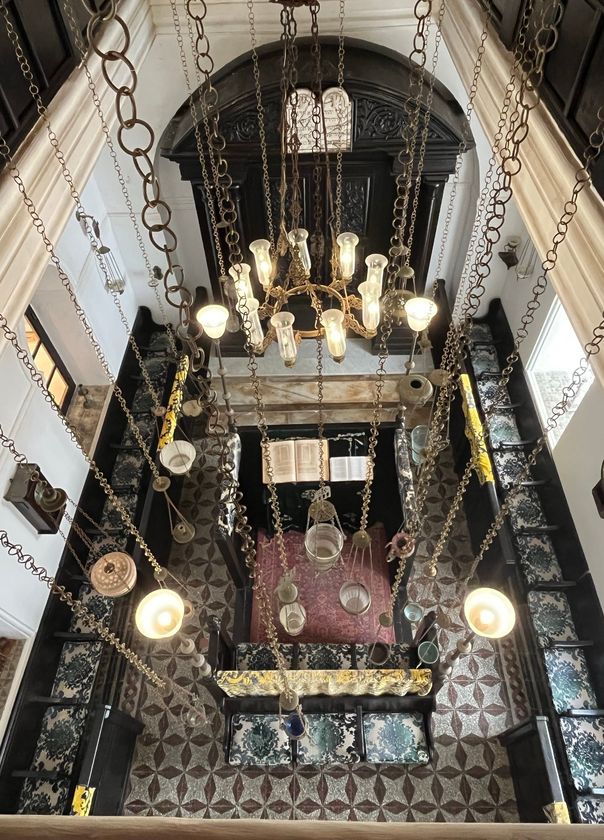
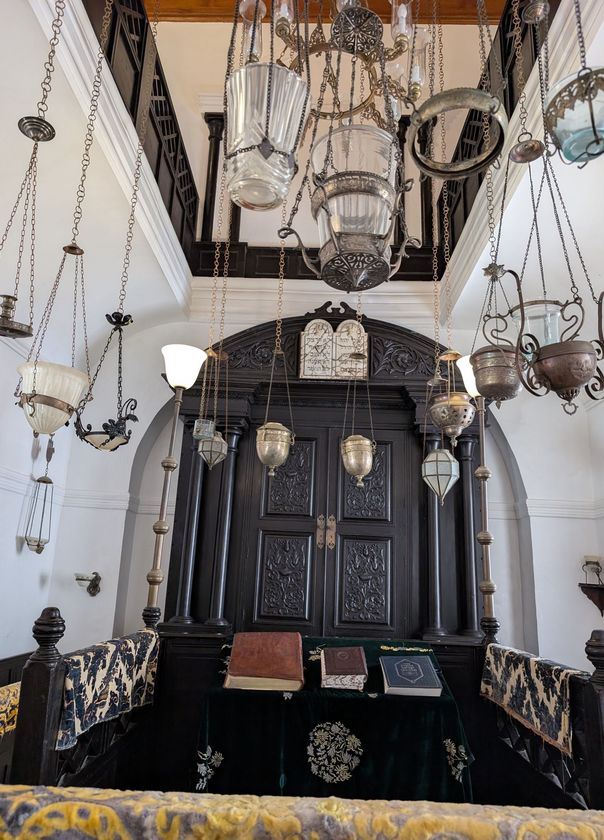
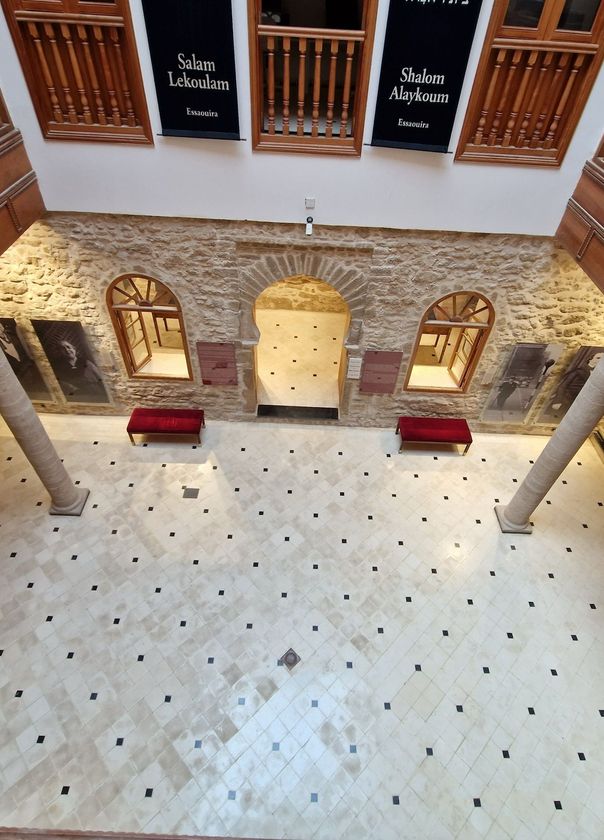
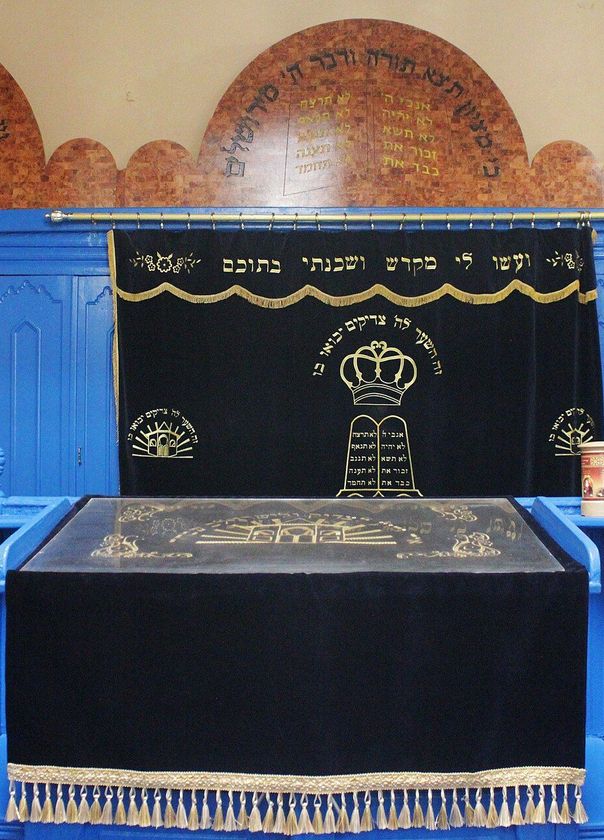
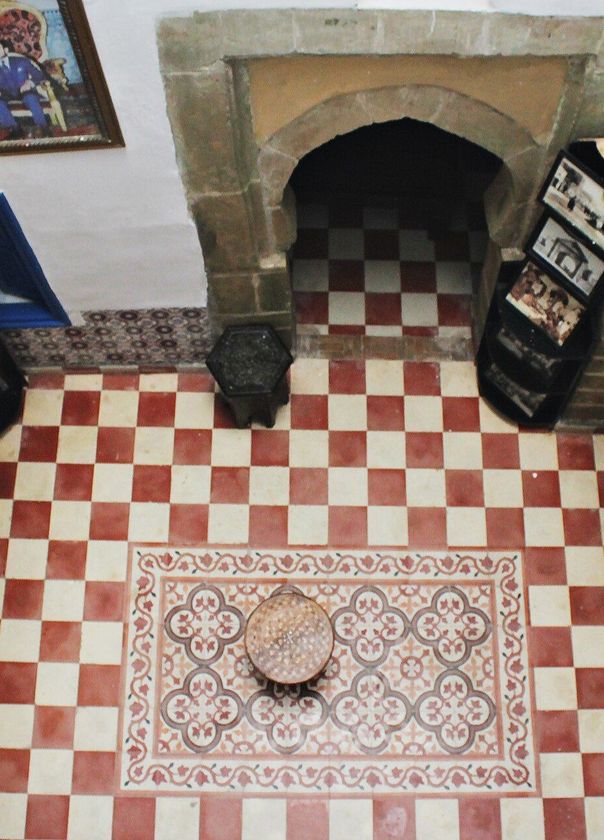
In the old Kasbah, Bayt Dakira, the House of Memory, brings together the Simon Attias synagogue, built in 1882 and restored after it closed in 2009, a museum space and a research centre on relations between Judaism and Islam. Photographs, objects, embroidered costumes and documents trace the history of the Jewish families of Essaouira and Morocco. King Mohammed VI visited in January 2020. Open daily from 9am to 7:30pm.

Mellah d'Essaouira et synagogue Haïm Pinto

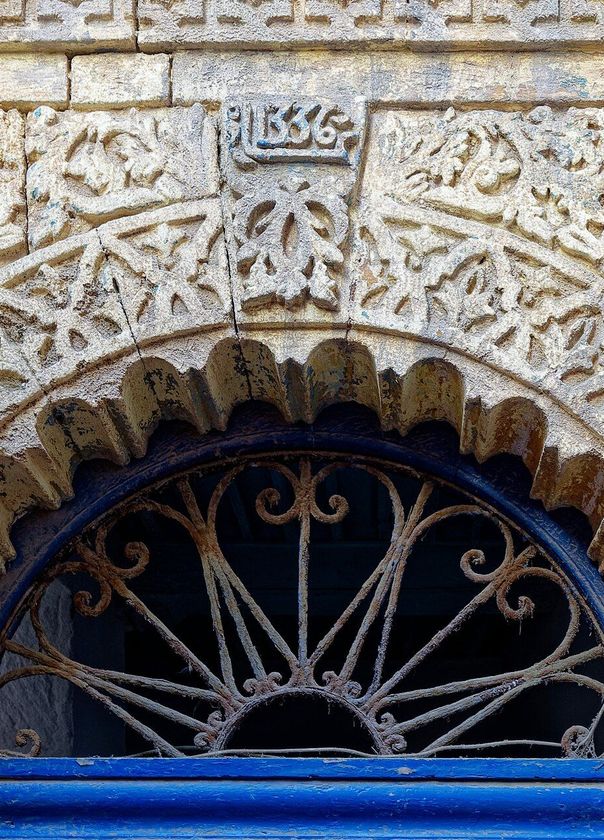
In the north-eastern corner of the medina, the Mellah became Essaouira's Jewish quarter from 1807, when the community made up almost half the town's population. Carved lintels and ornate doors recall the grand houses of the past. On the second floor of a building, the synagogue of Rabbi Haïm Pinto keeps its blue-painted holy ark, and the [Slat Lkahal synagogue](/essaouira/en/places/synagogue-slat-lkahal-kmdaqfdspffm5grhita3v6im/) was restored in 2017. This is a residential area, so be discreet.

Îles de Mogador (îles Purpuraires)

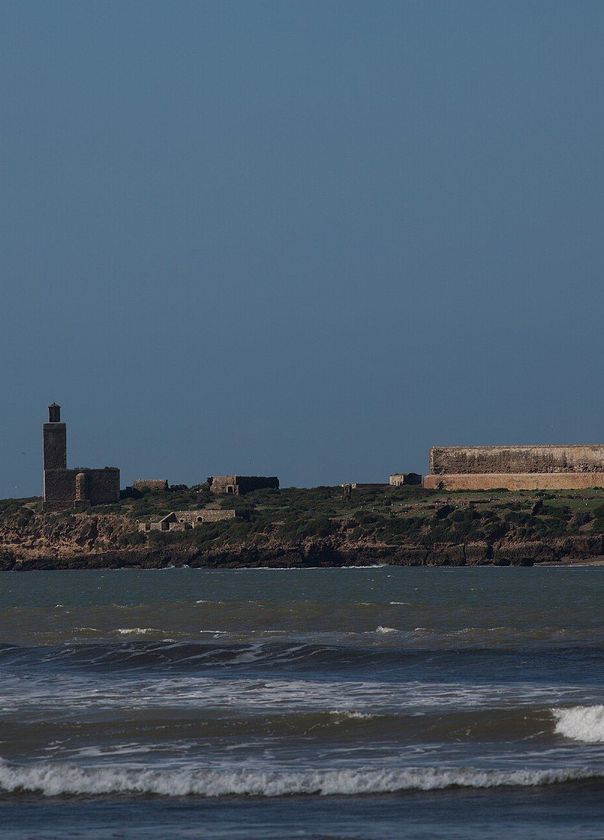
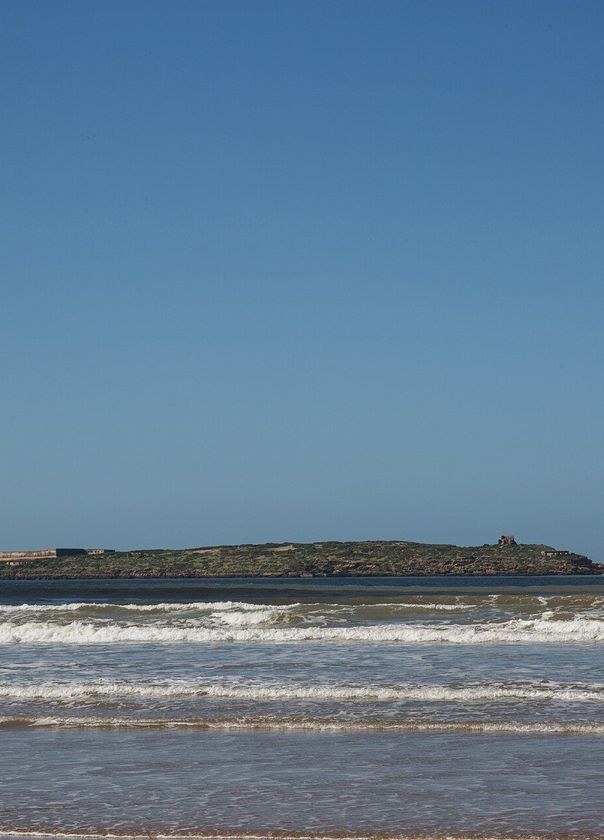
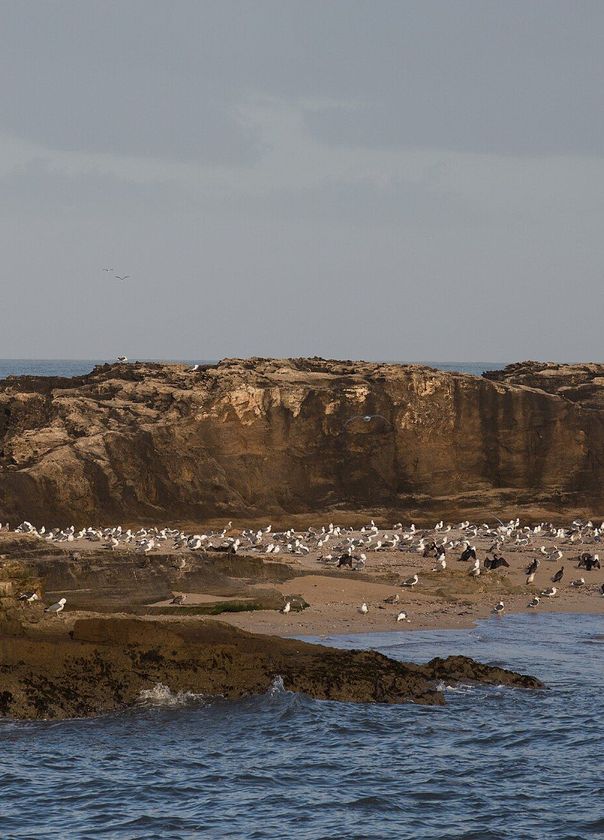
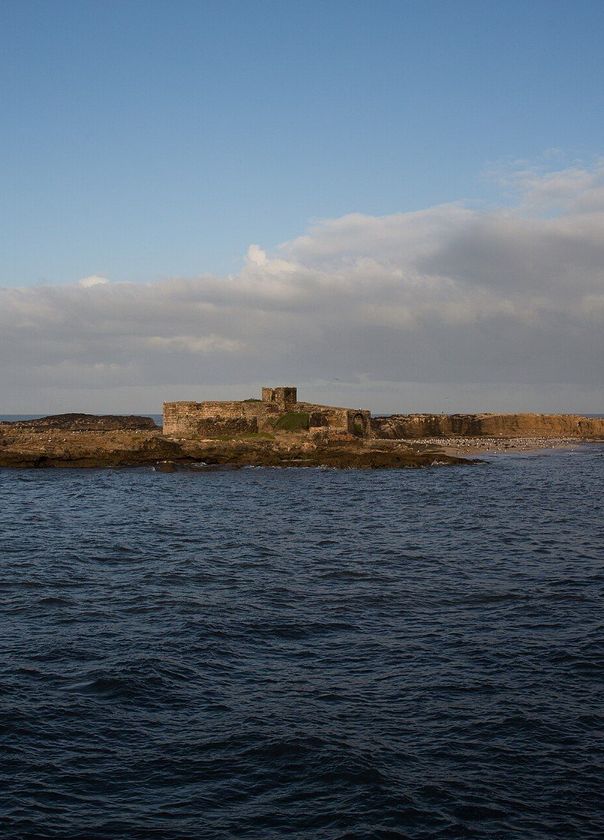
Facing the harbour, the Purple Isles close off the bay. A Phoenician trading post, then King Juba II's purple dye works, whose murex dye was prized in Rome, and later a quarantine station and prison, the archipelago is now a nature reserve, on the Ramsar list since 2005, where Eleonora's falcons nest from April to October. Landing is forbidden without a permit: admire the islands from the Skala de la Kasbah or the beach, or circle them by boat from the harbour.

Borj Bab Marrakech
Borj Bab Marrakech
Borj Bab Marrakech
Borj Bab Marrakech

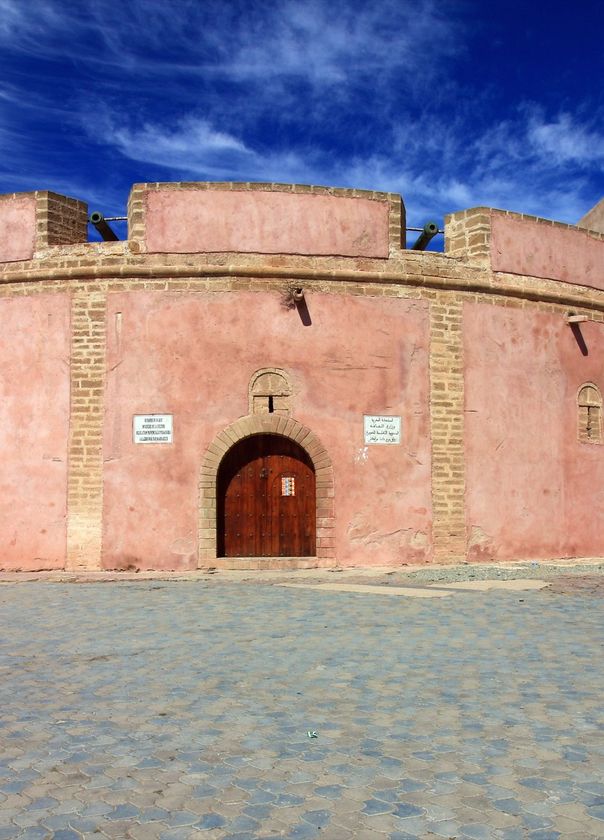
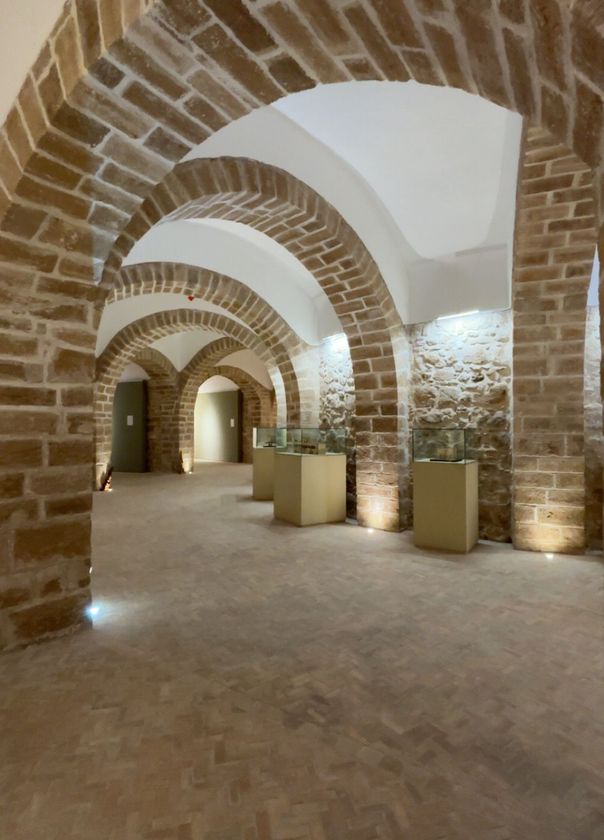
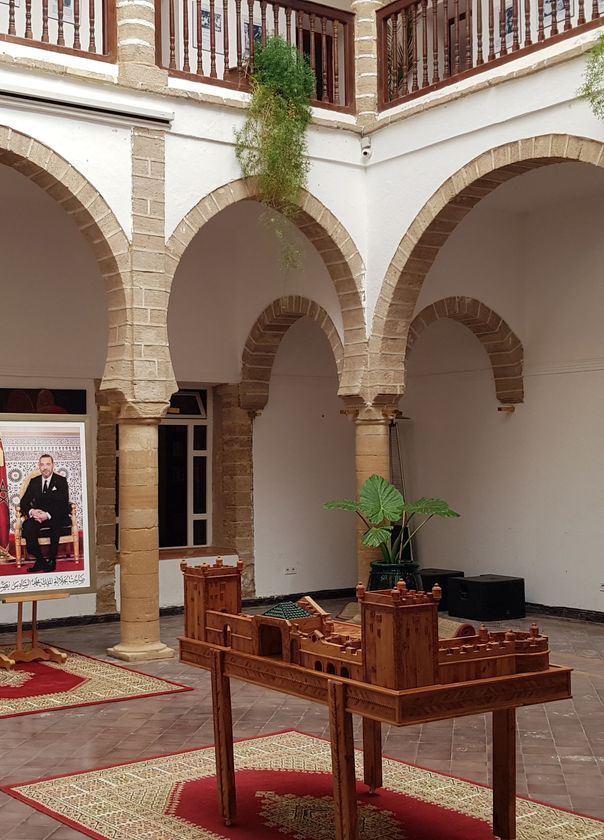
On a corner of the ramparts, just inside Bab Marrakech, this round 19th-century bastion served as a powder magazine and then as stables under the protectorate before becoming an art gallery. Its stone vaults host painting and photography shows, often devoted to Essaouira's artists. The cannon-lined terrace looks over the medina rooftops and the ocean, and sometimes becomes a stage, notably during the Gnaoua Festival. Opening hours are not published; allow 30 minutes.

Galerie La Kasbah
Galerie La Kasbah
Galerie La Kasbah
Galerie La Kasbah

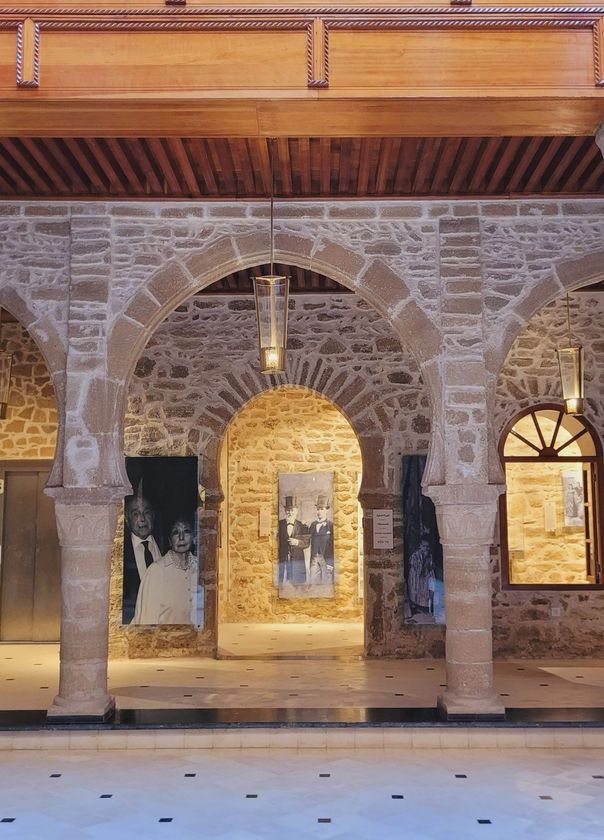
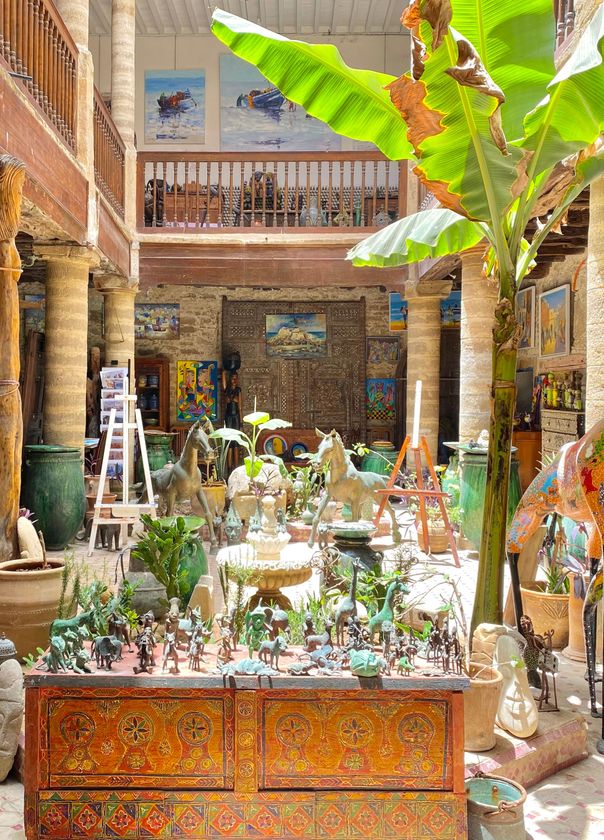
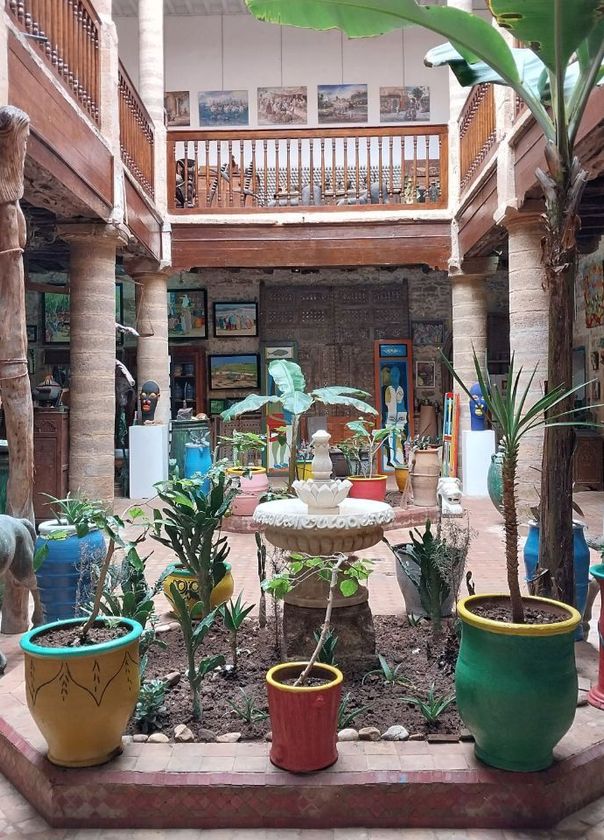
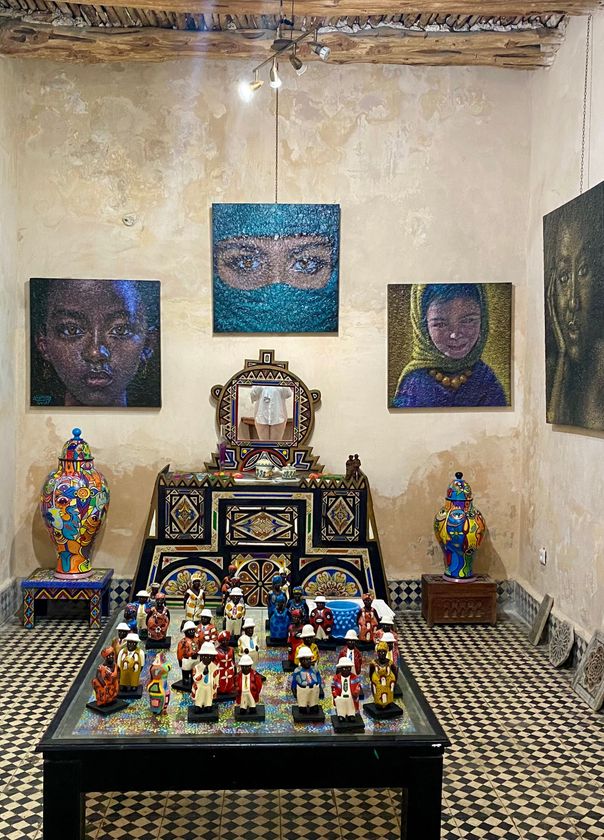
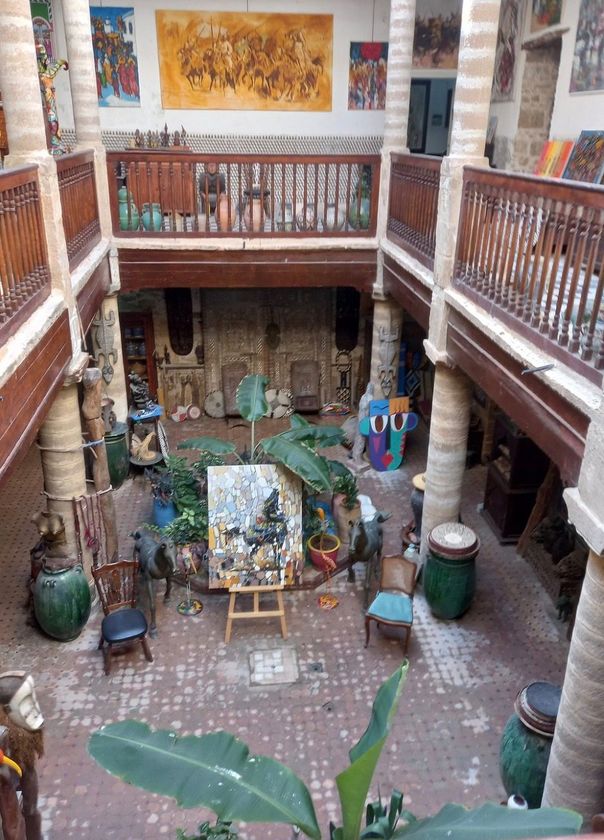
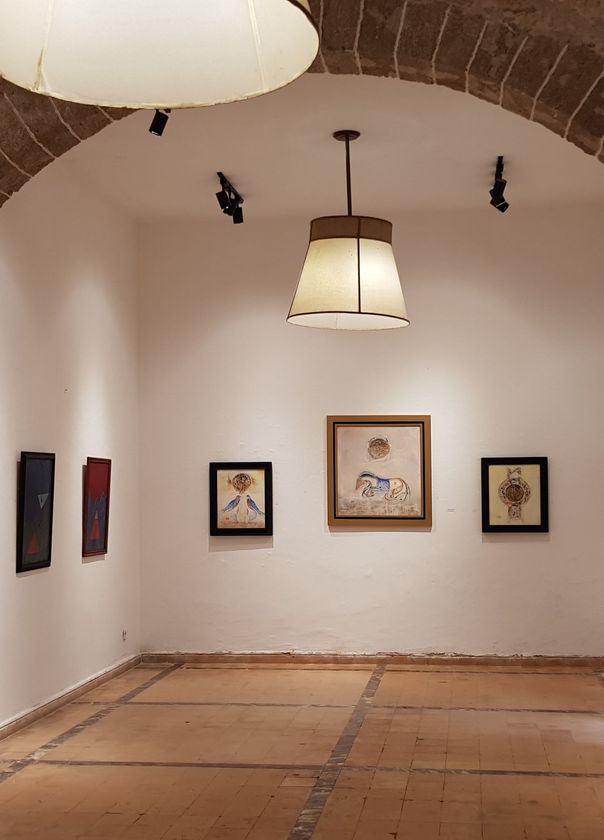
On Rue de Tétouan, Galerie La Kasbah fills a carefully restored 18th-century riad with a planted patio, stone columns and wooden galleries. Its rooms offer a broad survey of Essaouira painting, from the naive art of Mohamed Tabal and Ali Maimoun to abstraction and calligraphy, with sculpture and antique crafts. Entry is free and the visit ends on the roof terrace. For the story of the town's self-taught artists, continue to [Galerie Damgaard](/essaouira/en/places/galerie-damgaard-vigs2frgmz7rf6kb2tpkffxm/), Essaouira's first gallery.

Dar Souiri
Dar Souiri
Dar Souiri
Dar Souiri

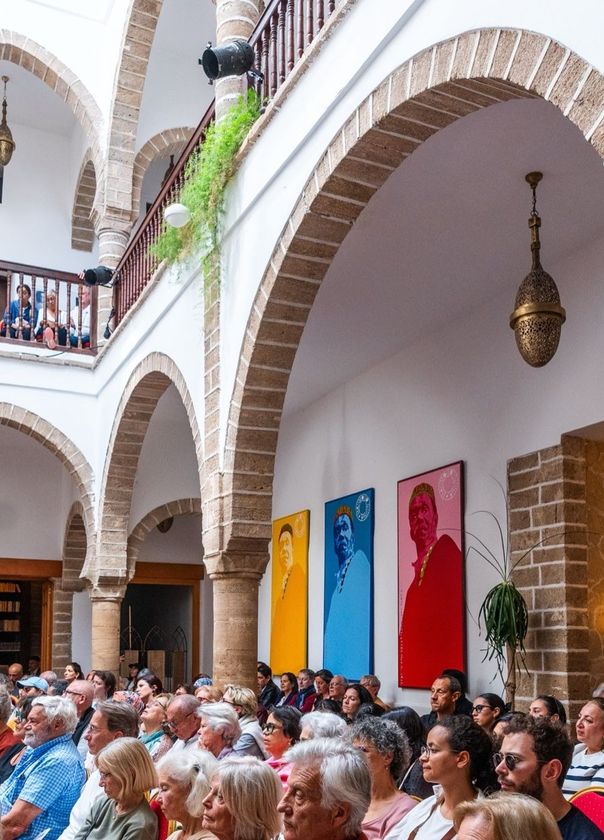
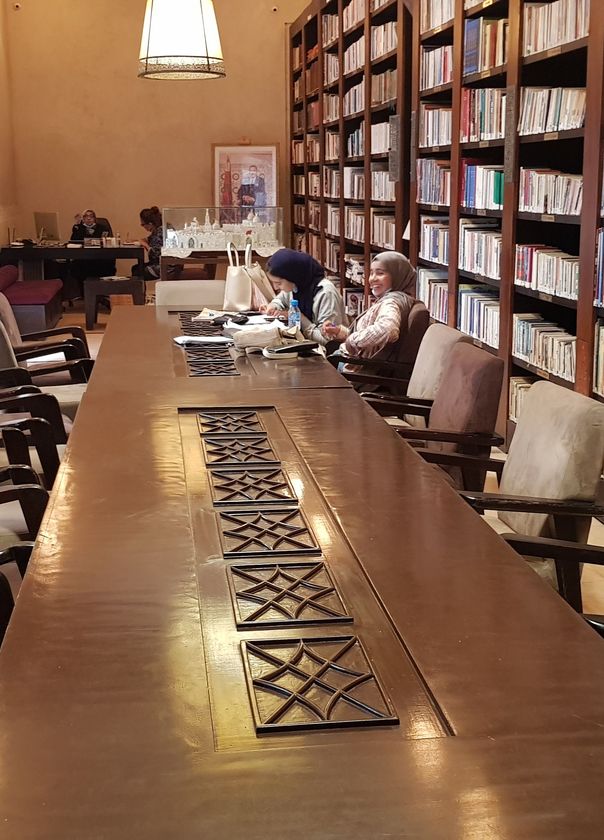
On Avenue du Caire, this 19th-century caid's mansion housed the provincial authorities under the protectorate before becoming Dar Souiri, the House of the Souiris, in 1992. Home to the Essaouira-Mogador Association, it hosts exhibitions, concerts and talks around its two-storey arcaded patio, along with a library that is free to use. A fine historic house, and the best place to feel the town's cultural pulse. Open Monday to Saturday.

Cimetières juifs d'Essaouira et mausolée Haïm Pinto

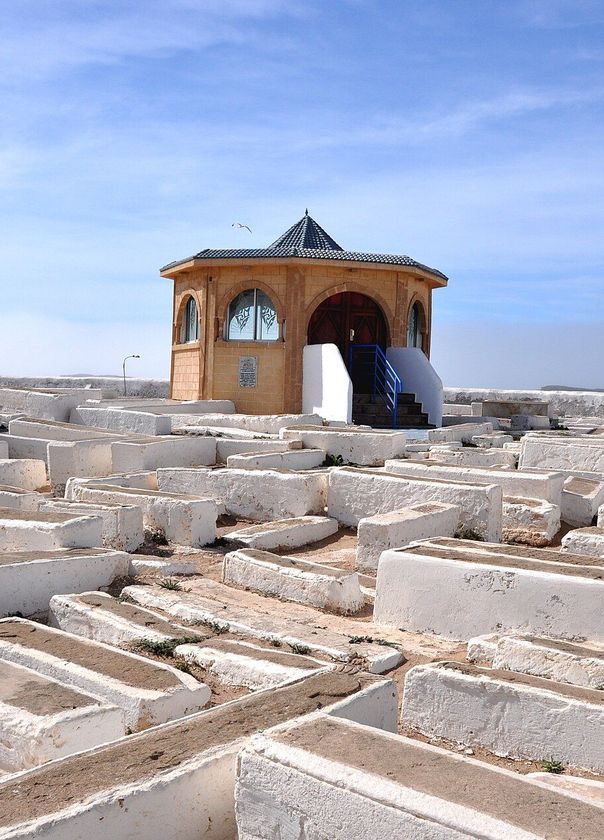
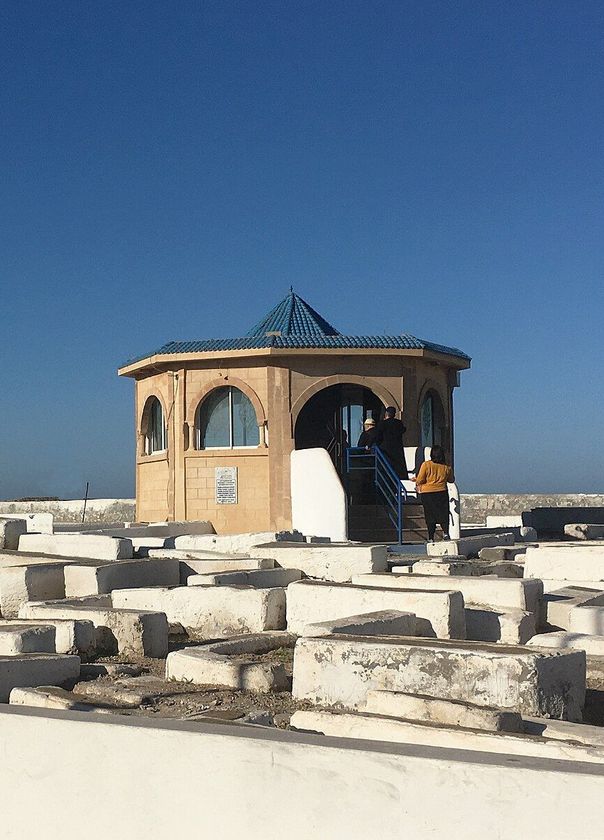
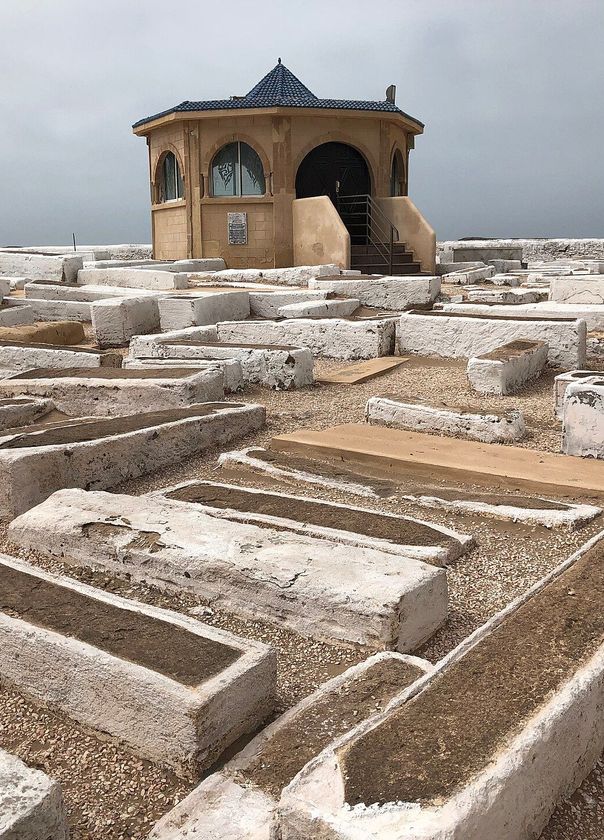
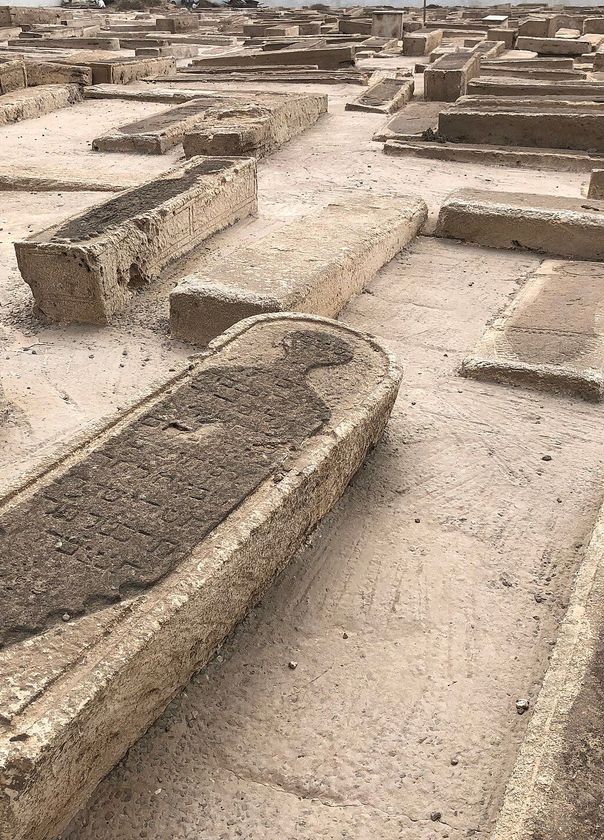
North-east of the ramparts, the old Jewish cemetery is separated from the ocean only by a wall. Its 2,400 or so gravestones, the oldest dating from 1775, face the open sea around the mausoleum of Rabbi Haïm Pinto, who died in 1845, where pilgrims from around the world gather each year for his hiloula. The gates are opened by a caretaker who is not always there: call the number posted on the door. Dress modestly and be respectful, as this is a place of pilgrimage.

Dar Soltane et Borj El Berod

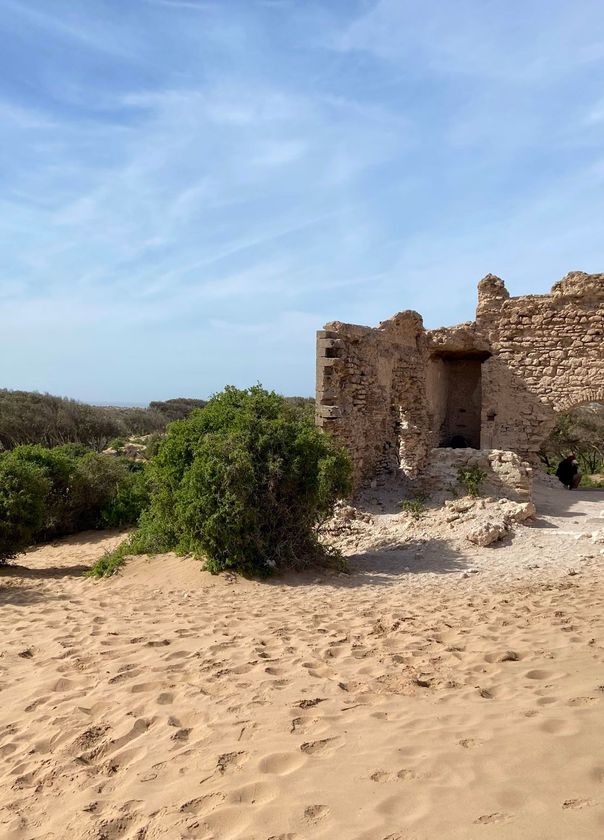
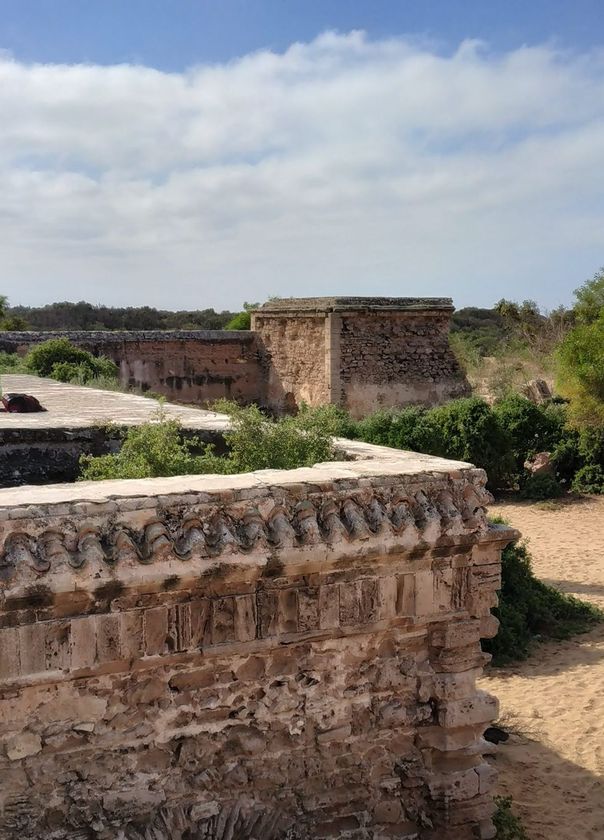
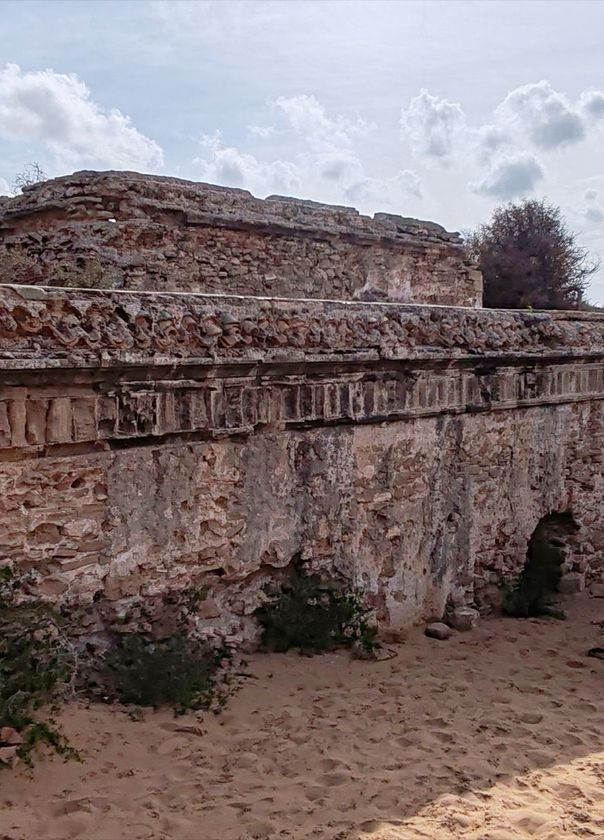
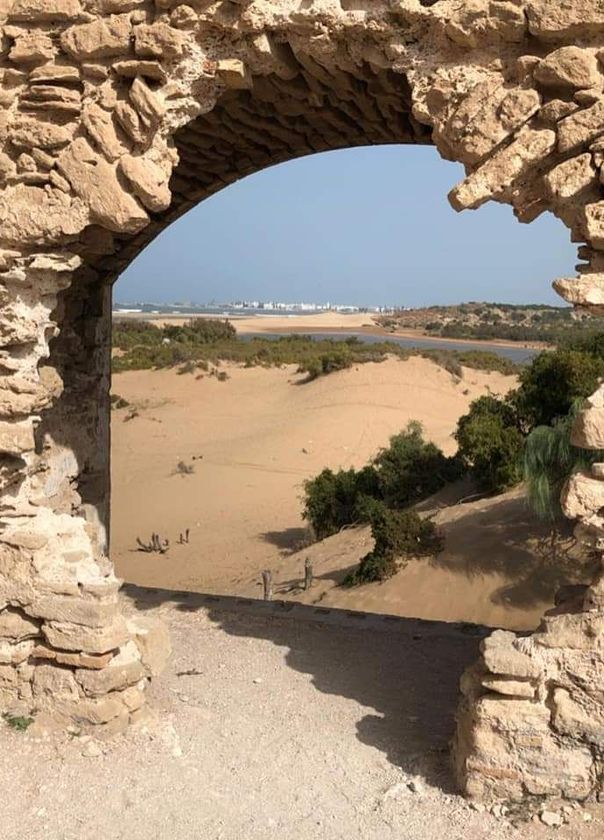
South of the Ksob river, near Diabat, the dunes have all but swallowed Dar Soltane, the summer palace of Essaouira's founding sultan, listed as national heritage in 2020. On the nearby beach, Borj El Berod, a watchtower that collapsed in an 1856 flood, is slowly disappearing beneath the waves facing Mogador Island; the legend that it inspired Jimi Hendrix's Castles Made of Sand does not hold up. Fragile ruins with free access, reached on foot along the beach or on horseback.

Published