In the north-eastern corner of the medina, the Mellah became Essaouira’s Jewish quarter in 1807; by the 19th century its community made up almost half the town’s population. Vaulted lanes, carved doorways and synagogues, among them that of Rabbi Haim Pinto, tell a defining chapter in the history of Mogador.
History
The Mellah was laid out around 1807-1808 on the orders of Sultan Moulay Slimane, in the north-eastern corner of the medina; the wealthiest Jewish families lived in the Kasbah. In the 19th century Essaouira was Morocco’s great port for trade with Europe, and Jewish merchants were central to it: in 1867 a French botanist estimated that Jews made up half of the town’s 12,000 inhabitants. The community peaked at around 10,000 people before gradually leaving during the 20th century. Joseph Sebag, described as the last Jew of the medina, died in May 2025.
The quarter today
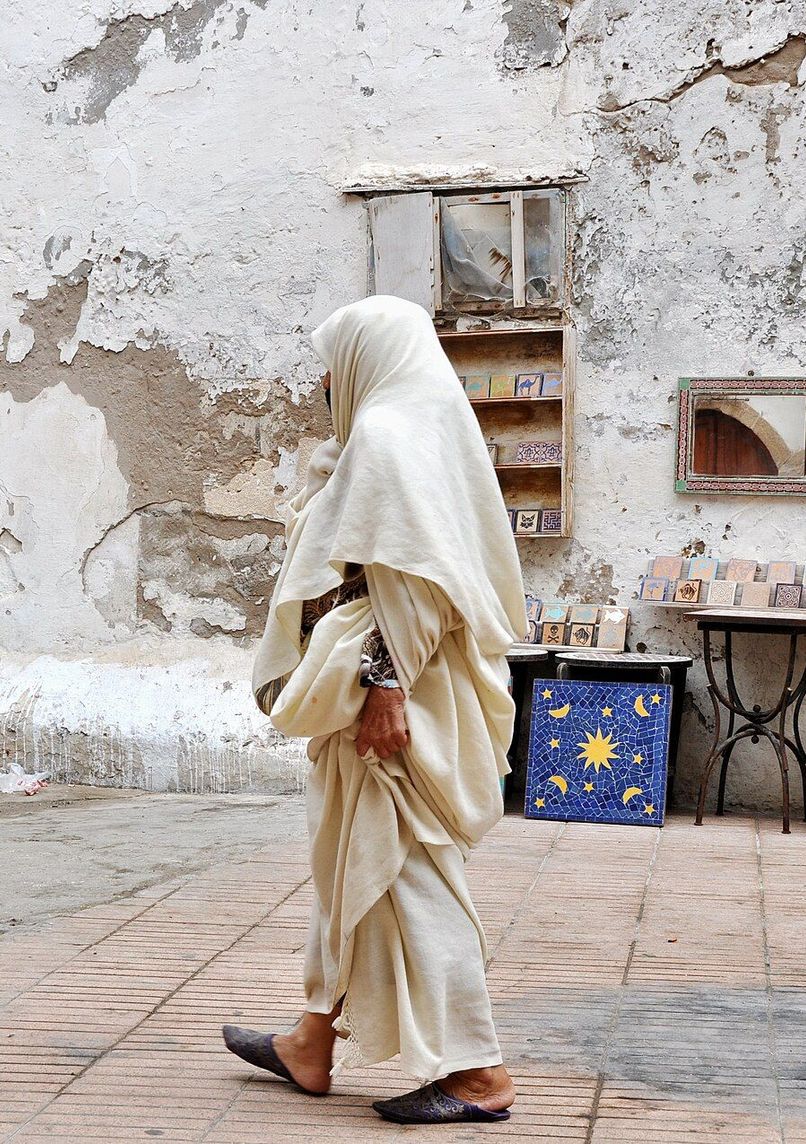
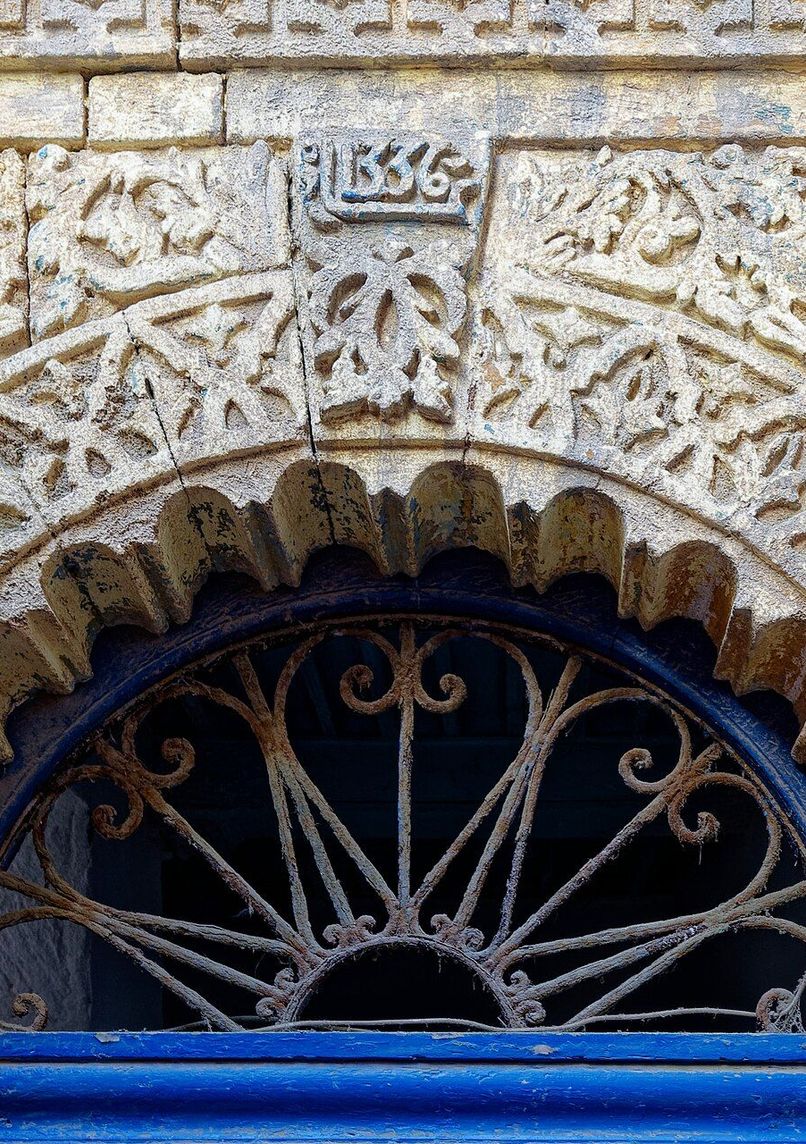
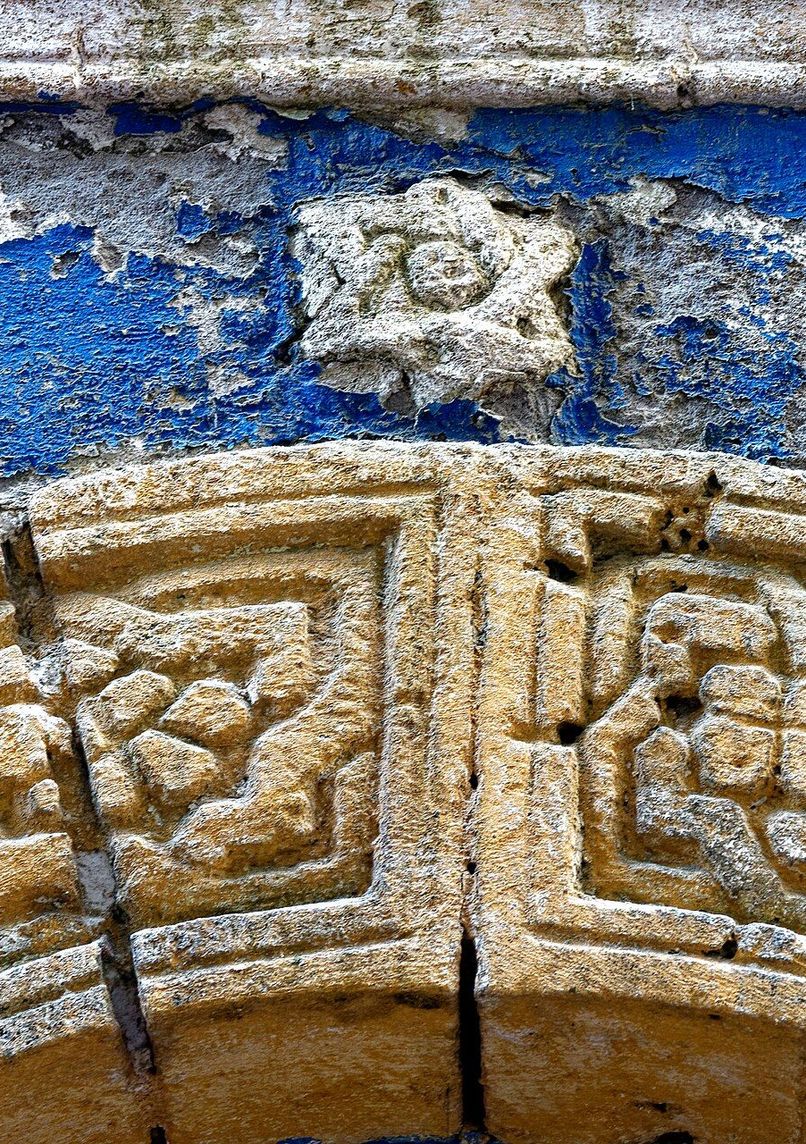
Long run-down, the Mellah has been the focus of consolidation and rehabilitation work since the 2010s, as part of the medina’s upgrade programmes. This lively, working-class neighbourhood mixes restored houses, workshops and old façades, and you can still spot carved lintels and ornate doorways that recall the grand homes of the past.
The Rabbi Haim Pinto Synagogue
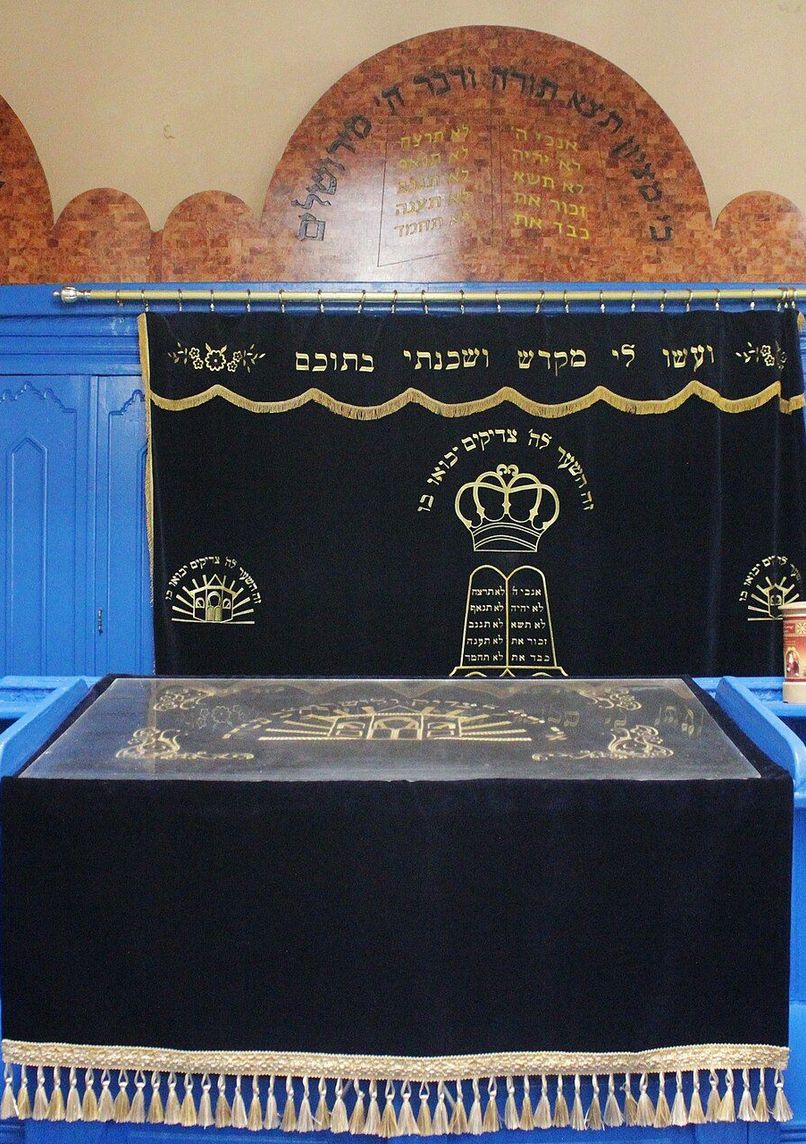
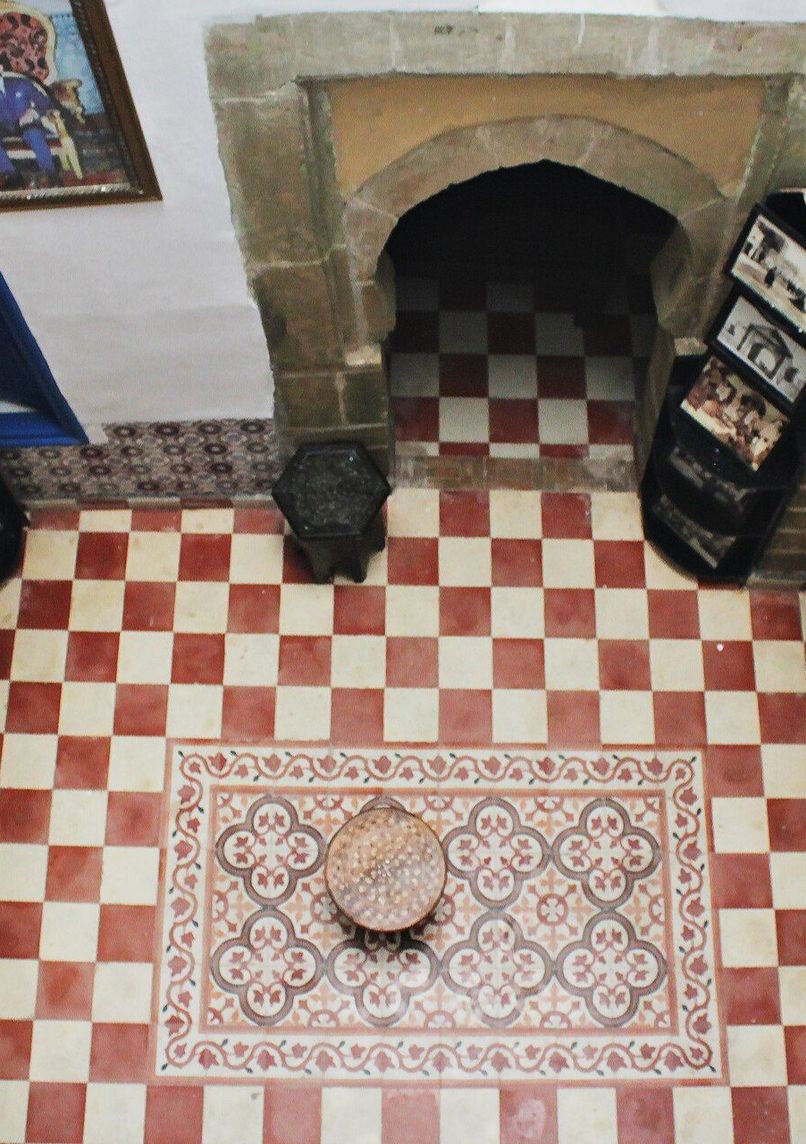
Haim Pinto, chief rabbi of Mogador, who died in 1845, lived and prayed in a three-storey building set around a courtyard. The synagogue occupies the second floor: a Holy Ark and bimah painted blue, two women’s galleries and the rabbi’s preserved study. It is still used during pilgrimages, when worshippers also visit his tomb in the Jewish cemeteries.
Also worth seeing
- The Slat Lkahal Synagogue, the “synagogue of the community”, restored in 2017.
- Bayt Dakira in the neighbouring Kasbah: the Simon Attias Synagogue and a space devoted to Judeo-Moroccan memory.
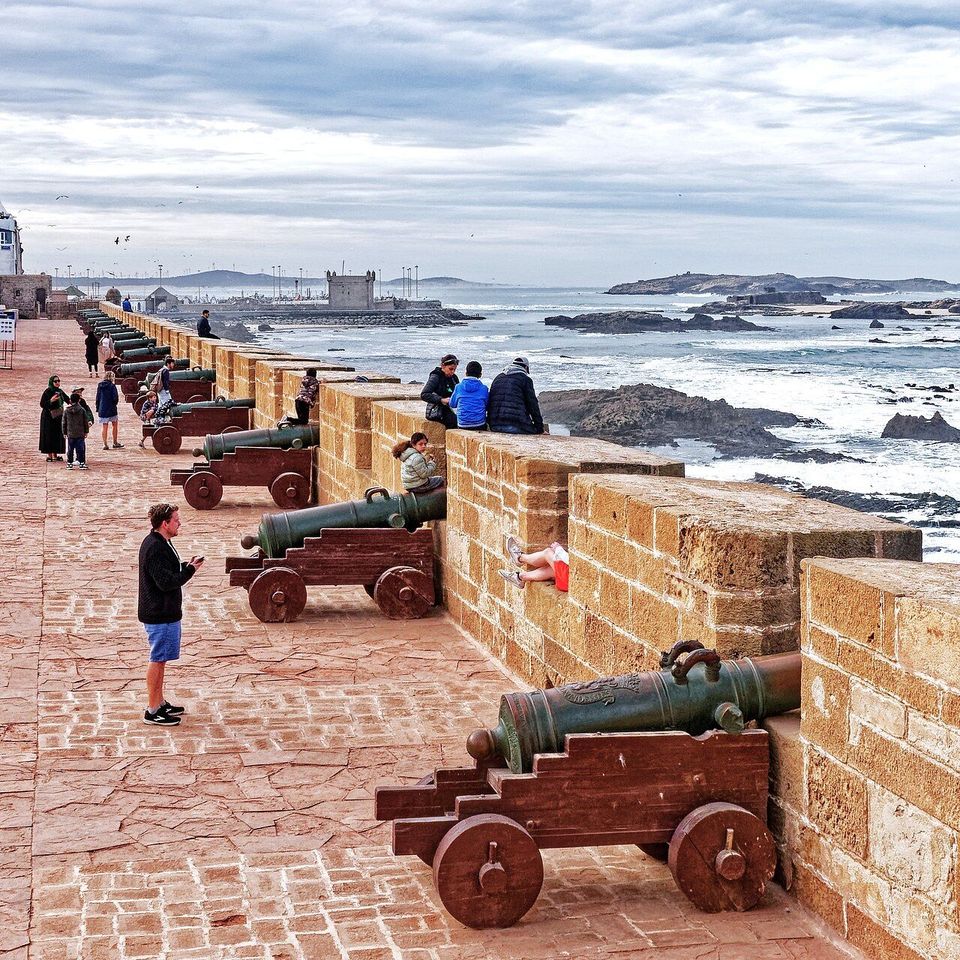
- The seaward ramparts, a few steps away.
Practical information
- Free access to the quarter, in the north-east of the medina towards Bab Doukkala.
- Rabbi Haim Pinto Synagogue: open 9am to 6pm, closed on Saturdays, according to Google; visits are guided and a tip is customary.
- This is a residential area: be discreet and ask before photographing residents.