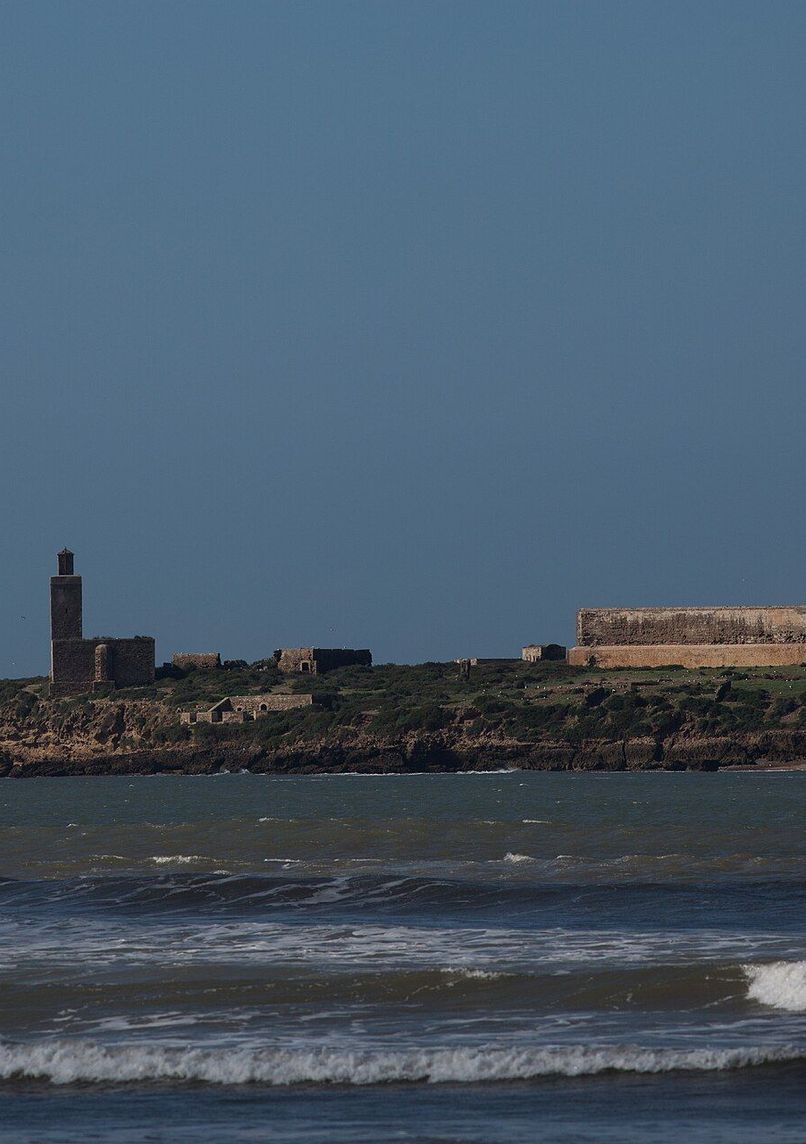
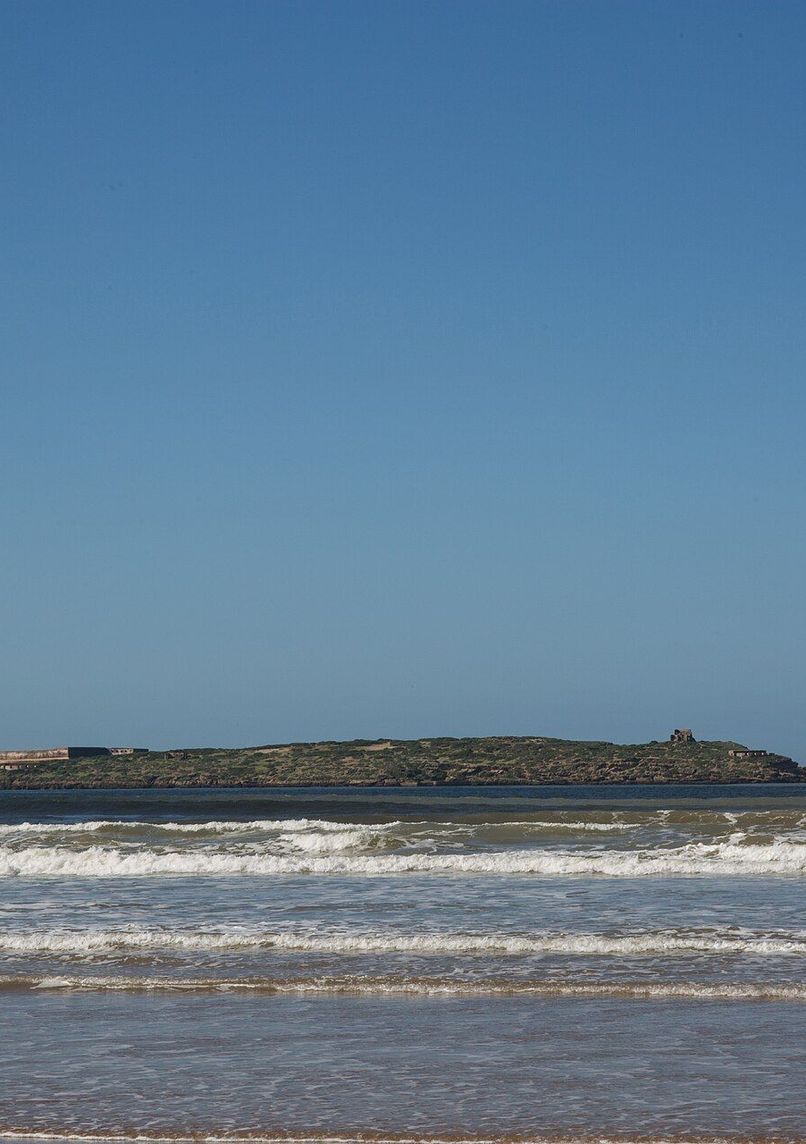
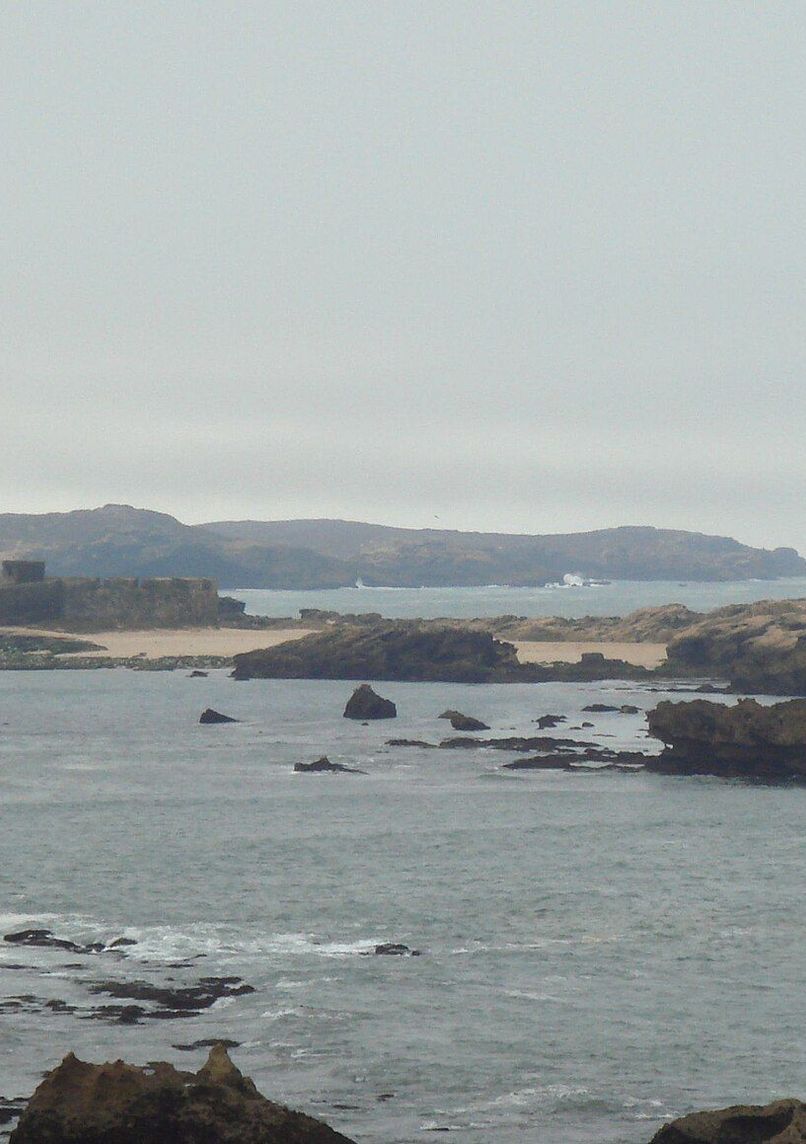
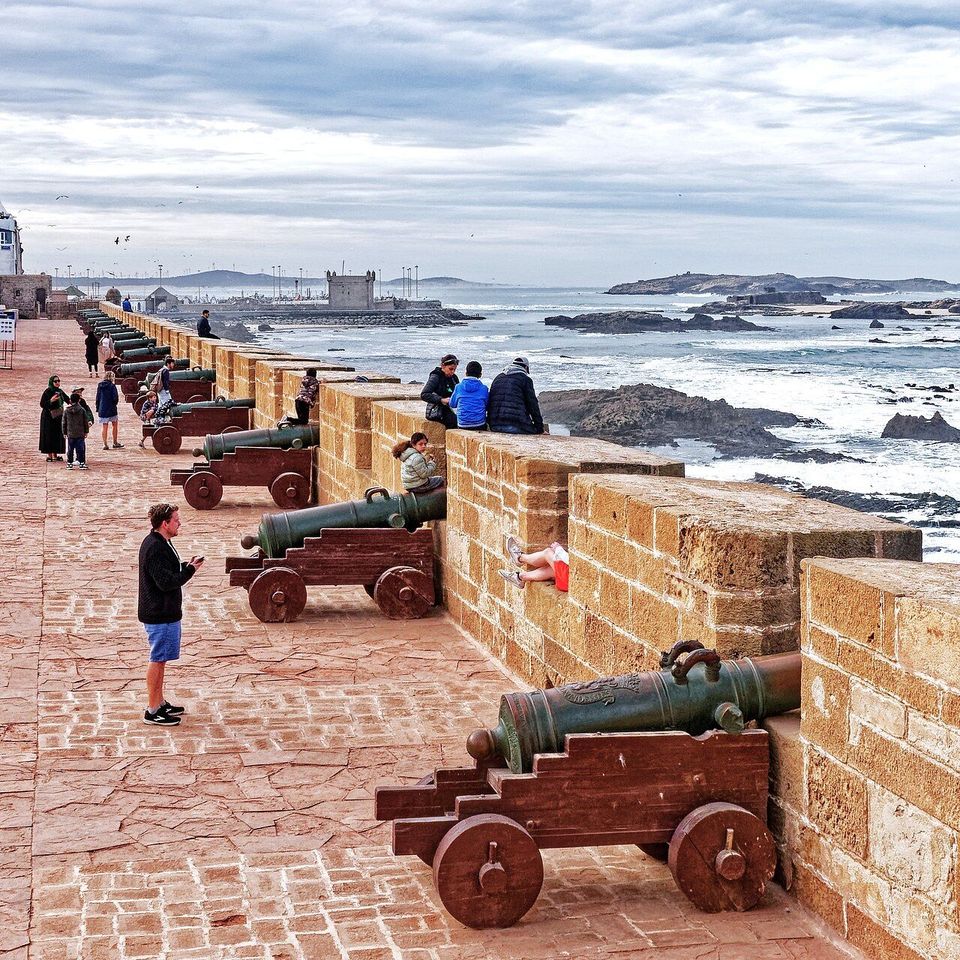
Opposite Essaouira’s port, the Mogador Islands close off the bay. Once a Phoenician trading post, King Juba II’s purple-dye works, then a prison and quarantine station, the archipelago is now a nature reserve where Eleonora’s falcons breed. Landing is forbidden: admire it from the ramparts, the beach or a boat.
An archipelago that shelters the bay
The Purple Isles (Îles Purpuraires) are a small archipelago off Essaouira. The largest, Mogador Island, covers about 30 hectares; neighbouring Pharaoh Islet is only a few hundred square metres. Together they shield the bay from the Atlantic swell, which partly explains why Essaouira beach is relatively calm.
2,500 years of history
- Phoenician artefacts have been found on the island, and the Carthaginian navigator Hanno is said to have set up a trading post here in the 5th century BC.
- In the late 1st century BC, King Juba II of Mauretania developed a dye industry here using murex, a local sea snail. The purple it produced was prized in Rome and gave the islands their name.
- In 1844 the French navy seized the island during the bombardment of Mogador.
- In 1866 the sultan turned it into a quarantine station for pilgrims returning from Mecca.
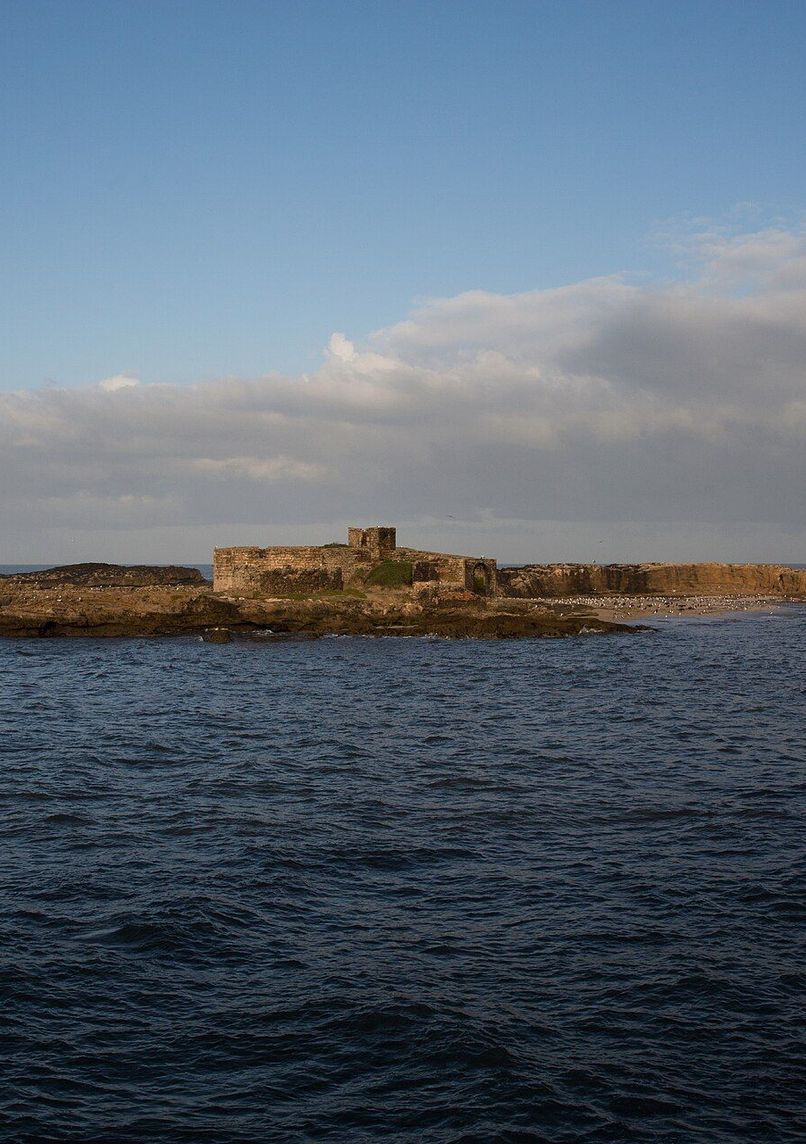
- You can still make out a disused late-19th-century prison, a mosque with its minaret and abandoned fortifications.
A nature reserve
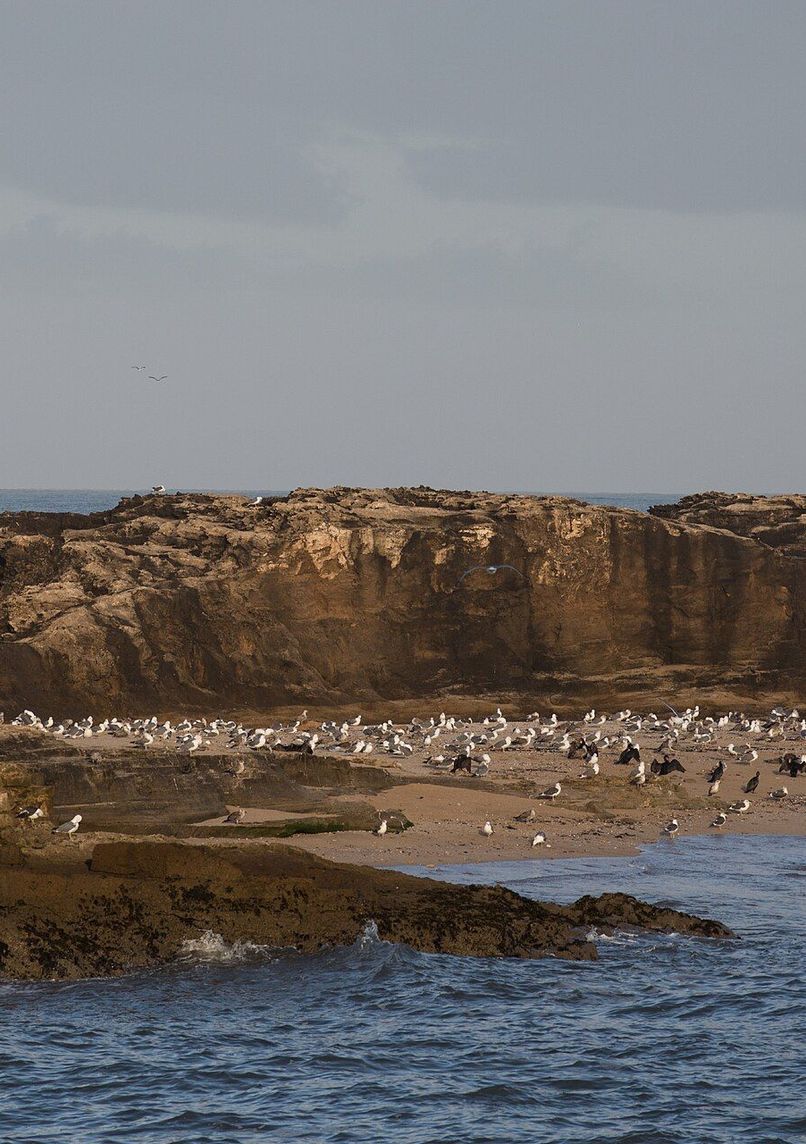
The archipelago is a nature reserve and has been a Ramsar site, a wetland of international importance, since 2005. The uninhabited islands are home to gulls and, above all, the rare Eleonora’s falcon, which breeds here from April to October before wintering in Madagascar.
How to see them
Landing is forbidden without official permission: only scientists and reserve staff may go ashore. You can, however, sail around the archipelago.
- By boat: small boats leave from the fishing port to skirt the islands without landing. There is no official ticket office; agree the price directly with the boat owner
- From land: the Skala de la Kasbah, the end of the harbour jetty and the beach give the best views, especially at sunset
- For experienced kitesurfers and windsurfers, the waters around the islands are part of the bay’s riding spots
Practical information
- No access ashore; boat tours only
- From April to October, the falcons’ breeding season, keep your distance and bring binoculars
- The sea is often choppy in the afternoon once the trade winds pick up, so go out in the morning