Arts & Culture in Essaouira

Essaouira is best explored on foot: an 18th-century fortified medina added to the UNESCO list in 2001, sea bastions lined with bronze cannons, the Mellah and its Jewish heritage sites, and the galleries that brought the city’s self-taught artists to light. Our selection covers monuments, heritage houses, cultural centres and art galleries, with practical tips for visiting them.

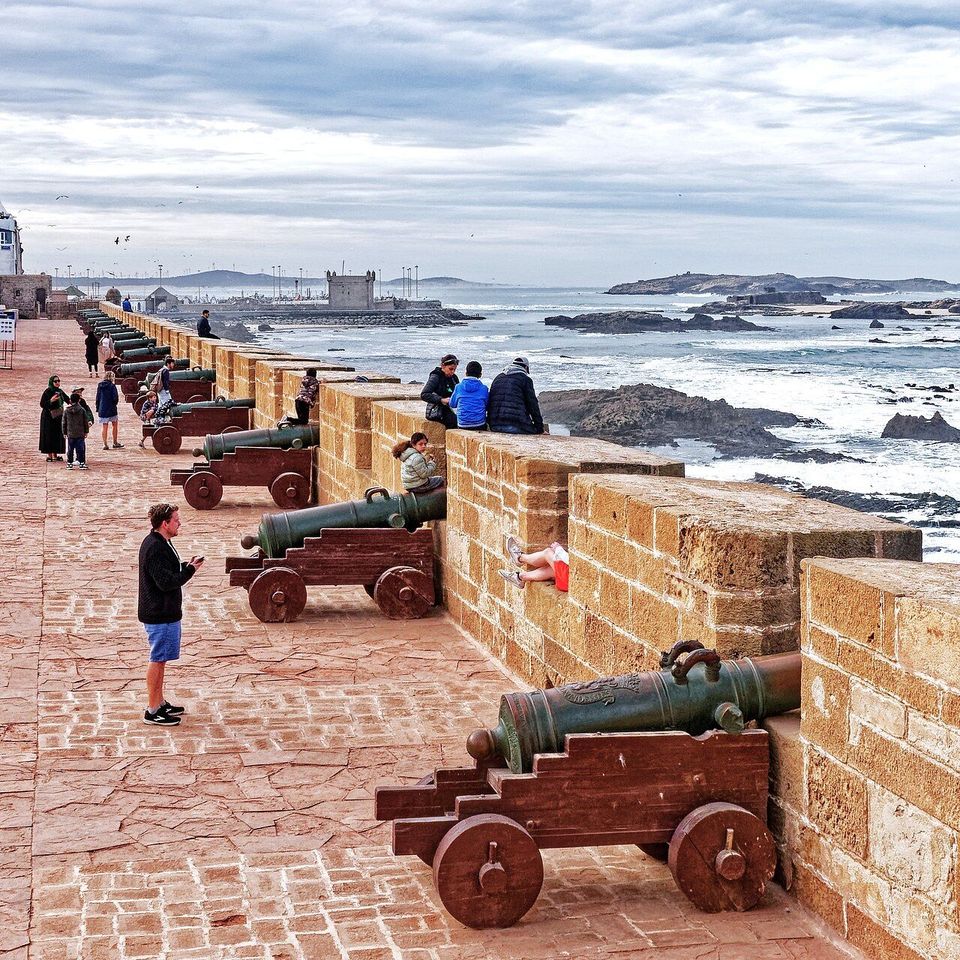
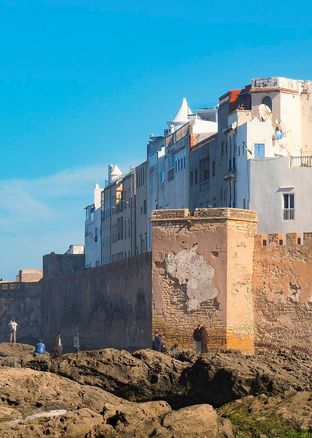
Skala de la Kasbah – photo 1

A 1765 artillery platform lined with bronze cannons, facing straight out to the Atlantic

Skala de la Kasbah

Kasbah
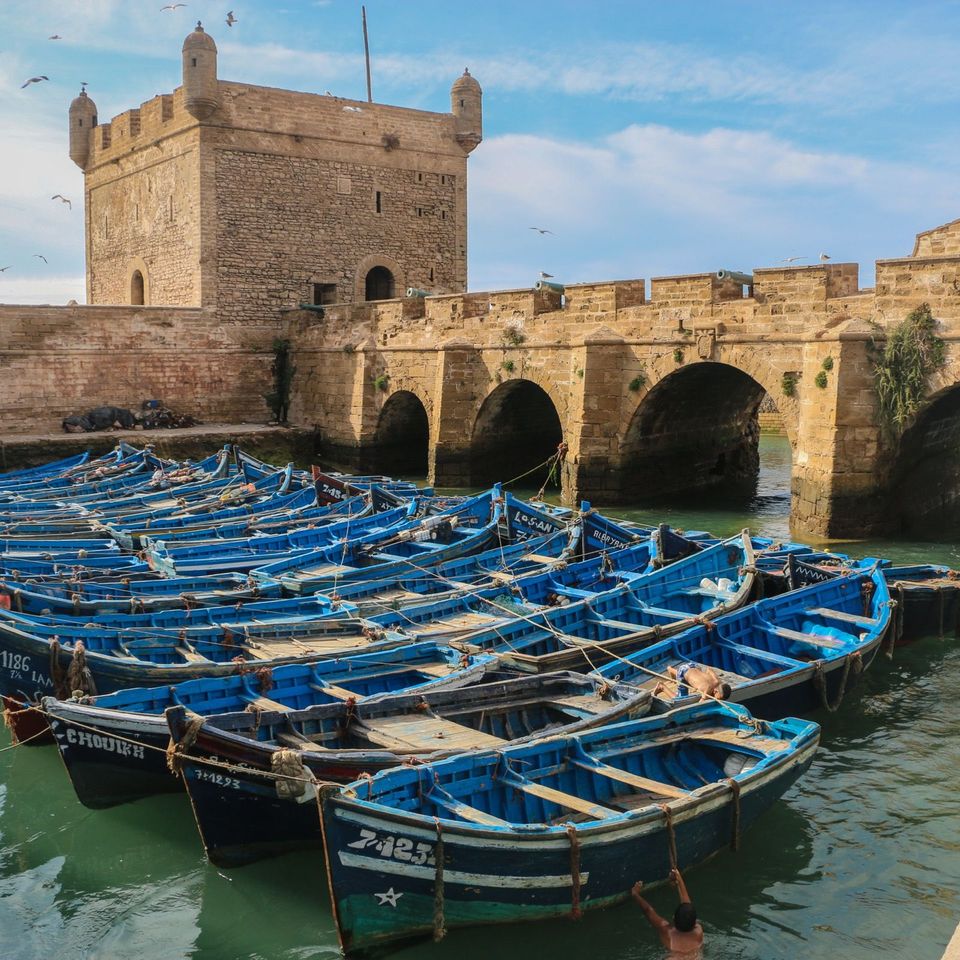
Skala du Port – photo 1

A 1764 bastion and Sea Gate overlooking the fishing harbour and the Mogador islands

Skala du Port

Port
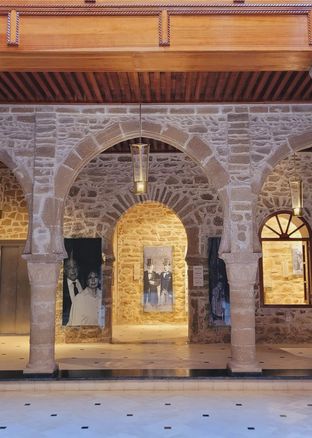
Bayt Dakira, Maison de la Mémoire (synagogue Simon Attia) – photo 1

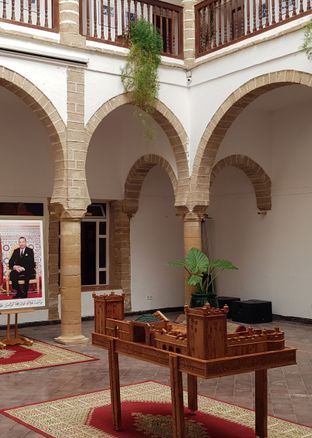
House of Memory devoted to Moroccan Jewish heritage, built around the restored Simon Attias synagogue

Bayt Dakira, Maison de la Mémoire (synagogue Simon Attia)

Kasbah
Médina d'Essaouira – photo 1

An 18th-century fortified town laid out by Théodore Cornut, now a UNESCO World Heritage Site

Médina d'Essaouira

Medina
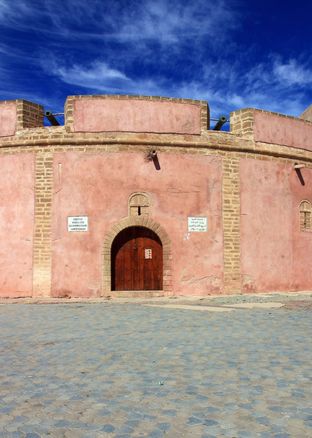
Borj Bab Marrakech – photo 1

A round 19th-century powder magazine in the ramparts, now an art gallery with a rooftop terrace

Borj Bab Marrakech

Medina
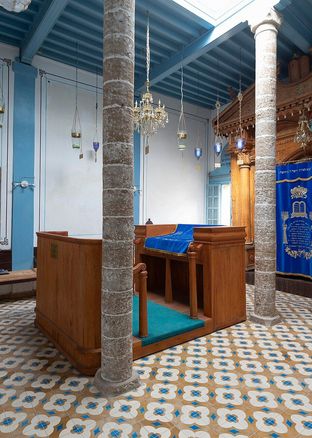
Synagogue Slat Lkahal – photo 1

The 19th-century “synagogue of the community”, restored and rededicated in 2017 in the Mellah

Synagogue Slat Lkahal

Mellah
Musée Sidi Mohammed Ben Abdallah – photo 1

The town and regional museum in a 19th-century mansion, currently closed for renovation

Musée Sidi Mohammed Ben Abdallah

Medina
Galerie La Kasbah – photo 1

A large painting gallery set in a restored 18th-century riad in the heart of the medina

Galerie La Kasbah

Medina
Dar Souiri – photo 1

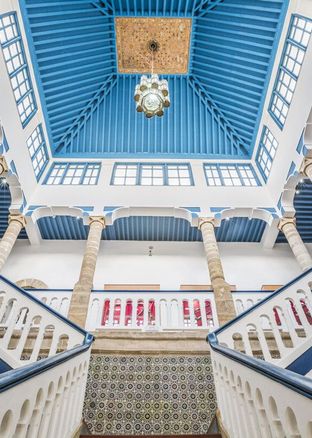
A 19th-century governor’s residence that is now Essaouira’s house of culture

Dar Souiri

Medina
Le Real Mogador – photo 1

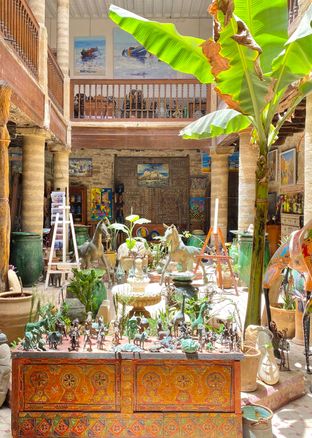
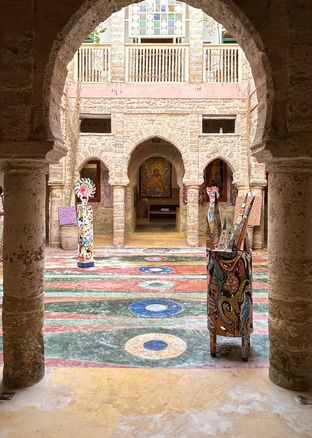
An art centre and artists’ residence in the former Italian consulate, devoted to local outsider art

Le Real Mogador

Medina
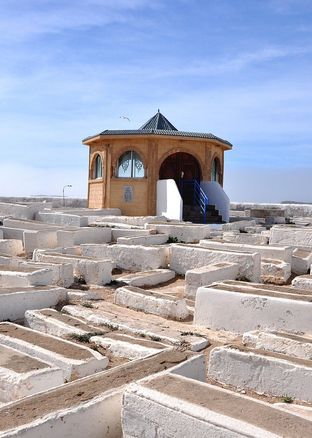
Cimetières juifs d'Essaouira et mausolée Haïm Pinto – photo 1

A seaside cemetery of 2,400 headstones, set around the mausoleum of Rabbi Haim Pinto

Cimetières juifs d'Essaouira et mausolée Haïm Pinto

Bab Doukkala
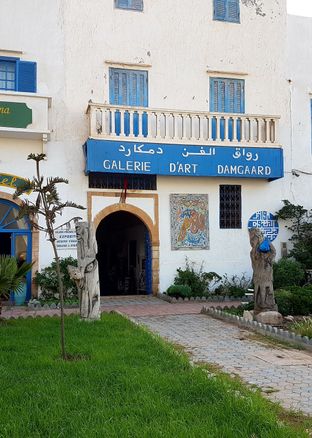
Galerie Damgaard – photo 1

Essaouira’s first art gallery, which brought the town’s “singular artists” to wider attention

Galerie Damgaard

Medina

Essaouira medina: ramparts, bastions and gates

Built from 1764 by Sultan Sidi Mohammed ben Abdallah to plans by French engineer Théodore Cornut, Essaouira’s medina is described by UNESCO as an exceptional example of a late 18th-century fortified town. Its grid layout is easy to navigate, from Bab Doukkala to Bab Marrakech. On the ocean side, the Skala de la Kasbah and the Skala du Port, built on the remains of the Portuguese Castelo Real of 1506, frame the city. Dar Souiri, a 19th-century caid’s residence that became a cultural centre in 1992, is home to the Essaouira-Mogador Association.

Jewish Essaouira: the Mellah, synagogues and Bayt Dakira

In 1867, Jews were estimated to make up half of Mogador’s 12,000 inhabitants. Laid out around 1807 in the north-east corner of the medina, the Mellah retains the Slat Lkahal synagogue, known as the synagogue of the poor, and the house-synagogue of Rabbi Haïm Pinto, still in use during pilgrimages. Bayt Dakira, in the heart of the old Kasbah, tells this story around the restored Simon Attia synagogue. The seaside cemetery, separated from the ocean by a single wall, has headstones dating back to 1775.

Art galleries in Essaouira: the city’s self-taught painters

Essaouira has one of the most distinctive art scenes in Morocco. In the 1980s, Dane Frédéric Damgaard championed largely self-taught painters, often linked to the Gnawa, Aissawa or Hamadsha brotherhoods: Mohamed Tabal, Ali Maimoune, Regraguia Benhila. His gallery still shows artists from the region. Galerie La Kasbah presents realism, abstraction and local naive art, while Le Real Mogador, where painter Saïd Ouarzaz has been in residence, hosts concerts and performances in its patio.

Frequently asked questions

What to see in Essaouira’s medina?

The Skala de la Kasbah, an artillery platform built in 1765 and lined with Spanish bronze cannons, is the city’s postcard view. The Skala du Port, built in 1764, overlooks the fishing boats and the islands. Borj Bab Marrakech, a round former powder magazine on the ramparts, now houses a gallery. The Mellah, the old Jewish quarter, preserves the house and synagogue of Rabbi Haïm Pinto.

Is the Essaouira museum open?

No: the Sidi Mohammed Ben Abdallah Museum, on Rue Laâlouj, is closed for renovation. A rehabilitation agreement was signed on 13 April 2026, with no reopening date announced. In the meantime, Bayt Dakira, the House of Memory, is open every day, and Dar Souiri, on Avenue du Caire, offers classes, readings and a free library from Monday to Saturday.

Where can I discover Essaouira’s Jewish heritage?

Bayt Dakira combines the Simon Attia synagogue, built in 1882, with a research centre on relations between Judaism and Islam; King Mohammed VI visited it in 2020. In the Mellah, the Slat Lkahal synagogue, completed in the mid-19th century, was restored in 2017. The Jewish cemeteries on Avenue Moulay Hicham hold 2,400 headstones and the mausoleum of Rabbi Haïm Pinto; access depends on a caretaker.

Which art galleries should I visit in Essaouira?

Galerie Damgaard, founded in 1988, introduced the world to Essaouira’s self-taught painters. Galerie La Kasbah has some 400 m² of exhibition space in an 18th-century riad on Rue de Tétouan. Le Real Mogador, in the former Italian consulate, focuses on outsider art, and Borj Bab Marrakech hosts exhibitions in a bastion of the ramparts.