Essaouira, a sardine town
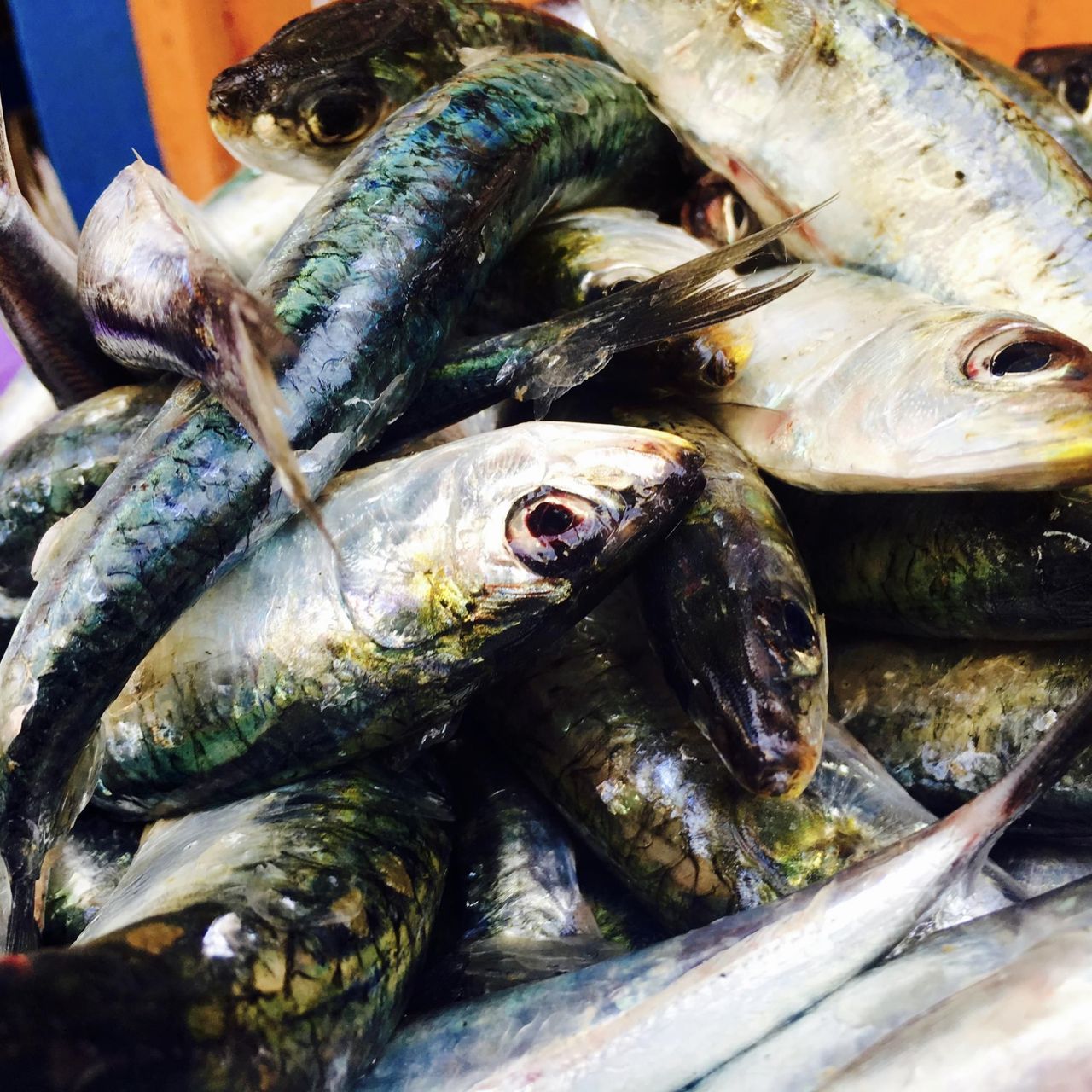
Fishing has kept Essaouira alive since its foundation, and the sardine is its emblem. Long one of the kingdom’s busiest ports for international trade, the harbour remains an important sardine port, even though Casablanca and Agadir overtook it in the 20th century. The town once had its canneries, and grilled sardines are still the classic everyday meal: a few fish straight off the charcoal, a squeeze of lemon, coarse salt, bread and a tomato and onion salad.
Locals look forward to them most in the warmer months. Outside the spawning period, which roughly runs from November to February in the cold Atlantic waters, the flesh is richer and tastier. And they are eaten with your fingers: the regulars at the port lift the fillets off the bone in one movement.
Sardines are not only grilled. In family kitchens they are stuffed with chermoula, a blend of herbs, garlic, cumin and paprika, or shaped into fishballs simmered in a tomato sauce with peppers and olives and served as a tagine. These dishes appear on the menus of a few small medina cafés.
A morning at the fishing port
To understand what you will eat at lunchtime, come early to Essaouira port. You enter from Place Moulay Hassan through the Sea Gate. Between roughly 7 and 10 am, trawlers and blue wooden boats unload their crates: sardines, mackerel, red mullet, sole, sea bream, squid, prawns, spider crabs and sometimes swordfish or shark. Wholesalers bid for the best lots at the fish auction while fishermen mend their red nets and carpenters work on hulls in the boatyard, watched by gulls and cats.
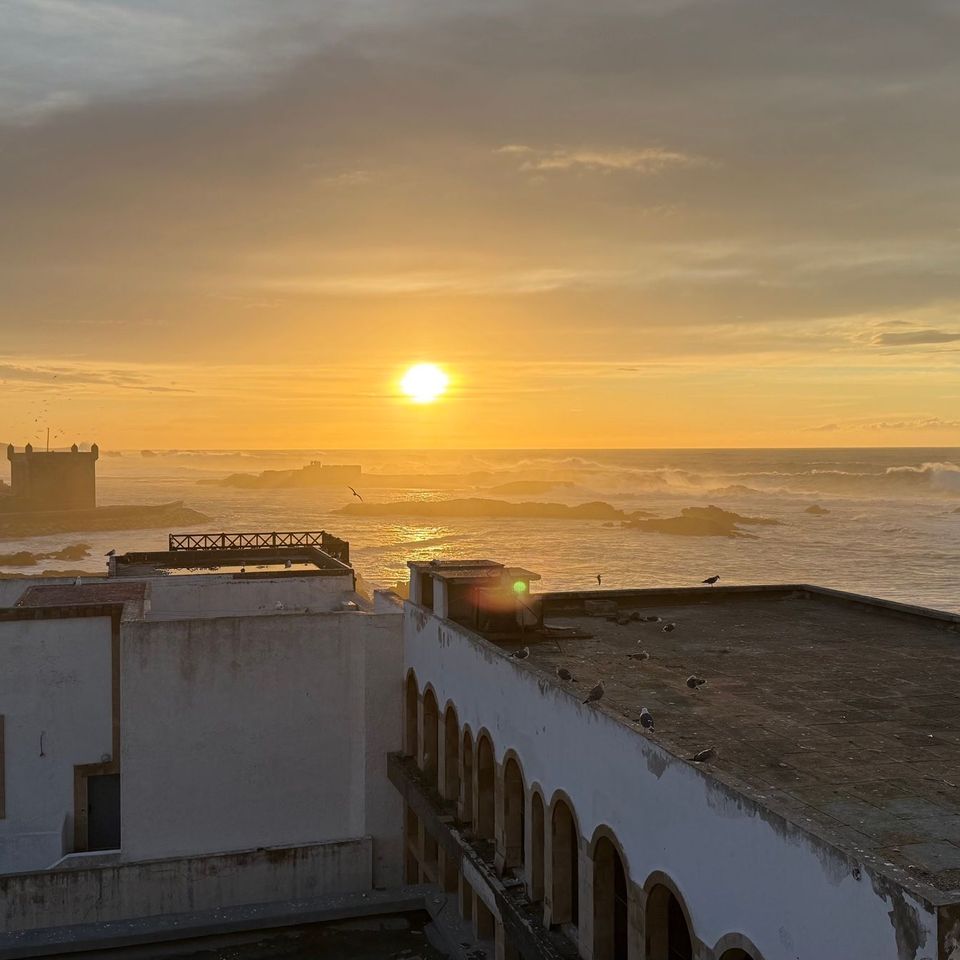
For the big picture, climb the Skala du Port, the bastion guarding the harbour entrance: from there, the fleet, the ramparts and the Mogador islands make one of the most photographed views in town.
Grilled sardines at the port: how it works
At the port entrance, a row of stalls and charcoal grills welcomes visitors from late morning. The system is simple:
- Pick your fish from the stall, among the day’s catch laid out on ice. Prices are chalked on boards or called out, per kilo or per plate.
- Have it weighed in front of you and agree on the total before cooking, making clear what is included: grilling, bread, salad, drinks.
- Sit down at one of the nearby tables: the fish is cleaned and grilled in front of you, then served with bread, salad and a spicy sauce.
There are two options: buy the fish and pay for the grilling separately, which is cheapest, or order a fixed-price plate, which is simpler but slightly dearer. Touts often wait at the entrance and steer visitors towards stalls that pay them, so take time to compare and choose the stall whose catch looks best to you.
Indicative prices in 2026
Prices vary with the day’s catch, the season and the crowds, and go up during the Gnaoua Festival in late June. As a guide, price surveys published in 2025 and 2026 give the following ranges:
- Plate of sardines (8 to 10 fish): 30 to 40 MAD.
- Plate of prawns: 40 to 60 MAD; squid: 40 to 50 MAD.
- Mixed plate (sole, prawns, squid): 50 to 70 MAD.
- Half lobster: 80 to 120 MAD, depending on the catch.
- Grilling fee, if you buy the fish separately: 20 to 30 MAD per person.
- Full meal (fish, grilling, bread, salad): 50 to 80 MAD per person; seafood platters at the busiest stalls run to 80 to 150 MAD.
Red mullet, sea bream and sole cost more than sardines and depend heavily on the catch. If a bill looks vague, ask for the breakdown before paying.
The locals’ choice: the medina fish market
Residents have their own ritual at the fish market in Souk Laghzal, in the heart of the medina souks, next to the spice sellers. You buy your fish by weight from the fishmongers, then hand it to one of the small eateries alongside, such as Le Coin du Bois (closed on Wednesdays), which grill or fry it and serve it with salad, among local families. The atmosphere is more local than at the port, prices are similar, and it fits neatly into a late-morning wander through the souks.
For fish served at a proper table, with ocean views or more elaborate cooking, browse our selection of restaurants.
Practical information
- When to go: boats unload between about 7 and 10 am; grills open from 11 am, busiest between 11.30 am and 2 pm. The best choice is around 10.30 to 11.30 am; after 3 pm it thins out considerably.
- Payment: cash only; bring small change.
- What to wear: closed shoes on the wet quays and a windbreaker, as the trade wind blows hard at midday.
- Getting there: on foot from the medina, less than ten minutes from Place Moulay Hassan; entry to the port is free.
- Photos: ask before photographing fishermen and vendors.