1949: a cash-strapped director on the Atlantic
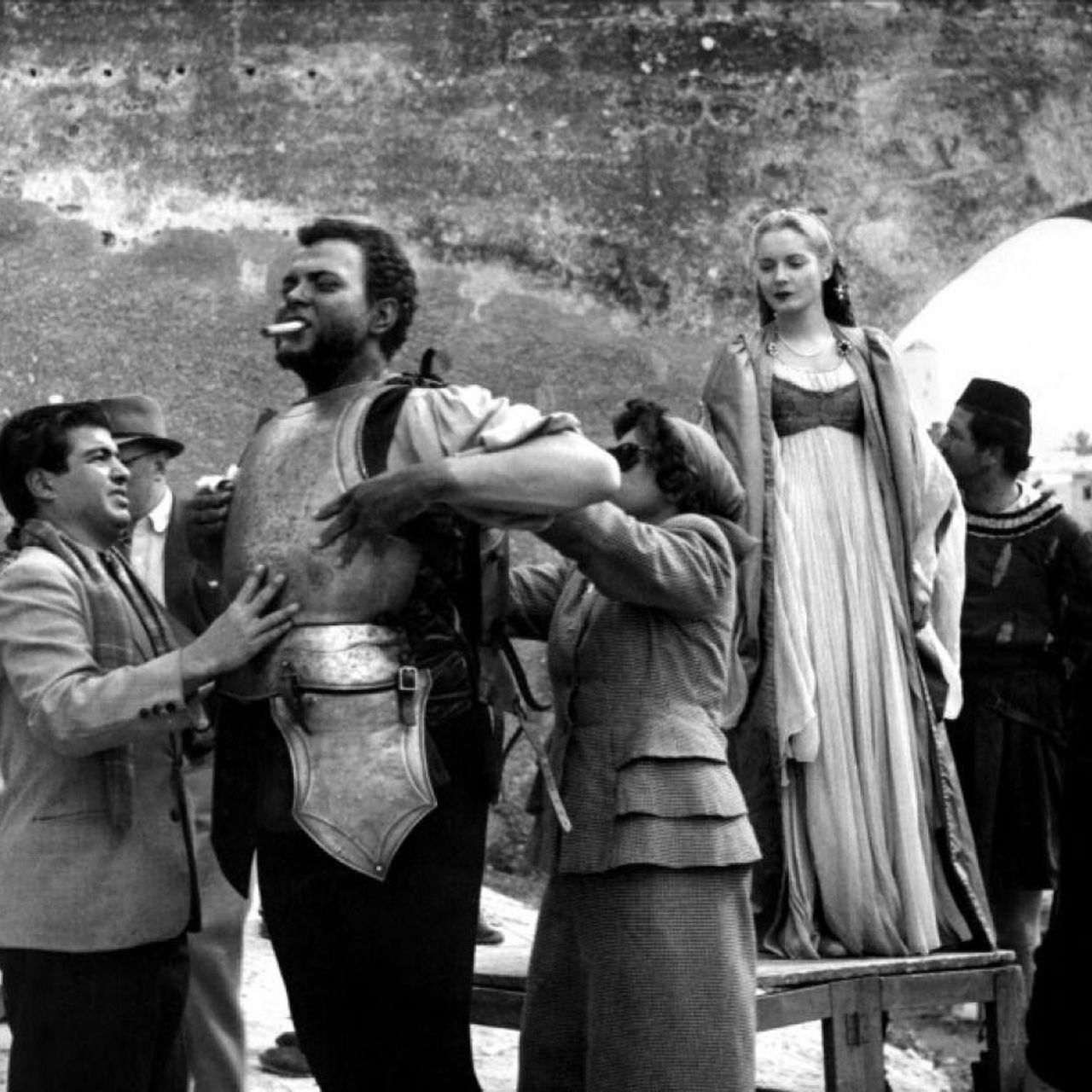
When Orson Welles arrived in Morocco in 1949, the director of Citizen Kane was at odds with Hollywood and trying to fund his European projects on his own. He wanted to adapt Shakespeare's Othello, and in Mogador, on the Atlantic coast, he found the sea fortress he had pictured for Cyprus. According to film historians, shooting in the town began on 19 June 1949.
The project soon ran into trouble. The Italian producer, Scalera, pulled out for lack of money, so Welles paid for the film himself, using his acting fees, including the one from Carol Reed's The Third Man (1949). Production stopped at least three times while he raised more money and stretched over almost three years between Morocco and Italy (Venice, Tuscany, Rome). Several roles were recast along the way: Suzanne Cloutier only became Desdemona after other actresses. Welles played Othello opposite the Irish actor Micheál Mac Liammóir as Iago.
Essaouira as a film set
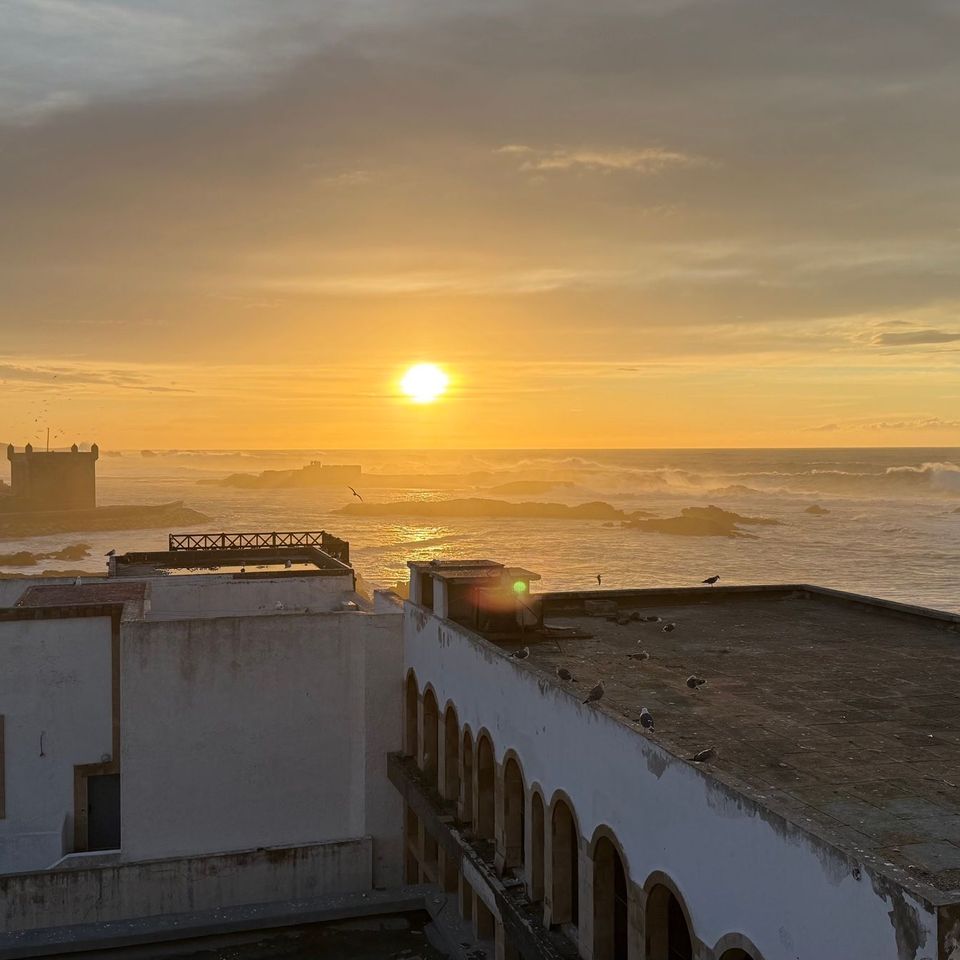
In Mogador, Welles used the town as he found it. The ramparts of the Skala de la Kasbah, with bronze cannons pointing out to sea and vaulted chambers below, became the citadel of Cyprus and its dungeons; the Skala du Port and its towers framed the opening sequence, the funeral procession of Othello and Desdemona. Other shots were filmed in Safi and in Mazagan, now El Jadida, whose Portuguese cistern provides one of the film's most striking settings.
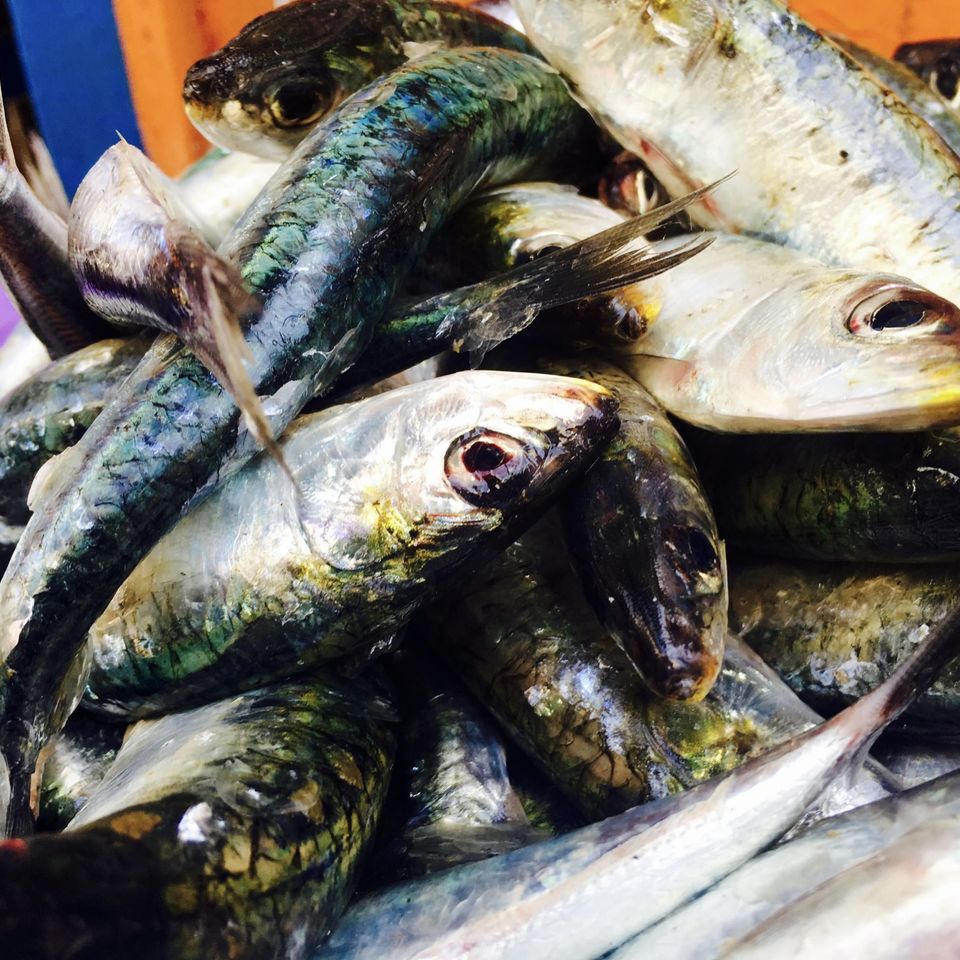
The whole town took part. Local tailors sewed costumes from jute, sardine tins were hammered into shields and pieces of armour, and many residents appeared as soldiers and extras.
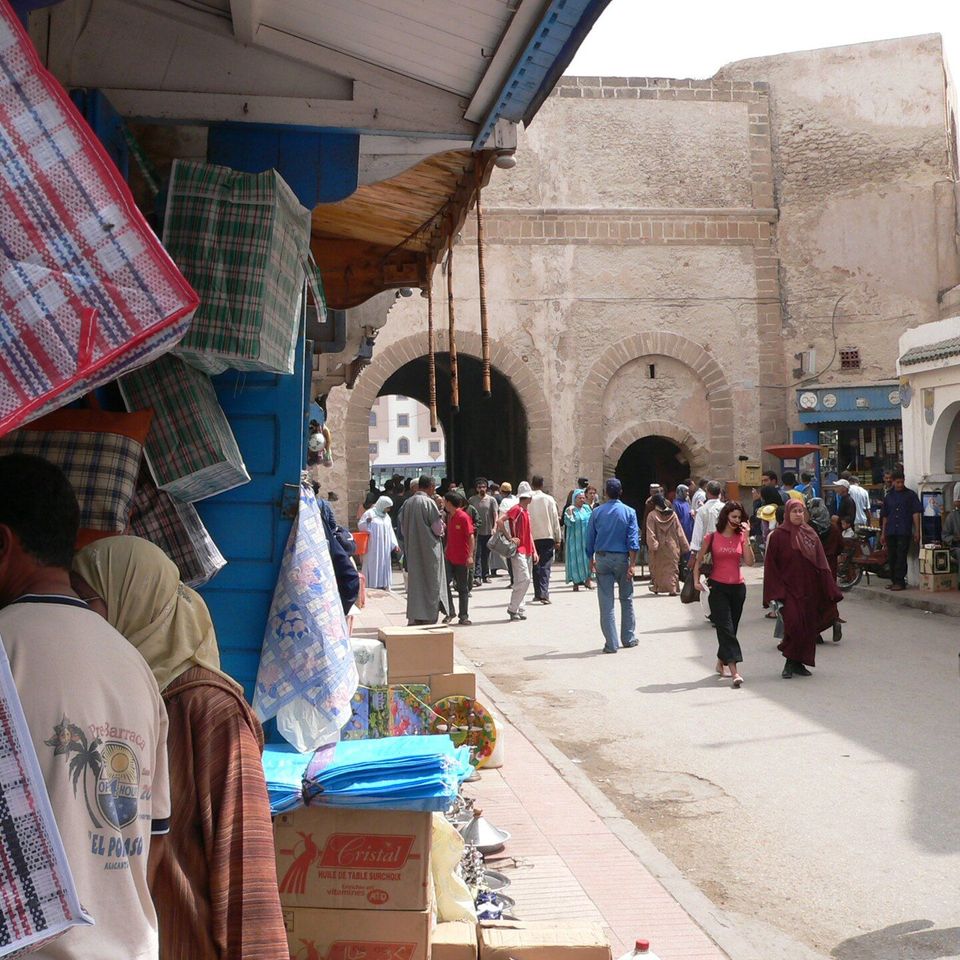
Between takes, as local memory has it, the director paced the ramparts at night, had a drink at the Hôtel des Îles and became a regular at the Chez Driss pastry shop near Place Moulay Hassan. The towering American turned into a familiar figure in the medina, and the town, then a quiet provincial port, got to see filmmaking from the inside.
The improvised Turkish bath
The film's most famous scene was born of necessity. The costumes for Roderigo's murder failed to arrive, held back over unpaid bills according to most accounts. Rather than wait, Welles moved the scene to a Turkish bath, where the actors needed nothing but towels. The “bathhouse” was actually set up in Mogador's old fish market, with the steam created by incense smoke. The result, all slashes of light and vapour, is one of the most discussed sequences in Welles's work.
Cannes 1952: a Grand Prix under the Moroccan flag
Completed after months of editing, the film was entered at Cannes in 1952 as a Moroccan production. It won the Grand Prix du Festival International du Film, the festival's top award at the time (the Palme d'Or was only introduced in 1955), shared with Two Pennyworth of Hope by the Italian director Renato Castellani. People in Essaouira like to recall that Welles dedicated the prize to the town that had welcomed him.
The film went on to a second life: a re-edited version was released in the United States in 1955, and a restoration supervised by his daughter Beatrice Welles was presented in 1992. Welles revisited the adventure himself in Filming Othello (1978), his last completed feature, a documentary essay on the shoot.
Place Orson Welles, the town's tribute
Essaouira has not forgotten its adopted filmmaker. Just outside the ramparts, facing the sea along Boulevard Mohammed V, a small square bears his name. A stone monument shows Welles's profile in bas-relief, next to a garden named after Othello. Modest and weathered by sea spray, it has become a meeting point and a photo stop between the medina and the beach.
Following the film today
An hour's walk is enough to link the main filming locations:
- The Skala de la Kasbah: the rampart walk, its cannons and views over the rocks, where Othello paces his citadel.
- The harbour and its skala: the Sea Gate and the 18th-century towers that frame the opening scene.
- Place Orson Welles: a nod to the director before you carry on along the seafront.
Welles paved the way for other productions: Ridley Scott's Kingdom of Heaven (2005) turned the town into a medieval set, and Game of Thrones filmed the scenes of the city of Astapor here in 2012. Explore more arts and culture stories.
Practical information
- Watching the film: the 1992 restoration is the easiest to find; film buffs will want to track down the 1952 European version.
- Documentaries: Orson Welles's Filming Othello (1978); the French-German channel Arte has also made a programme on Welles and Essaouira.
- Visiting: the Skala de la Kasbah is open daily from 9am to 6.45pm and the Skala du Port from 9am to 5pm except Mondays (hours as listed online, so check locally); late afternoon offers the best light.