Mogador before Essaouira: Phoenicians and the Purple Isles
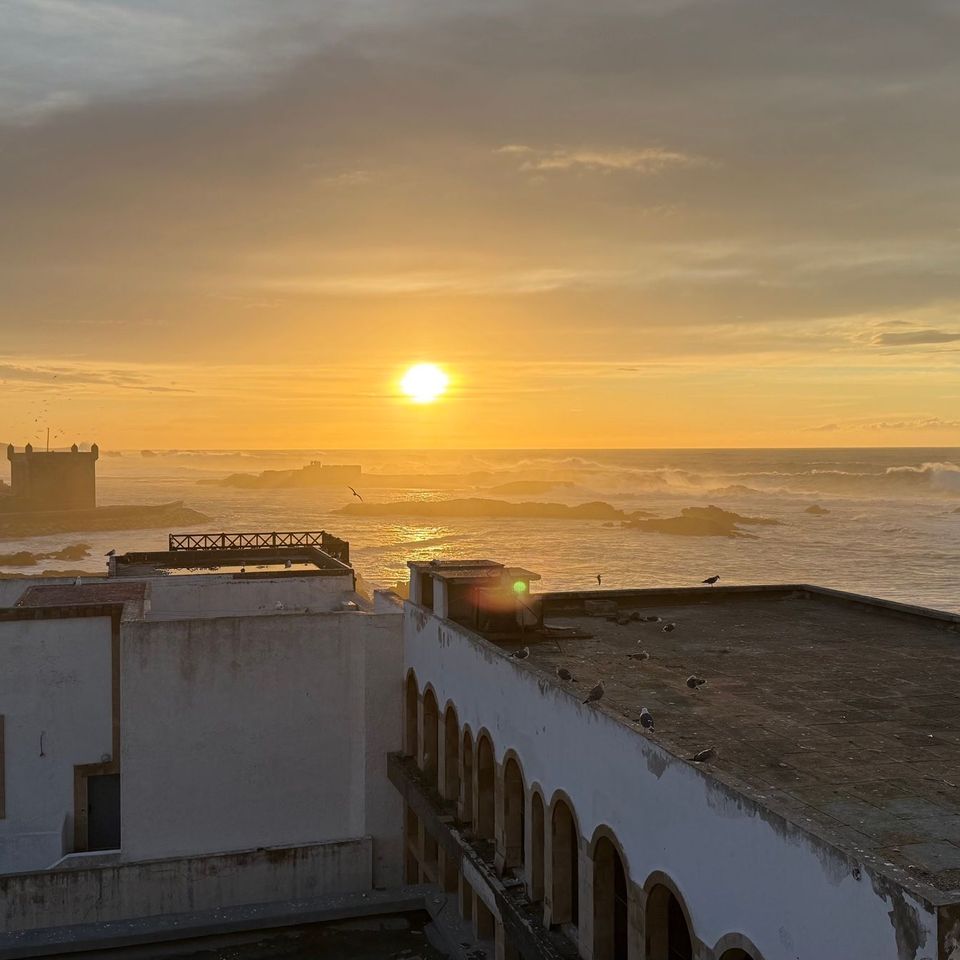
Long before the town, there was the island. Facing the bay, the largest of the Purple Isles (Îles Purpuraires), Mogador Island, is one of the most important archaeological sites on Morocco's Atlantic coast. Excavations have revealed human presence from Neolithic times, then a Phoenician trading post active from the 7th century BC, with pottery, amphorae and kilns all unearthed. The name Mogador itself is thought to come from the Phoenician migdol, “small fortress”, which became Amogdoul in Berber, also the name of the town's patron saint, Sidi Mogdoul.
Around the turn of the Common Era, Juba II, king of Mauretania, set up a purple-dye works here. Murex shells gathered from the rocks yielded a violet dye so costly that it was reserved for the clothes of Rome's elite. The islands have kept the name ever since. Today the archipelago is a nature reserve, home in particular to Eleonora's falcon, and landing is forbidden without official permission.
The Portuguese Castelo Real
In the early 16th century the Portuguese were building strongholds all along the Atlantic coast. In 1506, on the orders of King Manuel I, they raised a small fort facing the island, the Castelo Real. The occupation was short-lived: in 1510 local resistance, led notably by the Regraga tribes, drove them out. From then on the site appeared on sea charts as Mogador. A memorial stone has marked the forgotten fort since 2014.
1764: a new town for a sultan
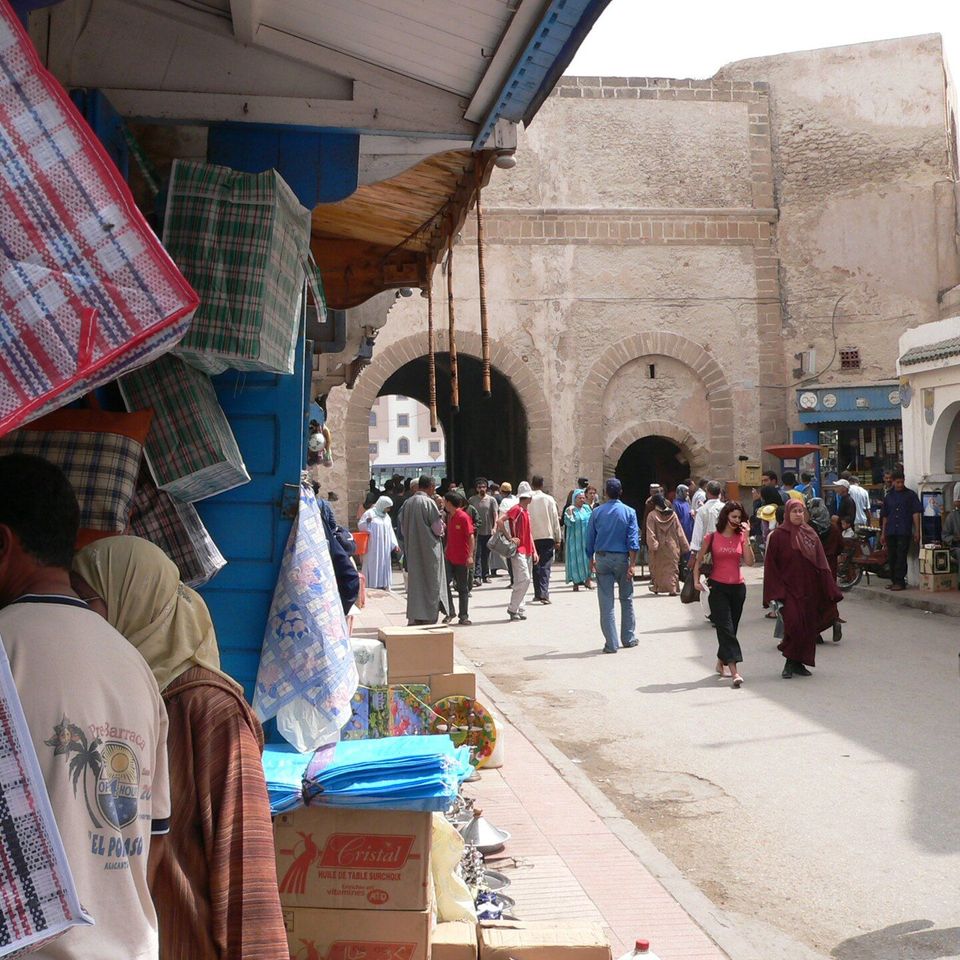
Essaouira as we know it was born in the 18th century. The Alaouite sultan Sidi Mohammed Ben Abdallah (Mohammed III) wanted a safe, easily controlled port to channel trade with Europe and to rival Agadir, a southern port seen as too independent. He launched the project in 1760, and 1764 is taken as the founding date. To design the town he called on Théodore Cornut, a French engineer, who drew up a fortified city in the style of Vauban, with a regular grid plan, a kasbah, straight streets and bastions. Cornut left Morocco as early as 1767, but his plan, completed by other architects and builders, gave the medina its distinctive look.
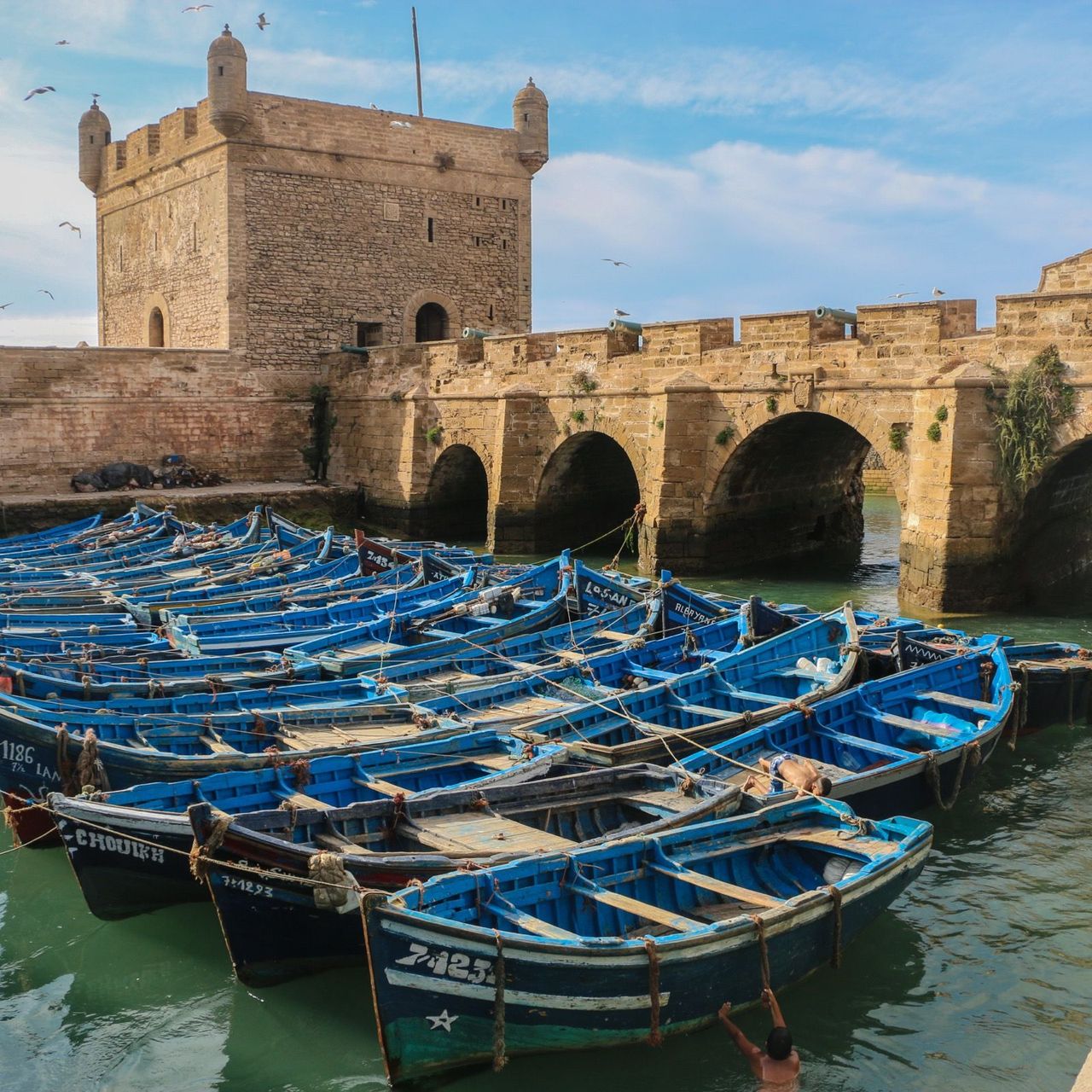
The town's most photographed landmarks date from this period: the Skala de la Kasbah and its cannons, the Skala du Port and the Sea Gate, Bab Marrakech and Bab Doukkala. On the walls, the Kufic inscription “Barakat Mohamed”, a blessing commissioned by the sultan, serves as the town's seal.
A town populated by decree
To fill his new town, the sultan brought in soldiers, craftsmen, merchants and tribes from all over the kingdom. Street names still tell the story: Rue d'Agadir for soldiers from the south, the Bani Antar quarter, Derb Laâlouj for European renegades, the Chbanat quarter. Leading Jewish families, the “sultan's merchants”, settled near the harbour; read our story on the mellah and Jewish heritage.
The “Port of Timbuktu”
Until the late 19th century Essaouira was Morocco's leading port. Caravans from the Sahara and Timbuktu reached Marrakech and then the coast, which earned it the nickname “Port of Timbuktu”. European trading houses and consulates settled in the kasbah. On 16 August 1844, during the Franco-Moroccan War, the French fleet under the Prince de Joinville bombarded the town and briefly occupied it. Decline set in as other ports grew, and continued under the French Protectorate (1912-1956), which favoured Casablanca. Europeans kept calling it Mogador for decades, until the name Essaouira (“the little enclosure”) took over after independence.
From sleepy town to World Heritage Site
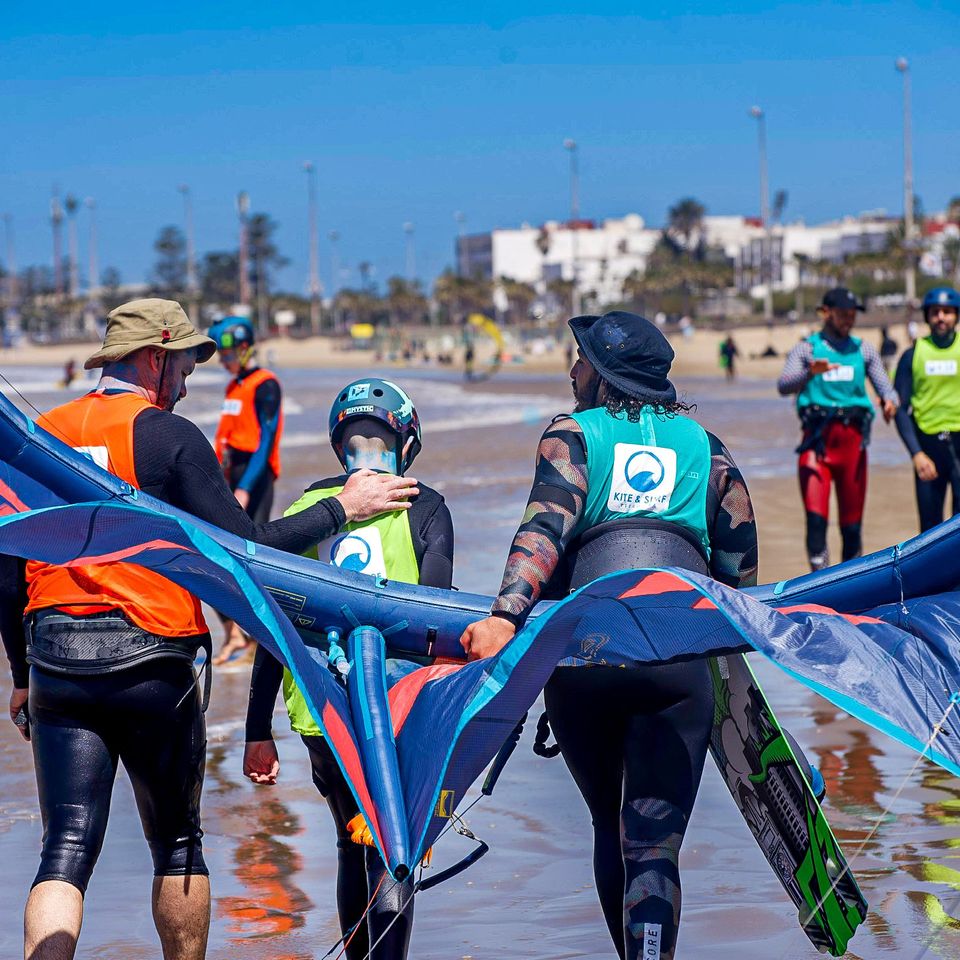
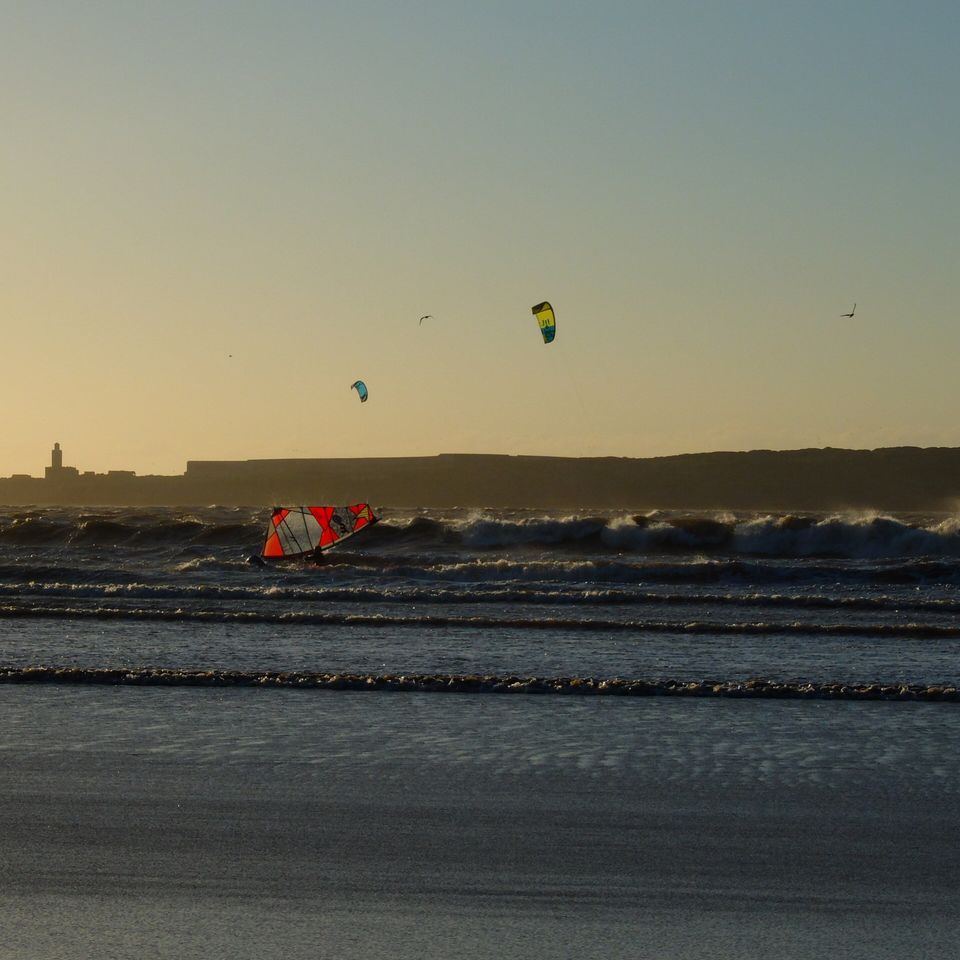
Left on the sidelines of development, Essaouira kept its historic fabric intact. In the late 1960s the hippie wave put it back on the map, before the self-taught painters, the Gnaoua Festival, launched in the late 1990s, and the wind that draws surfers and kitesurfers turned it into a destination in its own right. In 2001 UNESCO inscribed the Medina of Essaouira (formerly Mogador) on the World Heritage List as an outstanding example of a late-18th-century fortified seaport built on the principles of European military architecture in North Africa.
Since 2019 a major restoration programme has repaired ramparts, alleys and houses at risk of collapse. The town now has nearly 83,000 inhabitants, according to the 2024 census.
Practical information
- Travel back in time: the Skala de la Kasbah, the harbour and Bayt Dakira. The Sidi Mohammed Ben Abdallah Museum, devoted to the town's history, is closed for renovation with no reopening date announced.
- Beyond the walls: the ruins of Dar Soltane, the founding sultan's summer palace near Diabat, and Borj El Berod on the beach.
- Good to know: the Purple Isles are best admired from the beach, the harbour or on a boat trip around them, without landing. See more arts and culture stories.