The Regraga, bearers of baraka
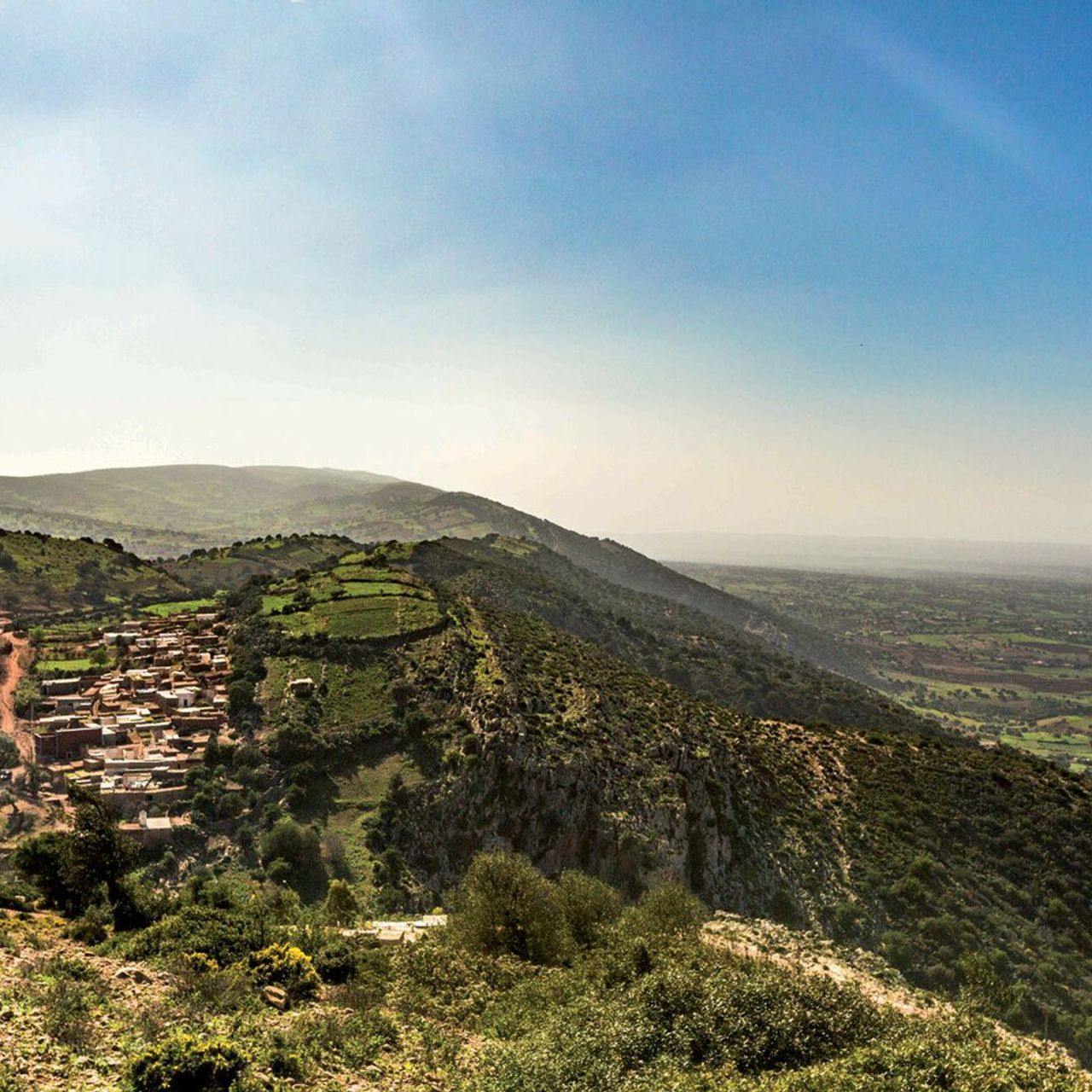
The Regraga are a Berber tribe belonging to the great Masmouda confederation, originally from Jbel Hadid, the “iron mountain” overlooking the plain north-east of Essaouira. Along with the Chiadma and the Haha, they are among the peoples who shaped the region. Their name evokes men imbued with baraka, the blessing and beneficial power attributed to saints.
Their founding legend tells how seven of the tribe's notables travelled to Medina in the Prophet's lifetime, spoke with him in Berber and came home with a mission to bring Islam to their land. Historians treat the story with caution, but it underpins the prestige of the seven Regraga saints, whose tombs dot the countryside. Tradition also casts them as defenders of the coast: in 1510, local resistance led notably by the Regraga drove the Portuguese out of the Castelo Real, the small fort they had built facing Mogador Island.
The daour, the Regraga moussem's circular pilgrimage
The Regraga moussem is unusual in more than one way. Most Moroccan moussems follow the Islamic lunar calendar and take place in a single spot. The daour (“the tour”) is nomadic and follows the solar calendar: it traditionally opens with the arrival of spring and lasts around forty days. Stage by stage, pilgrims visit up to 44 shrines over some 460 kilometres, from the mouth of the Tensift river south of Safi to the foothills of the High Atlas.
In recent years the opening ceremony has been held at the zaouia of Sidi M'hamed Ben Hmida, about 60 kilometres from Essaouira, and the tour has ended in the commune of Had Draa, around 30 kilometres from town, where, as the saying goes, “the Regraga tent comes down”. The route unfolds in two main phases: the first in the heart of the Chiadma coastal plain, the second further east. In 2026 the daour ran from 2 April to 10 May, and the closing moussem at Had Draa took place on 8, 9 and 10 May.
This final gathering, on the road to Marrakech, blends religious fervour with a country fair: the chorfas arrive in procession, a large souk opens at dawn with a livestock market, crafts and farm produce, there are fairground rides and music, and above all afternoons of tbourida, the fantasia, in which teams of horsemen compete for elegance and perfectly synchronised musket volleys.
The choice of the solar calendar is no accident. The daour follows the farming year: it accompanies the renewal of spring, between sowing time and the harvest. The pilgrims' baraka is believed to protect the sowing, secure the harvest and heal the sick. The moussem thus blends devotion to the saints, the memory of the region's conversion to Islam and older customs tied to the land and the seasons.
Taïfa and Khaïma, the two processions
The daour brings together thirteen rural zaouias divided into two groups:
- the Taïfa, a procession led by a moqaddem riding a white horse, known for its independence;
- the Khaïma, named after the sacred tent of dwarf-palm fibre dyed with henna, pitched beside each shrine as a symbol of the brotherhood's unity.
Prayers, offerings and a souk at every stop
The arrival of the Regraga in a village is a big occasion. Locals hurry over with offerings and food and entrust the pilgrims with their vows (niyya): a good harvest, a relative's recovery, the birth of a child. People pray around the shrine, share meals under the tents, and a souk often springs up around the camp. Regional songs such as the aïta of the Chiadma celebrate Jbel Hadid and the deeds of its saints.
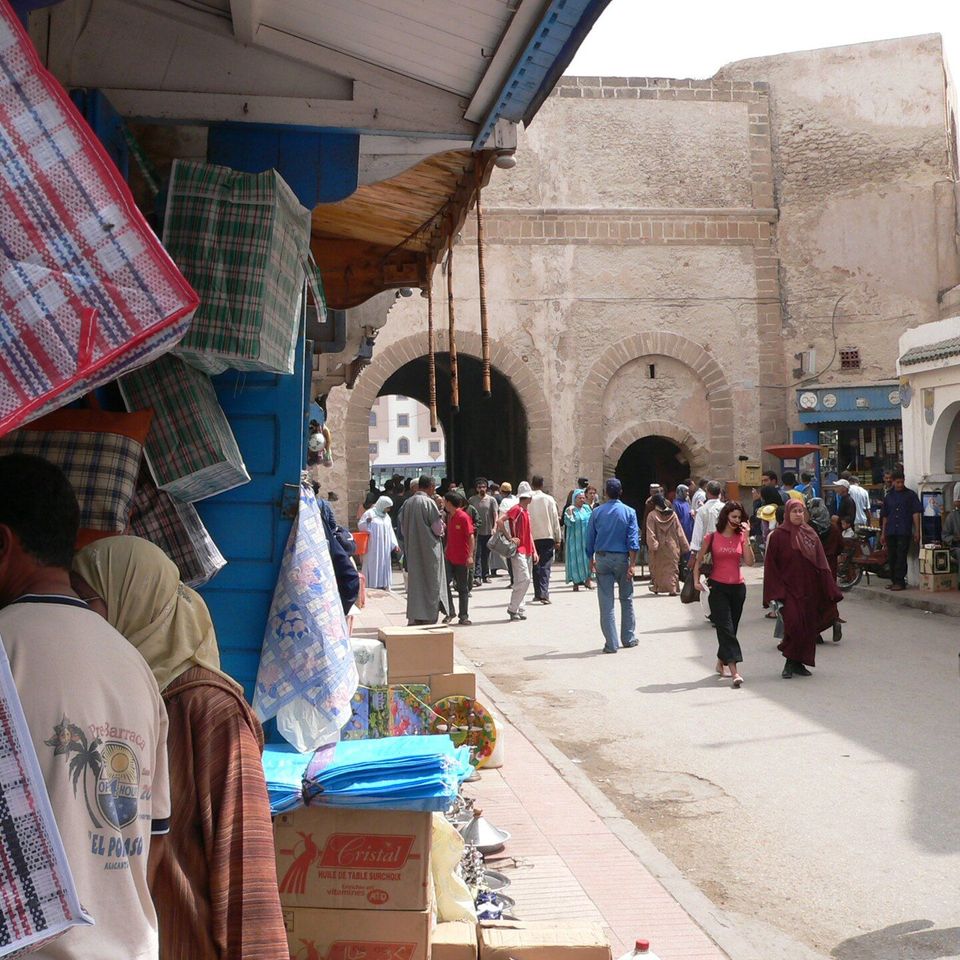
The passage through Essaouira remains a highlight. According to local tradition, the Regraga enter the town through Bab Doukkala to ululations and offerings before moving on. In some years the moussem is also the occasion for a royal donation to needy families in the province.
A living but fragile heritage
Like many rural traditions, the daour has had to adapt. It was suspended in 2020 because of the pandemic, then resumed. To raise its profile, a first “Printemps des Regraga” (Regraga Spring) was held in Essaouira on 29 and 30 April 2025, where researchers and local stakeholders discussed how to document it and how to develop respectful tourism that shares the moussem without diluting its spiritual meaning. Its advocates see it as intangible cultural heritage in the sense of UNESCO's 2003 convention.
For travellers, coming across the procession or a Khaïma pitched beside a shrine on a Chiadma back road is a rare experience. It rounds off any discovery of Gnawa culture and Souiri traditions: see our other arts and culture stories and our things to do ideas around Essaouira.
Practical information
- When: in spring, over about forty days. Dates vary from year to year (in 2026, from 2 April to 10 May) and are announced by the provincial authorities and local press shortly before the opening; the 2027 dates have not yet been published.
- Where: mainly in the Chiadma countryside north and north-east of Essaouira, with a stop in town. The closing moussem at Had Draa, some 30 kilometres away, is the easiest to attend: arrive early and bring cash.
- Etiquette: this is a religious pilgrimage. Dress modestly, be discreet and always ask before taking photos. A local guide makes the encounter easier.