Heritage

What to see in Rabat: 12 must-see sights

Tour Hassan

The must-see sights of Rabat lie within a few kilometres, from the mouth of the Bouregreg to the Almohad ramparts. Listed as a UNESCO World Heritage Site in 2012, the capital layers a Roman city, Almohad and Marinid monuments, an Andalusian medina and a modern town laid out under the Protectorate, to which it has added major museums and a theatre designed by Zaha Hadid. Here are twelve places to visit, on both banks of the river.

Tour Hassan
Tour Hassan
Tour Hassan
Tour Hassan

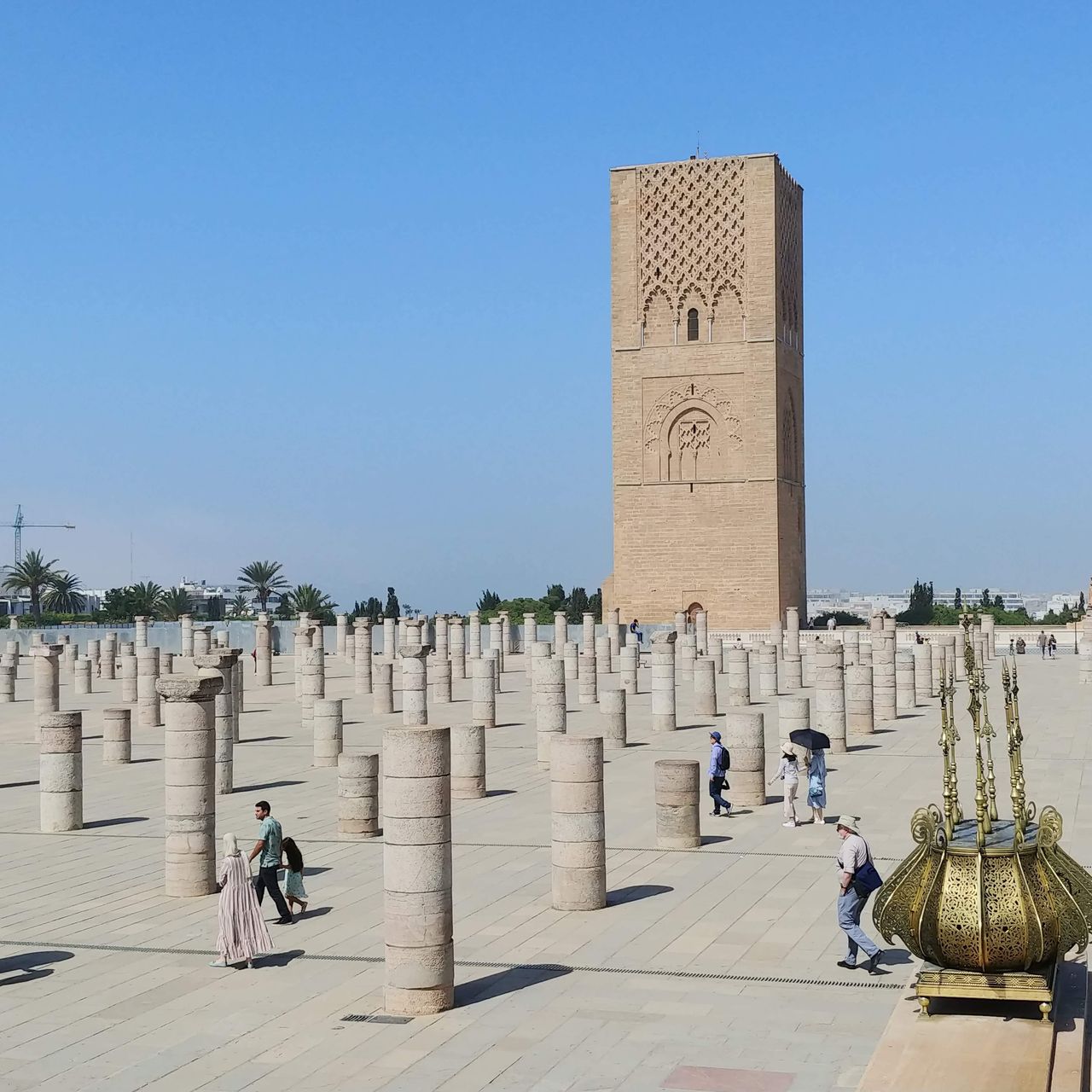
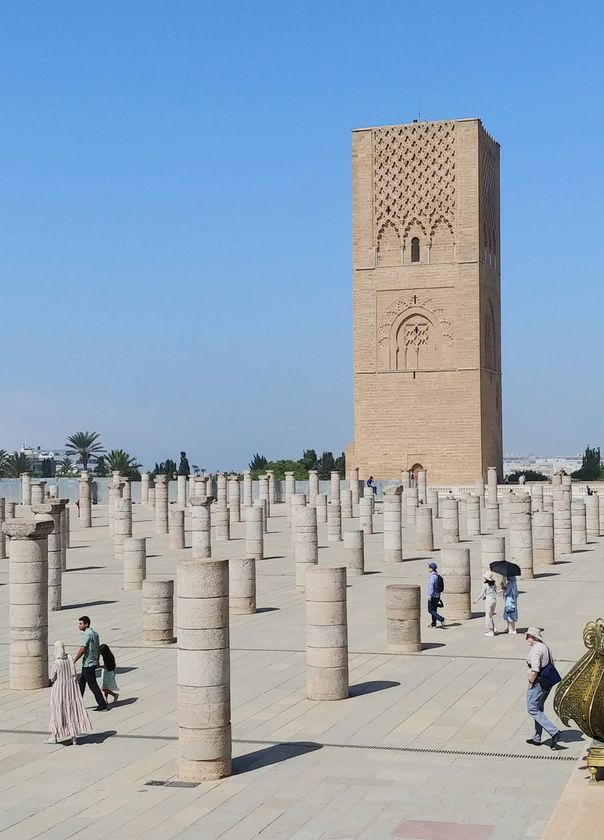
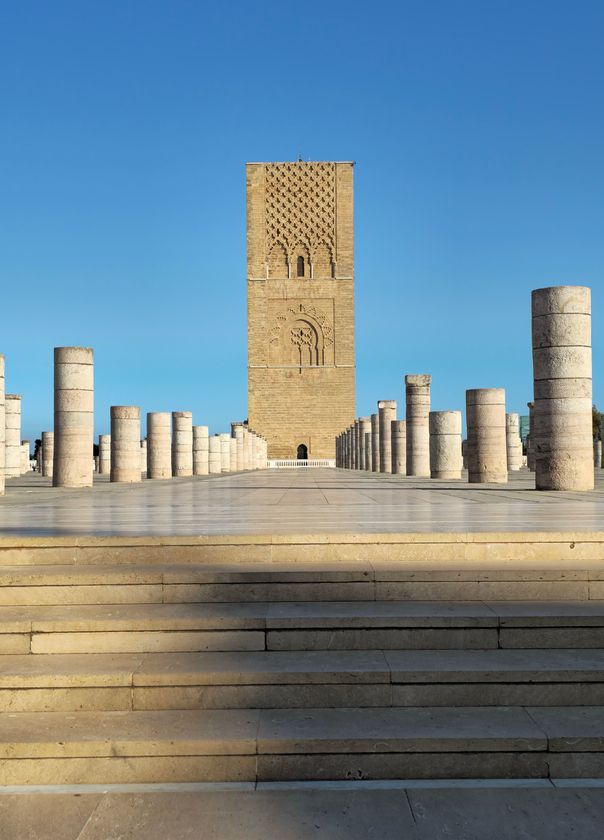
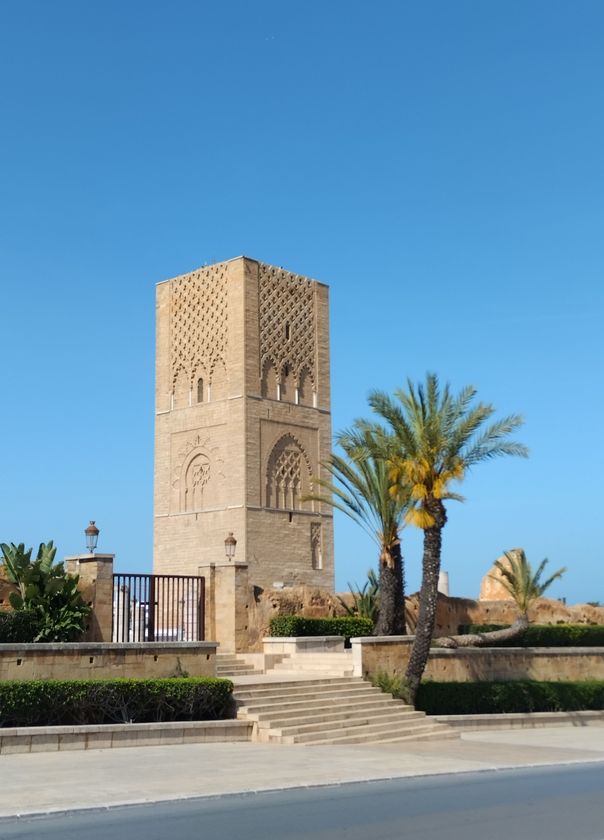
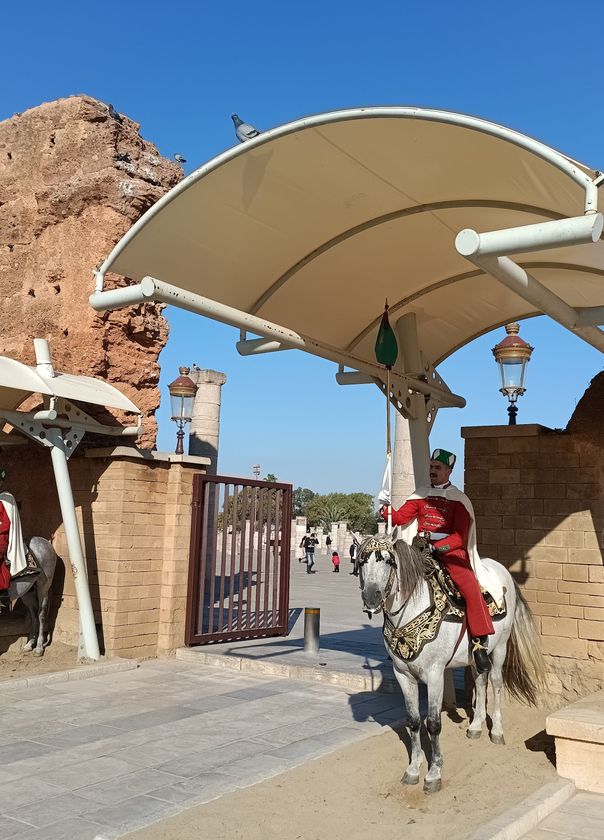
On the esplanade above the mouth of the Bouregreg, Hassan Tower is the minaret of the vast mosque begun in 1196 by the Almohad caliph Yacoub El Mansour and left unfinished when he died in 1199. The red sandstone minaret stands 44.3 m tall, against more than 60 m planned, and each of its four façades has a different pattern. Nearly 200 columns still trace the outline of the prayer hall. Open daily from 9am to 6pm.

Kasbah des Oudayas
Kasbah des Oudayas
Kasbah des Oudayas
Kasbah des Oudayas

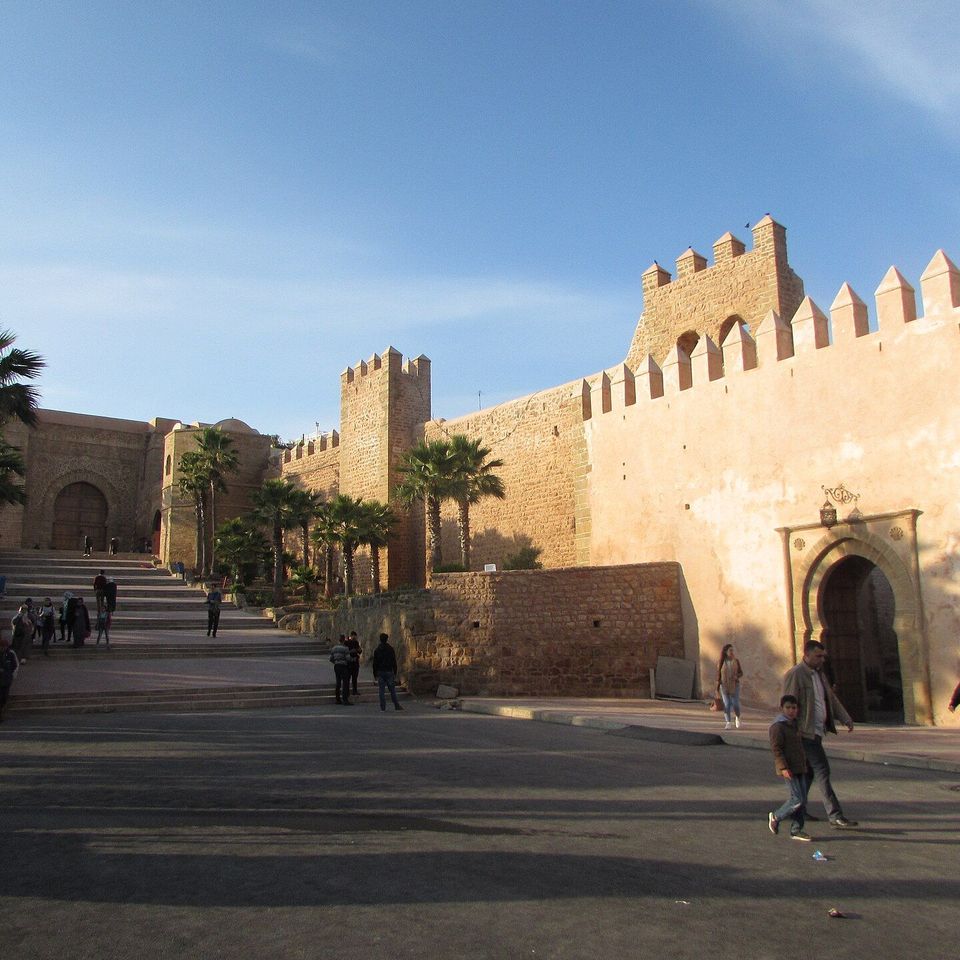
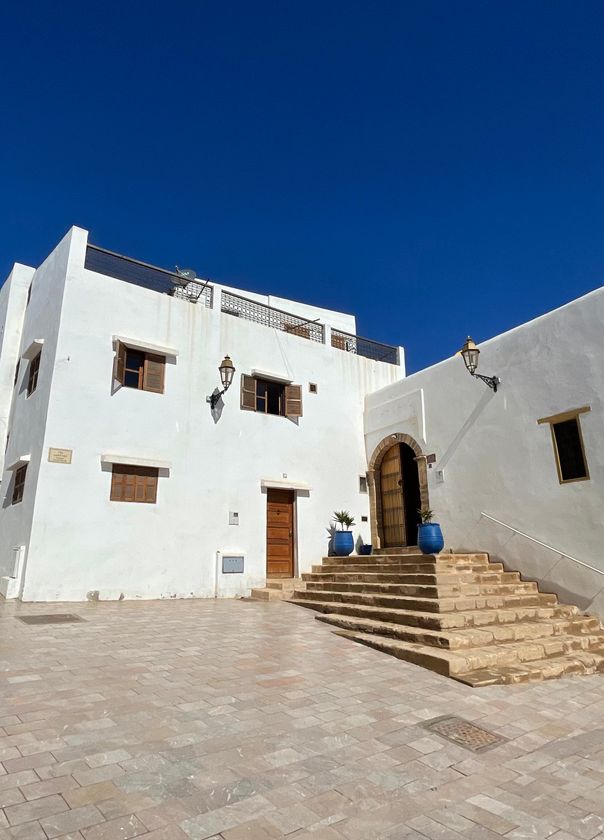
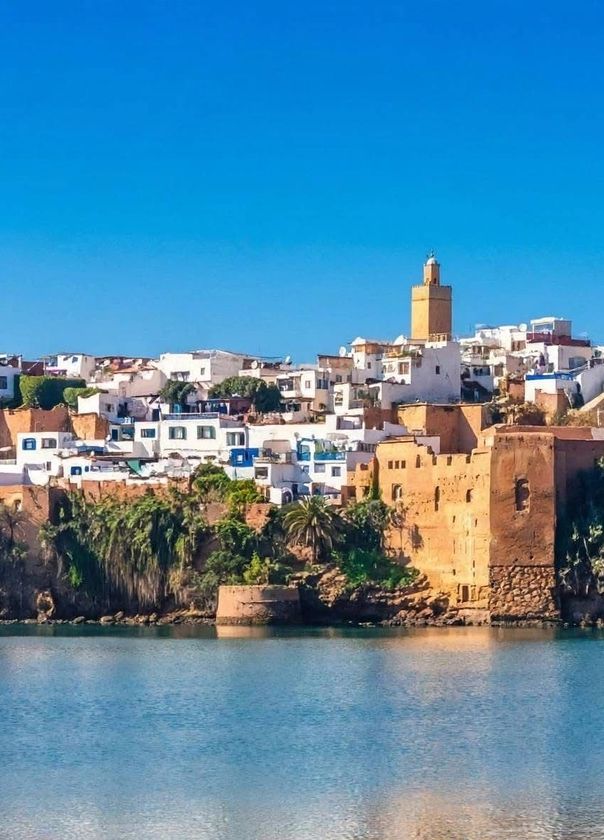
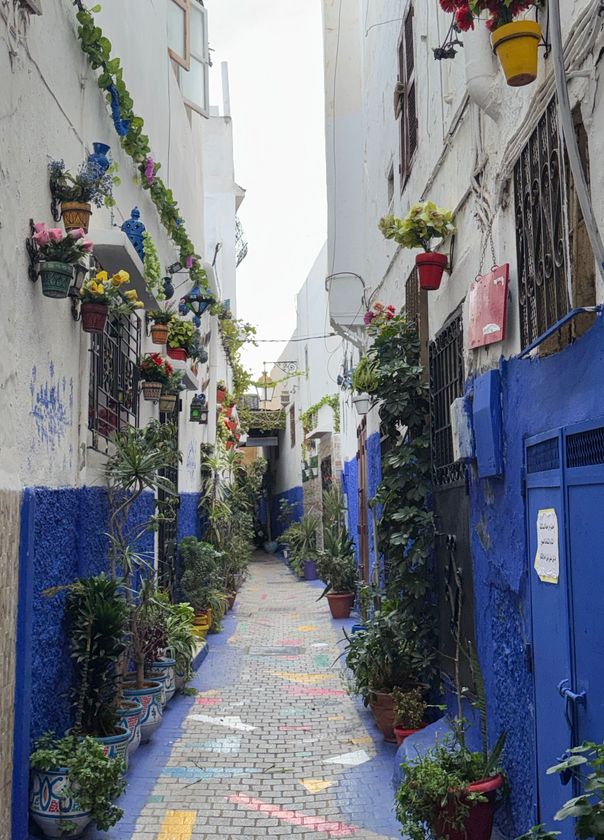
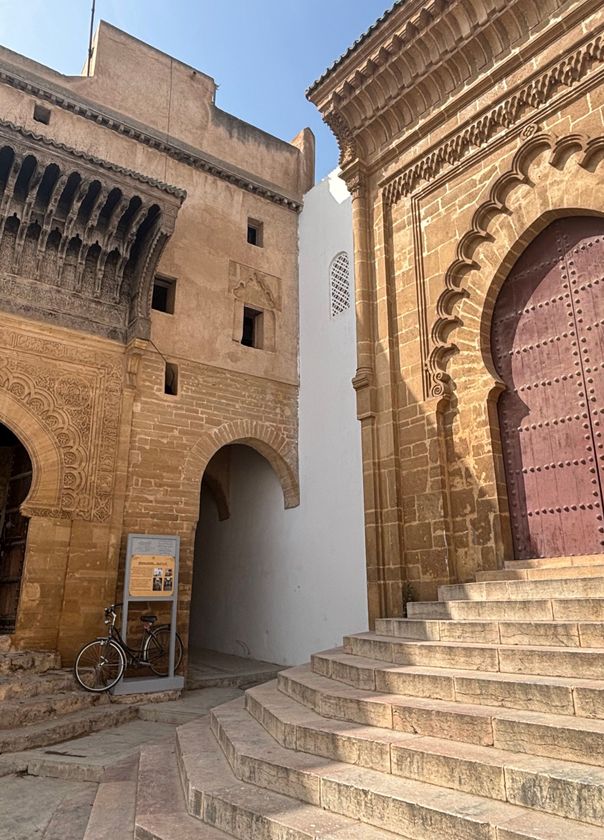
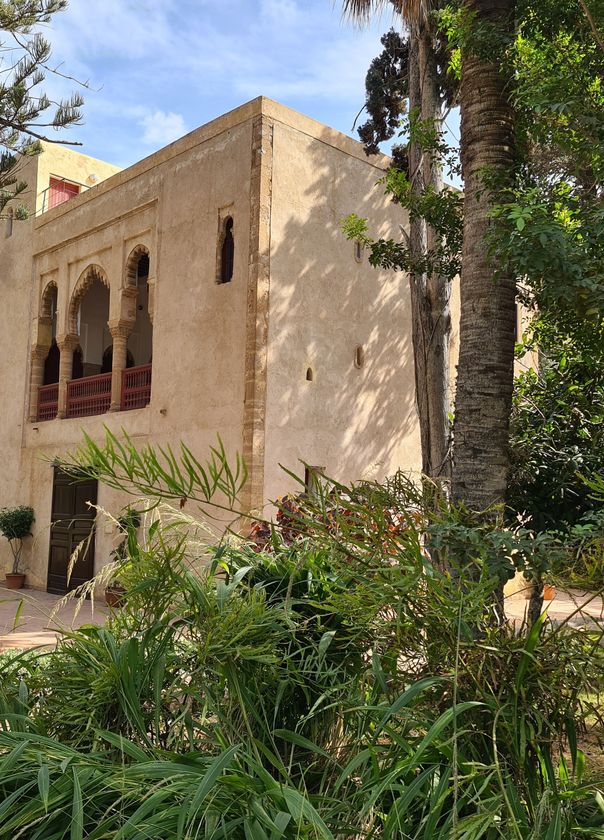
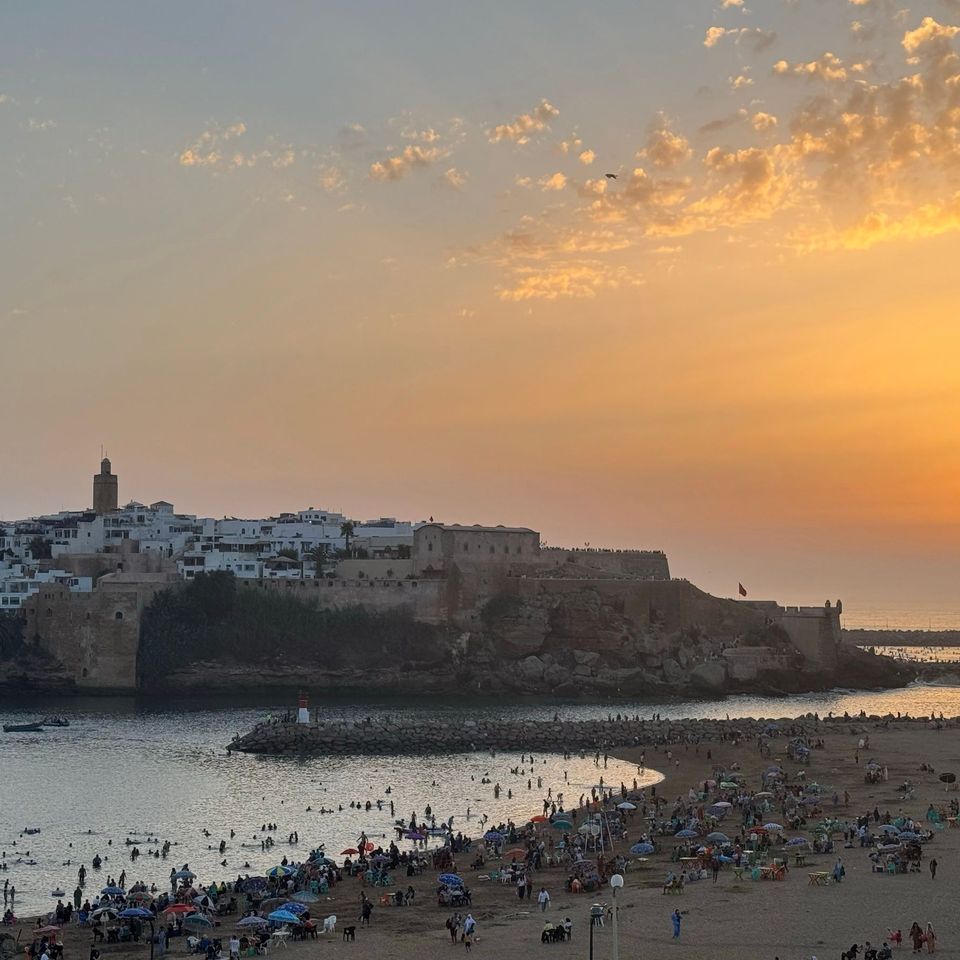
Perched on a headland facing Salé and the ocean, the Kasbah of the Udayas is Rabat’s oldest quarter, founded in the 12th century as a fortified camp. You enter through Bab Oudaya, a monumental gate built around 1195, before wandering whitewashed lanes trimmed with blue. The Andalusian garden, the Moorish café above the river and the National Museum of Adornment, reopened in 2023 in Moulay Ismail’s former palace, round off the visit.

Chellah
Chellah
Chellah
Chellah

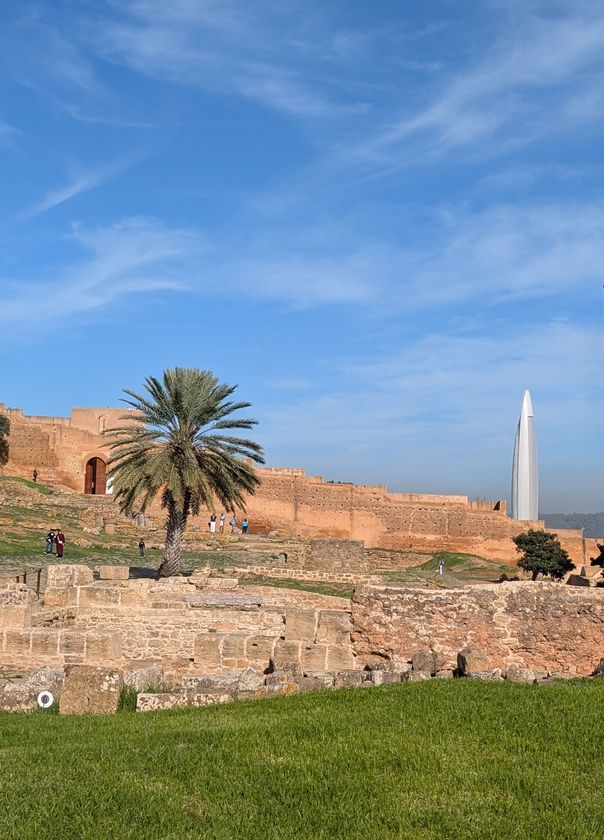
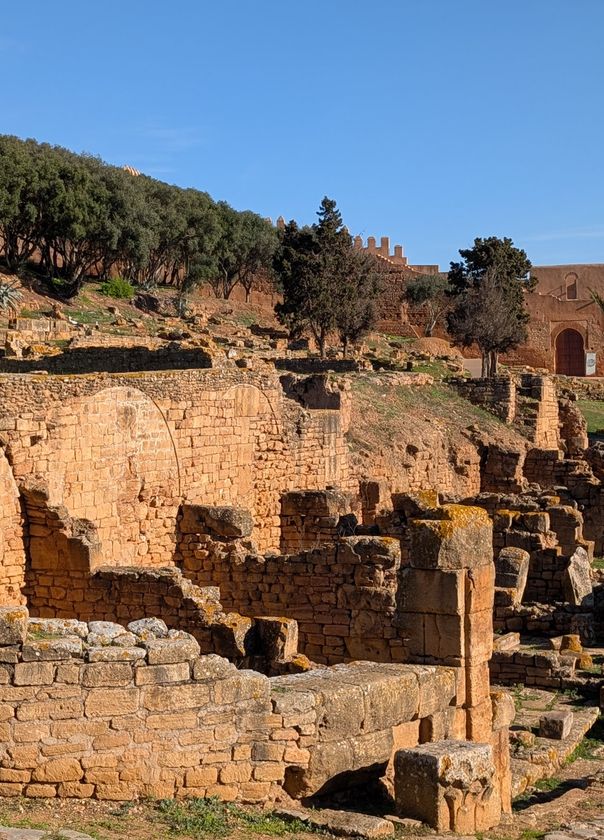
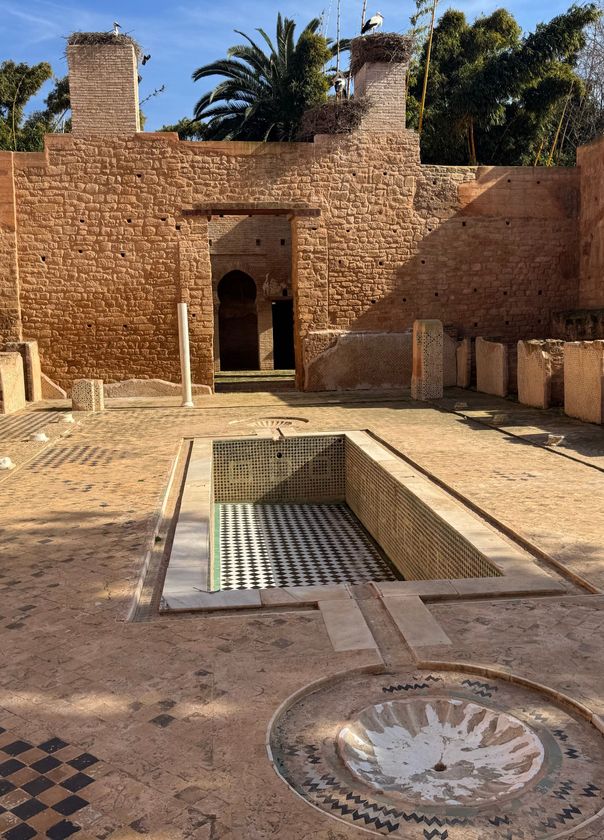
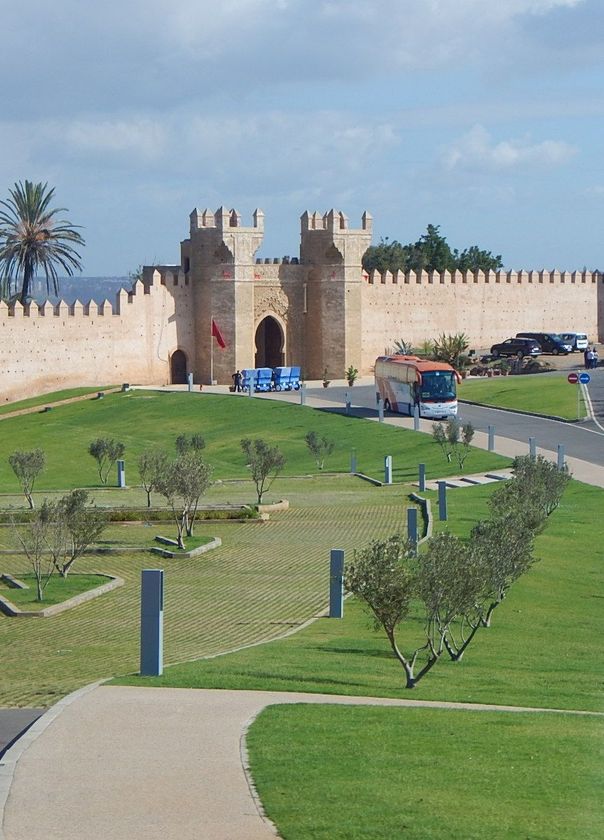
At the edge of the city, above the Bouregreg valley, Chellah layers the remains of the Roman city of Sala Colonia (forum, basilica, fountain, triumphal arch) with the royal Marinid necropolis completed in 1339 under Abu al-Hassan. The zawiya and its zellige-covered minaret stand in a small oasis where storks nest. Restored, the site reopened in May 2024 with an audio-guided route in four languages.

Mausolée Mohammed V
Mausolée Mohammed V
Mausolée Mohammed V
Mausolée Mohammed V

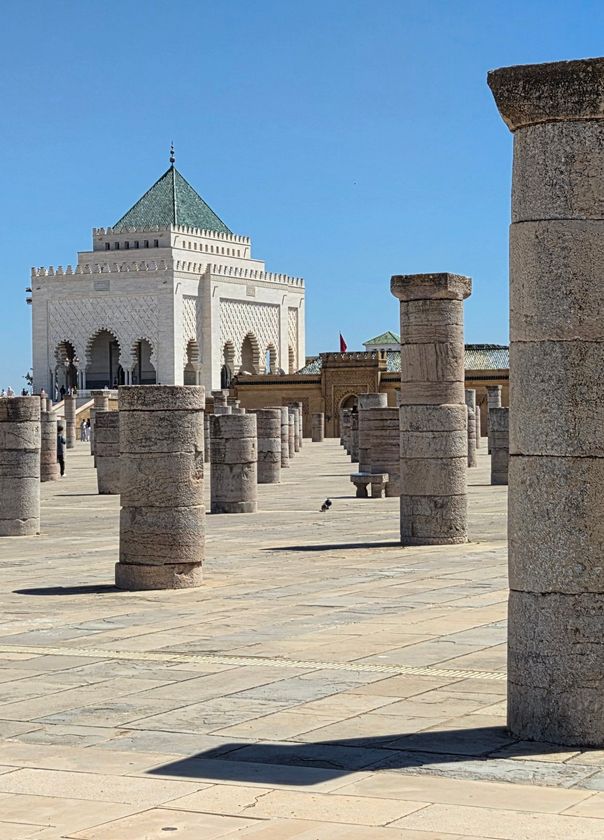
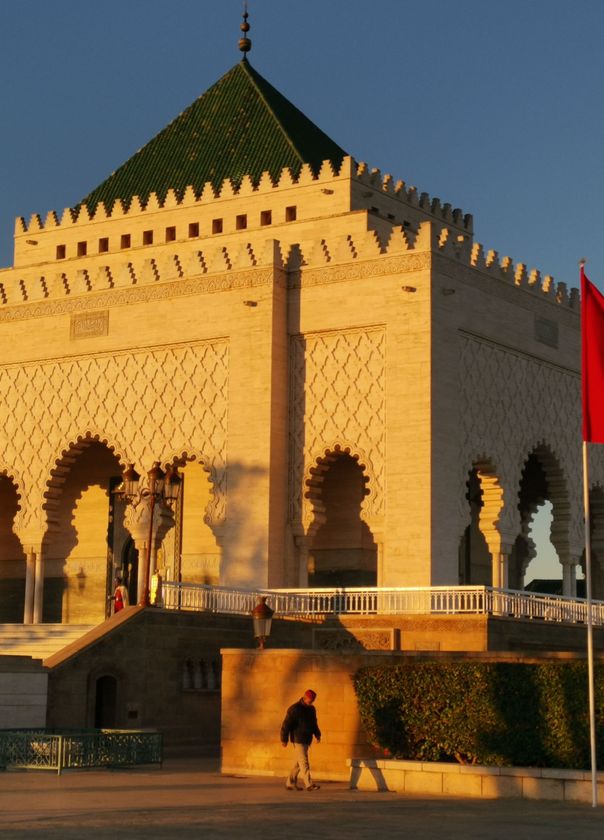
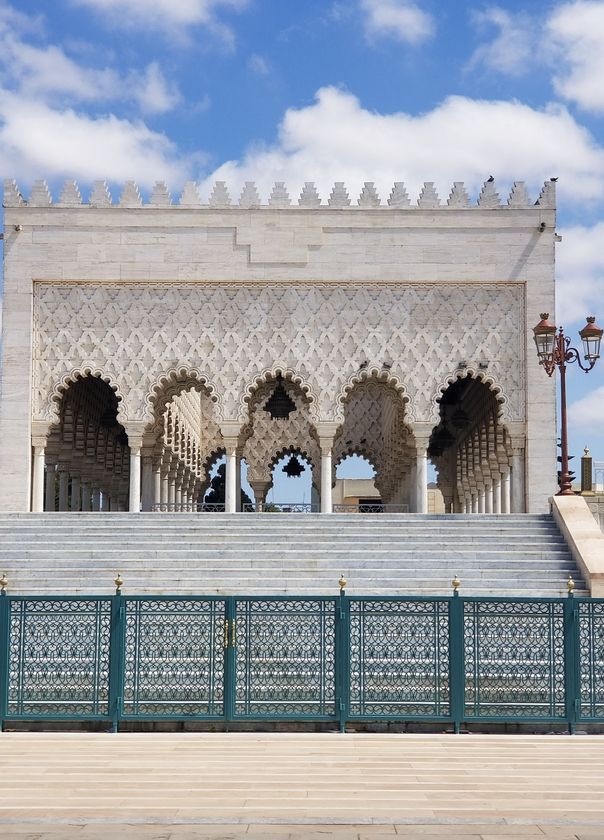
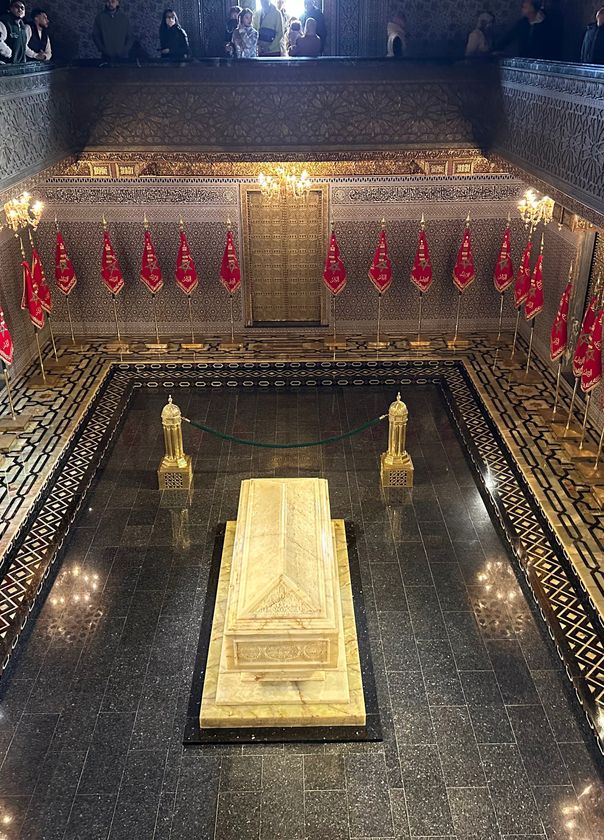
Facing Hassan Tower, on the esplanade where Mohammed V announced Morocco’s independence, the mausoleum holds his tomb and those of King Hassan II and Prince Moulay Abdellah. Built between 1961 and 1971 by architect Eric Vo Toan with some 400 Moroccan craftsmen, it combines white Italian marble, a green-tiled roof and a gilded cedar dome. The white onyx sarcophagus is viewed from a gallery, watched over by the royal guards.

Médina de Rabat
Médina de Rabat
Médina de Rabat
Médina de Rabat

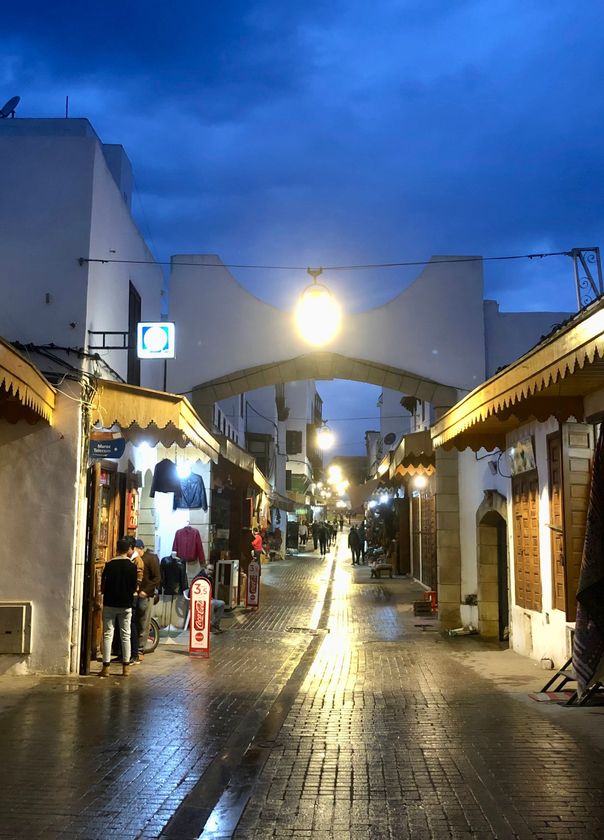
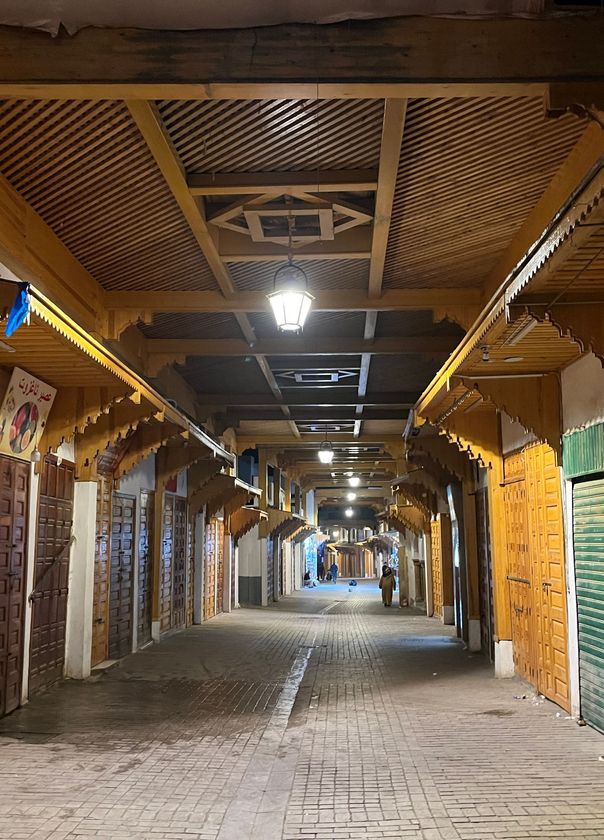
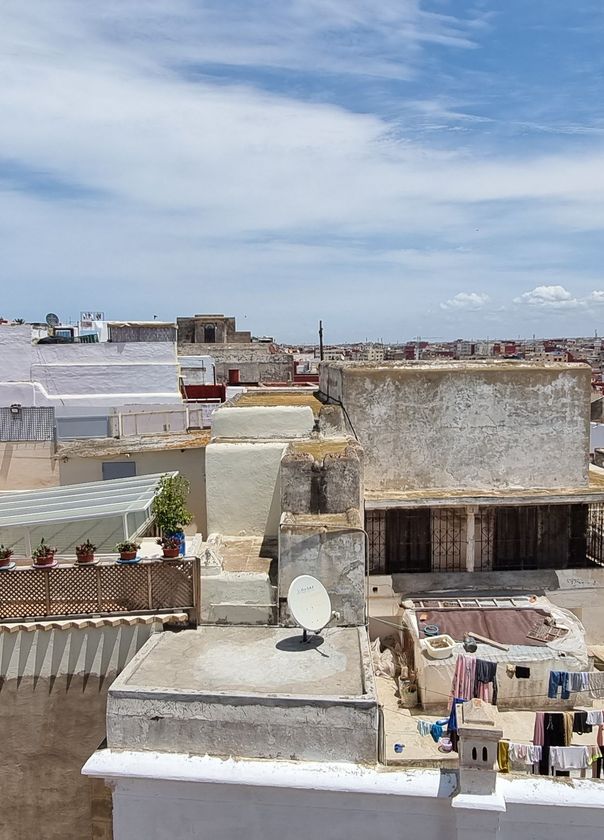
Between the kasbah and the Almohad ramparts, the Rabat medina grew in the 17th century with the arrival of the Moriscos expelled from Spain, who enclosed it with the so-called Andalusian wall. Compact and easy to explore without a guide, it opens through Bab El Had or Bab El Alou, then leads along Rue Souika and its souks, Rue Sidi Fateh and Rue des Consuls, once home to foreign diplomats and now lined with carpets and crafts, all the way to the Udayas.

Musée Mohammed VI d'art moderne et contemporain (MMVI)

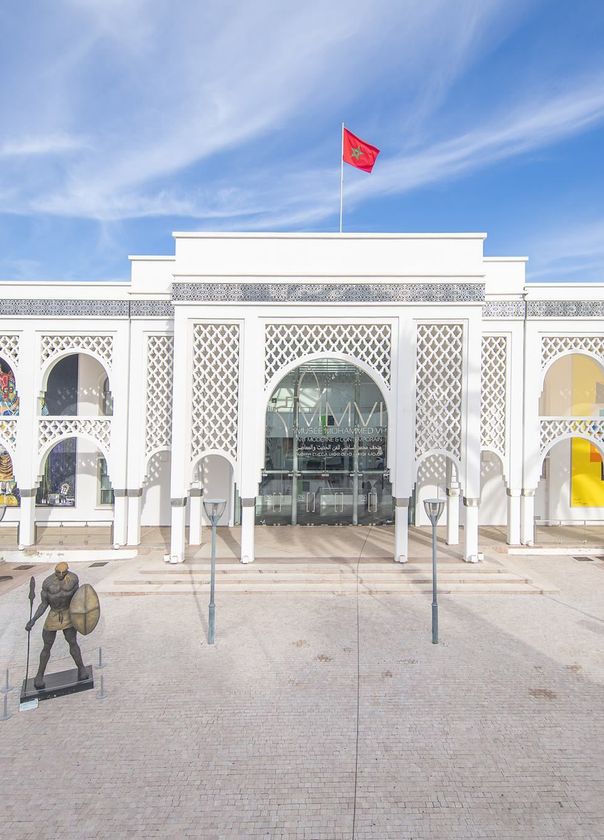
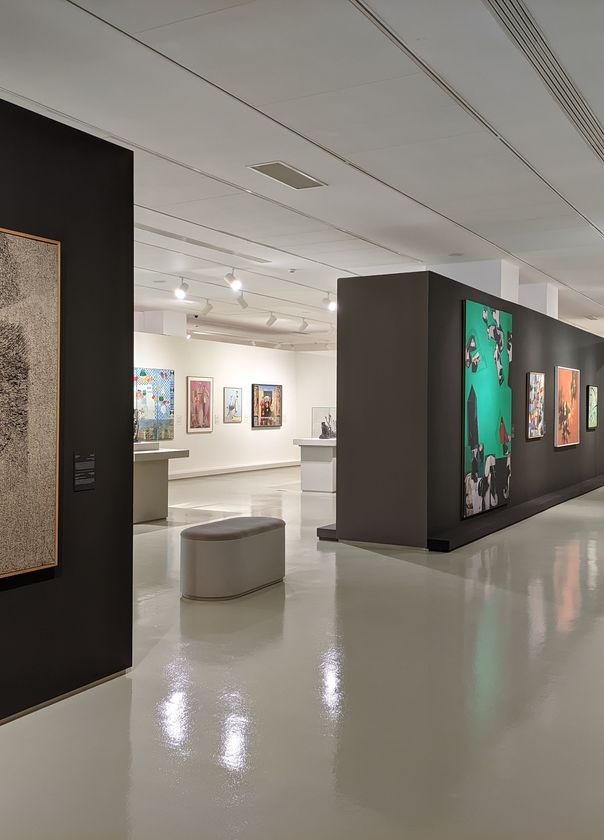
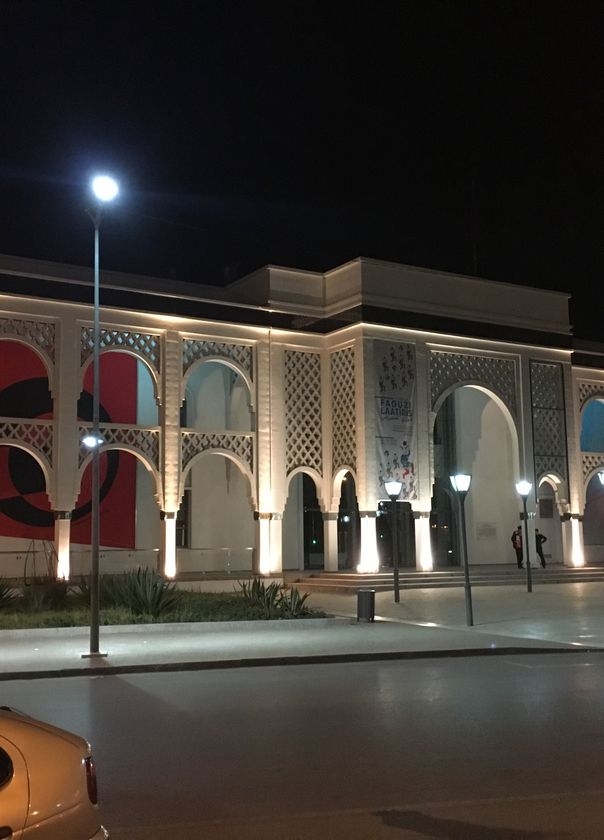
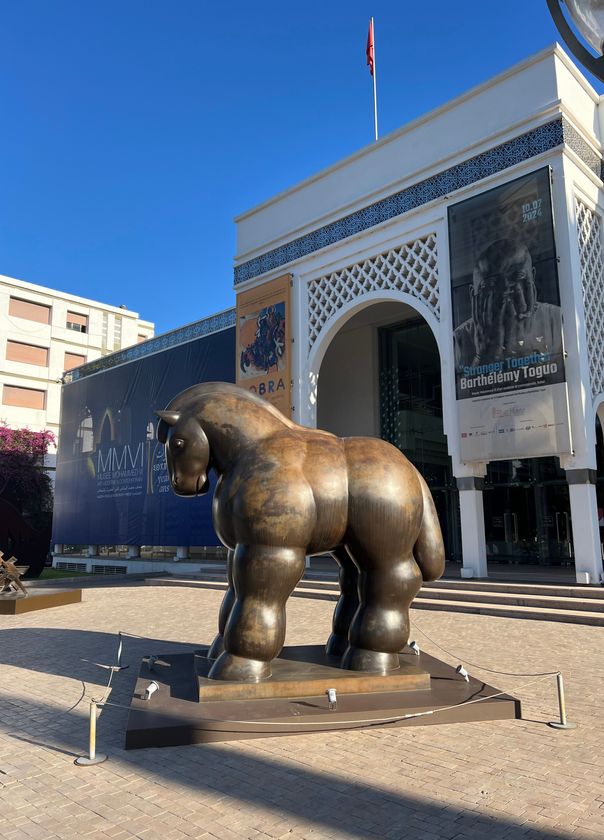
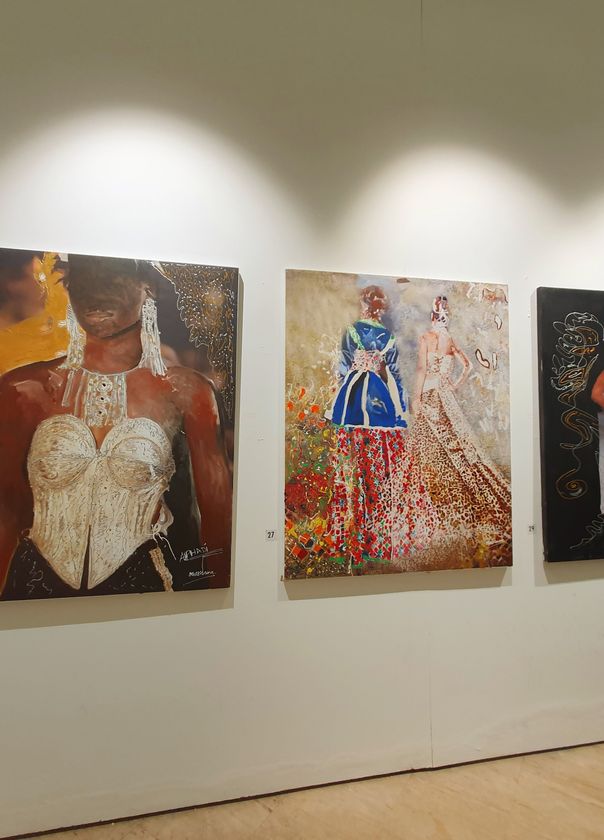
Opened in 2014 in the Hassan district, the Mohammed VI Museum of Modern and Contemporary Art is the first major museum built in Morocco since independence. Its collection brings together the great names of Moroccan painting, from Melehi to Gharbaoui and Belkahia, and its temporary shows have featured Giacometti, Picasso, Goya and Chaïbia Talal. Open 10am to 6pm, closed Tuesday; 30 MAD (60 MAD for foreign visitors).

Théâtre Royal de Rabat (Grand Théâtre)

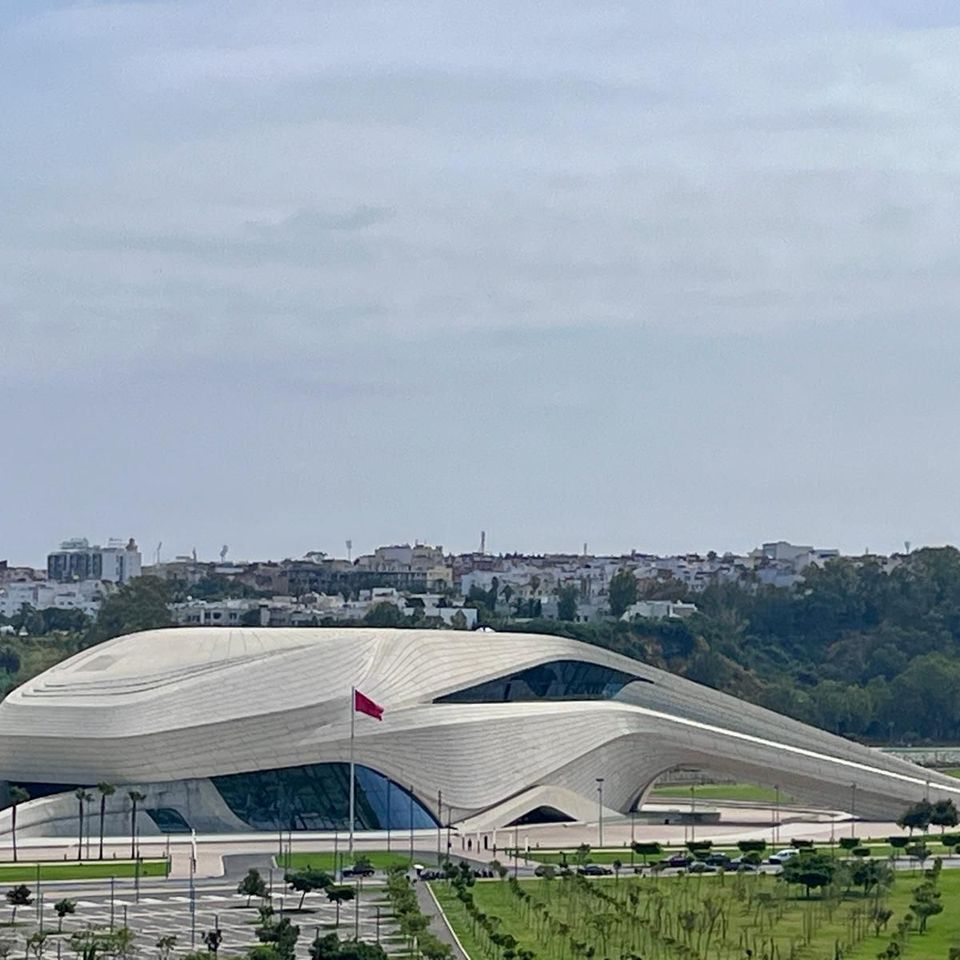
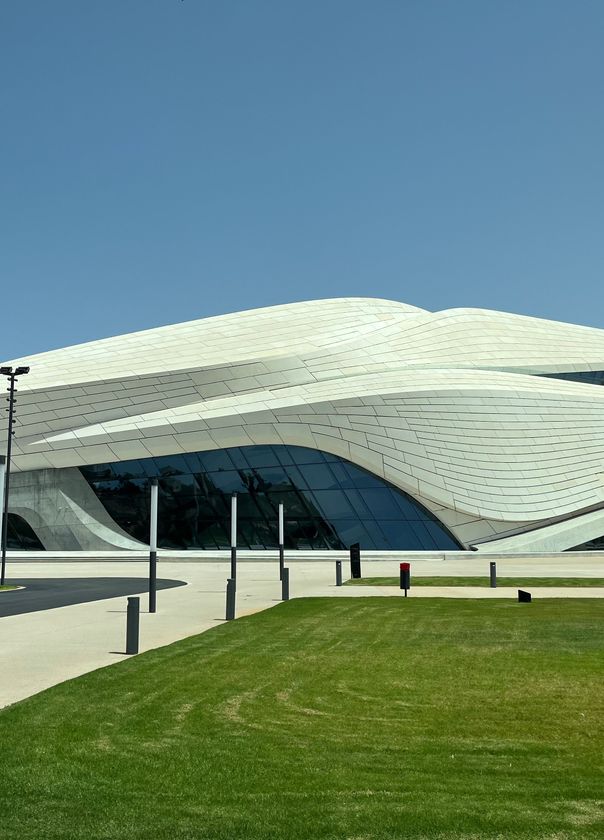
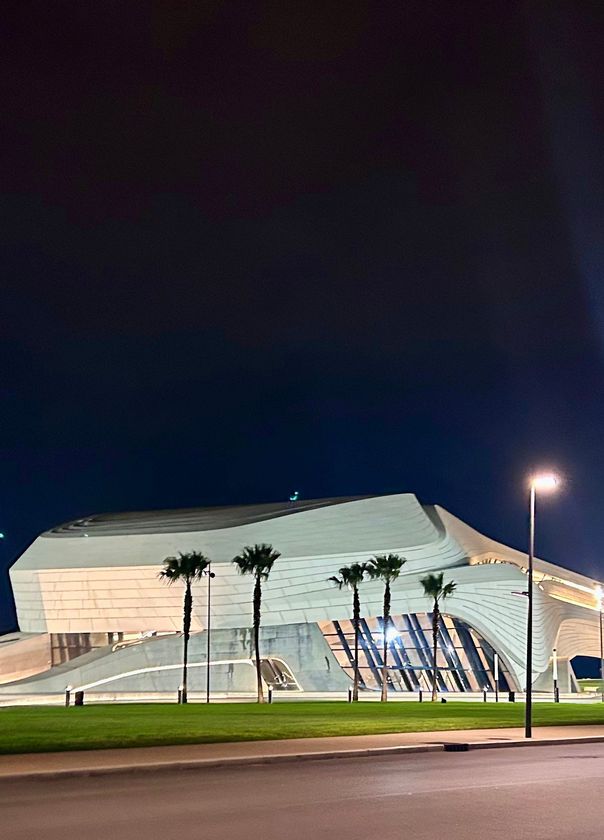
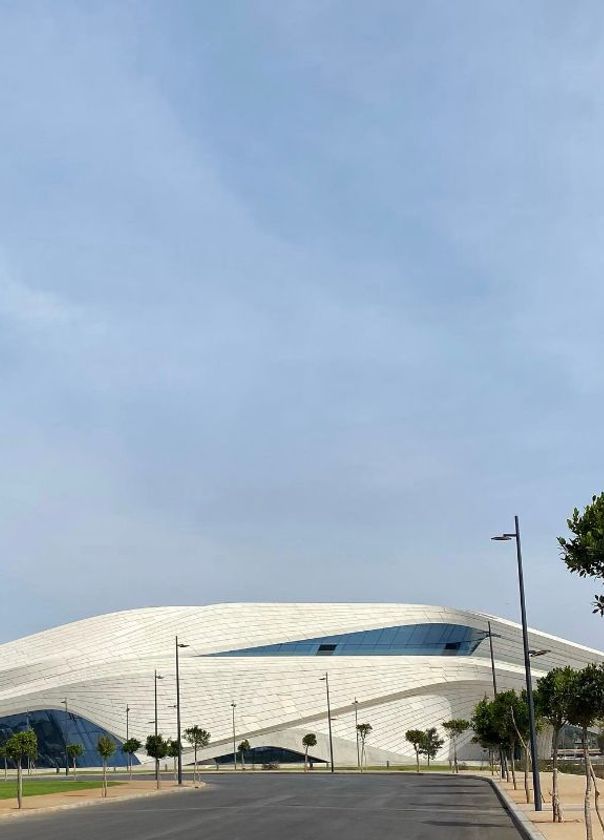
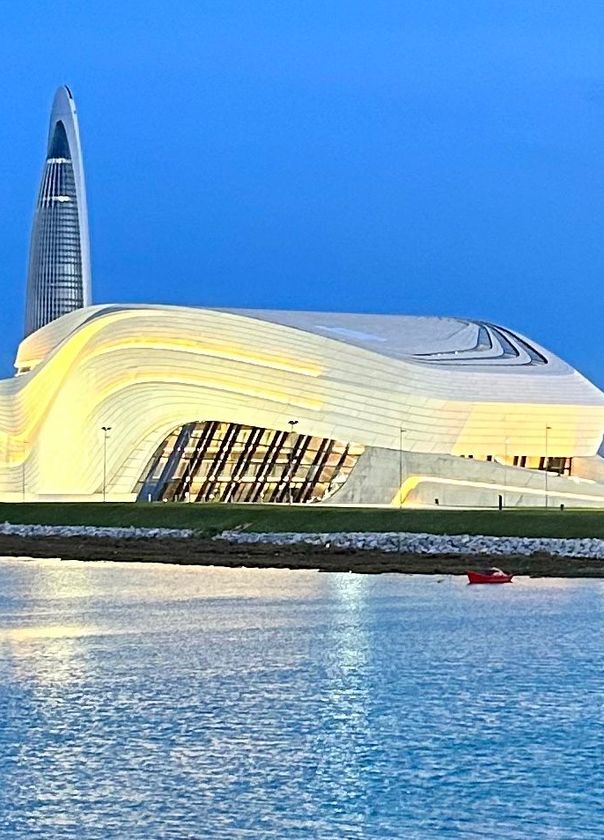
In the Bouregreg valley, below the Hassan esplanade, the Royal Theatre of Rabat spreads the curving white volumes designed by Zaha Hadid’s practice across a 7.1-hectare site. Inaugurated in October 2024, it staged its first public performance in April 2026. A main hall of more than 1,800 seats, a flexible small theatre and an open-air amphitheatre host concerts, dance, theatre and symphonic music.

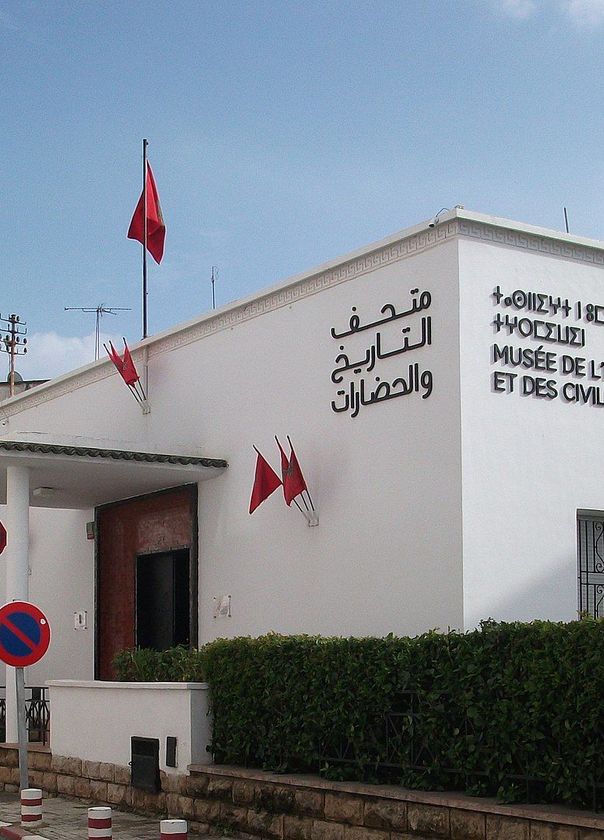
Musée de l'Histoire et des Civilisations

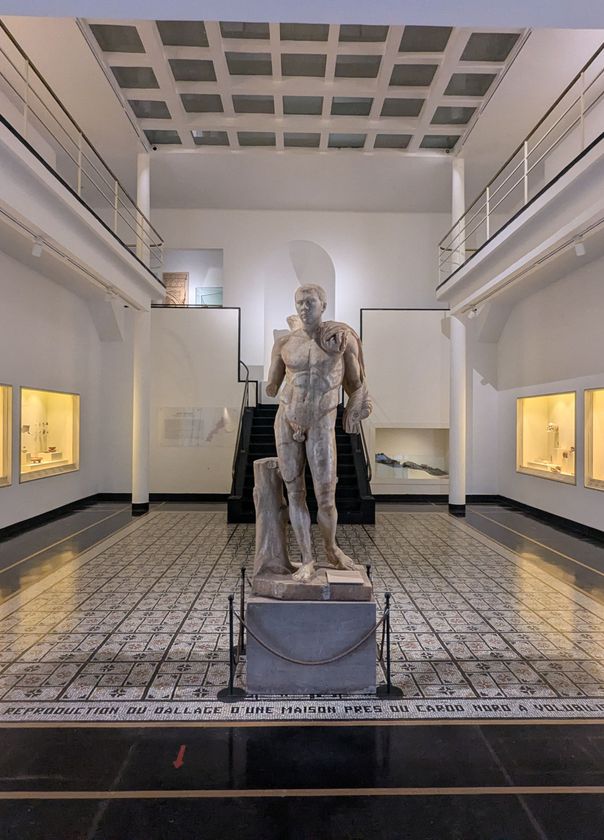
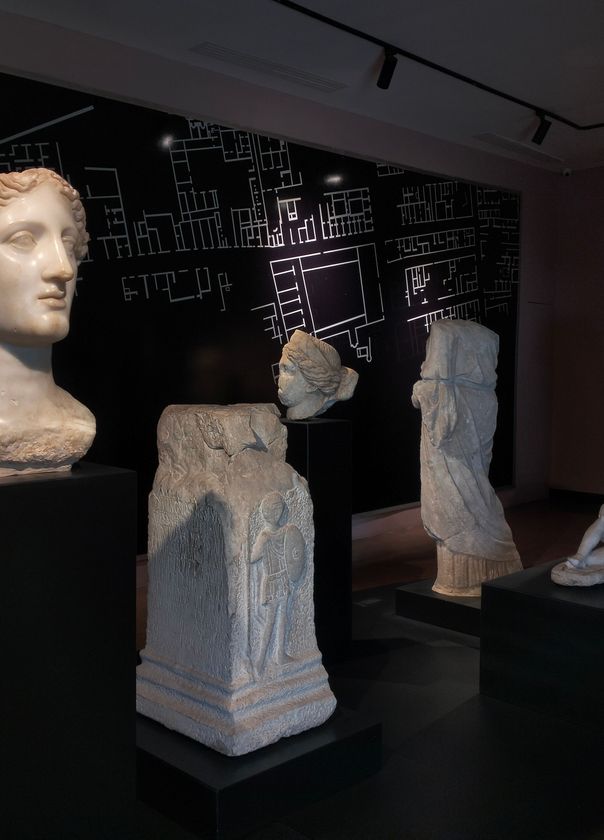
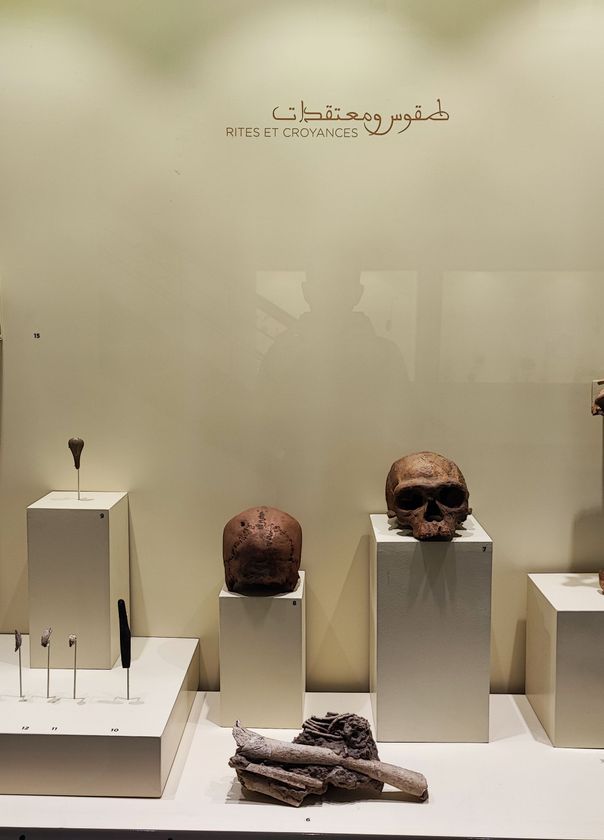
Formerly Rabat’s archaeological museum, reopened in 2017 after renovation, the Museum of History and Civilisations traces Morocco’s story from prehistory to the Islamic dynasties. Its highlights are the ancient bronzes found mainly at Volubilis, including the bust of Juba II and the head of Cato. An open-air patio gathers rock carvings, Libyan and Latin inscriptions and stelae. Rue El Brihi, Hassan district; closed Tuesday.

Bab Rouah
Bab Rouah
Bab Rouah
Bab Rouah

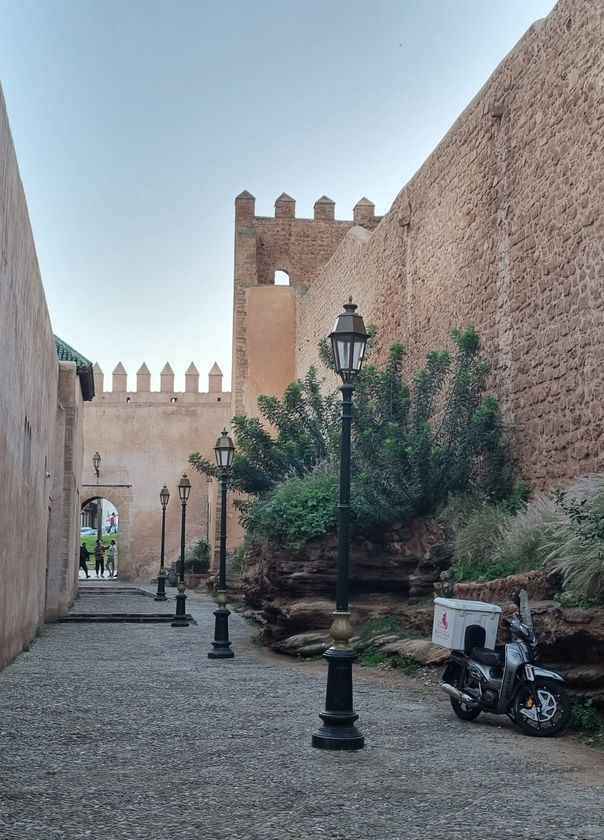
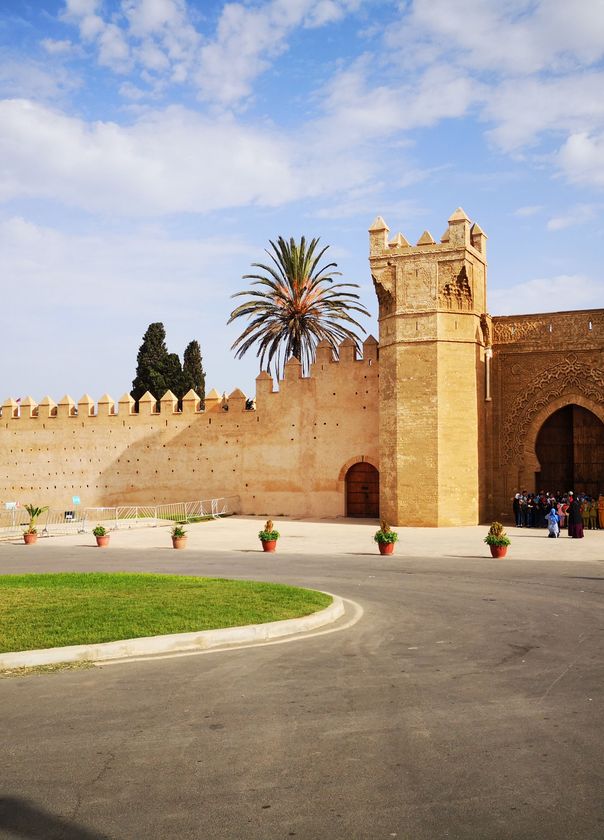
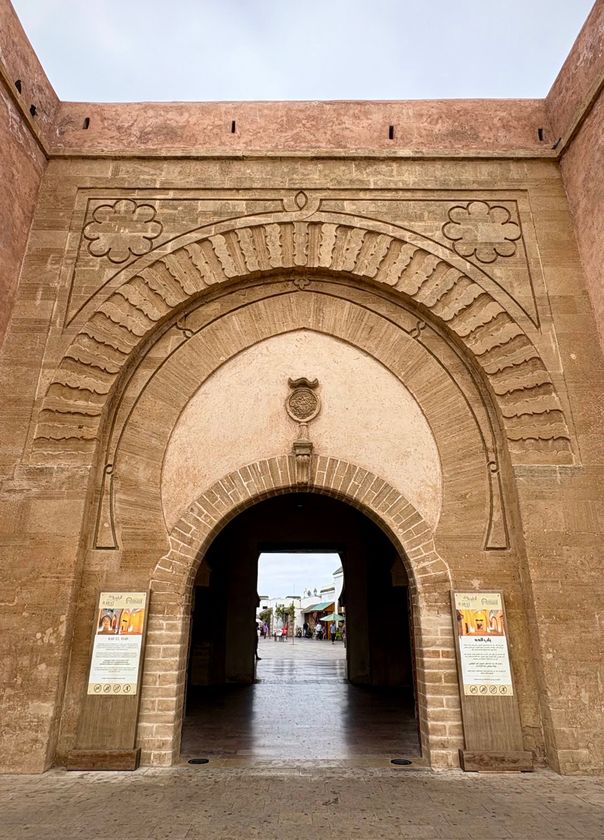
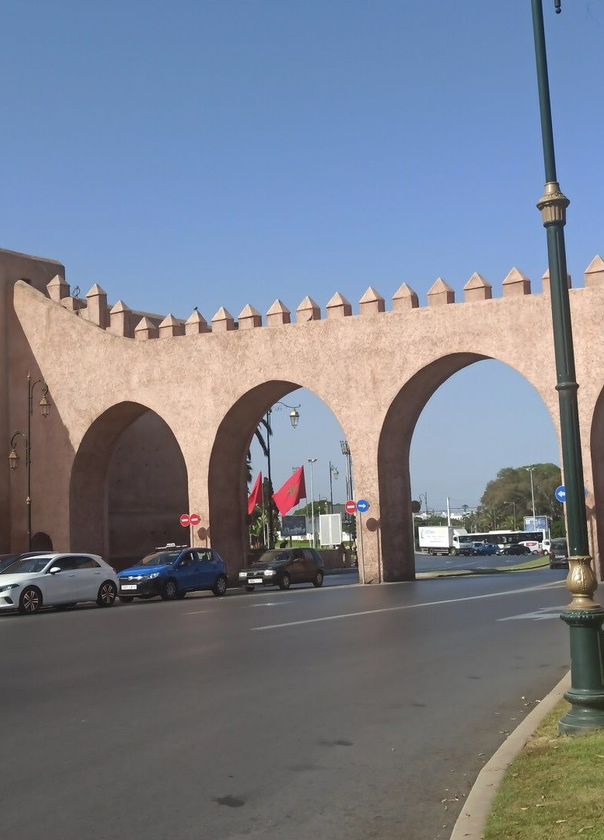
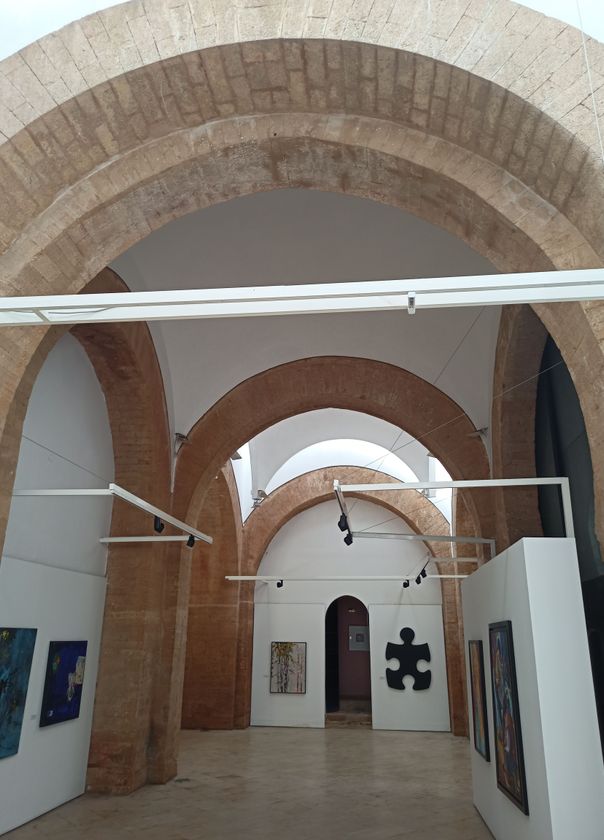
On Avenue de la Victoire, Bab Rouah, the gate of the winds, is the finest gate in the Almohad ramparts, completed around 1197 under Yacoub El Mansour. Its stone façade, with three concentric multifoil arches between two bastion towers, carries a Kufic inscription. The bent passage with four chambers, typical of Almohad military architecture, has been turned into an art gallery, open Tuesday to Saturday.

Musée national de la Photographie

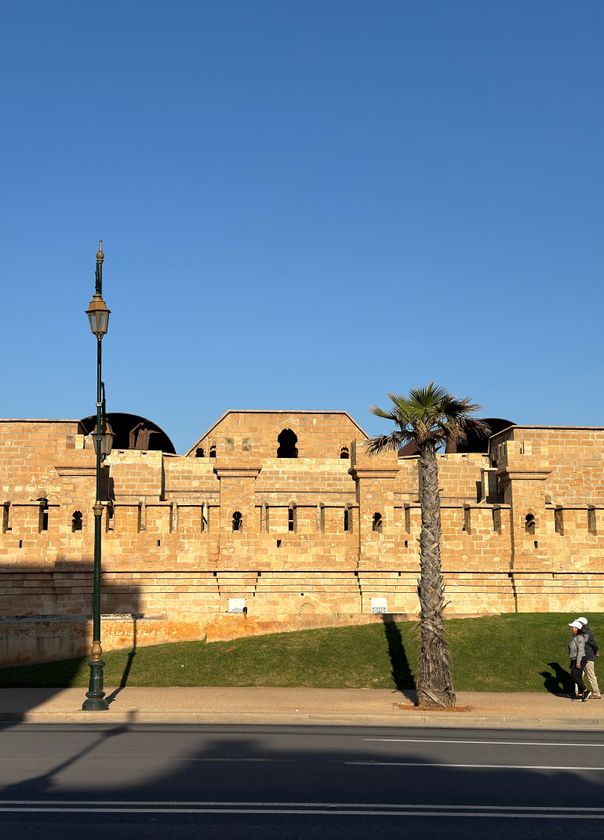
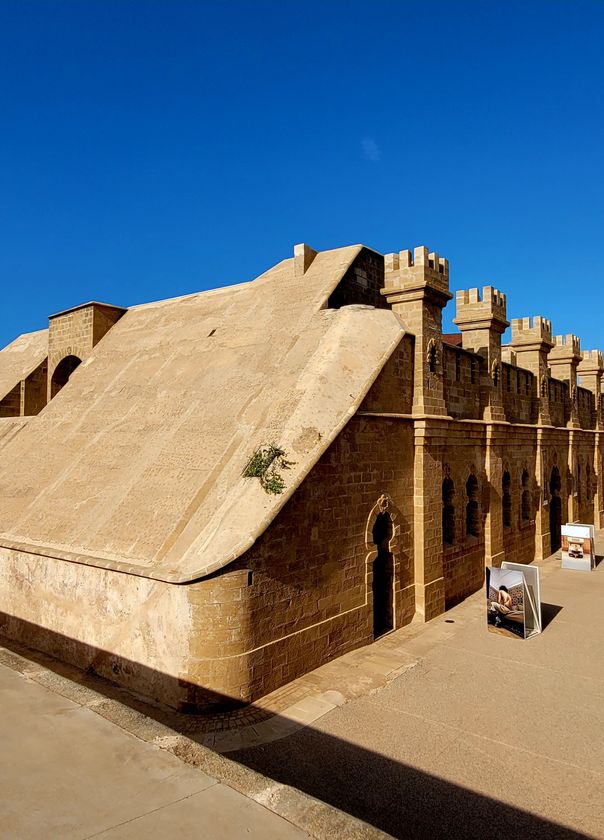
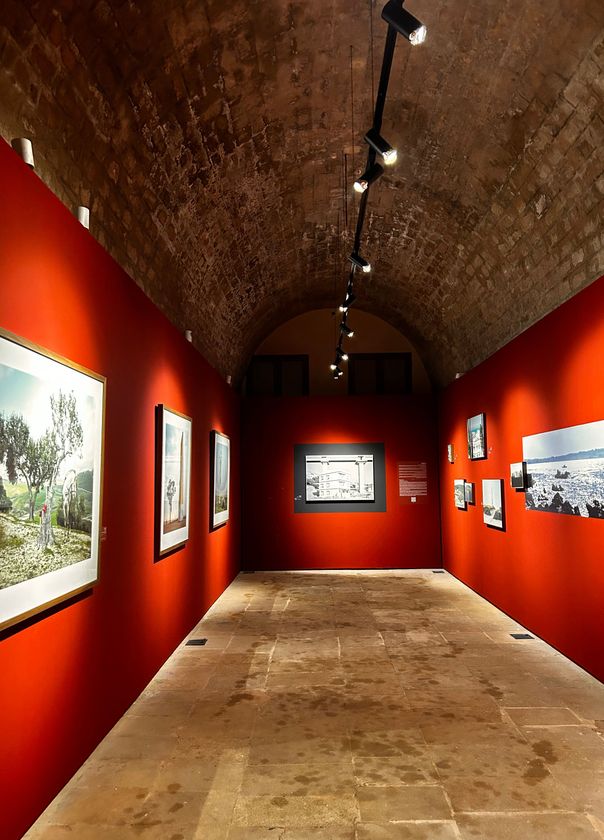
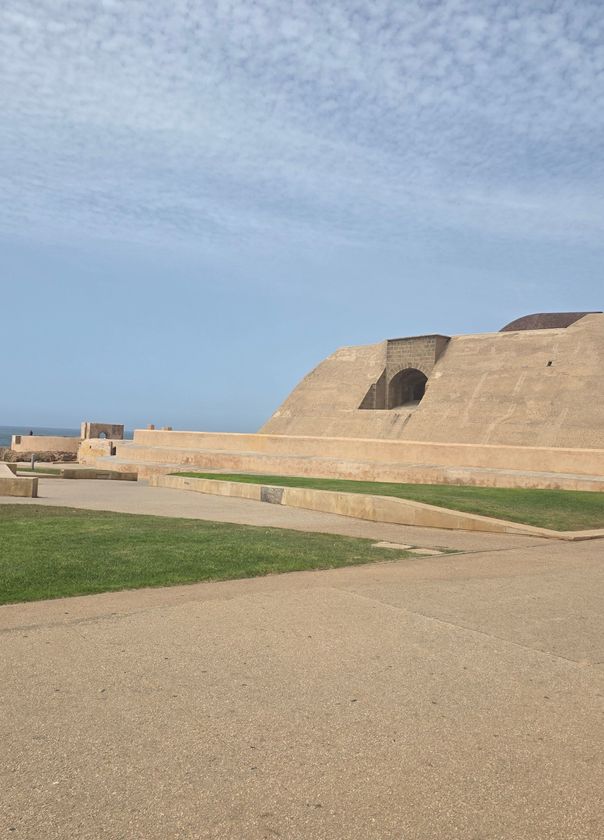
On the corniche facing the ocean, the National Museum of Photography occupies Fort Rottembourg, built from 1888 to house two cannons given to Morocco by Germany. Opened in 2020, it is the kingdom’s first museum devoted to photography as an art form, with exhibitions focused on the young Moroccan scene. The setting alone is worth the trip. Open 10am to 6pm, closed Tuesday; 20 MAD for adults.

Médersa mérinide de Salé

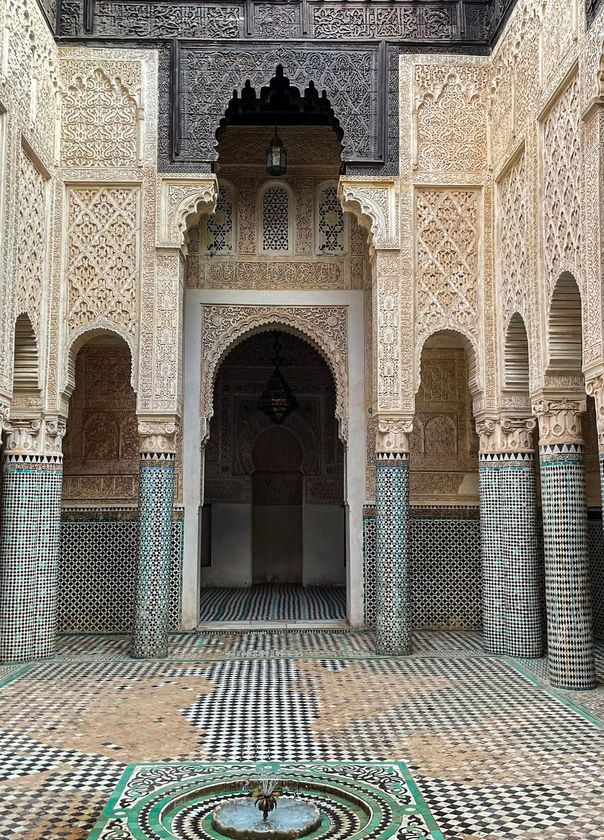
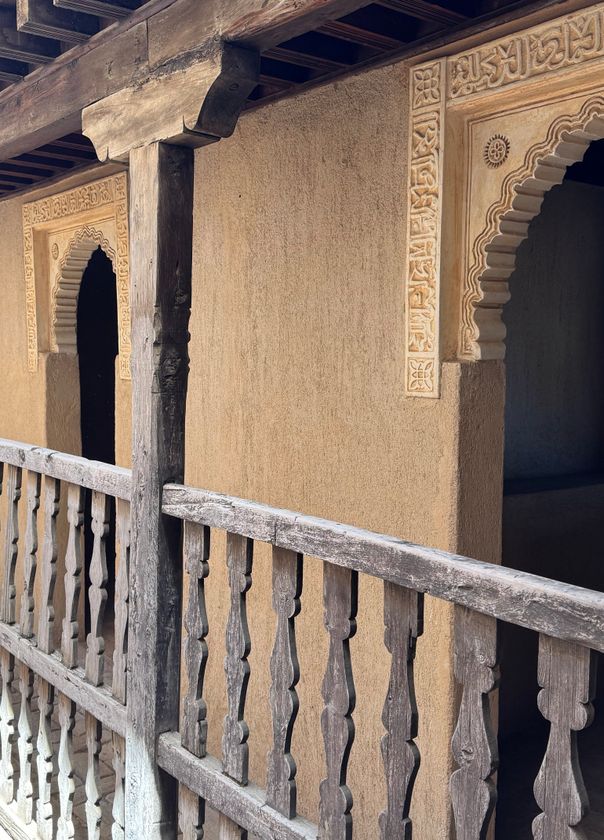
Across the Bouregreg, in the Salé medina just south of the Great Mosque, the Marinid madrasa was built between 1333 and 1341 by Sultan Abu al-Hassan. Small in size, this former Koranic school surrounds its courtyard with zellige, carved stucco, cedar friezes and Kufic inscriptions. Upstairs are the students’ cells; the roof terrace looks over Salé, the river and Rabat. Get there by tram or by rowing boat.

Jardin d'essais botaniques de Rabat

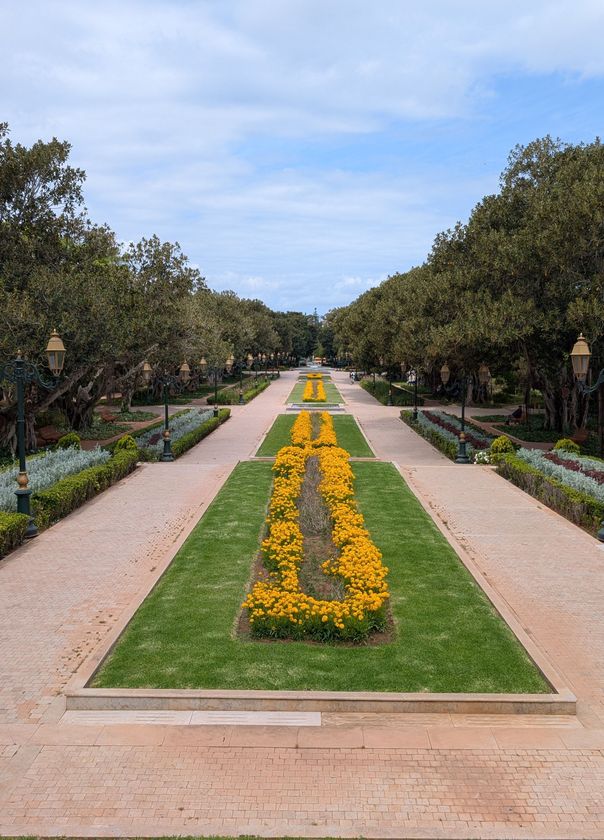
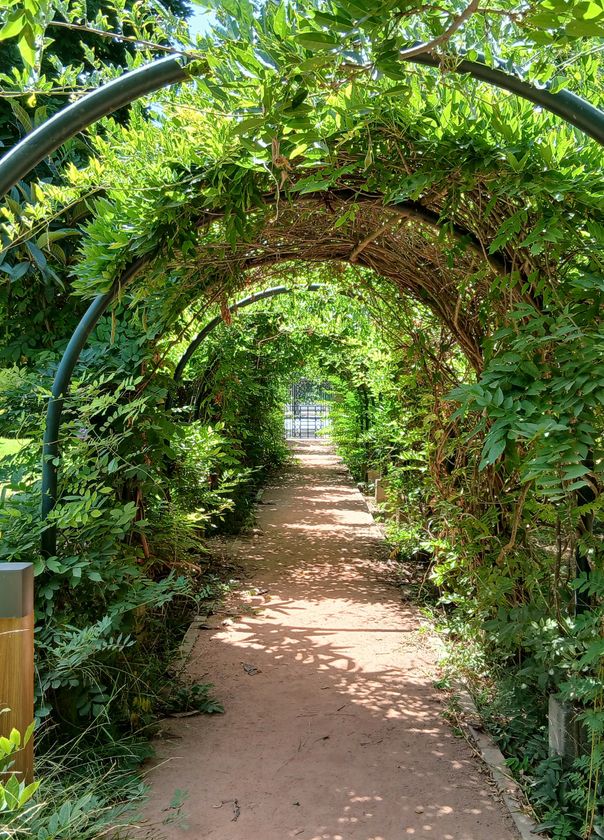
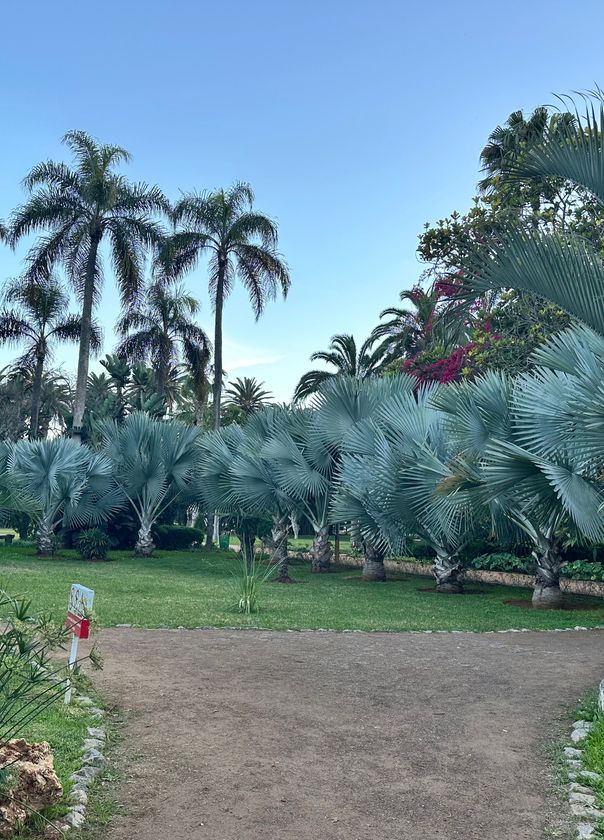
Along Avenue de la Victoire, the Rabat botanical test garden is the capital’s great botanical garden. Created in 1914 to plans by landscape architect Jean Claude Nicolas Forestier, the 17-hectare park reopened in 2013 after restoration and features an Andalusian garden, symmetrical paths, pools, a Moorish-style house and olive, bitter orange and orange trees. Open Tuesday to Sunday, 8am to 7pm, close to Bab Rouah.

Published