Casablanca was long cast as the city of business and Rabat as the city of ministries. That equation has changed. In a decade the capital has caught up with, then overtaken, the rest of the country in cultural infrastructure, to the point of claiming the title of Morocco’s cultural capital.
"Rabat, City of Light", the programme that changed everything
Unveiled in 2014, the integrated development programme "Rabat, City of Light, Moroccan Capital of Culture" covered 2014 to 2018, with announced investment of around 9.4 billion dirhams. It ranged from roads to green spaces, but its most visible strand was cultural: restoring historic monuments, creating museums, building major performance venues and regenerating the banks of the Bouregreg.
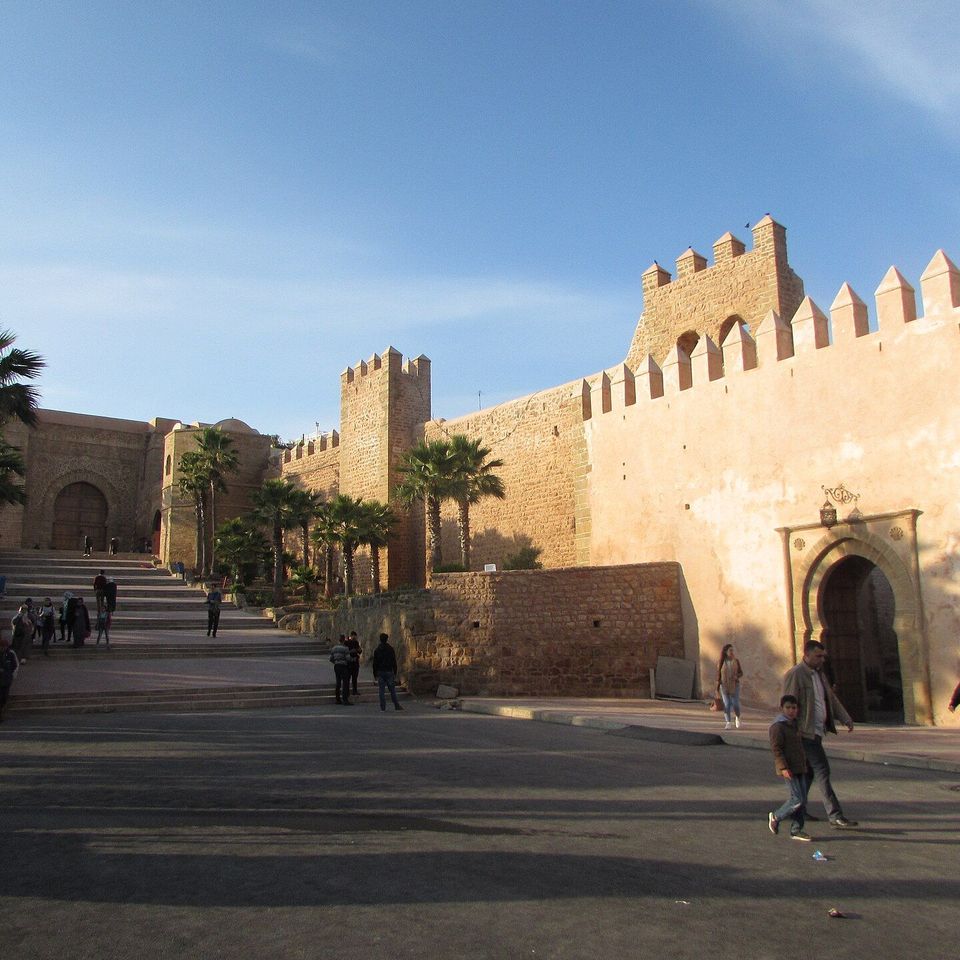
Many projects overran their schedules, but the results are plain to see. Visitors returning after a few years find a city with restored ramparts, reopened gardens and new institutions, all linked by tram.
The Royal Theatre by Zaha Hadid
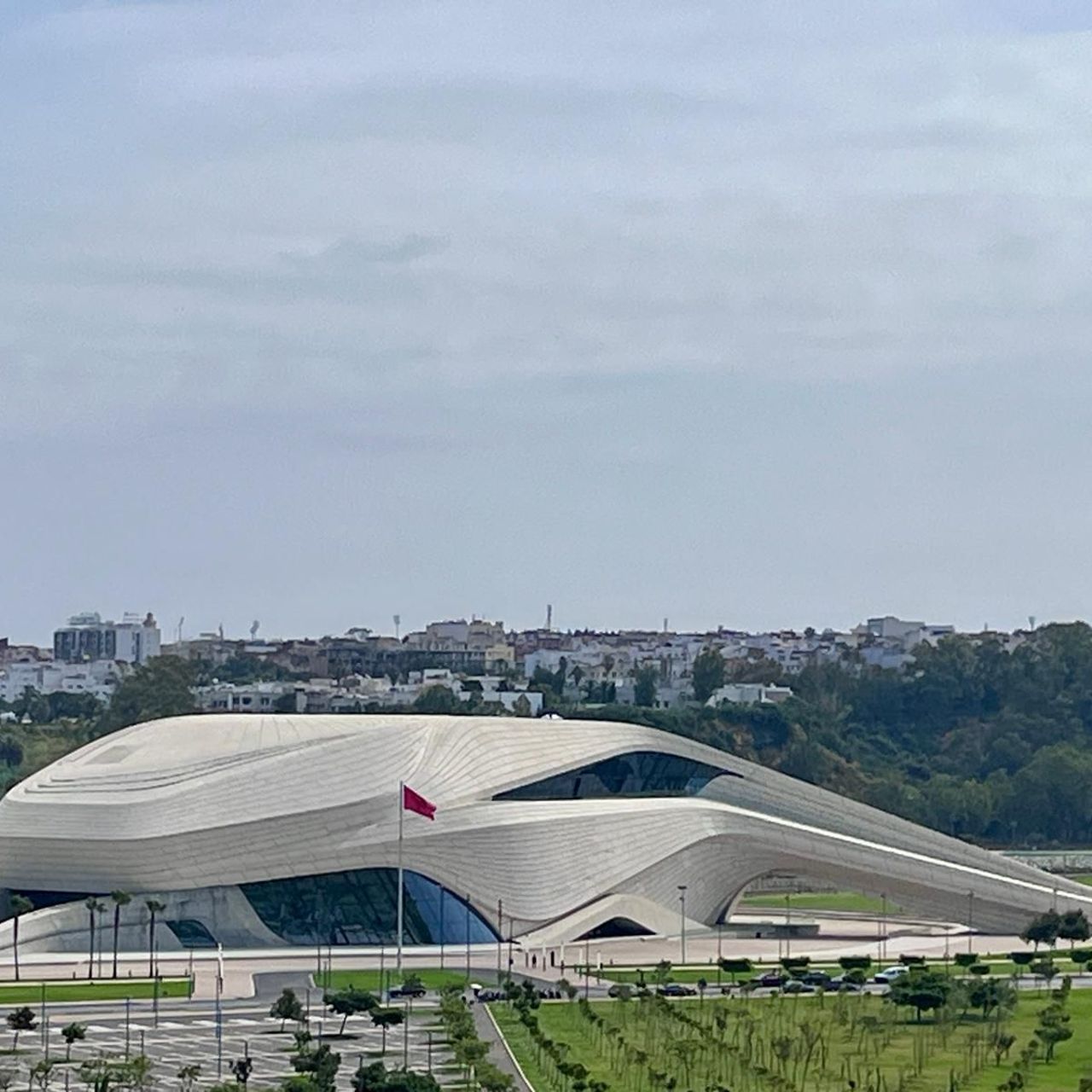
It is the symbol of the decade. Designed by the studio of Zaha Hadid, the Iraqi-British architect who died in 2016, the Royal Theatre of Rabat unfurls its white curves on the Bouregreg, between the Hassan Tower and the Salé bank. Construction began in October 2014. Officially inaugurated in October 2024 and long known as the Grand Theatre of Rabat, the building truly opened to audiences on 22 April 2026, with an all-Moroccan opening concert by the Moroccan Philharmonic Orchestra.
With 25,400 m² of floor space, it combines a main hall of about 1,800 seats, a smaller hall for emerging artists, studios and an open-air amphitheatre for up to 7,000 spectators. Opera, dance, symphonic music, theatre and major concerts are all on the bill.
First-rate national museums
Mostly run by the National Museums Foundation, Rabat’s museums have been created or entirely reimagined in about ten years.
Add to these the exhibition spaces set within historic monuments, such as the chambers of Bab er-Rouah, and a network of private galleries in the Hassan and Agdal districts.
Mawazine and the big events
Founded in 2001 and run by the Maroc Cultures association, Mawazine, "Rhythms of the World", has become one of the world’s largest music festivals by attendance. Its 21st edition took place from 19 to 27 June 2026 in Rabat and Salé, with rapper Ninho opening on the OLM Souissi stage, a Bouregreg stage dedicated to African music and, for the first time, two closing nights at the Prince Moulay Abdellah stadium. Organisers claimed close to 3.6 million festival-goers. Most concerts remain free.
The calendar does not stop there. Each spring the Jidar festival turns façades across the city into monumental murals; it celebrated its tenth edition in 2025. Visa For Music, a showcase for music from Africa and the Middle East, brings artists and industry together every autumn. The jazz festival born in the ruins of Chellah continues under the name Jazz à Rabat.
World Book Capital 2026
Designated by UNESCO in October 2024, Rabat is the 26th city to hold the title of World Book Capital. The programme was launched in April 2026, around World Book Day, and runs until April 2027. The 31st International Publishing and Book Fair (SIEL), held from 1 to 10 May 2026, was its first highlight. The city is home to some fifty publishing houses and hosts one of Africa’s leading book fairs.
The Bouregreg, a new cultural heart
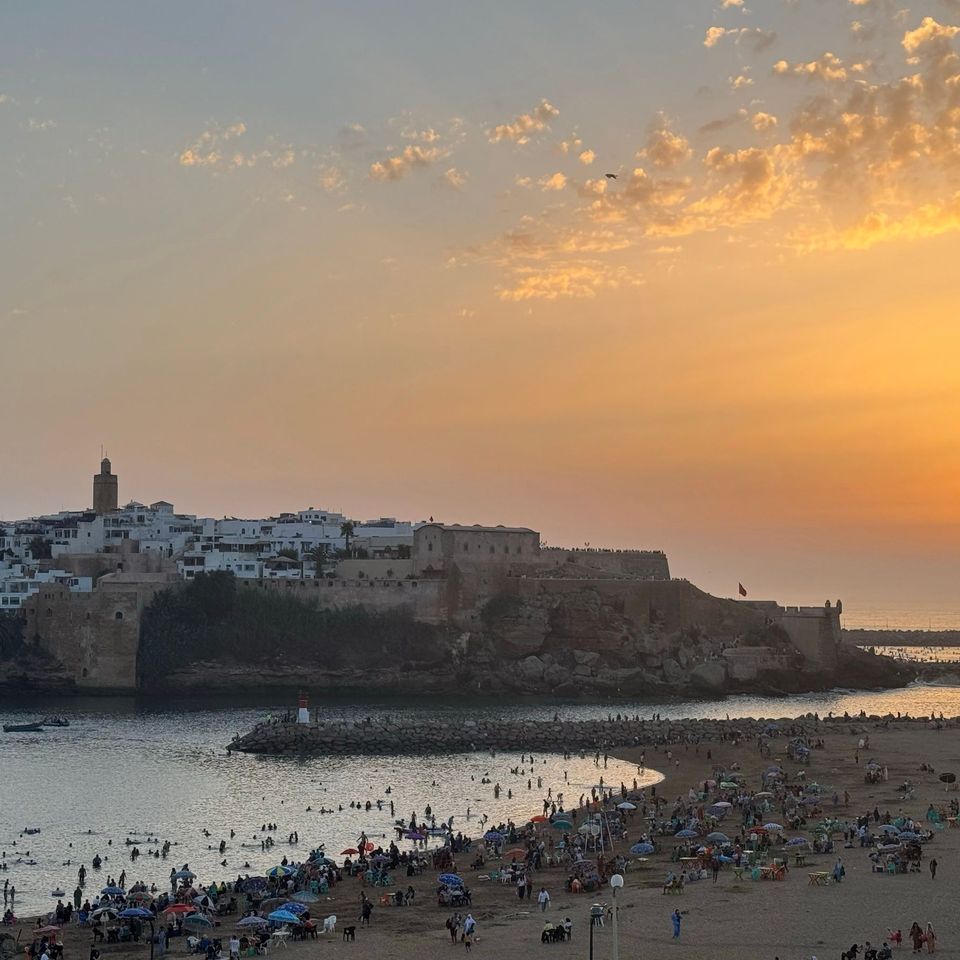
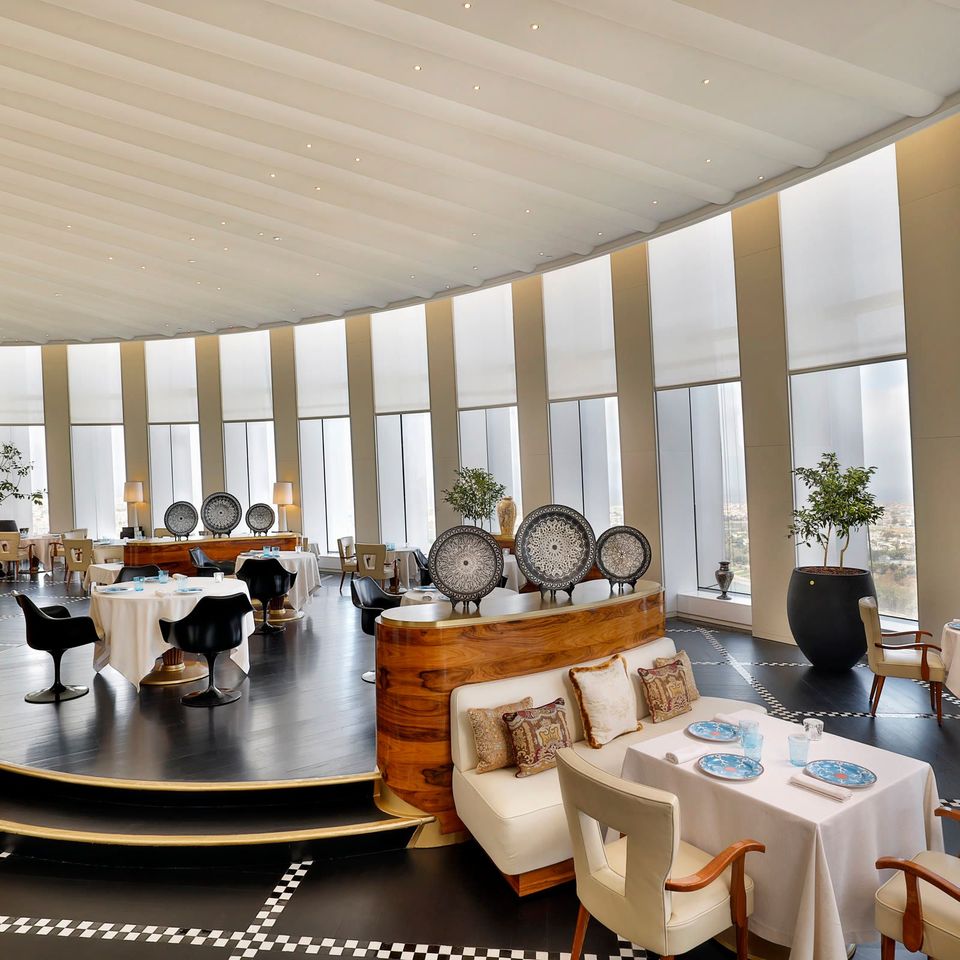
The Bouregreg valley now concentrates much of this cultural life. On the Rabat bank, the Royal Theatre and its park extend the esplanade of the Hassan Tower and the Mohammed V Mausoleum. On the Salé bank, the marina and the 250-metre Mohammed VI Tower, inaugurated in April 2026, define the estuary’s new skyline. In between, the ferrymen’s rowing boats still cross the river as they have for centuries.
Practical information
- Tickets: the Royal Theatre and Mawazine announce their programmes on their official channels; book early for major nights.
- Museums: check closing days before you go, as several national museums close one day a week.
- More ideas: monuments and museums under Arts & Culture, evenings out under Bars & Nightlife.