Arts & Culture in Rabat

Listed as a UNESCO World Heritage Site in 2012, Rabat is home to major monuments: the Hassan Tower, the Mohammed V Mausoleum, the Chellah, the Kasbah of the Udayas and its Andalusian medina. Culture also thrives at the Mohammed VI Museum of Modern and Contemporary Art, the National Museum of Photography and the Royal Theatre of Rabat, designed by Zaha Hadid.

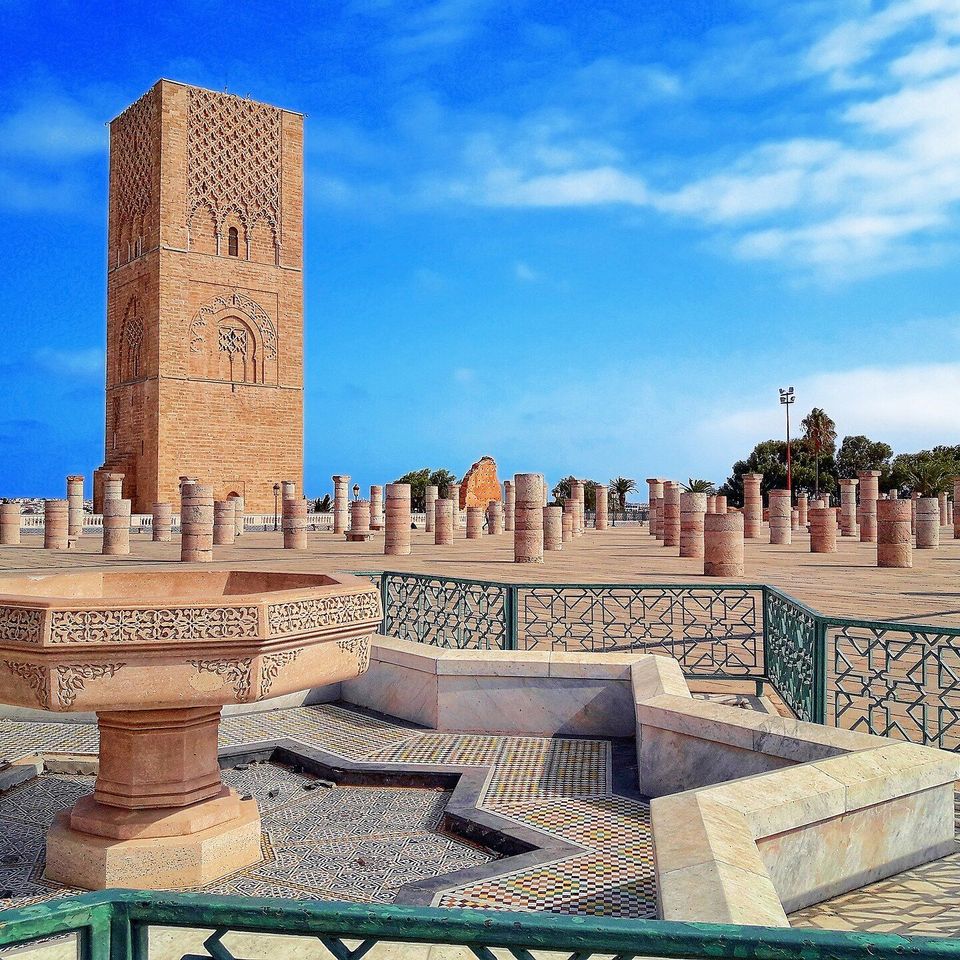
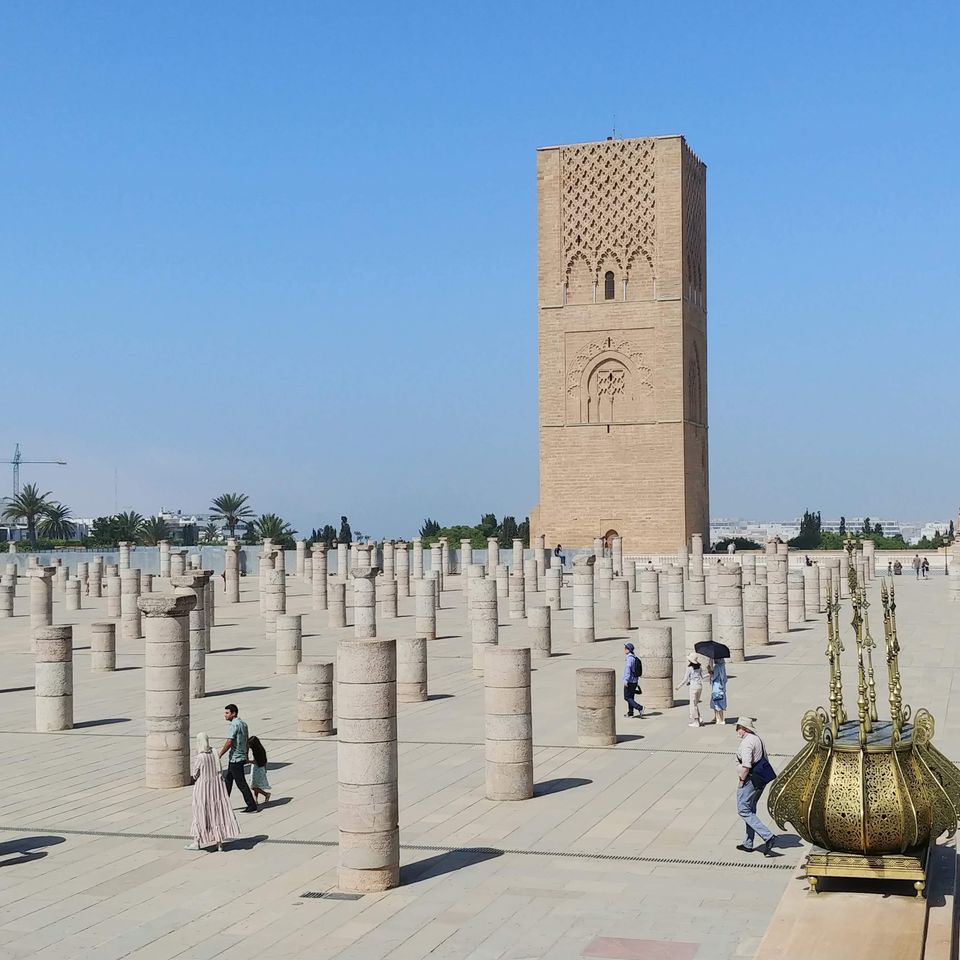
Tour Hassan – photo 1

Unfinished 12th-century Almohad minaret overlooking the Bouregreg, Rabat’s emblem

Tour Hassan

Hassan
Chellah – photo 1

Roman Sala and a Marinid necropolis set in gardens where storks nest

Chellah

Hassan
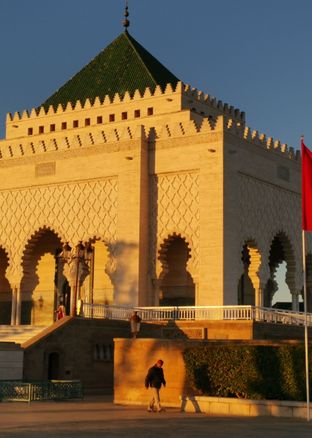
Mausolée Mohammed V – photo 1

Royal tomb in white marble under green tiles, a showcase of Moroccan craftsmanship

Mausolée Mohammed V

Hassan
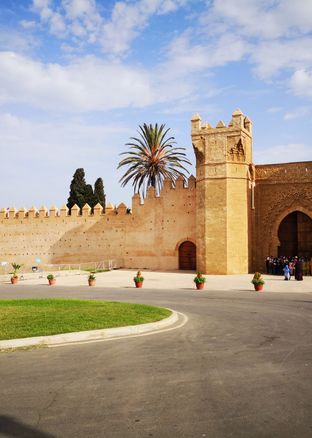
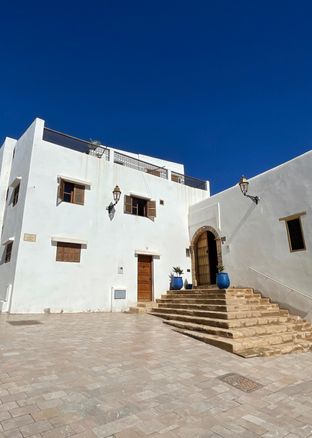
Kasbah des Oudayas – photo 1

12th-century citadel at the mouth of the Bouregreg, with whitewashed lanes and a jewellery museum

Kasbah des Oudayas

Oudayas
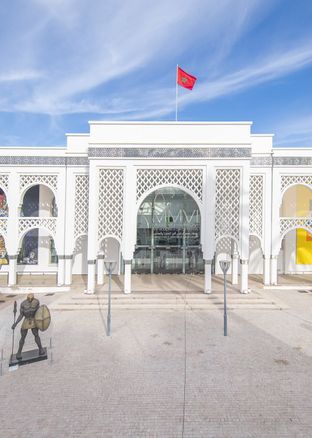
Musée Mohammed VI d'art moderne et contemporain (MMVI) – photo 1

Morocco’s first national museum of modern and contemporary art, opened in 2014

Musée Mohammed VI d'art moderne et contemporain (MMVI)

+ de 30 MAD
Hassan
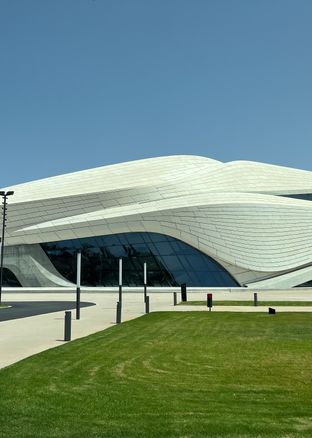
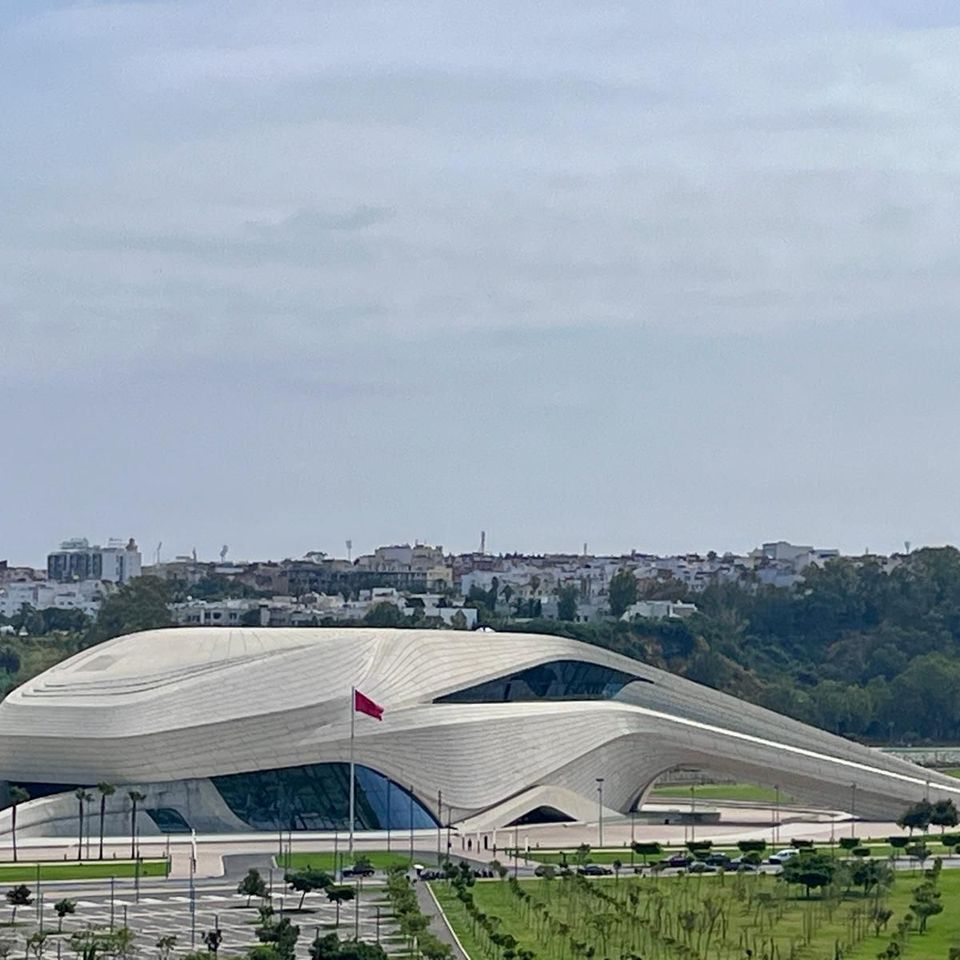
Théâtre Royal de Rabat (Grand Théâtre) – photo 1

Zaha Hadid’s Royal Theatre of Rabat, the Bouregreg valley’s new landmark stage

Théâtre Royal de Rabat (Grand Théâtre)

Bouregreg
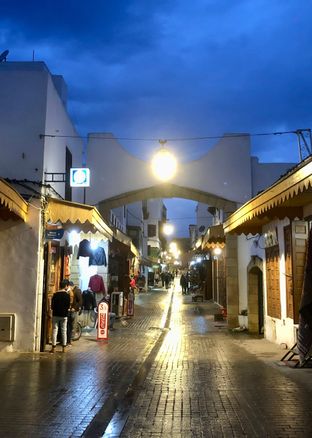
Médina de Rabat – photo 1

17th-century Andalusian medina with easy-going souks between ramparts and ocean

Médina de Rabat

Medina
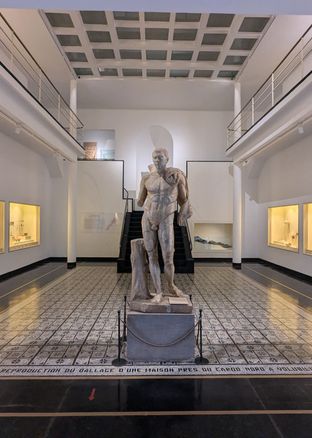
Musée de l'Histoire et des Civilisations – photo 1

Morocco’s national archaeology museum, from prehistoric tools to the Volubilis bronzes

Musée de l'Histoire et des Civilisations

+ de 20 MAD
Hassan
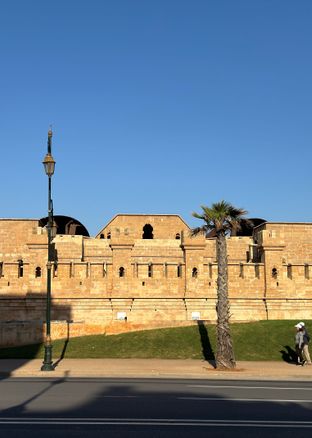
Musée national de la Photographie – photo 1

Morocco’s first photography museum, in a 19th-century fort facing the Atlantic

Musée national de la Photographie

+ de 20 MAD
Océan
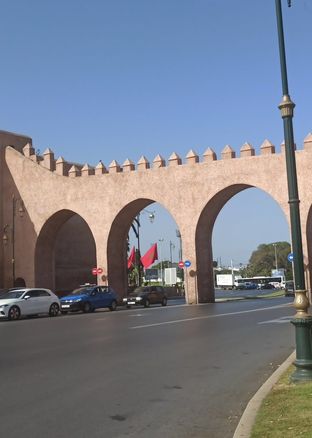
Bab Rouah – photo 1

Late 12th-century Almohad gate turned contemporary art gallery

Bab Rouah

Hassan
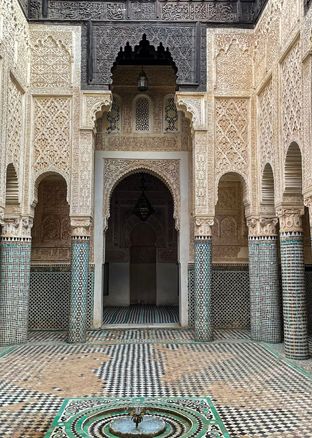
Médersa mérinide de Salé – photo 1

14th-century Marinid Quranic school in Salé, with zellige, stucco and carved cedar

Médersa mérinide de Salé

Salé

Rabat’s monuments, from the Hassan Tower to the Chellah

Rabat’s heritage spans eight centuries. The Hassan Tower, 44 metres high when more than 60 were planned, rises over the esplanade of the unfinished Almohad mosque, whose columns were largely destroyed by the 1755 earthquake. Opposite, the Mohammed V Mausoleum, in white marble beneath a green-tiled roof, holds the tombs of Mohammed V and Hassan II. Further south, the Chellah combines a Roman forum, a Marinid necropolis and gardens where storks nest. Bab Rouah, an Almohad gate from 1197, now houses an art gallery.

Museums and cultural venues in Rabat

Within a decade the capital has built a genuine network of museums. The Musée Mohammed VI d’art moderne et contemporain (MMVI), designed by Karim Chakor, was the first major museum to open in Morocco since independence. The Musée de l’Histoire et des Civilisations, renovated in 2017, offers two routes, one chronological and one thematic. The Musée national de la photographie, opened in 2020, exhibits inside the Rottembourg fort, built in the late 19th century. The Royal Theatre of Rabat, with its open-air amphitheatre, completes the offer.

Medina, kasbah and Salé

Rabat’s medina grew in the 17th century with the arrival of the Moriscos expelled from Spain in 1609; its three main streets, Rue Souika, Rue Sidi Fateh and Rue des Consuls, are easily explored on foot from Bab El Had. To the north, the Kasbah of the Udayas houses the National Museum of Adornment, the Andalusian garden and the Moorish café. Across the Bouregreg, the Médersa mérinide de Salé, built between 1333 and 1341, preserves its zellige, stucco and carved cedar next to the Great Mosque.

Frequently asked questions

Which monuments should I visit in Rabat?

The Tour Hassan, an Almohad minaret begun in 1196 and never finished, faces the Mausolée Mohammed V, completed in 1971 by some 400 craftsmen. The Chellah combines the remains of the Roman city of Sala with a Marinid necropolis. The Kasbah des Oudayas, a 12th-century citadel, is entered through the monumental Bab Oudaya, at the mouth of the Bouregreg.

Which museums are worth visiting in Rabat?

The Musée Mohammed VI d’art moderne et contemporain (MMVI), opened in 2014, hosts major international exhibitions. The Musée de l’Histoire et des Civilisations displays the Volubilis bronzes and the bust of Juba II. The Musée national de la photographie occupies the Rottembourg fort facing the ocean. All three open from 10am to 6pm and close on Tuesdays.

Is the Chellah open to visitors?

Yes. The Chellah reopened on 20 May 2024 after restoration, with a new audio-guided route; it opens daily from 9am to 6pm from October to March and until 8pm from April to September. The site long hosted the Jazz au Chellah festival. A visit pairs easily with the Tour Hassan and the Mausolée Mohammed V, in the same part of town.

What’s on at the Royal Theatre of Rabat?

Designed by Zaha Hadid in the Bouregreg valley, the Théâtre Royal de Rabat (Grand Théâtre) was inaugurated in October 2024 and staged its first public performance on 22 April 2026. Its main hall, with more than 1,800 seats, hosts concerts, dance and symphonic music, alongside a second hall and an open-air amphitheatre. The Musée Mohammed VI d’art moderne et contemporain (MMVI) makes a natural pairing for a cultural day.