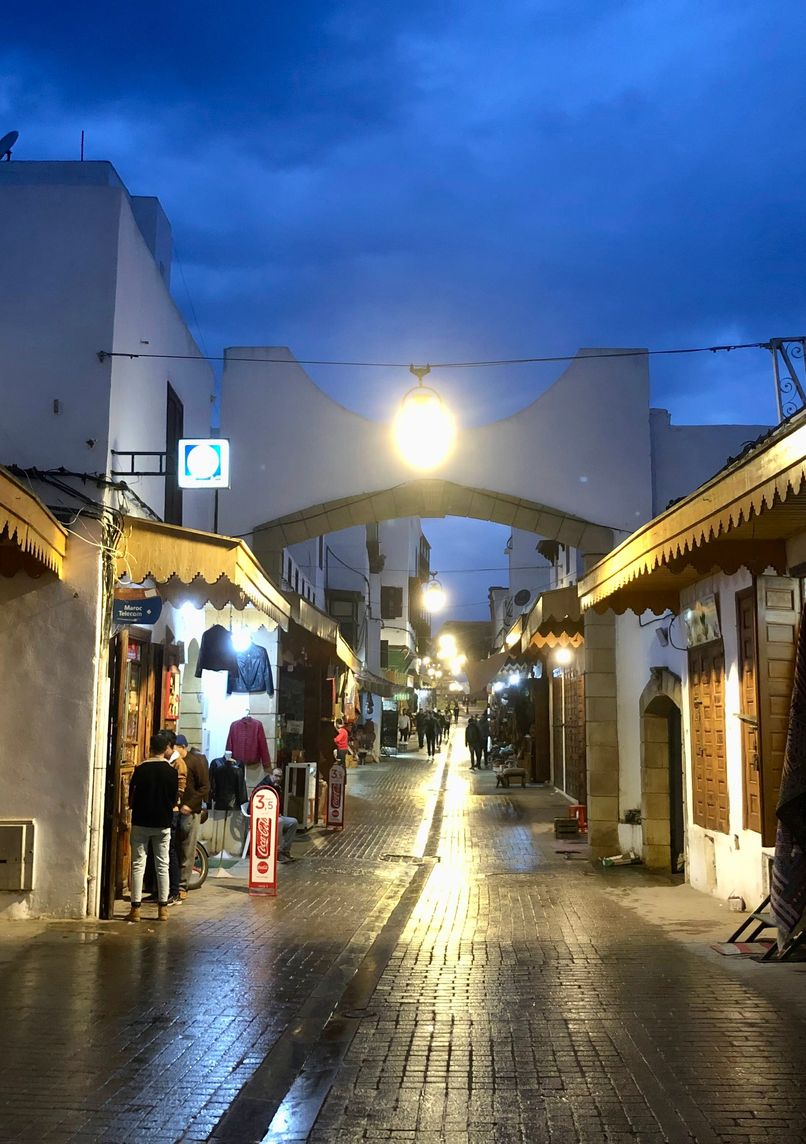
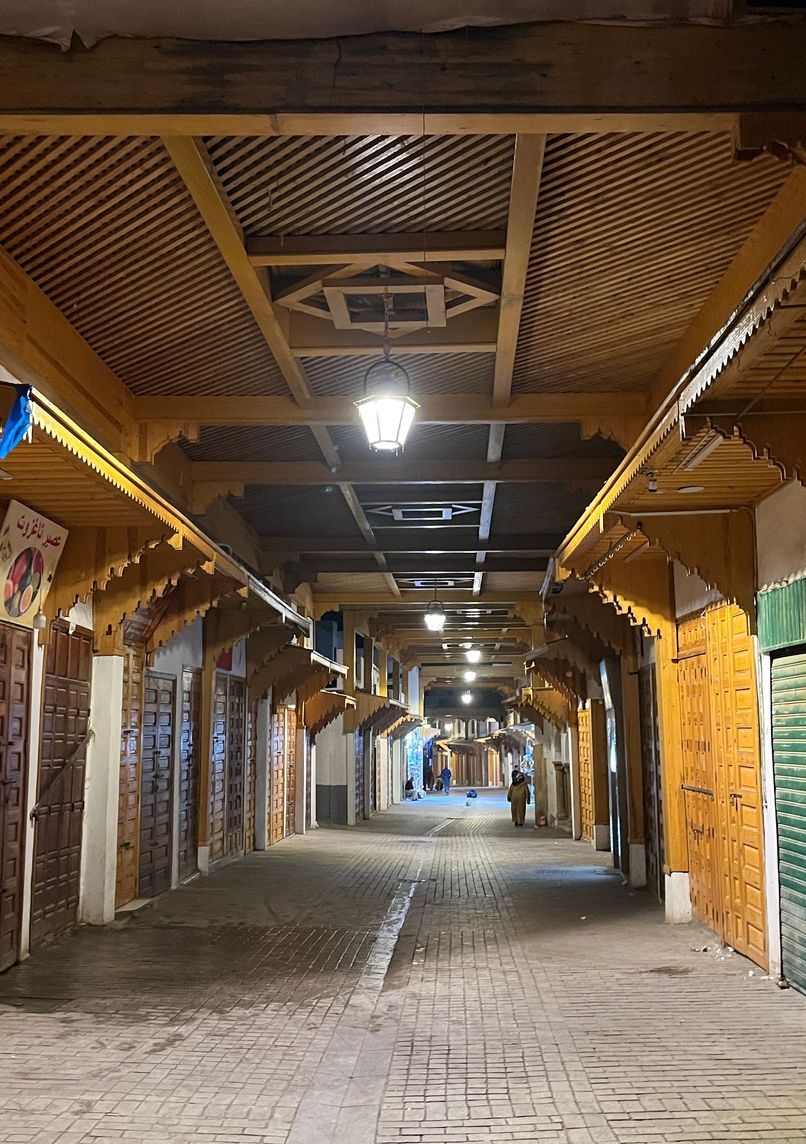
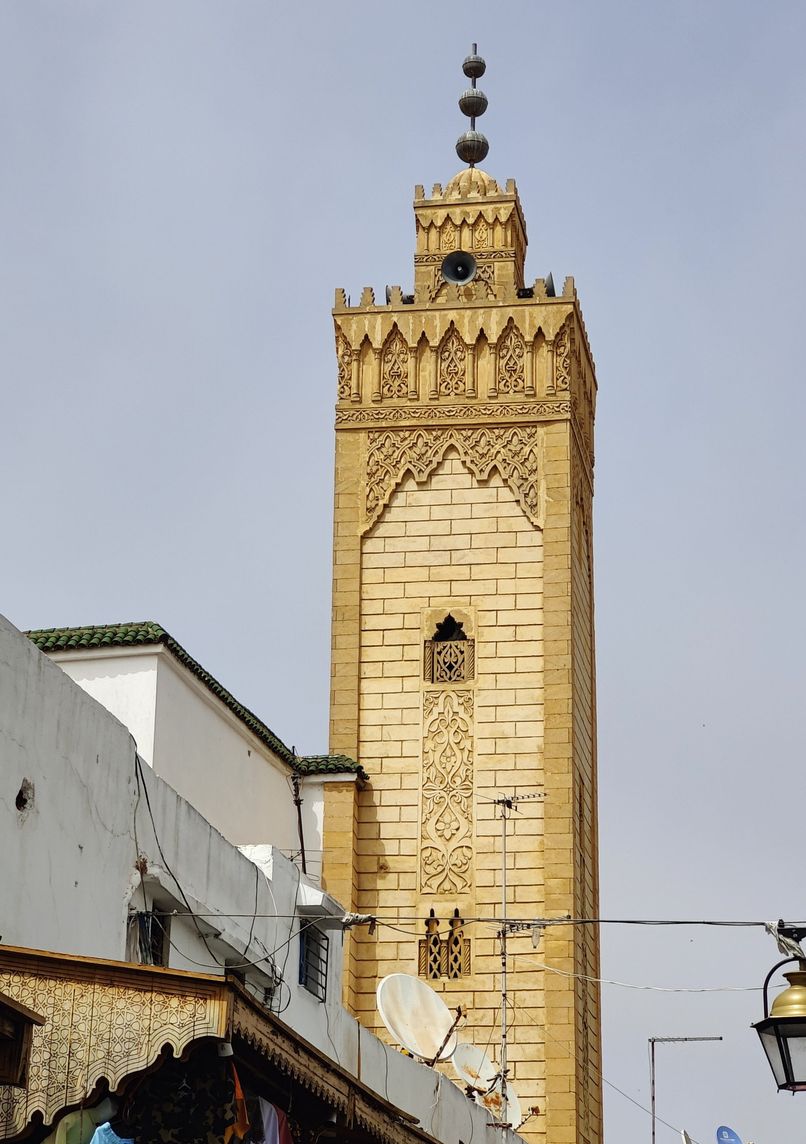
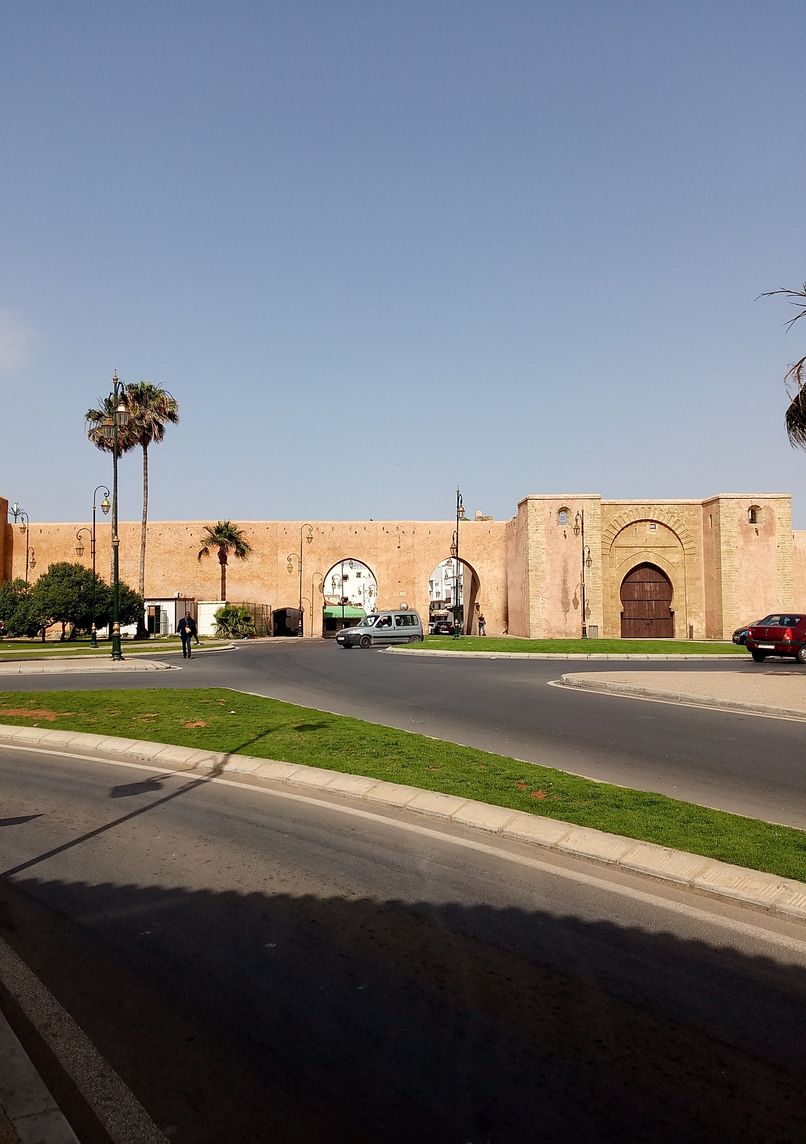
Between the Kasbah of the Udayas and the Almohad ramparts, Rabat’s medina grew up in the 17th century when Moriscos expelled from Spain settled here. Part of the UNESCO World Heritage listing, it is easy to explore on foot, from Rue Souika to Rue des Consuls.
An Andalusian town
Philip III of Spain’s 1609 decree expelling the Moriscos brought thousands of refugees, including those from Hornachos, to the banks of the Bouregreg. They settled within the Almohad walls and built a new “Andalusian Wall” to mark out their town. In 1627 Rabat and Salé joined to form the Republic of Bou Regreg, a base for the Salé corsairs. Since 2012 the medina has been part of the UNESCO property “Rabat, Modern Capital and Historic City”.
Finding your way around Rabat’s medina
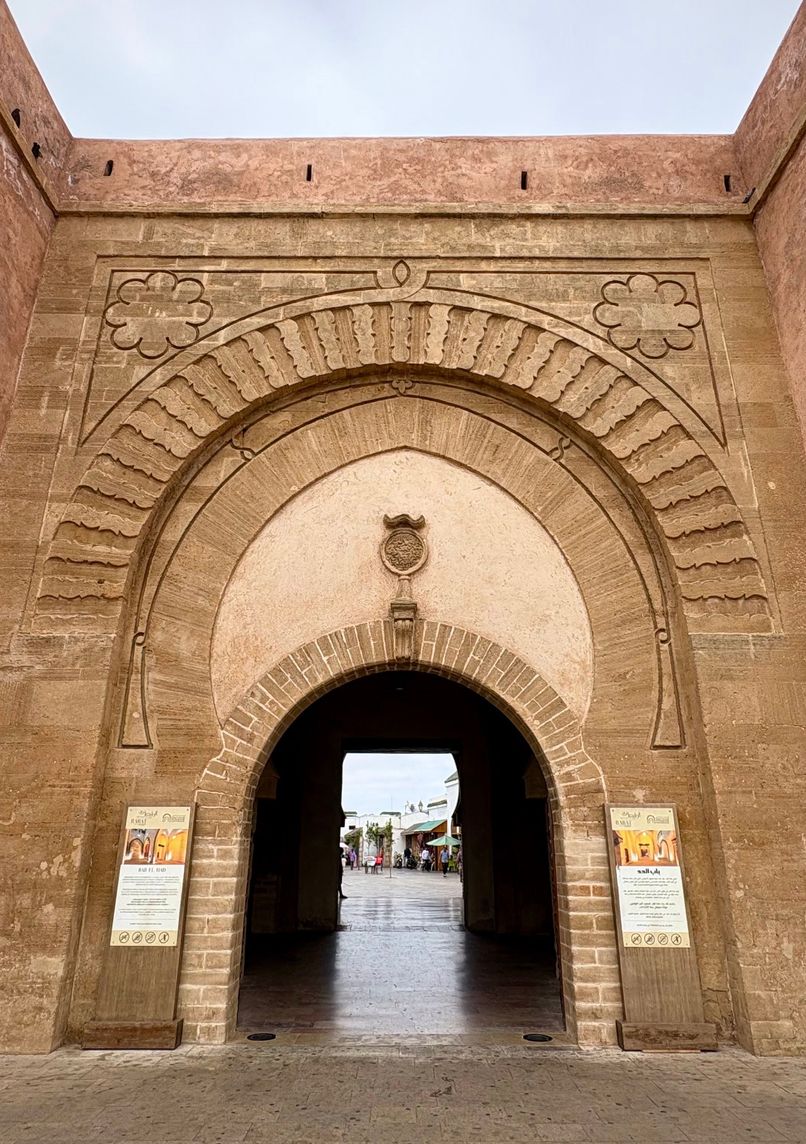
- Bab El Had and Bab El Alou, the main gates in the Almohad wall
- Rue Souika, the “little souk”, running parallel to the Andalusian Wall
- Rue Sidi Fateh, heading towards Boulevard El Alou
- Rue des Consuls, once home to foreign diplomats and now lined with carpet, silver and craft shops
- The mellah, the former Jewish quarter founded under Sultan Moulay Slimane, to the east
What you’ll find
The souks sell jewellery, spices, carpets, teapots, fabrics and lanterns, while leather, wood and wrought-iron craftsmen still work in the alleys off Rue des Consuls. The central market, built in the early 20th century, rounds off the offer. Compact and easy to navigate, the medina needs no guide.
Practical information
- Free access; Rue des Consuls is pedestrianised
- Main entrances through Bab El Had and Bab El Alou
- Carry on to the Kasbah of the Udayas at the end of Rue des Consuls