Things to do in Essaouira: medina, ramparts and harbour
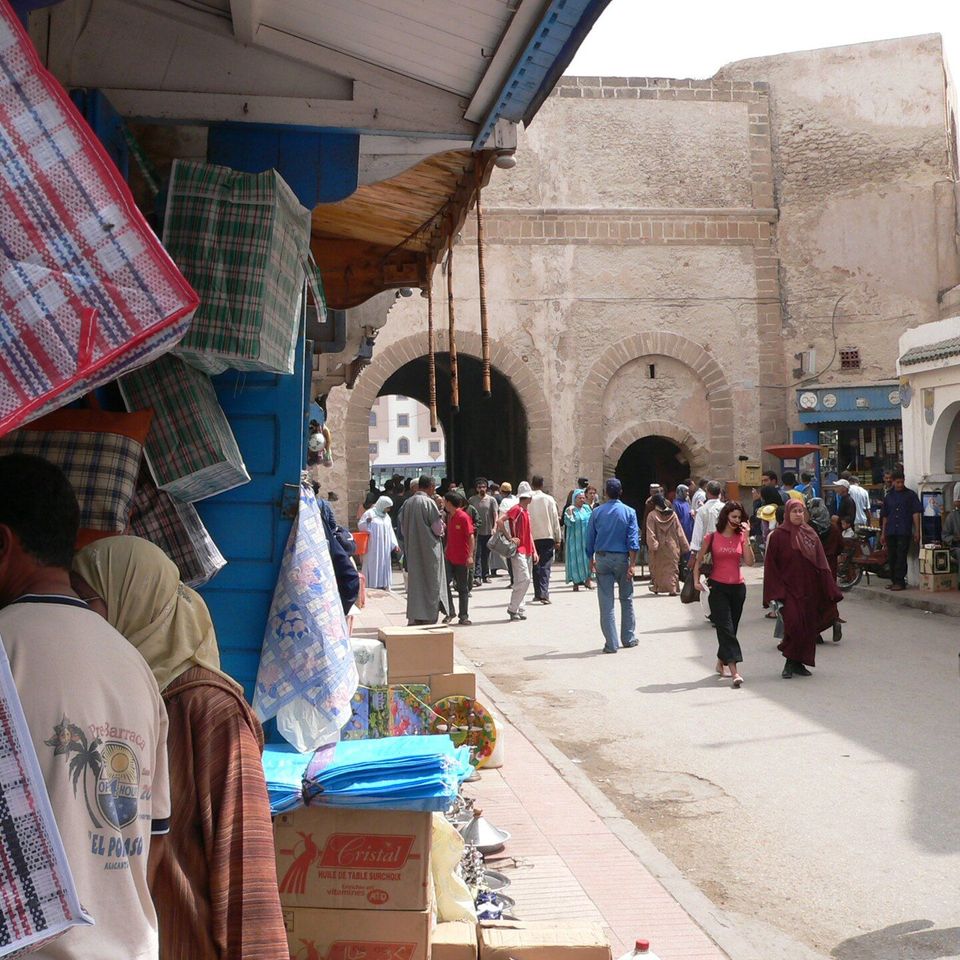
Everything starts in the medina, a UNESCO World Heritage Site since 2001. Laid out from the 1760s on the orders of Sultan Sidi Mohammed ben Abdallah, with help from European engineers including the Frenchman Théodore Cornut, it differs from Morocco’s other old cities in its straight streets, its ramparts facing the Atlantic and its clearly defined quarters: the Kasbah, the Mellah, and the souks around the clock tower square. It is entirely walkable, and walking is the best way to understand it.
Skala de la Kasbah
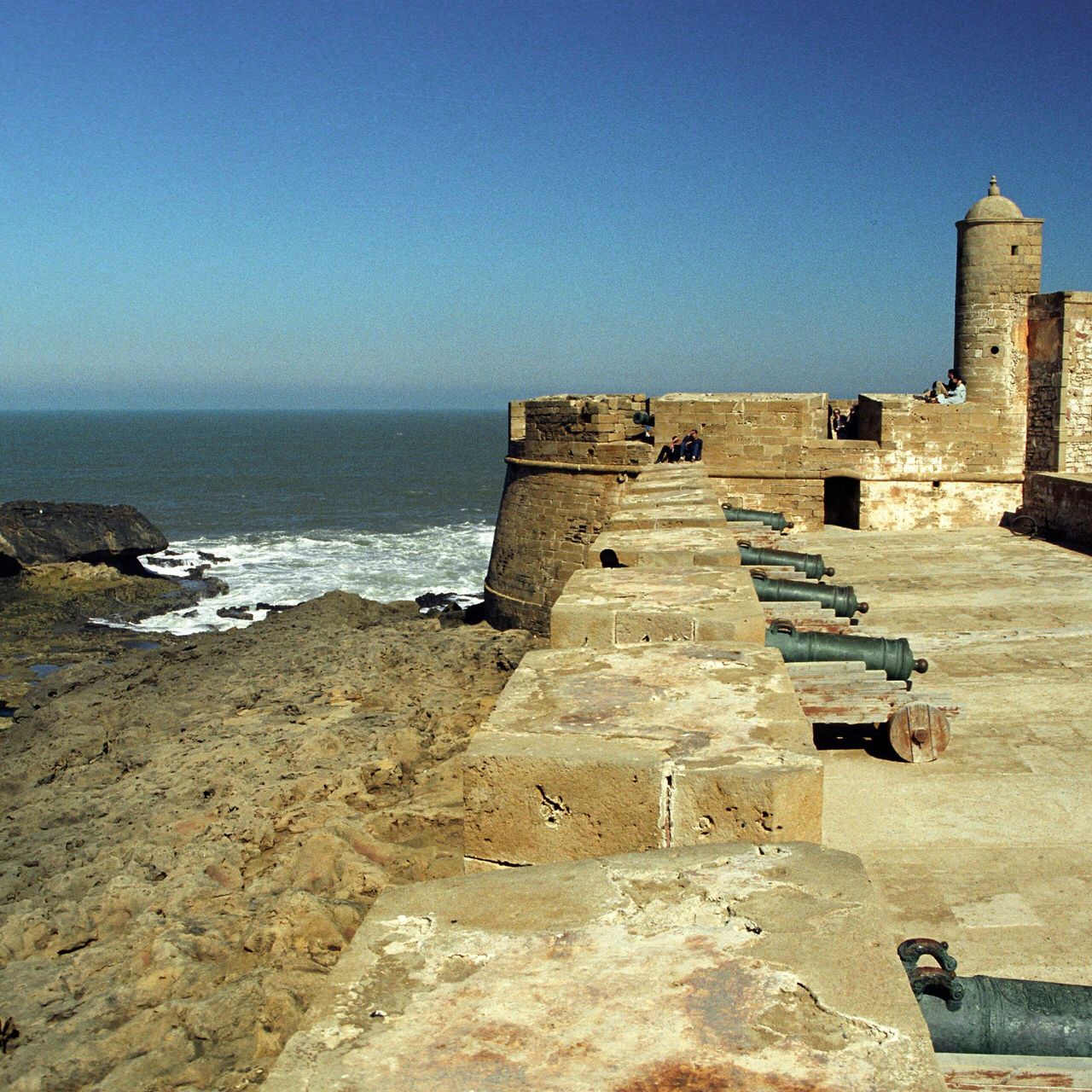
On the north-western edge of town, the Skala de la Kasbah is a long sea bastion lined with bronze cannons, looking down on the rocks and the breaking surf. Below it, Rue de la Skala is lined with the workshops of thuya marquetry makers. On windy days it is also the best spot to photograph gulls hanging in the trade wind.
The fishing port and Skala du Port
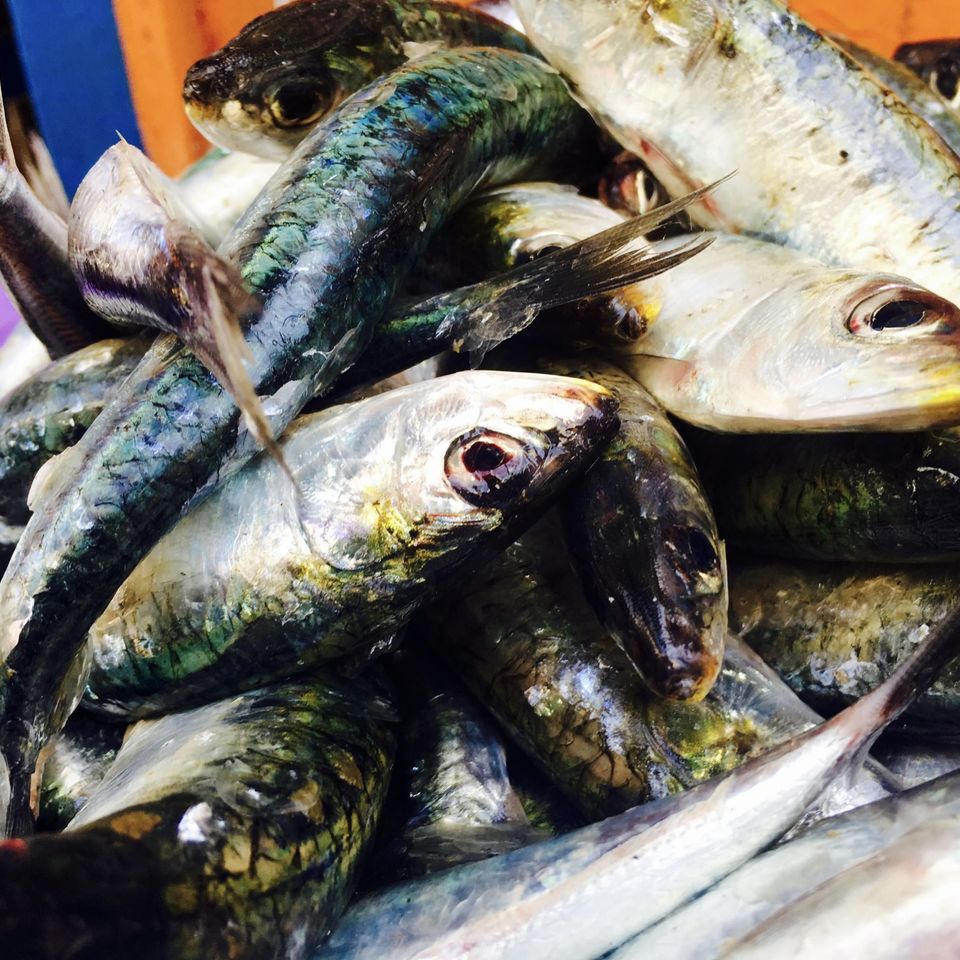
The fishing port is the town’s beating heart. In the morning, trawlers and blue wooden boats land sardines, red mullet, sole and spider crabs while gulls wheel overhead; nets dry on the quays and carpenters work on hulls in the boatyard. You reach it from Place Moulay Hassan through the Sea Gate. The Skala du Port, a fortified battery open from 9 am to 5 pm except on Mondays, gives one of the best views of the ramparts, the harbour and the islands. At lunchtime, the grills at the port entrance cook whatever fish you have just picked; agree the price before you order.
Museums and the city’s memory
The town museum, the Sidi Mohammed Ben Abdallah Museum, is closed for works: a renovation agreement was signed in April 2026, with no reopening date announced. In the old Kasbah, close to the Mellah, Bayt Dakira, the “House of Memory”, brings together the Slat Attia synagogue, rooms on the history of Essaouira’s Jewish families and a research centre; King Mohammed VI visited it on 15 January 2020. It is open every day. For local painting, the medina has many galleries, listed in our Arts & Culture section.
The coast and the countryside
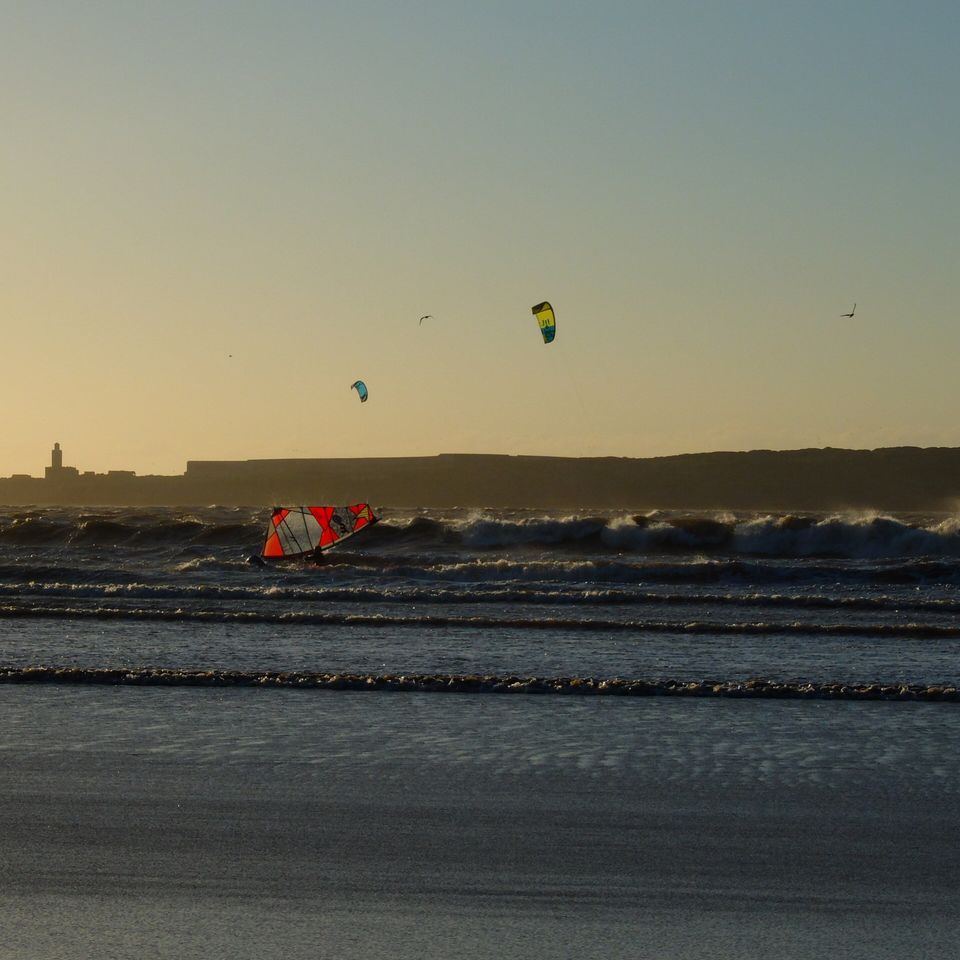
Essaouira beach curves for several kilometres from the medina to the mouth of the Oued Ksob. Mornings belong to joggers, riders and football games; in the afternoon, as the trade wind picks up, the kitesurfers take over. At low tide, a walk south leads to the ruins of Borj El Berod, a watchtower that collapsed in 1856, then to Dar Soltane, the sultan’s summer palace swallowed by the dunes, and the village of Diabat.
Offshore, the Mogador islands, the ancient Purple Isles, once held a Phoenician trading post and later Roman-era purple-dye workshops. Today they are a nature reserve where landing is forbidden without a permit: admire them from the ramparts and the beach, or take a boat trip round them from the harbour without going ashore. Eleonora’s falcons nest there from April to October.
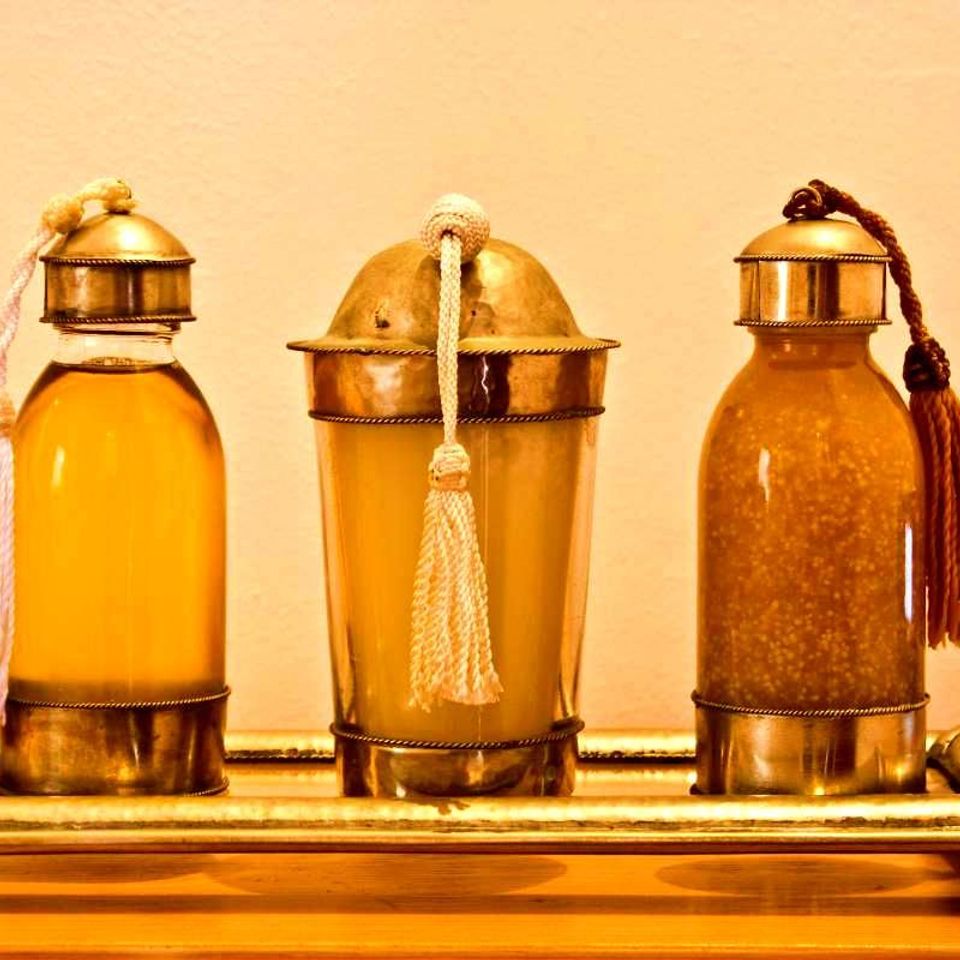
About 25 km south, Sidi Kaouki is a surf village watched over by the white shrine of the saint who gave it his name, with grilled fish served in front of a vast beach. To the north, Moulay Bouzerktoun draws windsurfers from around the world. In between, the hinterland offers argan forests, women’s argan oil cooperatives, weekly rural souks and hikes to the Cap Sim lighthouse. See all our ideas in the Things to do section.
Essaouira with kids
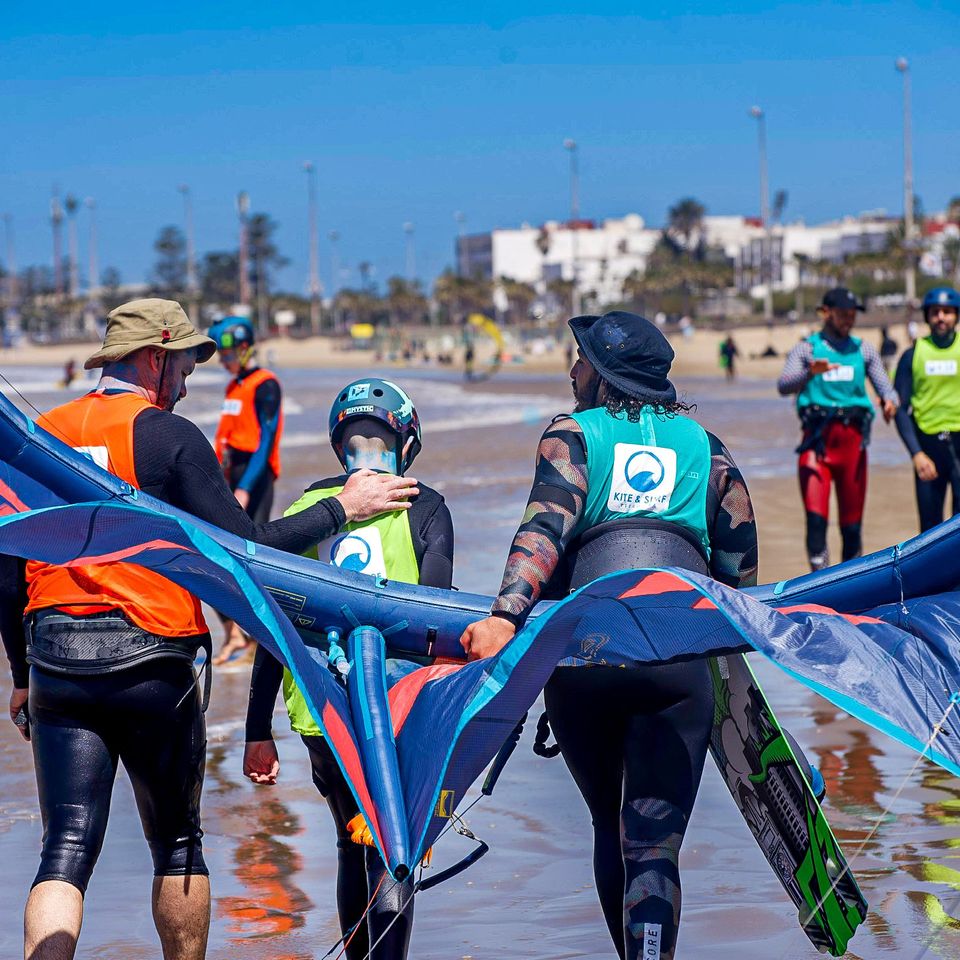
A car-free medina, short distances and a mild climate make Essaouira one of the easiest Moroccan cities to visit with children. The beach is the main playground, with horse and camel rides on offer along the sand. Surf schools take children for group or private lessons on the small waves of the bay, provided they can swim. In the medina, the bustle of the port, the cats of the Skala and the craft workshops keep younger travellers busy: at the marquetry cooperative below the Skala, children can watch craftsmen working thuya wood. Around town, riding centres such as the Ranch de Diabat run gentle rides on the beach and in the dunes.
A romantic break in Essaouira
Evening light on the ramparts, dinner facing the ocean, a hammam booked just for two: Essaouira suits a couple’s escape. If you are staying in the medina, start with breakfast on a roof terrace facing the ocean, such as the one at Villa Maroc. In the afternoon, the rooftop pool at Heure Bleue Palais, a Relais & Châteaux member, lets its guests linger over teatime. At sunset, walk to the end of the harbour jetty or along the Skala ramparts, then choose a piece of filigree silver from the craftsmen of the jewellers’ souk. For pampering, most of the town’s spas and hammams offer treatments for couples.
Free things to do in Essaouira
- Get lost in the medina early in the morning, when the lanes are empty and the bread ovens are being lit.
- Watch the boats come in and the catch being sold on the quays.
- Walk to Borj El Berod and Dar Soltane, ruins with free access, at low tide, and watch the birds at the mouth of the Oued Ksob.
- Listen to the Gnaoua: every late June, the Gnaoua World Music Festival fills the town with free open-air stages; the 27th edition, held on 25-27 June 2026, drew more than 300,000 festival-goers according to the organisers.
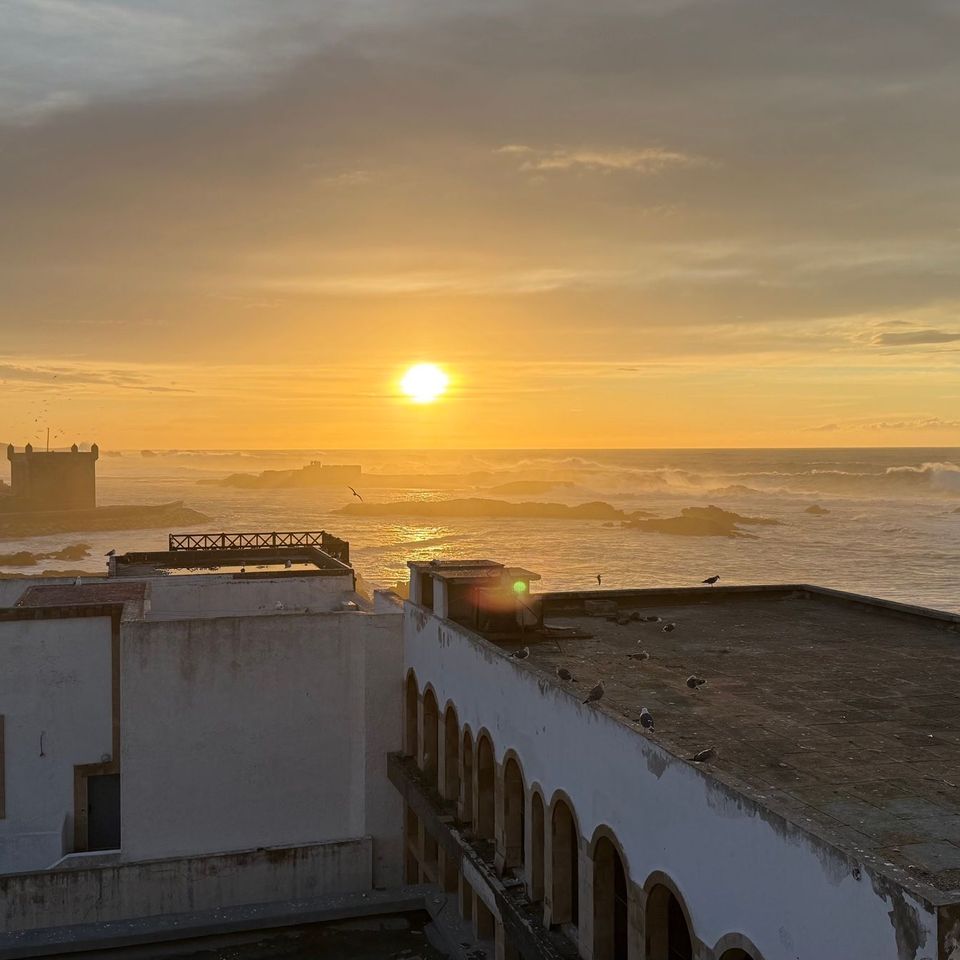
- Watch the sun set behind the islands, from the ramparts or the beach.
Unusual Essaouira
- The round bastion of the Skala de la Kasbah, where regulars suggest you speak from the centre: the echo amplifies your voice surprisingly.
- Thuya puzzle boxes, whose hidden opening mechanisms shopkeepers are happy to demonstrate.
- The low street of the Mellah, along the ramparts, where a house straddles the lane at head height.
- Orson Welles’s footsteps: he shot part of his Othello, awarded at Cannes in 1952, in Mogador, and a medallion bearing his portrait decorates a small square named after him near the medina.
- The cats, unofficial owners of the town, asleep on market stalls, in baskets and in the front row at concerts.
Practical information
- How long: two or three days for the town, a week to add the coast and the hinterland.
- When to go: spring and autumn for sightseeing; April to September for wind and kitesurfing; the mild, quieter winter for waves.
- Getting around: on foot in the medina, by blue petit taxi outside the walls, by grand taxi to Sidi Kaouki or Moulay Bouzerktoun.
- Pack: a windproof jacket all year round, as the trade wind blows hard in the afternoon, especially in summer.
- Opening hours: museums and monuments often change their hours during Ramadan, so check the day before.