Must-see

Top things to see in Tangier: 11 must-visit sights

Médina de Tanger

What to see in Tangier? Between the walled medina, the Kasbah perched above the Strait of Gibraltar and the Atlantic coast at Cape Spartel, the city packs centuries of history into a few kilometres. Former legations, squares from the International Zone era, the sultan’s palace, an Art Deco cinema, legendary caves and an 1864 lighthouse: here are 11 must-see places in Tangier, from the monuments and museums of the old town to the natural sites along the coast.
Médina de Tanger
Médina de Tanger
Médina de Tanger
Médina de Tanger

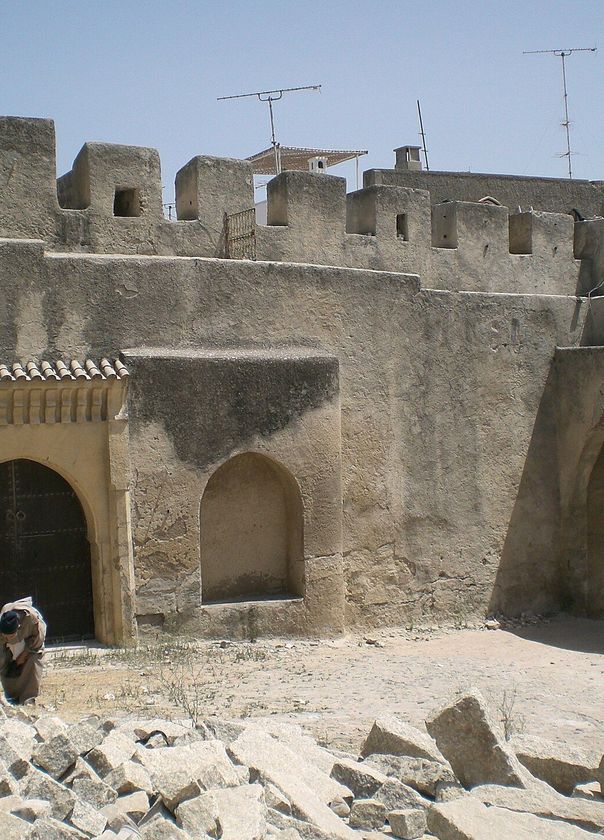
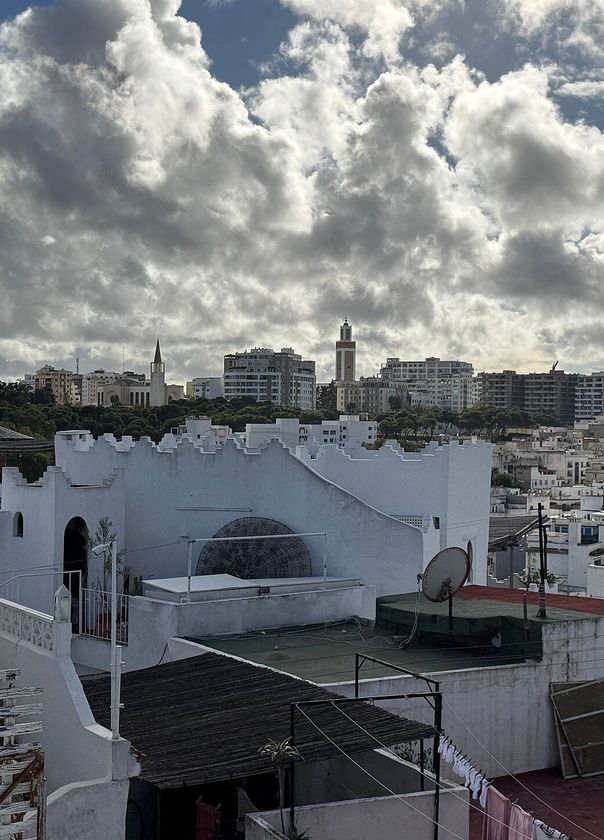
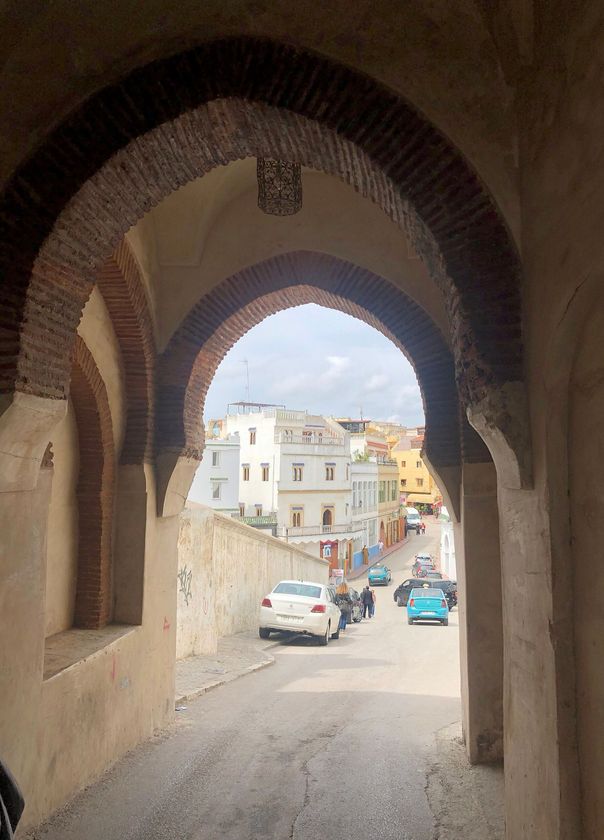
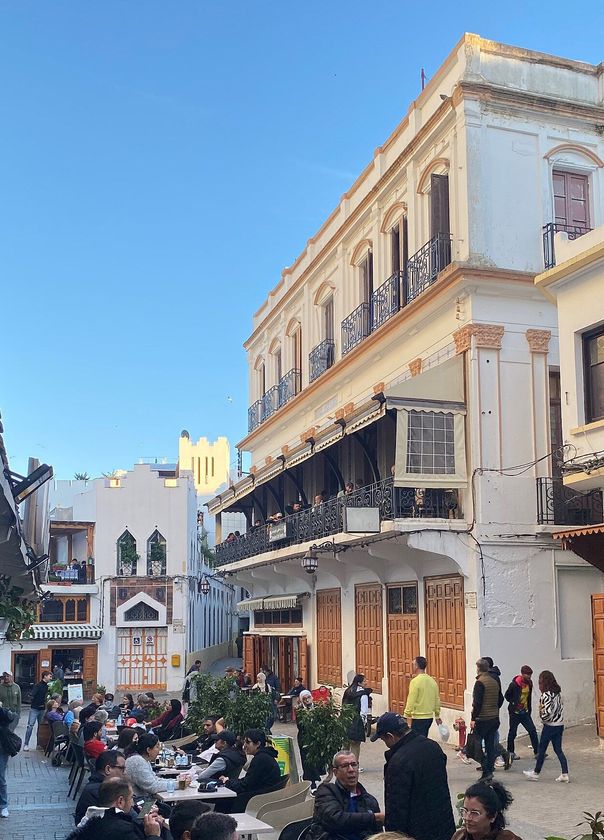
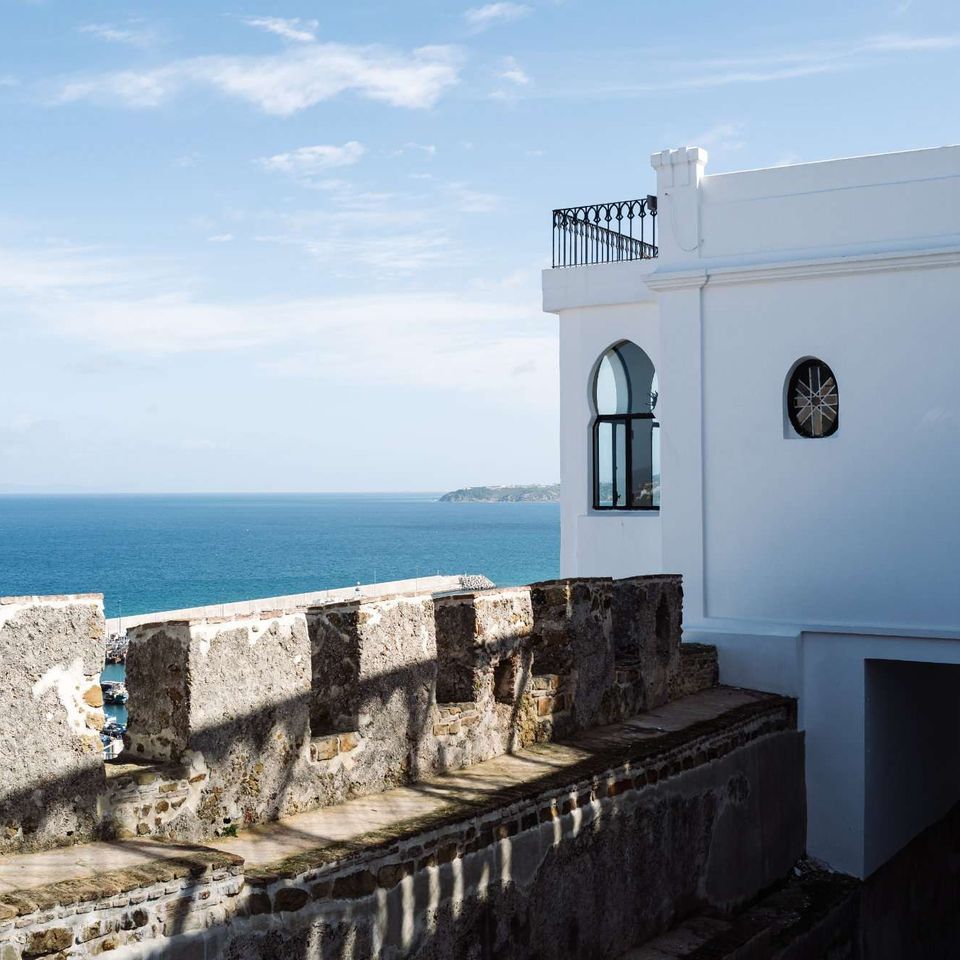
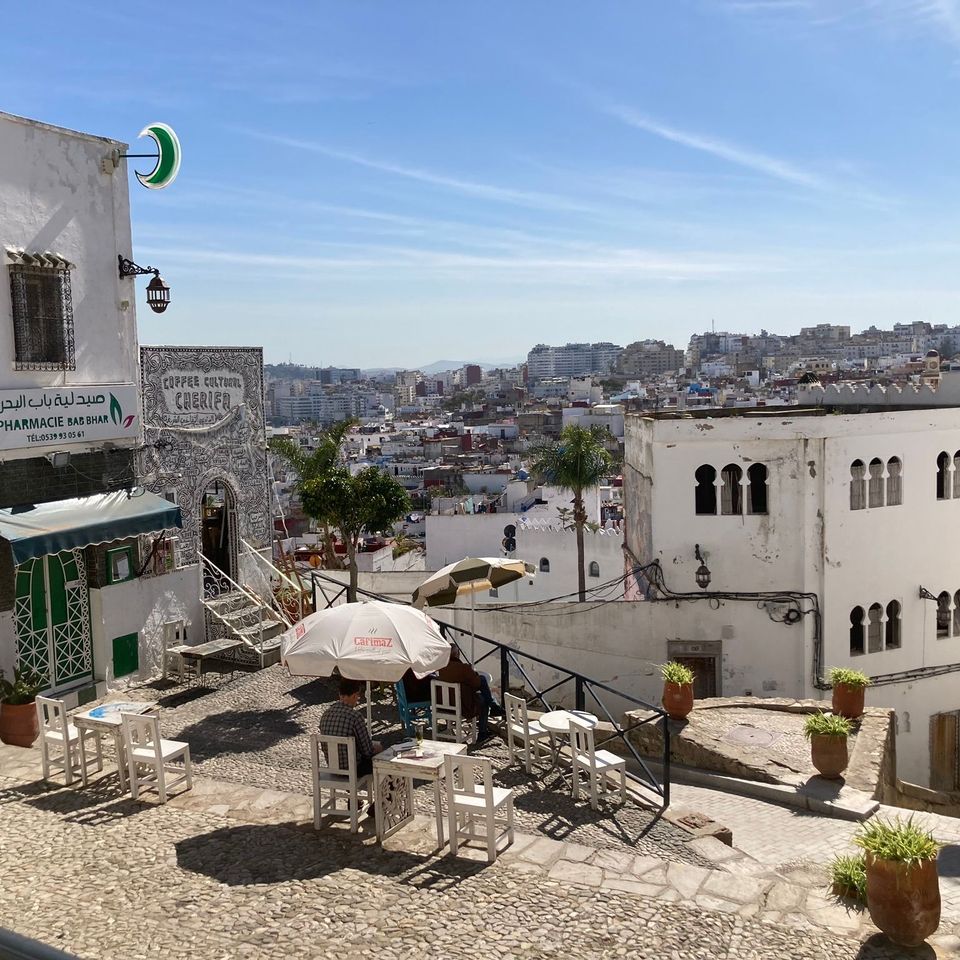
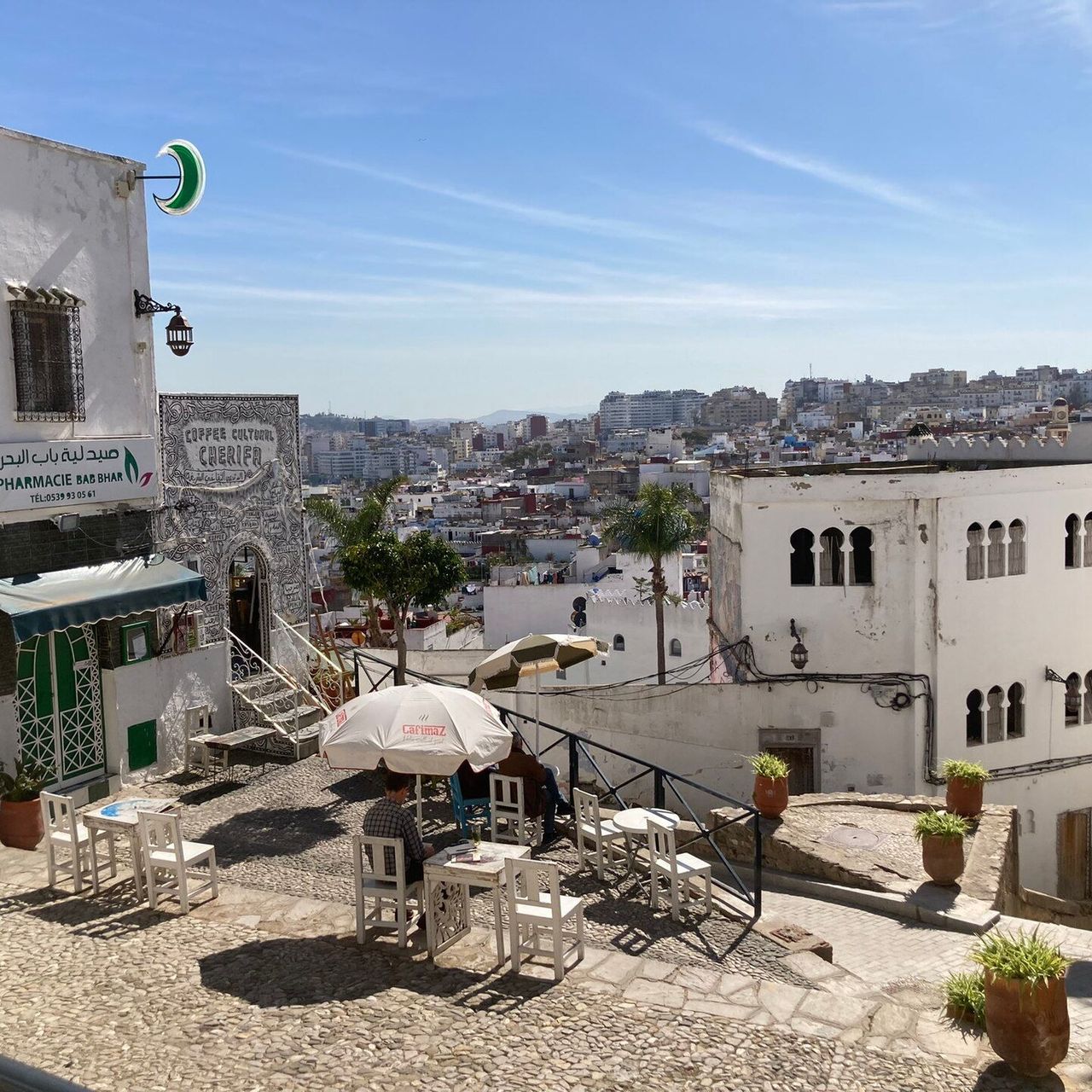
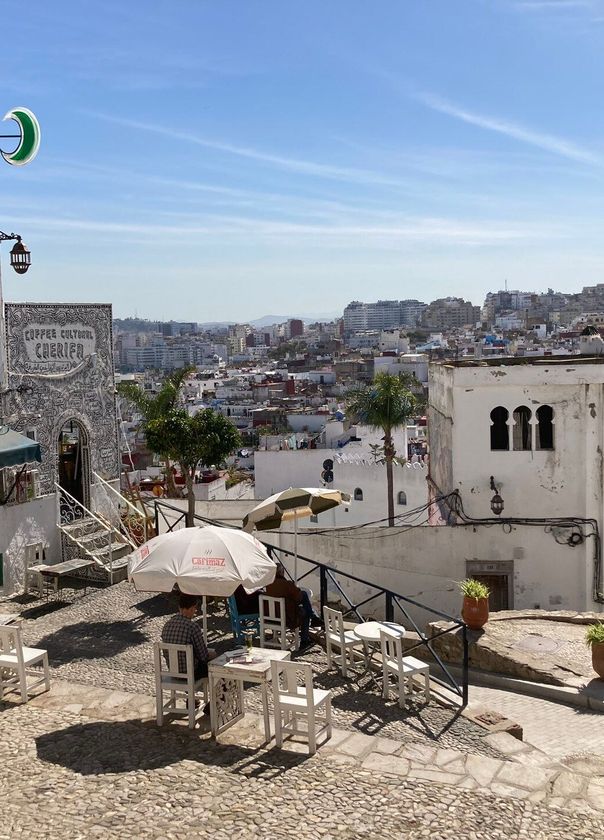
Clinging to the hill above the port, the old town is still enclosed by more than 1.8 km of ramparts, largely dating from the Portuguese period and restored since the early 2020s along with their bastions, fondouks and fountains. Around ten historic gates, including Bab Fahs and Bab Kasbah, open onto lanes lined with craft souks, squares and former legations. Free access, on foot: allow half a day, or a full day with the museums.

Musée de la Kasbah (Dar el Makhzen)

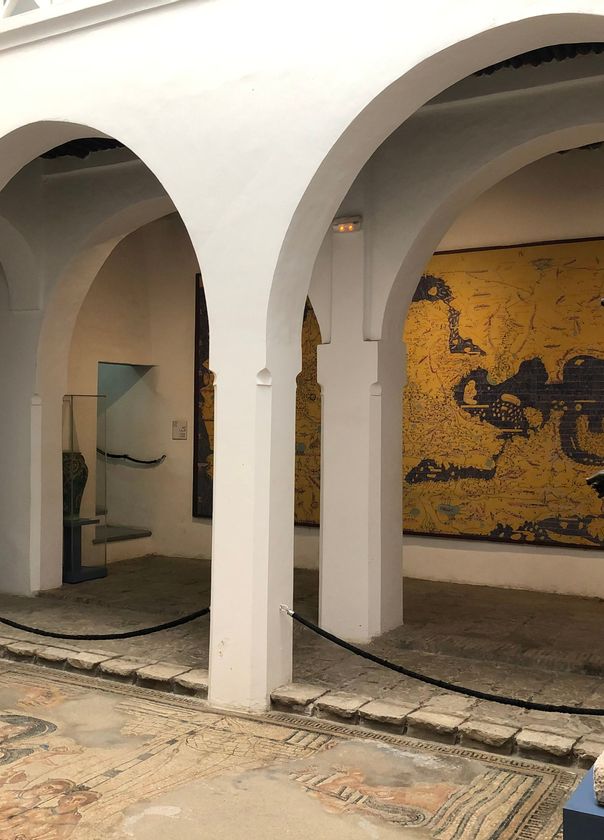
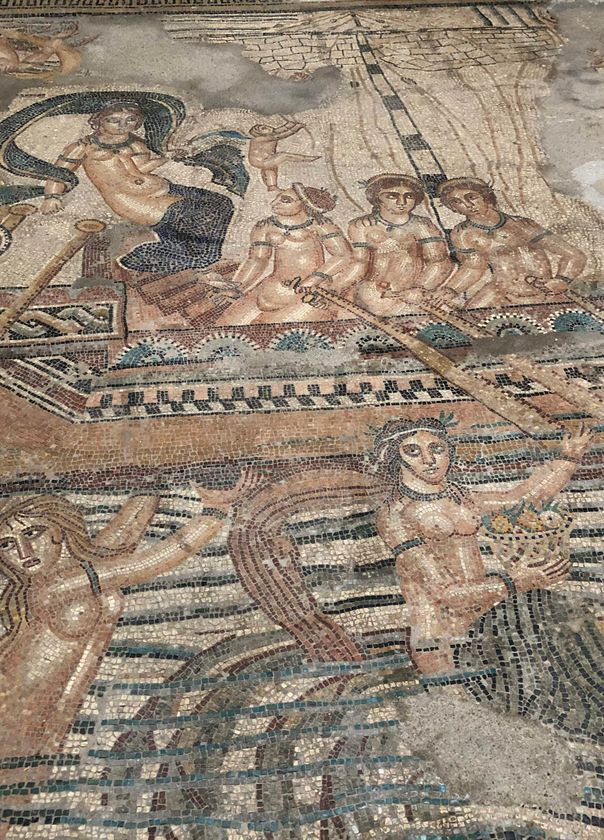
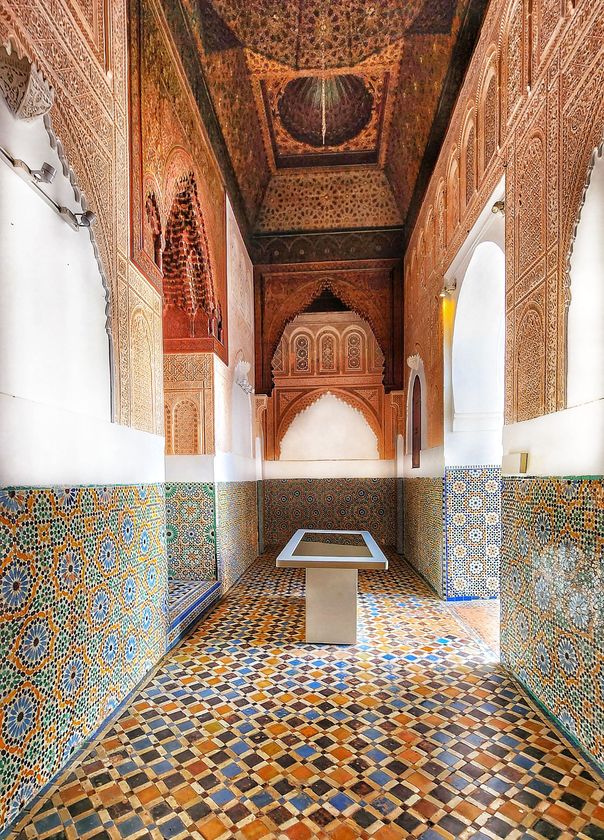
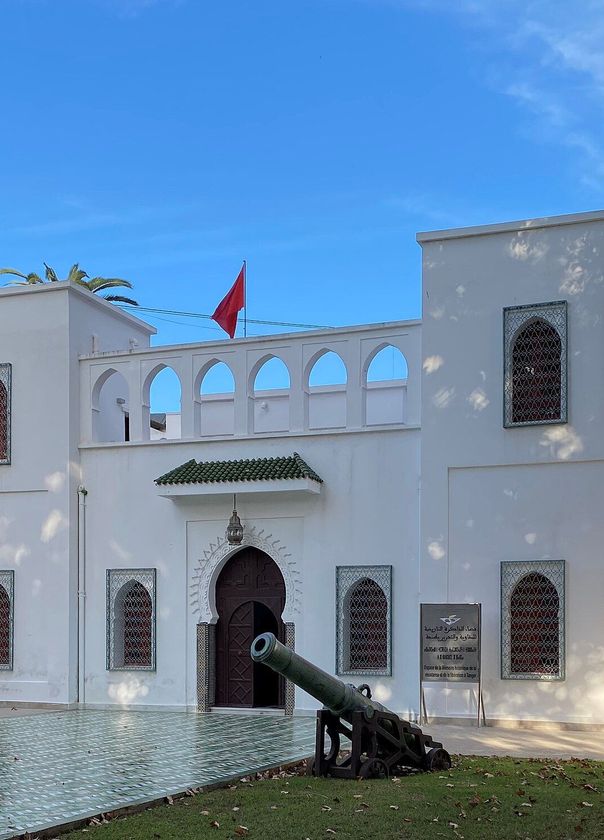
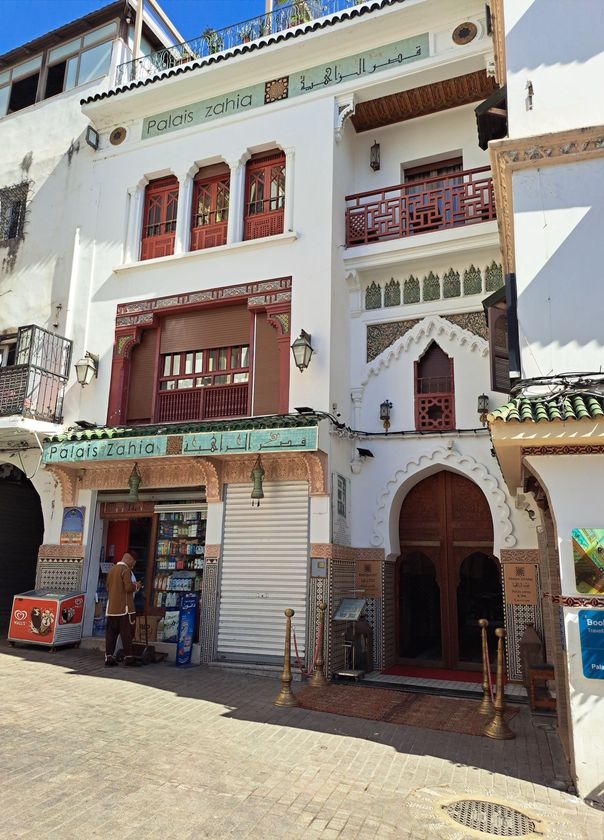
At the top of the Kasbah, the former sultan’s palace, Dar el Makhzen, stands on a site that was home to the Portuguese governors and then the English "upper castle". Renovated and reopened in 2016 by the National Museums Foundation, it houses the museum of Mediterranean cultures: Roman mosaics from Volubilis, an Almohad-era Quran and Fez silks, set around arcaded courtyards and marble fountains. Open 10am to 6pm, closed Tuesday.

Grottes d’Hercule
Grottes d’Hercule
Grottes d’Hercule
Grottes d’Hercule

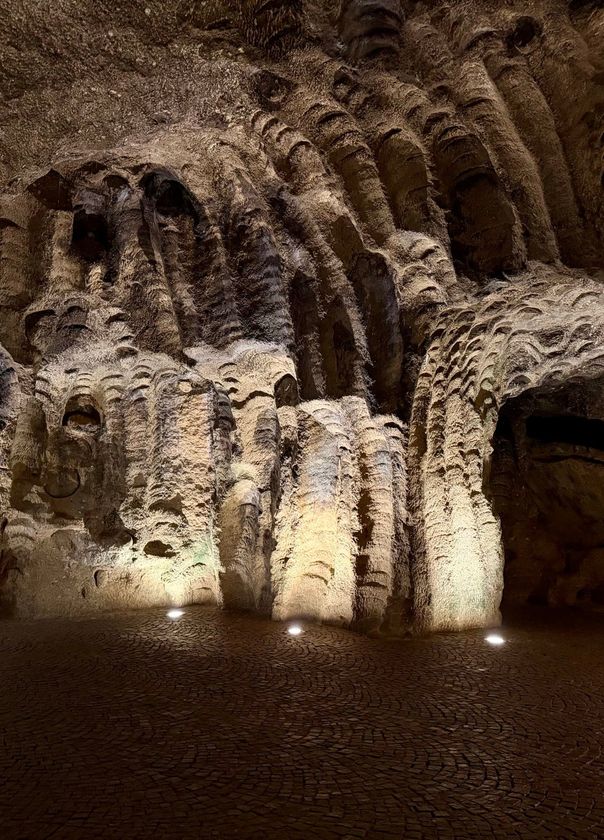
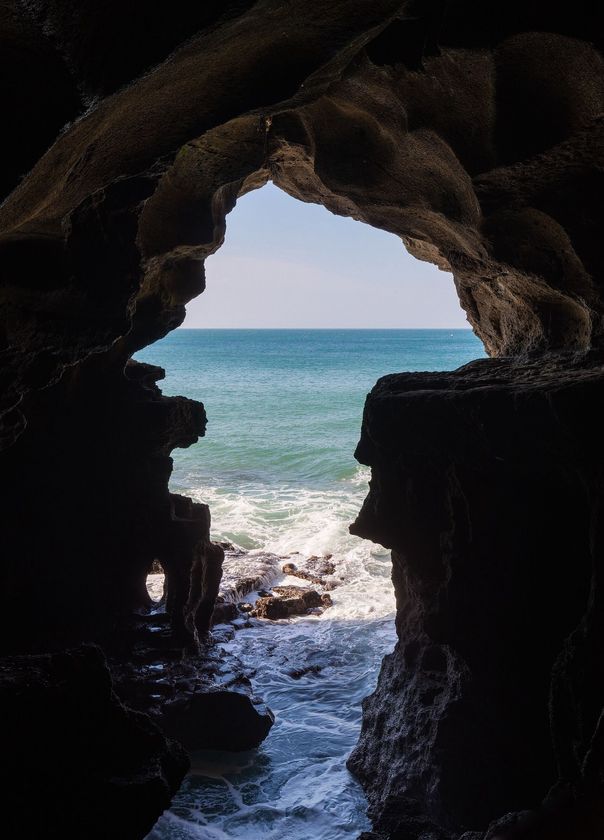
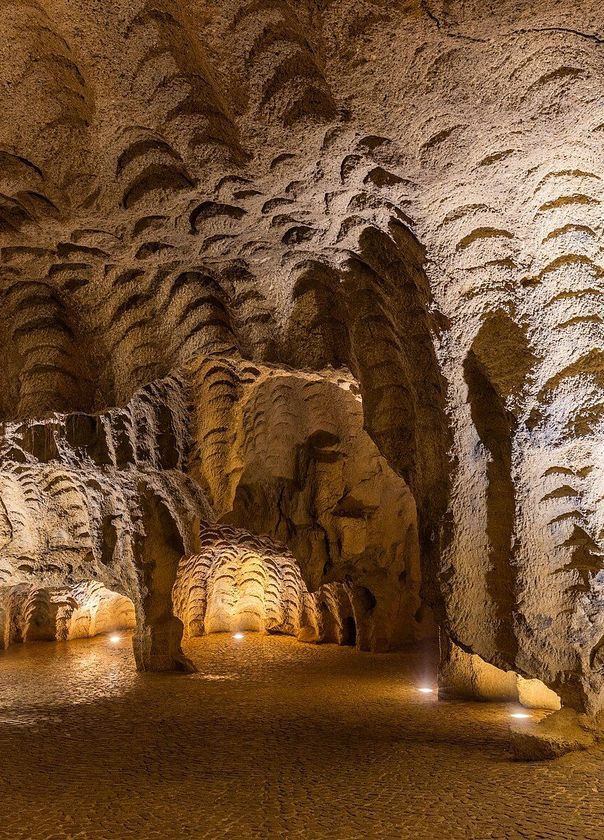
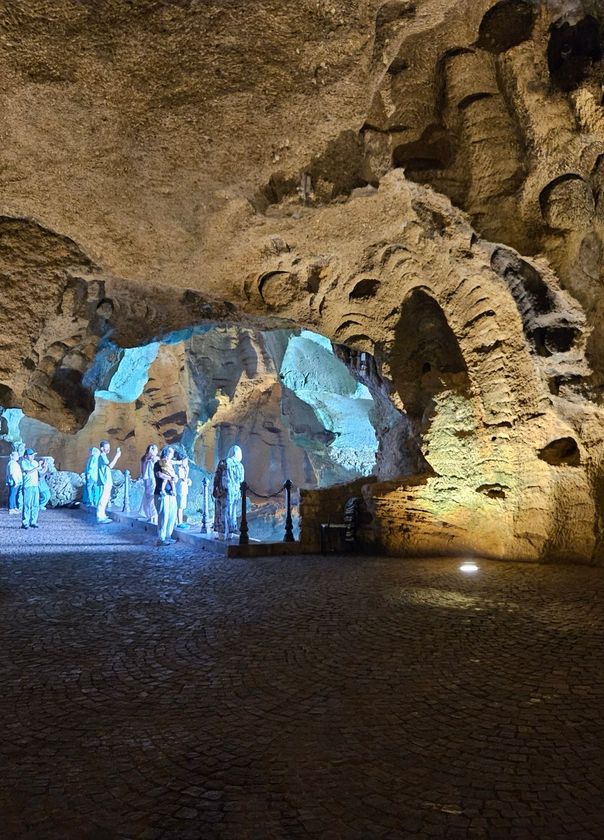
Some 14 km west of the city, beneath Cape Spartel, the Caves of Hercules open onto the Atlantic through a gap whose outline recalls the map of Africa. Legend has it that Hercules rested here before his eleventh labour; more prosaically, millstones were cut from the rock here for centuries, and their imprints still cover the walls. Tangier’s most visited site takes 30 to 45 minutes to explore: come early in summer.

Tangier American Legation Museum

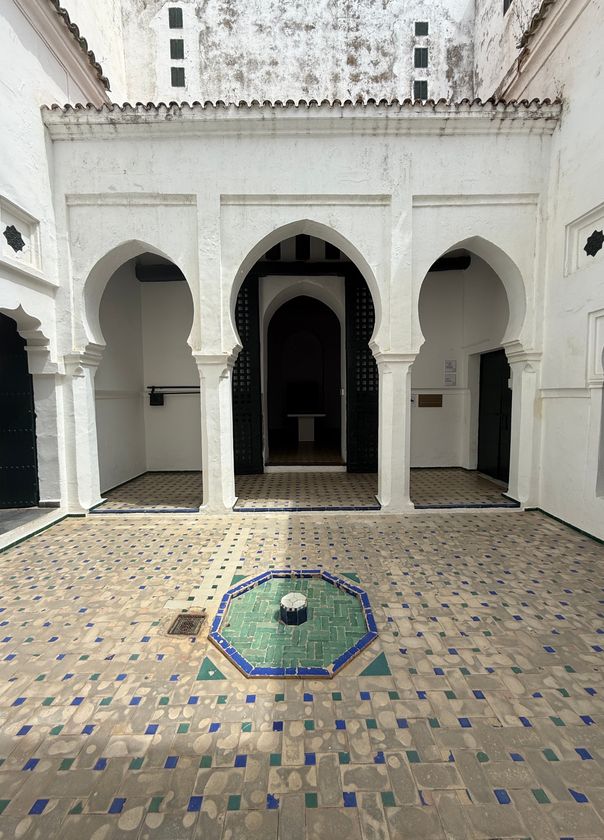
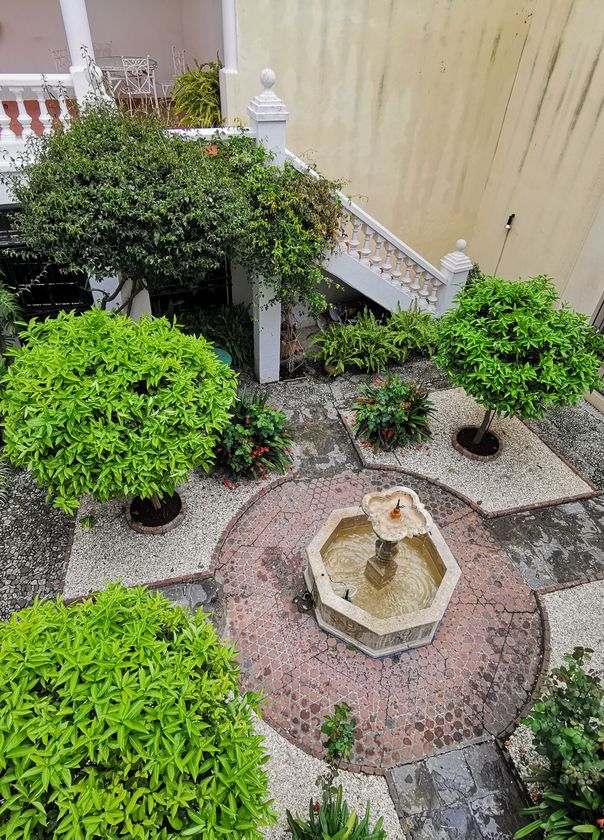
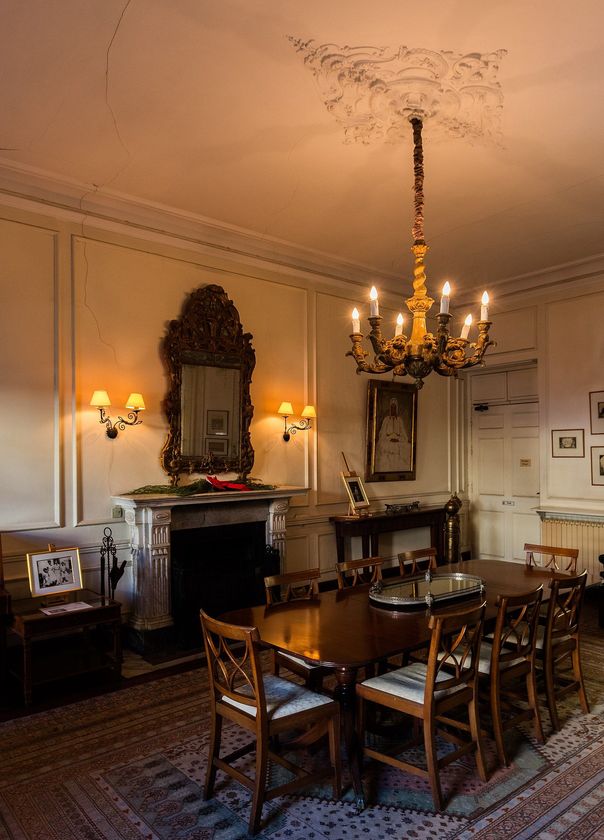
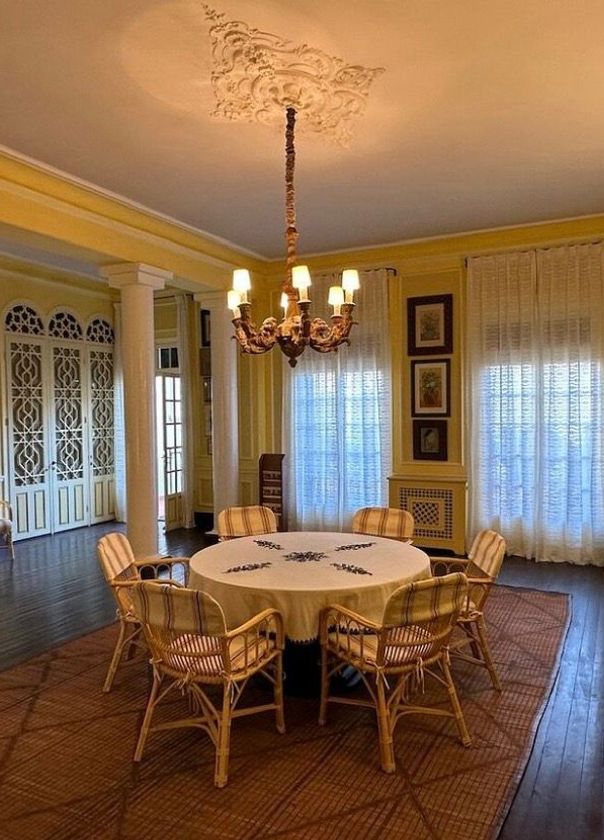
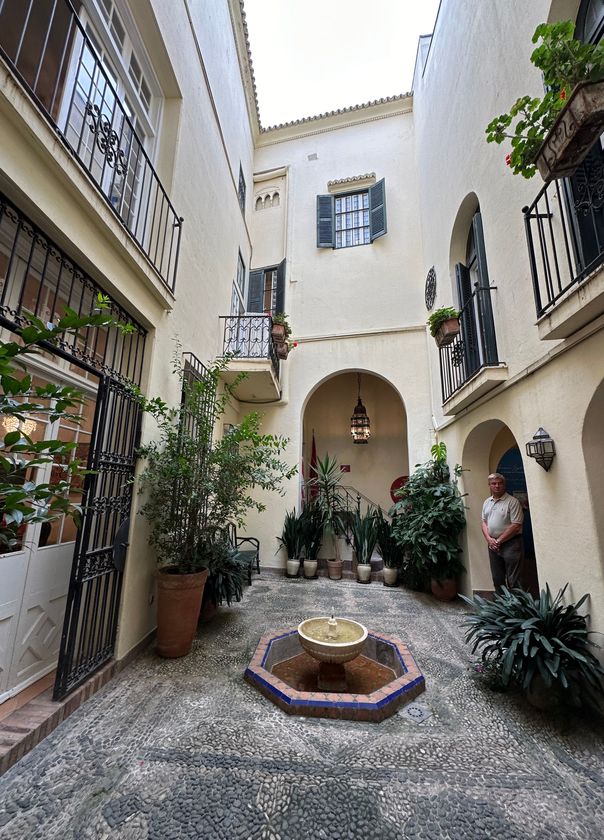
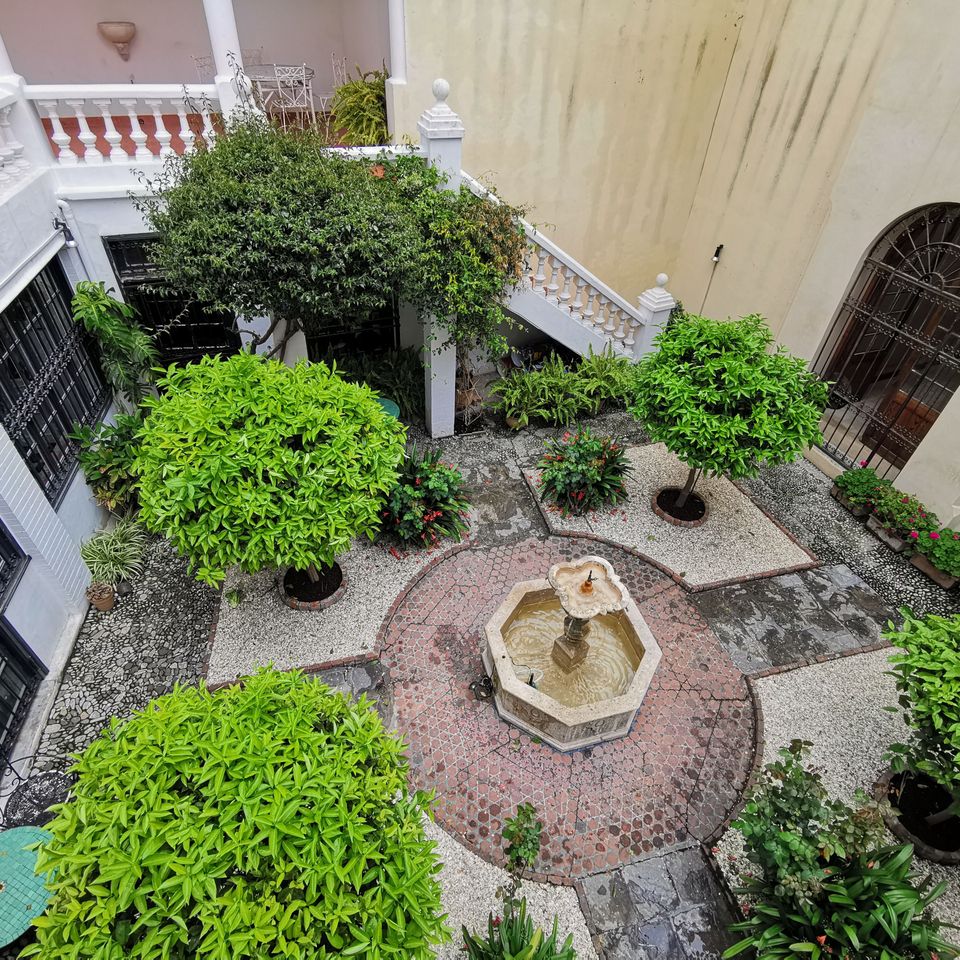
In 1821, Sultan Moulay Slimane gave this house in the medina to the young United States: it became the country’s first public property abroad. The only US National Historic Landmark outside the United States, the legation is now a museum of patios and period rooms, with a wing devoted to Paul Bowles and paintings by artists linked to Tangier. At 8 Rue d’Amérique, near the Petit Socco; open every day.

Cap Spartel et son phare

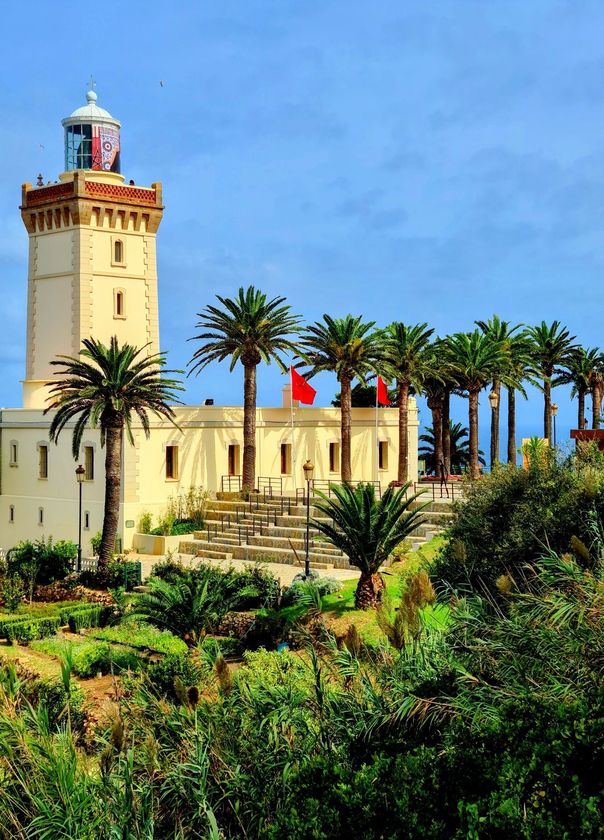
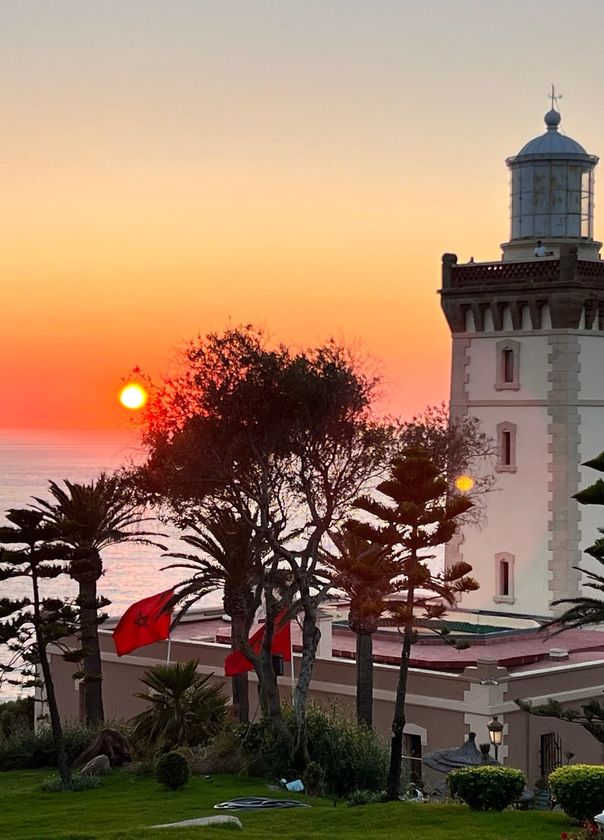
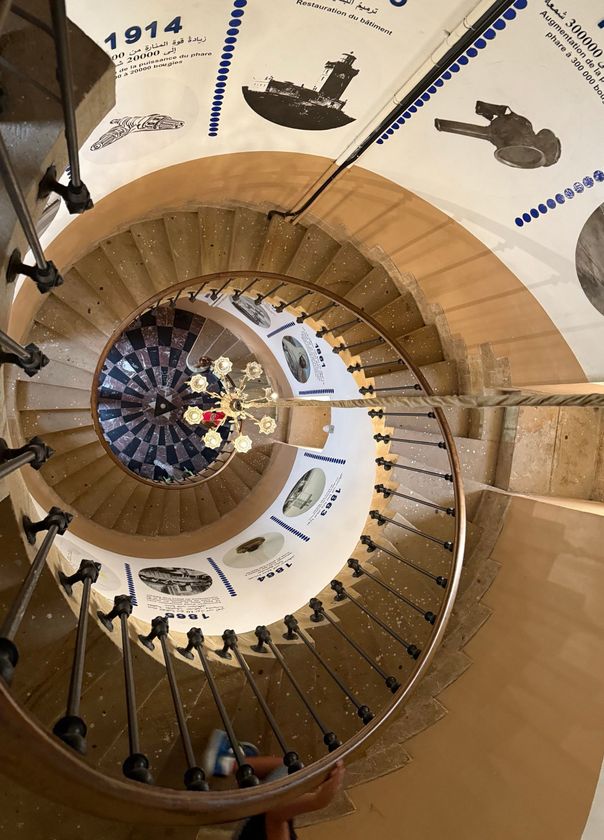
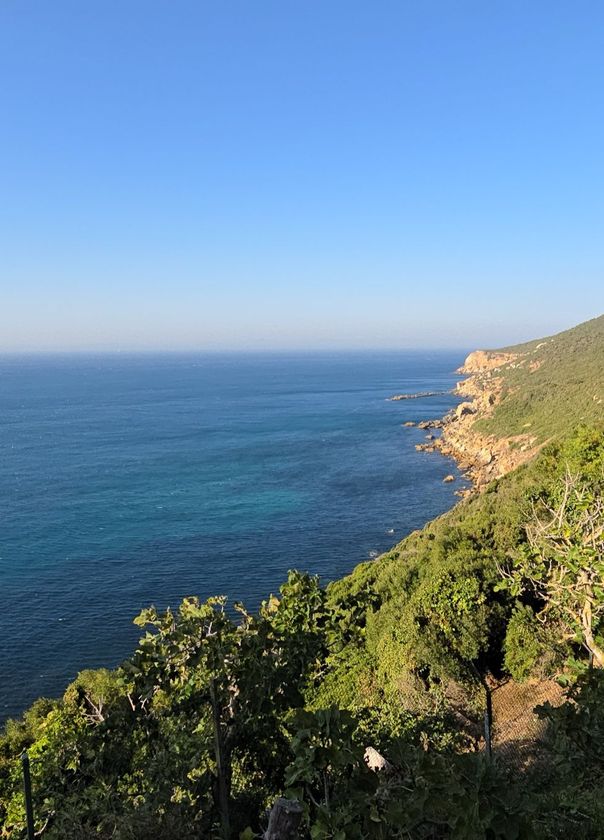
At the north-western tip of Africa, where the Atlantic meets the Mediterranean, Cape Spartel is crowned by a lighthouse first lit in 1864. Renovated in 2020-2021, the site brings together the national museum of maritime signalling, a botanical garden with more than 150 species and a café-restaurant. Come late in the day: the viewpoints around it offer one of the finest sunsets in the region. Easy to combine with the nearby Caves of Hercules.
Grand Socco (place du 9 Avril 1947)

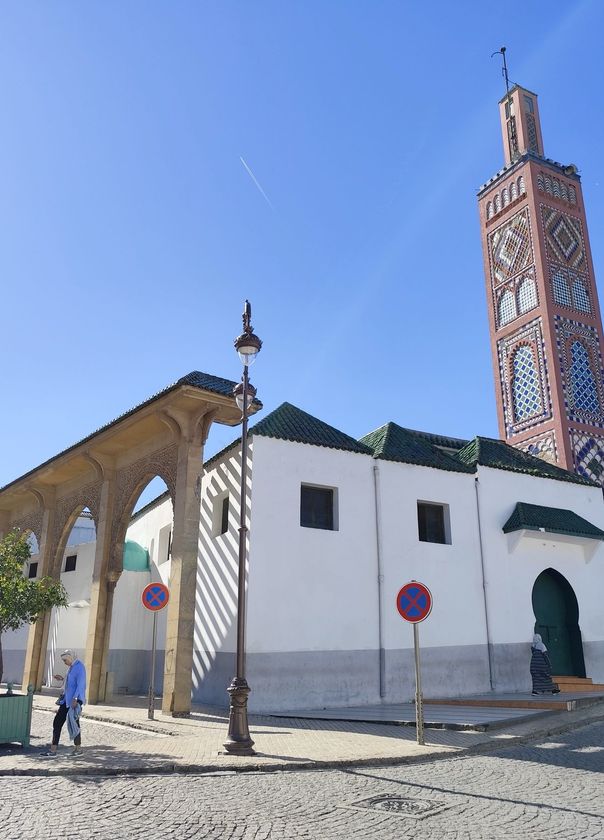
A palm-planted roundabout between the medina and the modern city, the Grand Socco is officially named Place du 9 Avril 1947, after Mohammed V’s speech for Moroccan unity, delivered in the neighbouring Mendoubia gardens. Around it stand the Sidi Bou Abib mosque with its ceramic minaret and the 1937 Cinema Rif, while on Thursday and Sunday mornings Rif women hold their market. It is the natural starting point for any walk through the old town.

Café Hafa
Café Hafa
Café Hafa
Café Hafa

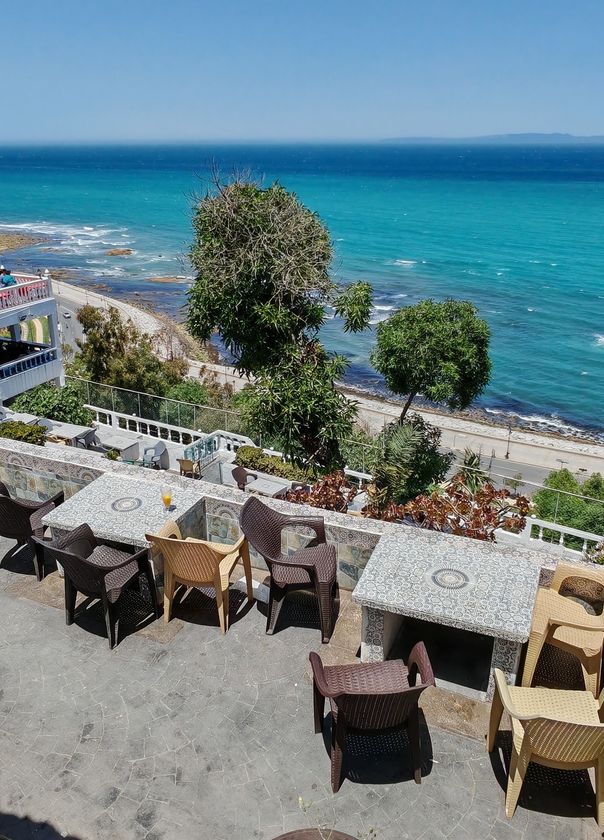
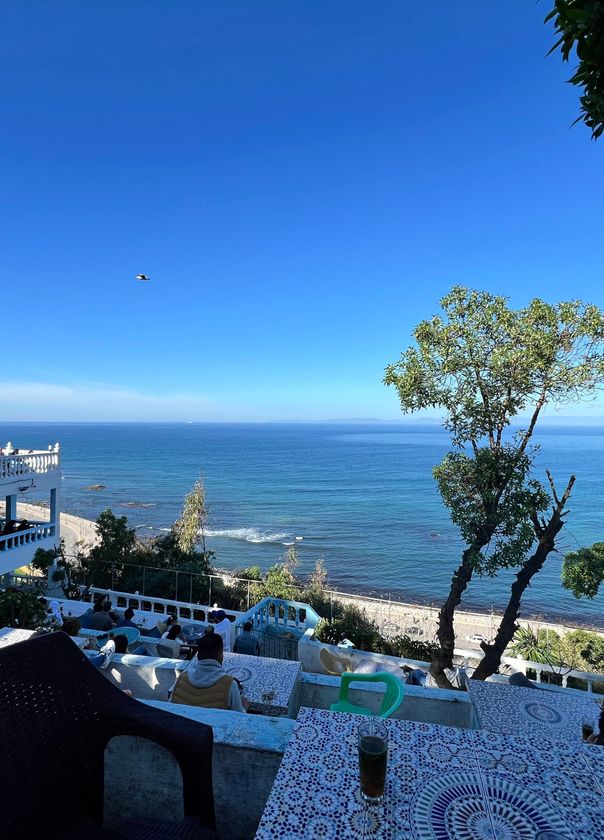
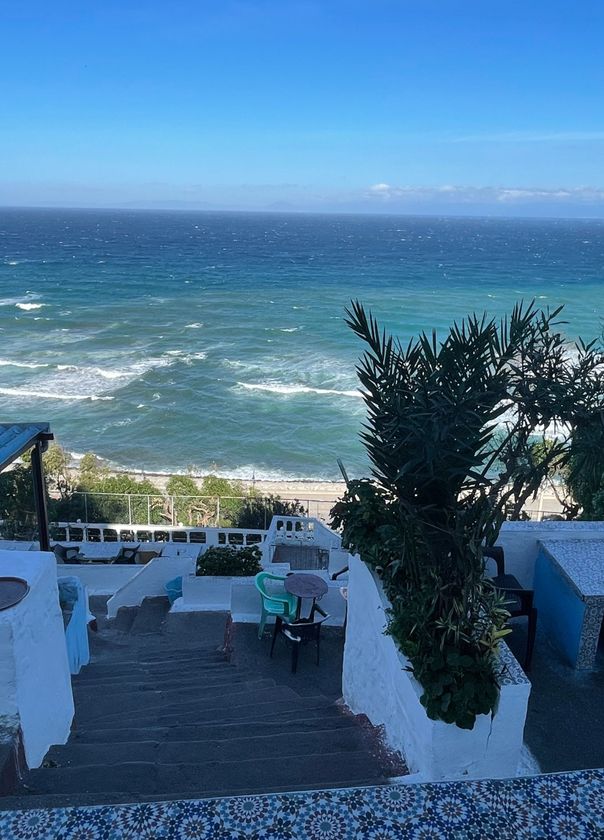
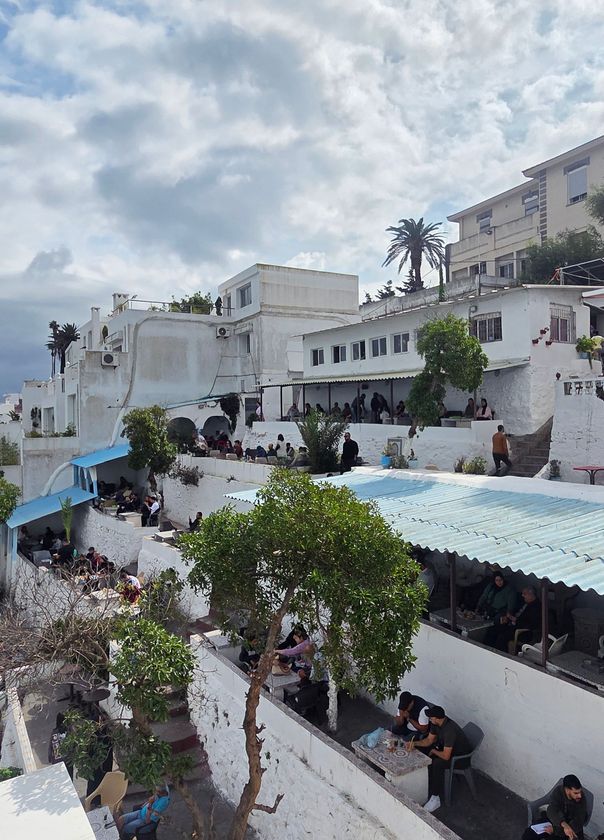
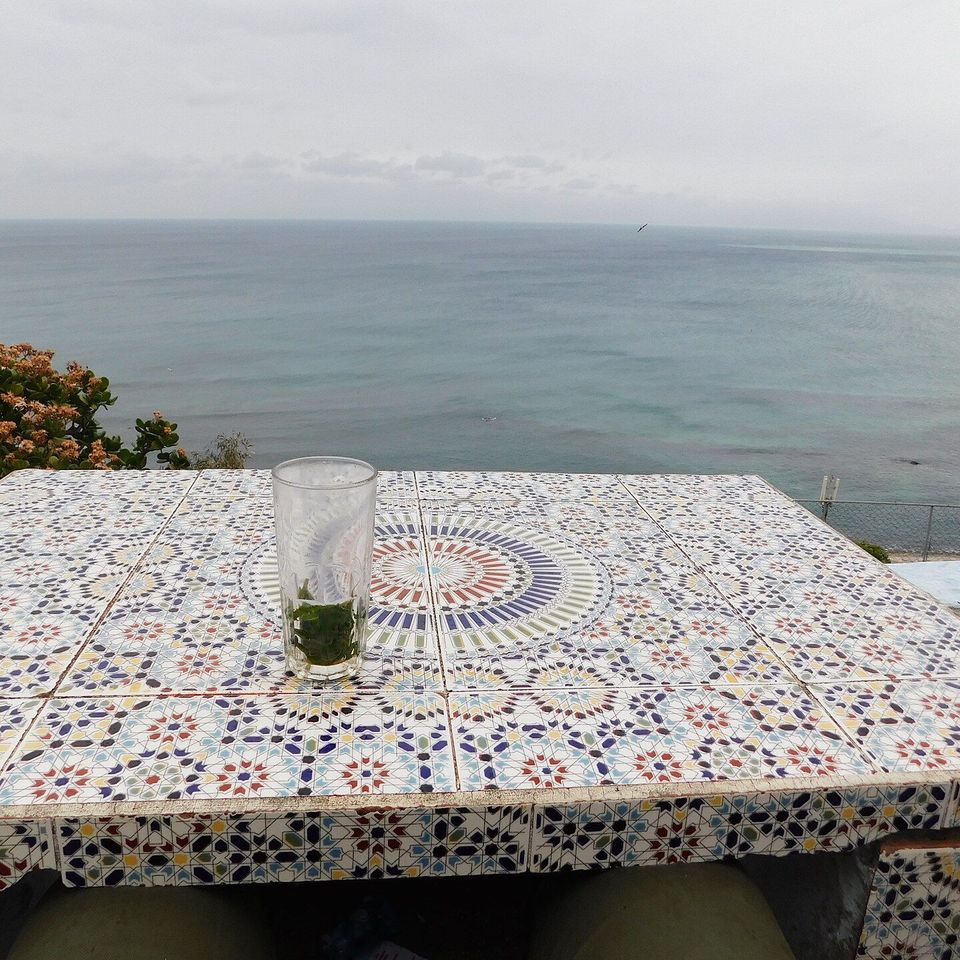
On the Marshan cliffs, Café Hafa has been serving mint tea since 1921 on five tiered terraces facing the Strait of Gibraltar, with Tarifa and the Andalusian coast in view on clear days. Deliberately simple, it is Tangier’s most famous café. Every evening the sunset brings together locals, students and travellers, along with the neighbourhood cats. Open daily from 9am to 11pm, no reservations: just take the first free table.

Petit Socco (Souk Dakhel)

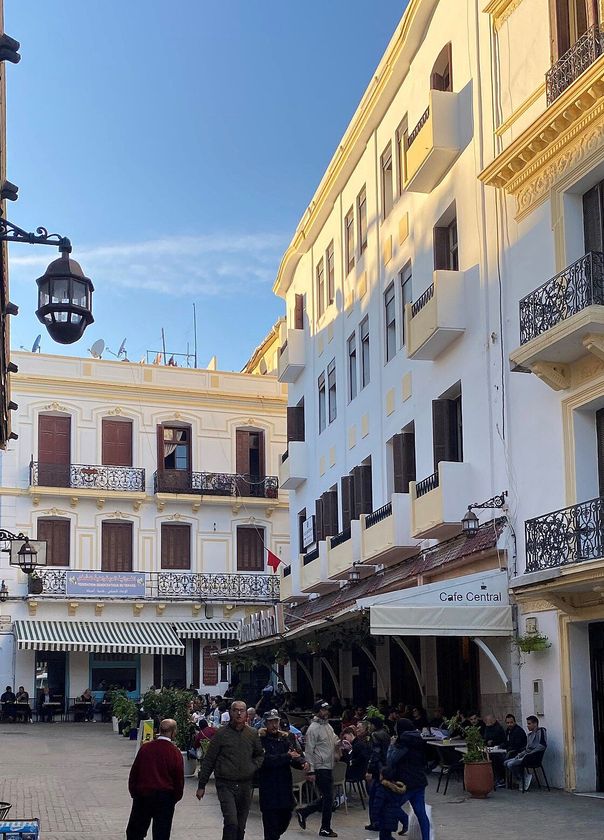
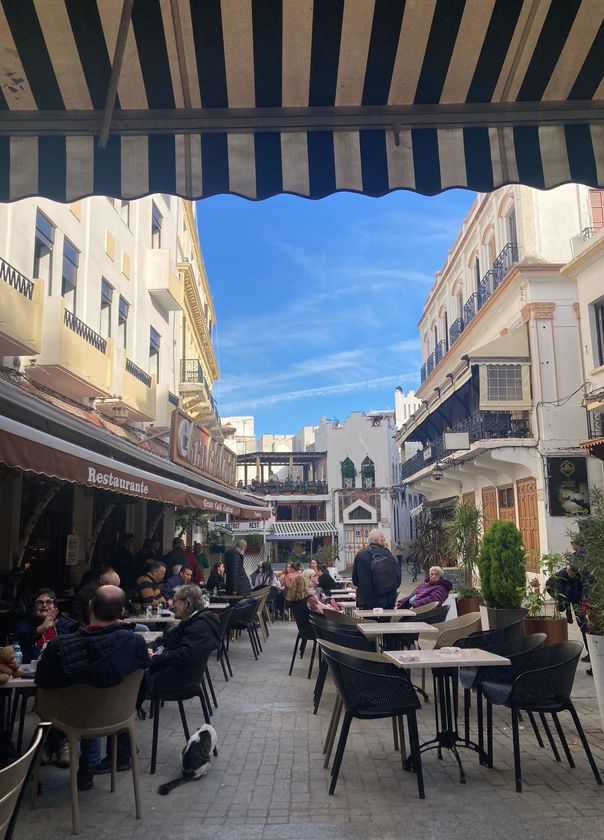
In the heart of the medina, the Petit Socco, or Souk Dakhel square, was the city’s information hub in the days of the legations: the British, Spanish, German and French post offices faced each other here. Balconied façades, a 1926 Art Deco building and historic cafés: the square has regained its style, with the Dar Niaba museum close by since 2022. Grab a terrace seat and watch the old town go by; mornings are quieter.

Cinémathèque de Tanger (Cinéma Rif)

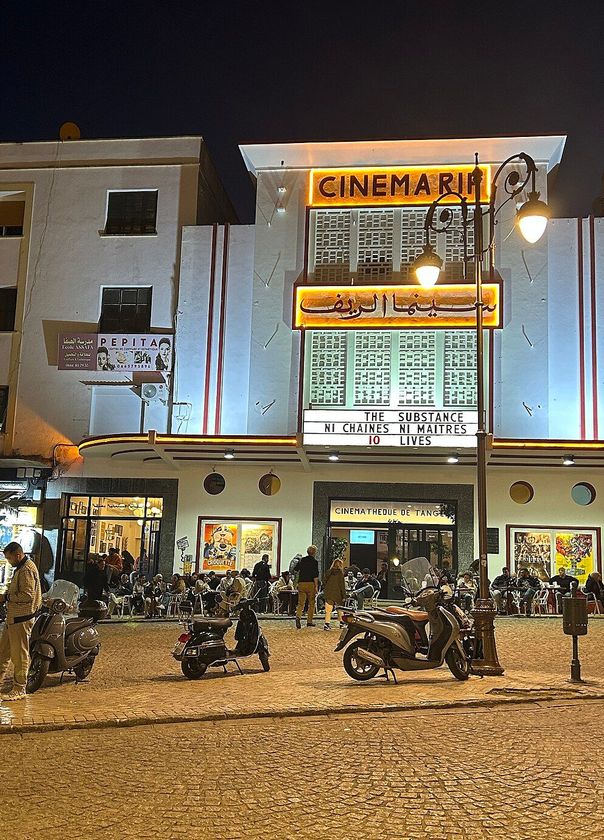
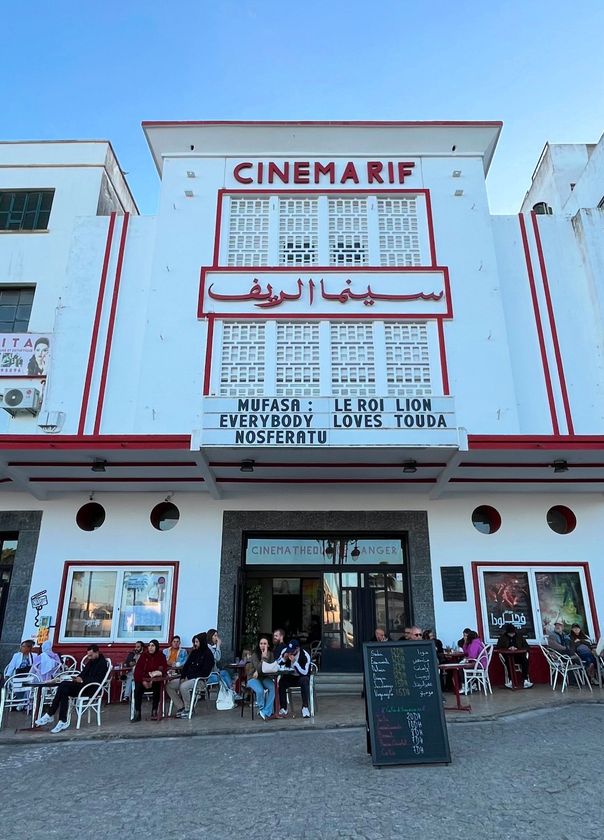
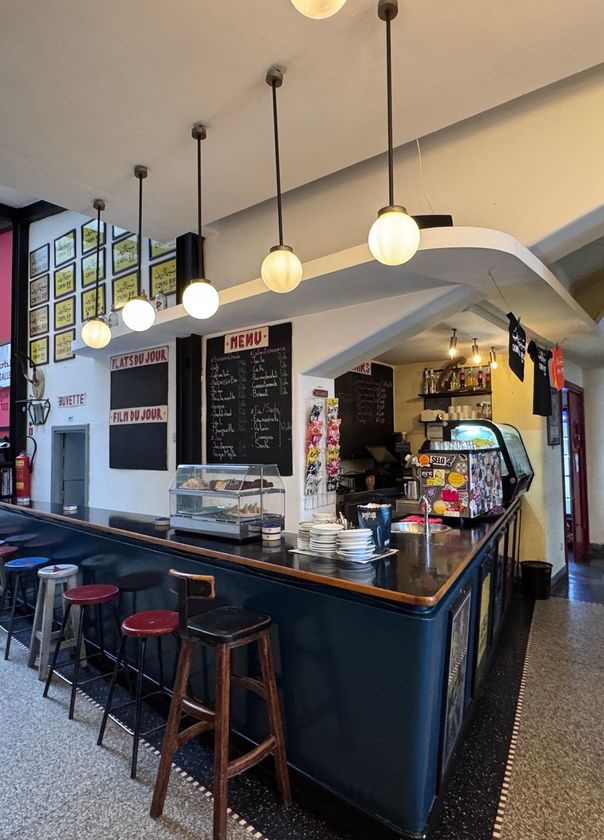
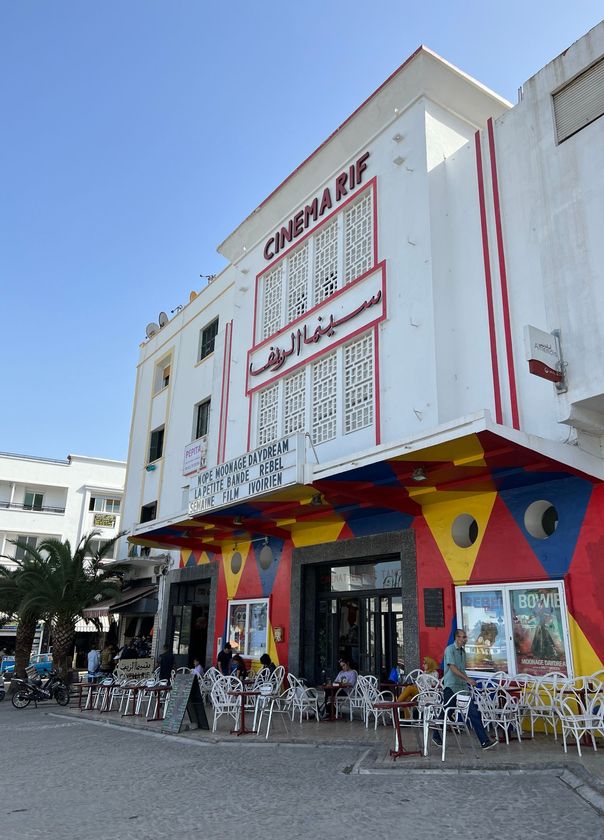
On the Grand Socco, the white Art Deco façade with red trim of the Cinema Rif, built in 1937, has become one of the images of Tangier. Bought in 2004 by photographer Yto Barrada, Irina Prentice and Cyriac Auriol, it has housed the Cinémathèque de Tanger since 2007, which describes itself as North Africa’s first cinema cultural centre: two screens, digitised archives, a library and films shown in their original language.

Église anglicane Saint-André

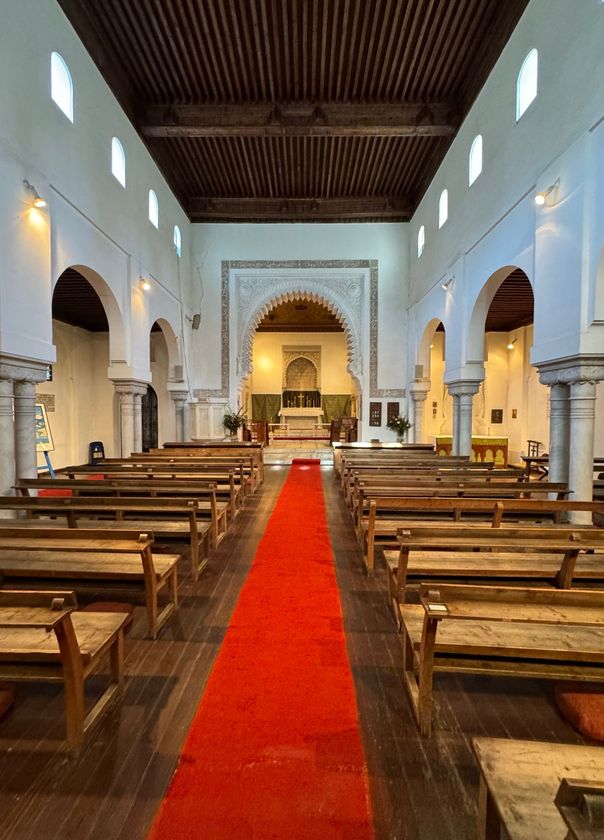
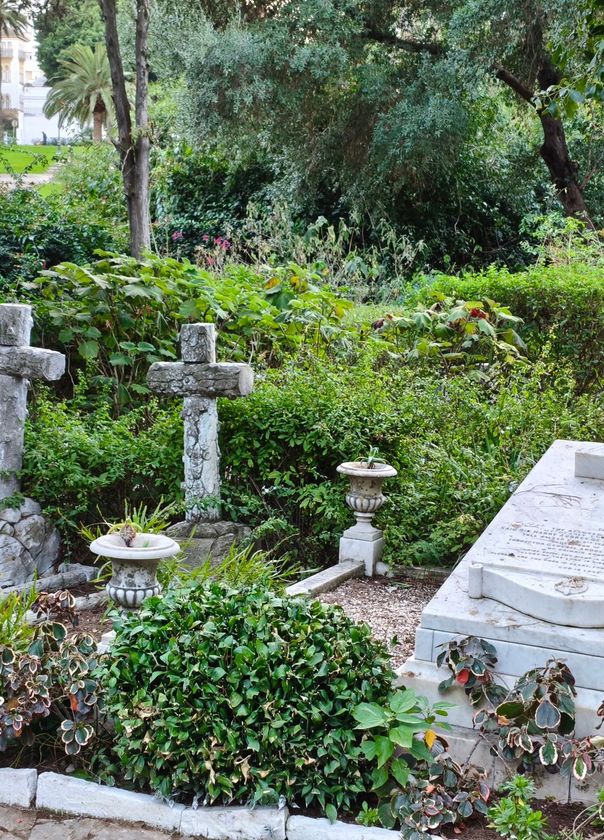
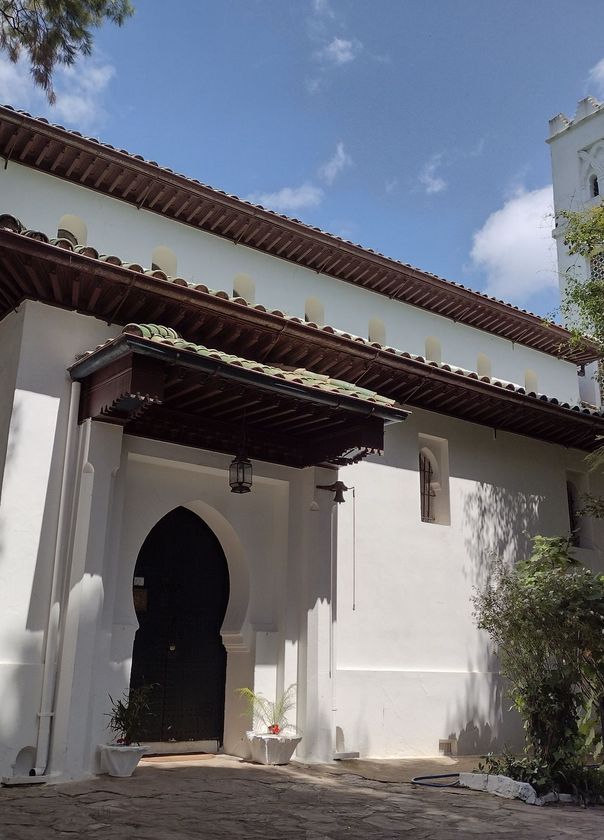
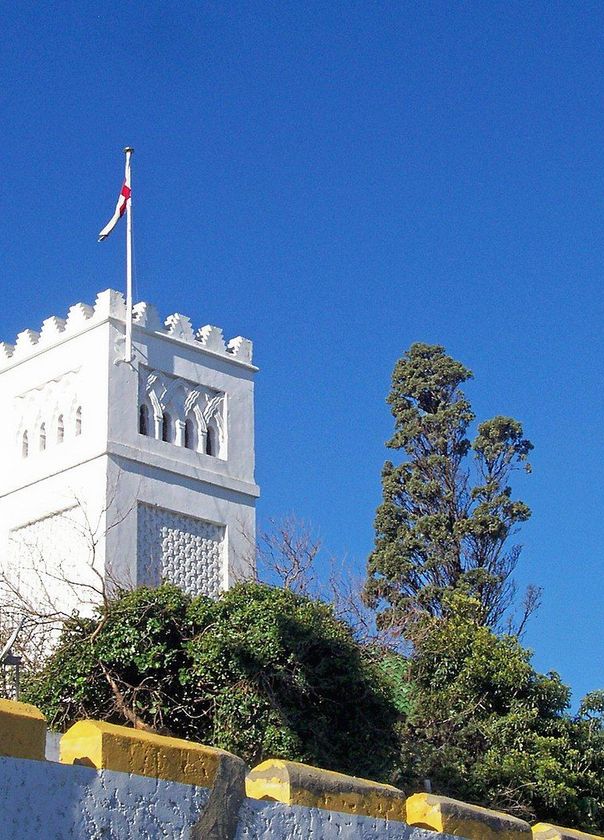
Above the Grand Socco, the Anglican Church of St Andrew, consecrated in 1905 on land given by Sultan Hassan I, borrows the language of Moroccan architecture: white walls, green tiles, a minaret-shaped bell tower and a nave of horseshoe arches. Its garden cemetery holds figures from cosmopolitan Tangier, including the journalist Walter Harris. Matisse painted it from his room at the nearby Grand Hotel Villa de France. Visits during the day with the caretaker.

Tombeau d’Ibn Battouta

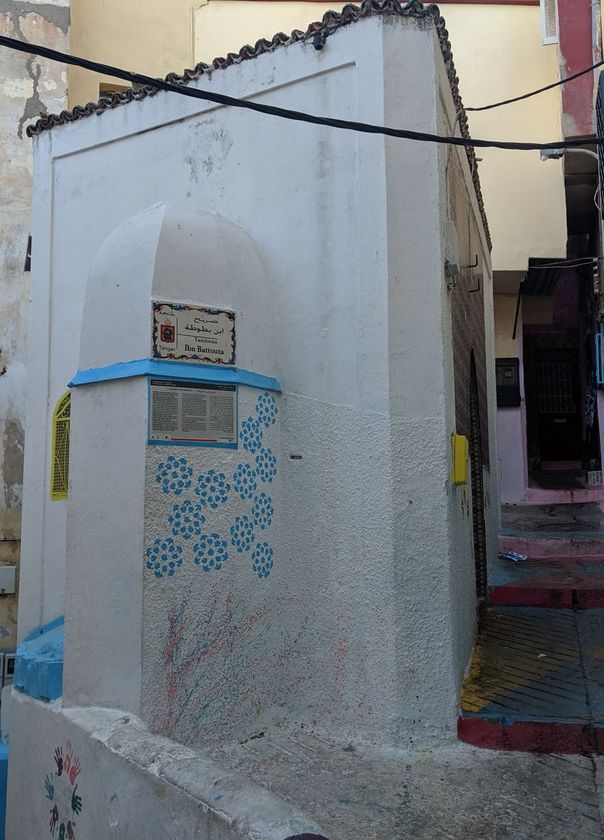
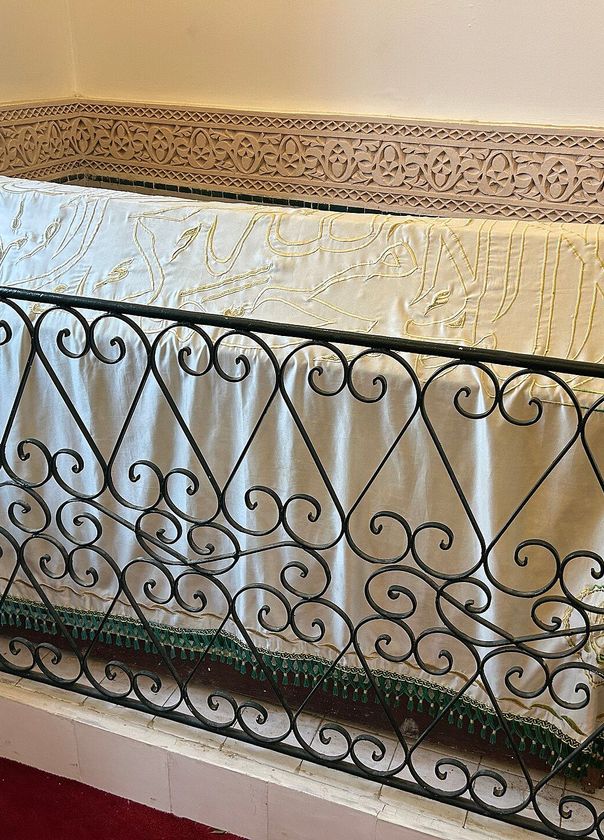
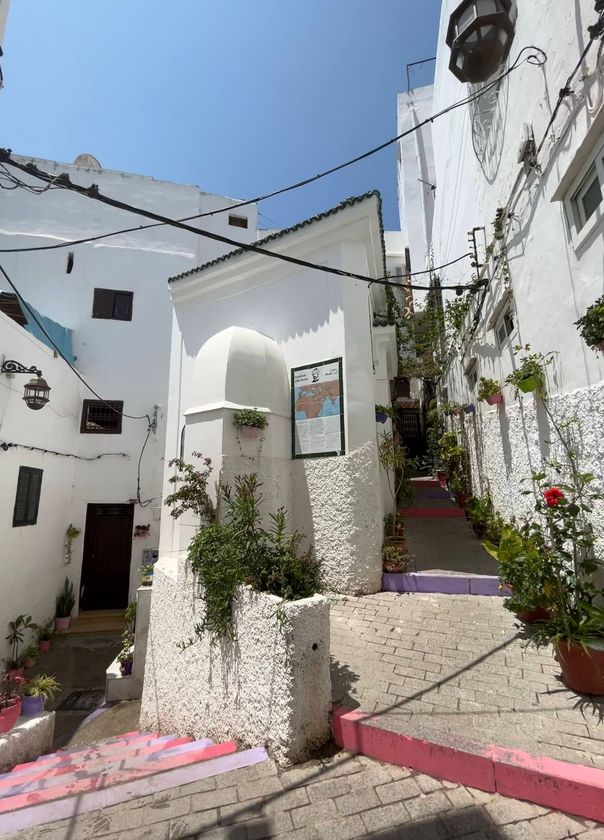
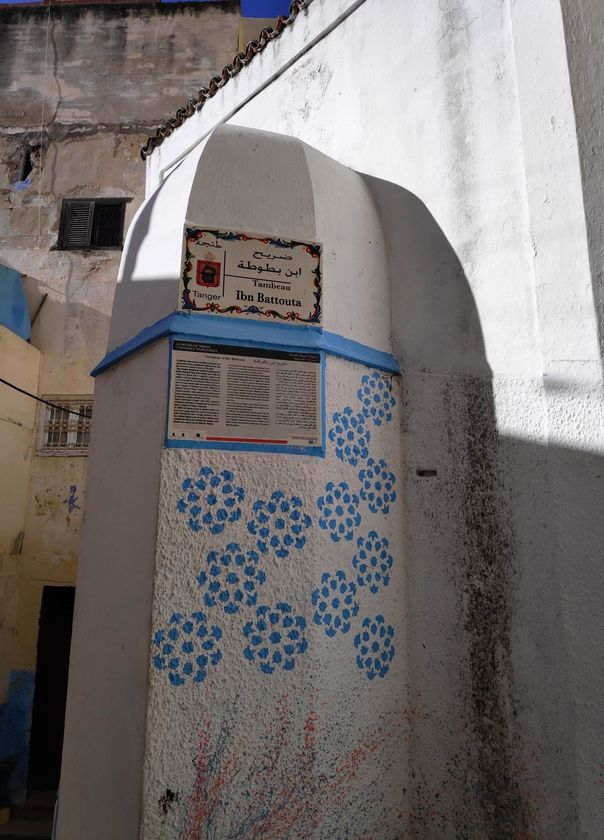
In the upper lanes of the medina, a small white mausoleum is said to hold the tomb of Ibn Battuta, born in Tangier in 1304, who travelled some 117,000 km across Africa, the Middle East, India and China before dictating his Rihla. Historians speak of a "presumed" tomb and the visit lasts only a few minutes, but it is a meaningful stop on the way up to the Kasbah. It is hard to find, so do not hesitate to ask the way.

Published