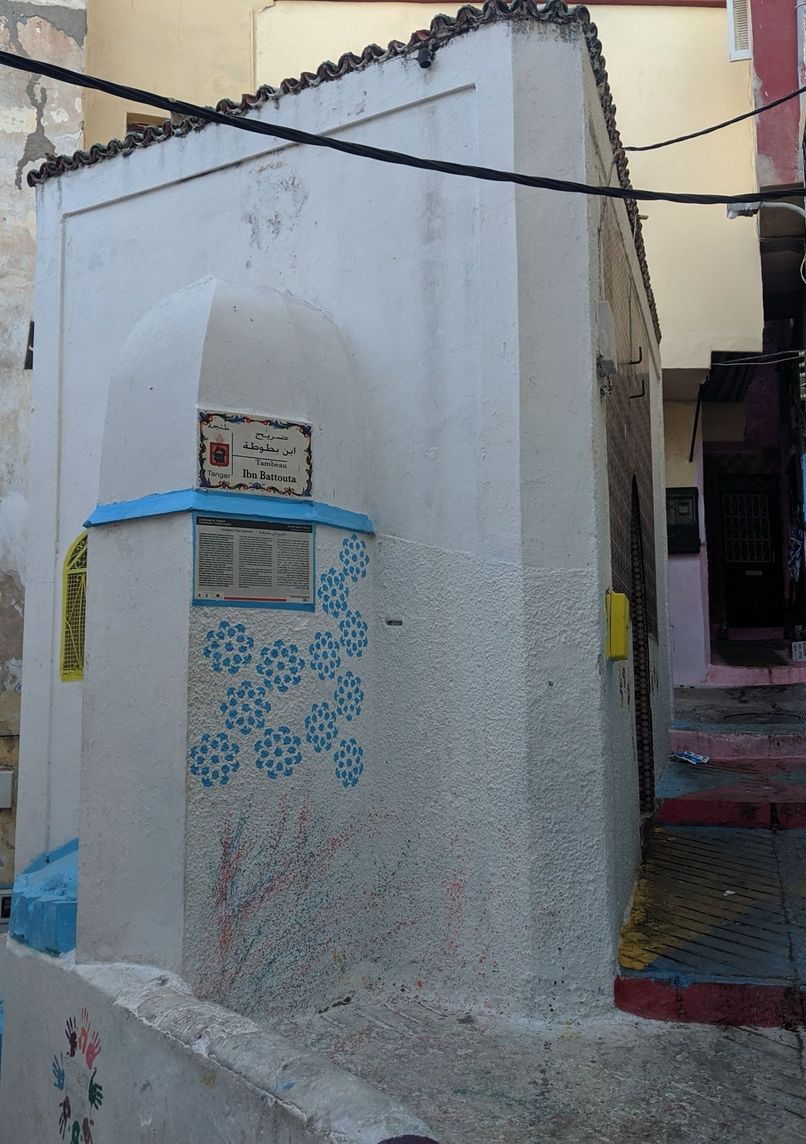
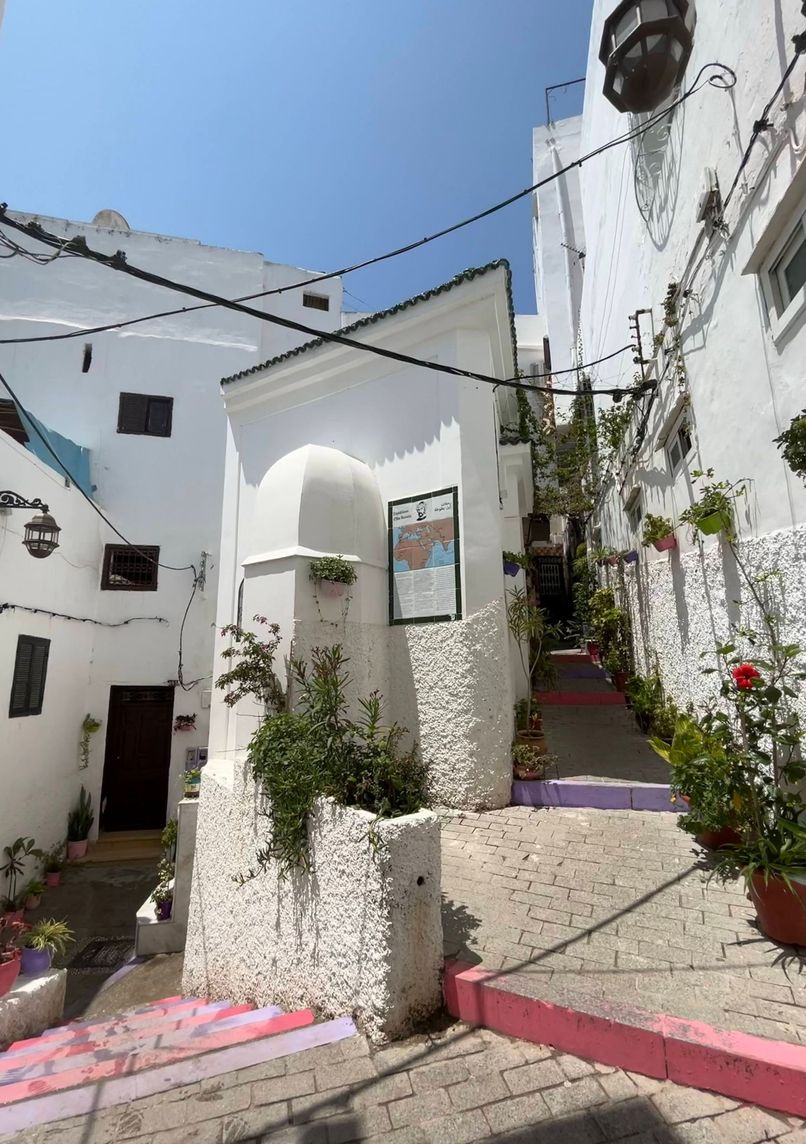
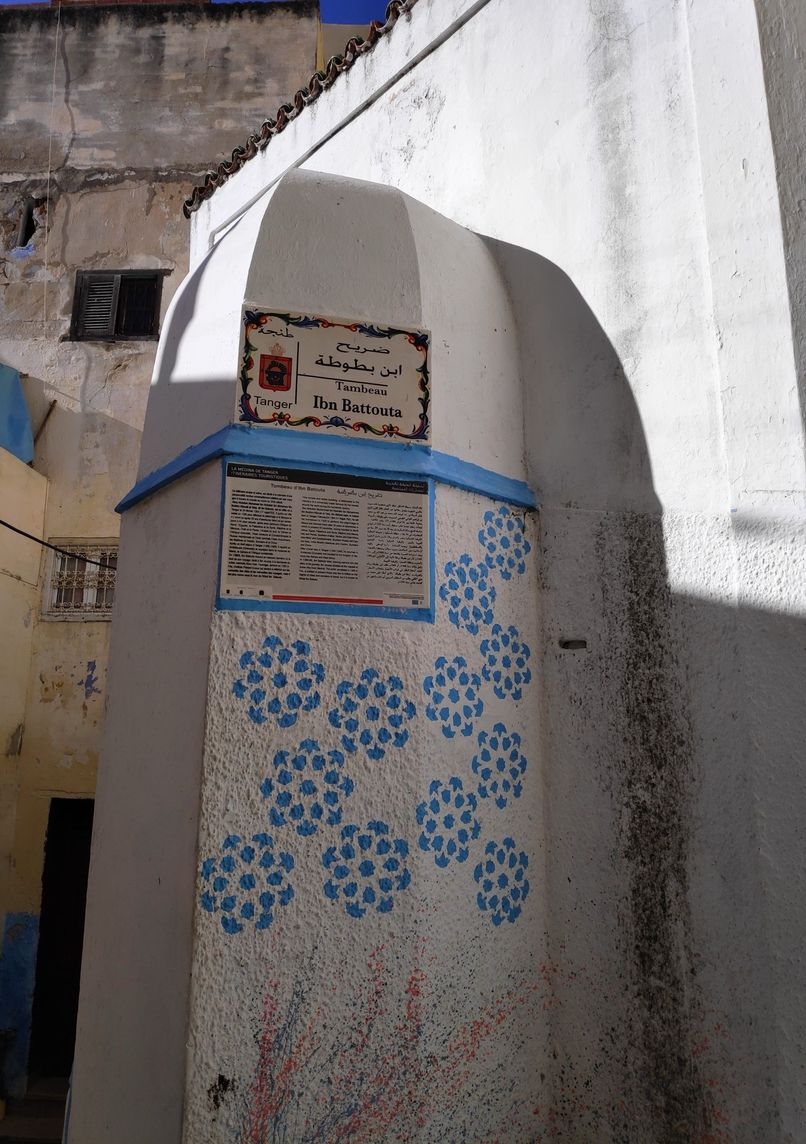
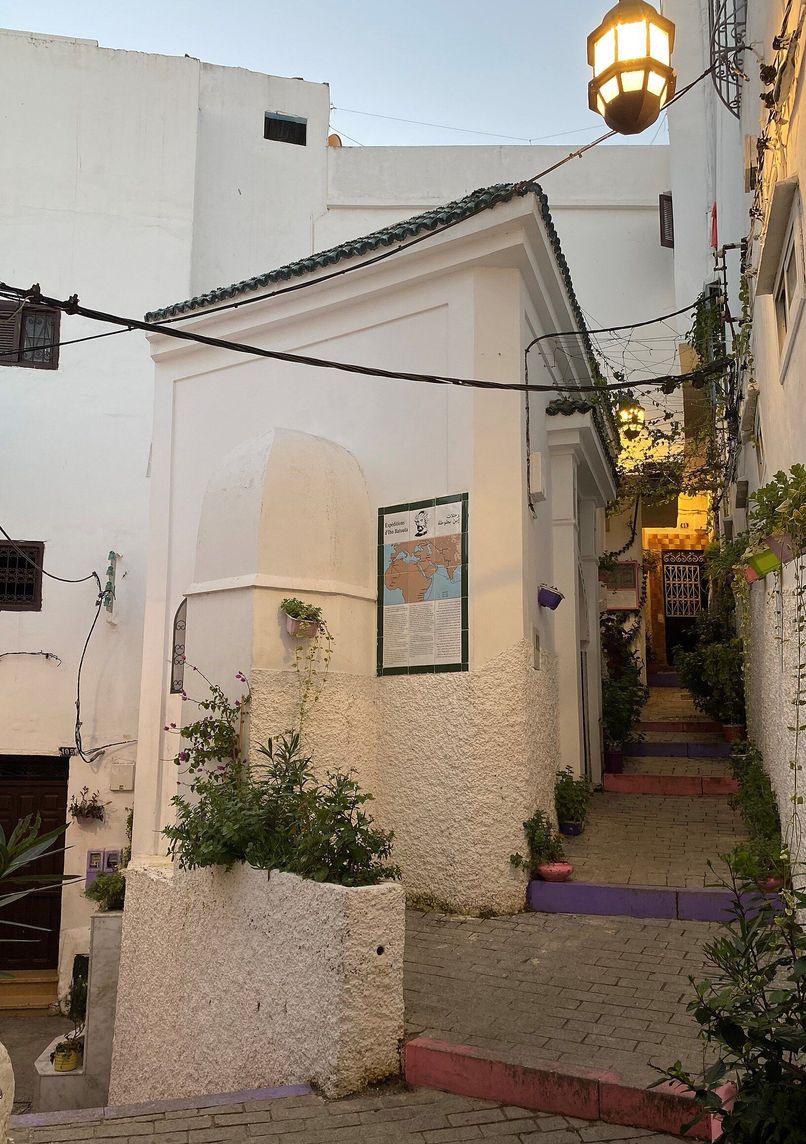
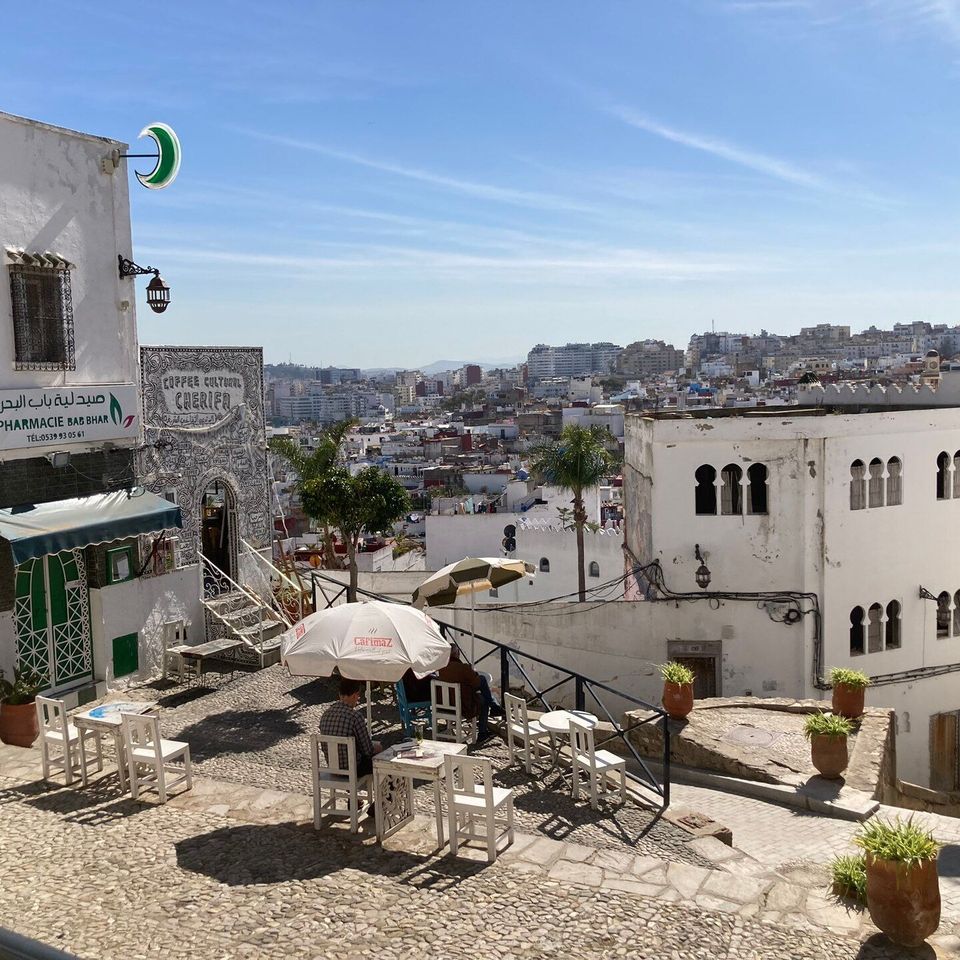
In the upper lanes of the medina, a small white mausoleum is said to hold the tomb of Ibn Battuta, the traveller born in Tangier in 1304 who journeyed across Africa and Asia for nearly thirty years. A brief stop, but a meaningful one for anyone interested in the city’s history.
Tangier’s most famous son
Abu Abdullah Muhammad Ibn Battuta was born in Tangier on 24 February 1304. He set out on the pilgrimage to Mecca in 1325 and did not return to Morocco until 1354, having travelled through North and East Africa, the Middle East, Central Asia, India, China and the Iberian Peninsula: some 117,000 km, far more than Marco Polo.
The Rihla
At the request of the Marinid sultan Abu Inan Faris, he dictated the account of his travels to the scholar Ibn Juzayy, who completed it in 1355. The Rihla, “The Journey”, remains one of the key sources on the 14th-century Muslim world. Appointed a judge, Ibn Battuta died around 1368 or 1369; where he died is still debated.
The tomb
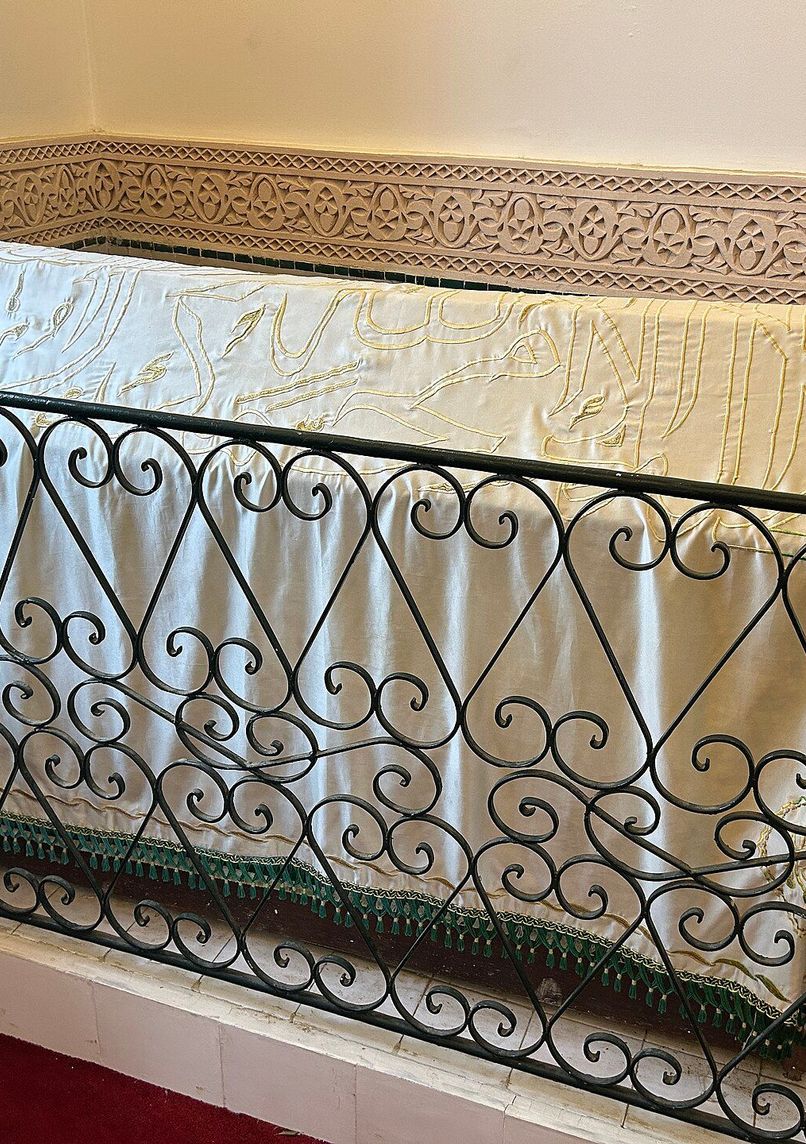
The small medina shrine is traditionally presented as his burial place, although historians describe it as his “presumed” tomb. Inside you will find:
- A plain white mausoleum on a narrow lane in the upper town
- A small burial chamber housing the cenotaph
- The quiet of a residential quarter, away from the bustle of the souks
Practical information
- In the medina, on Rue Ibn Battouta, between the Grand Socco and the kasbah; it is hard to find, so ask locals for directions
- A visit of a few minutes; opening times are irregular and the shrine is sometimes closed, so try a weekday morning
- Easily added to a walk up to the Kasbah Museum