Must-sees

What to see in Casablanca: 12 must-see monuments and museums

Mosquée Hassan II

What to see in Casablanca in two or three days? The city reveals itself in layers: the medina rebuilt in the 18th century, the new town of the protectorate era with its Art Deco buildings, and the great projects that followed independence. From the Hassan II Mosque to the islet of Sidi Abderrahmane, by way of the Habous and villas turned museums, here are 12 must-see monuments and cultural sites, with practical tips for visiting.
Mosquée Hassan II

Seafront

70-140 MAD
Mosquée Hassan II
Mosquée Hassan II
Mosquée Hassan II
Mosquée Hassan II

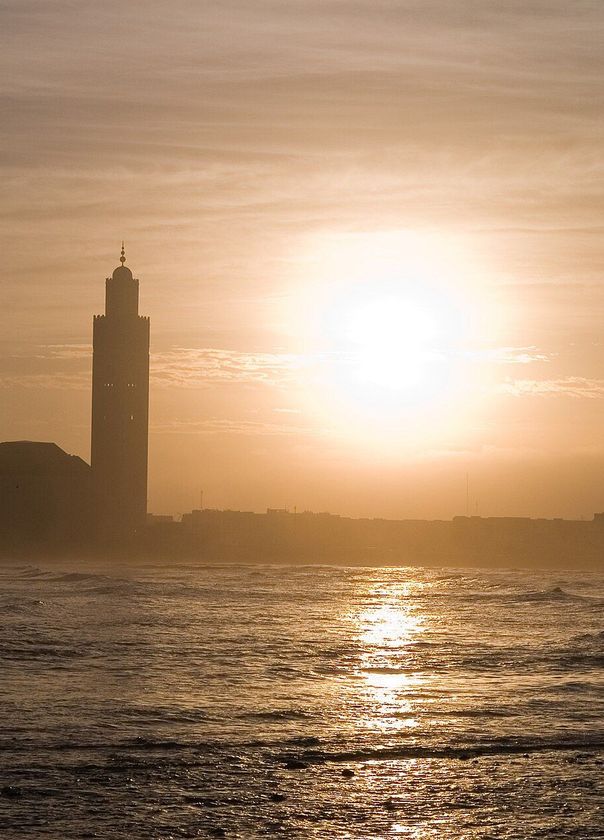
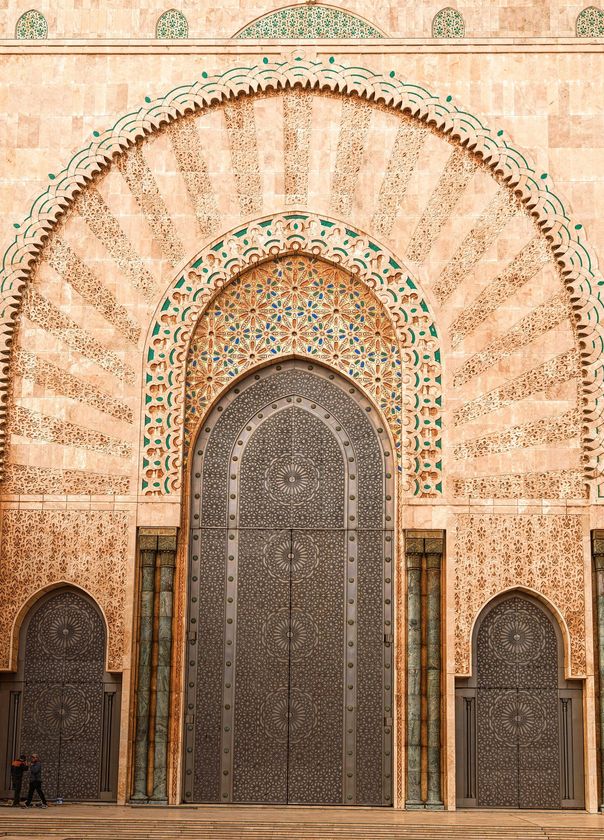
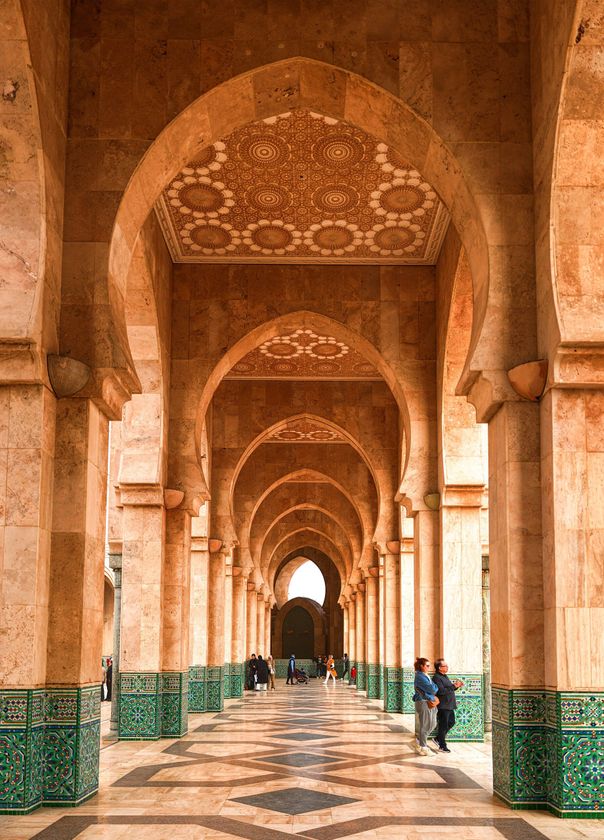
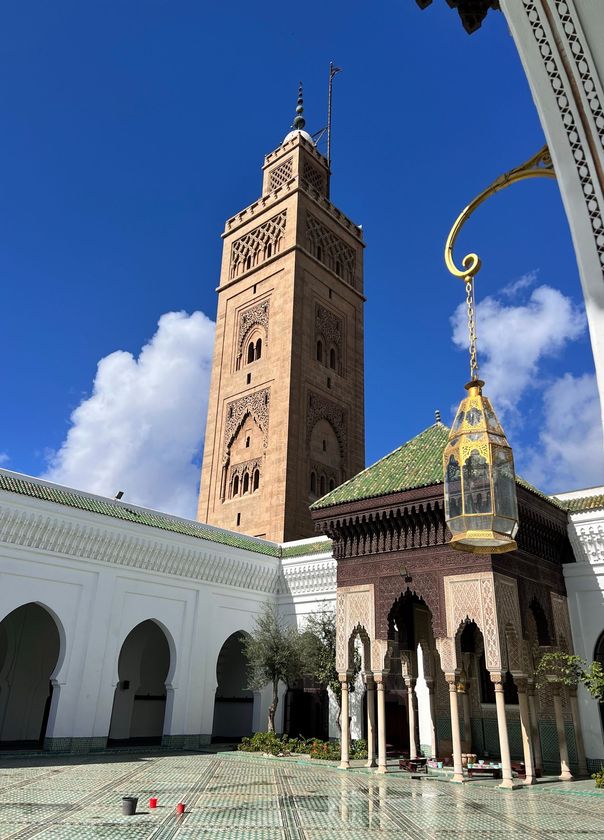
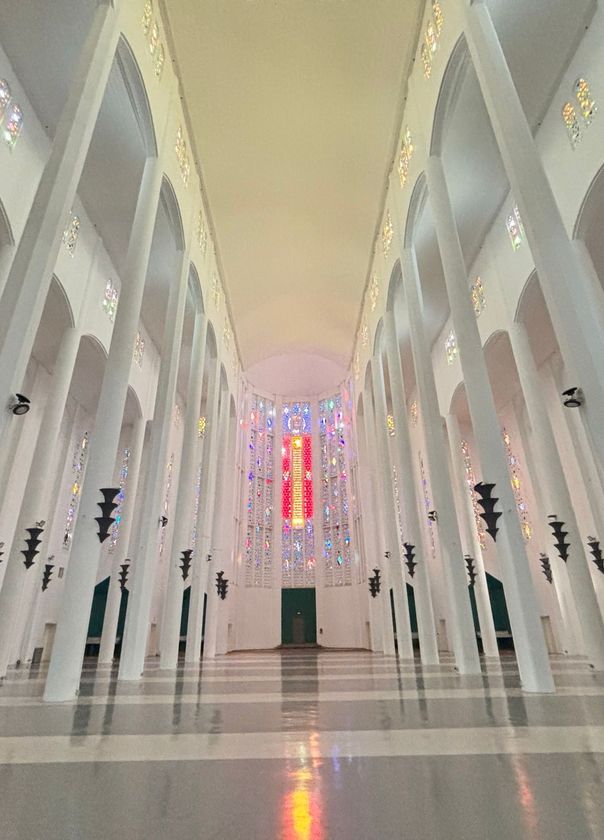
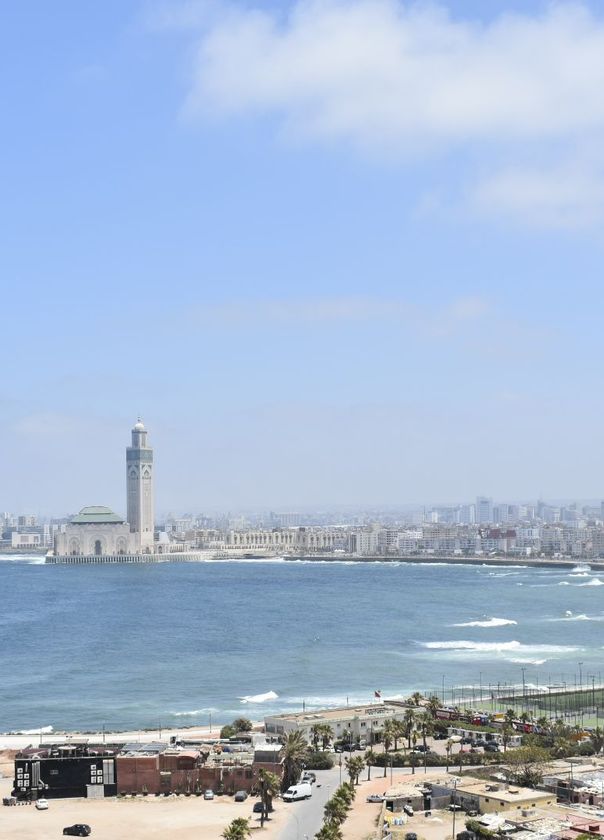
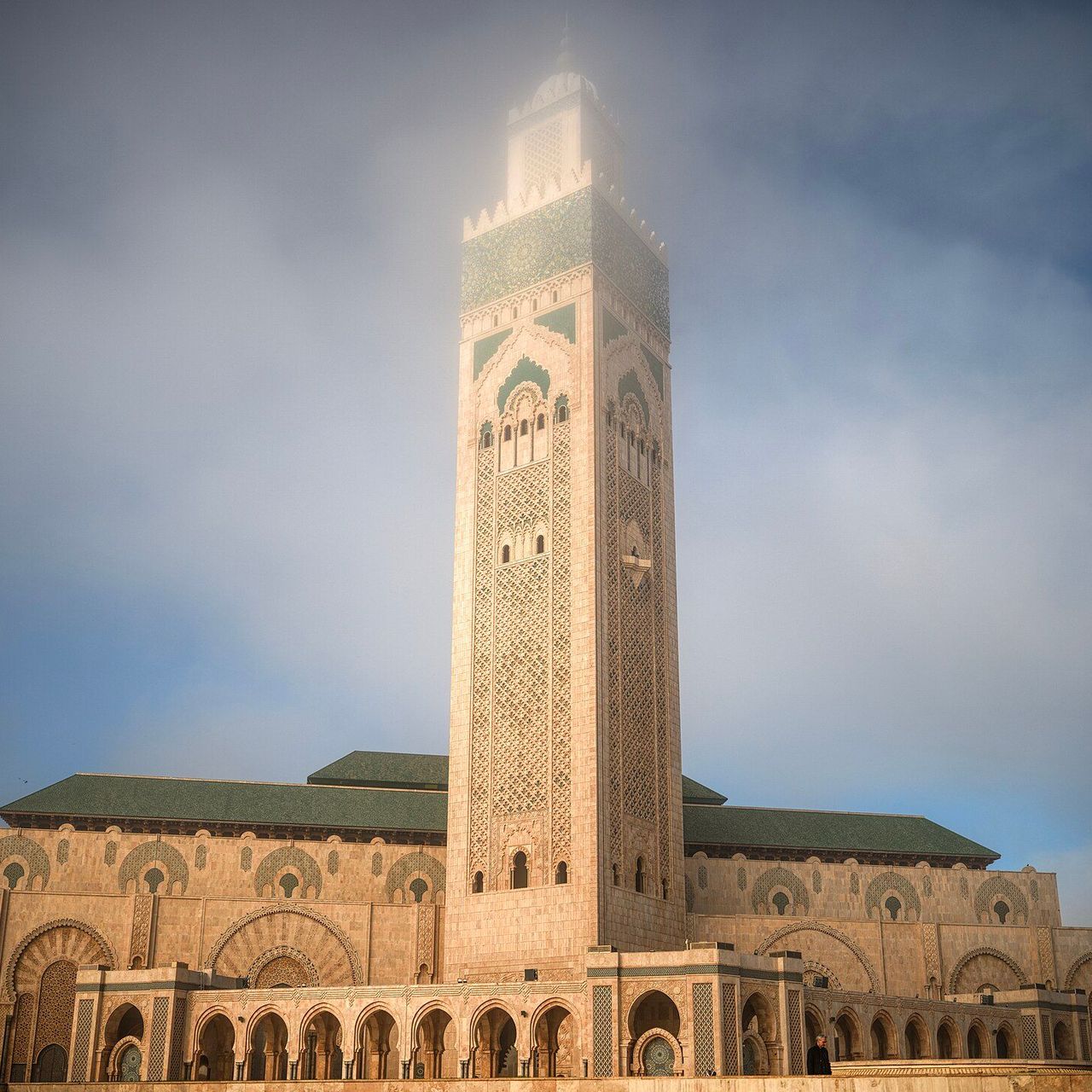
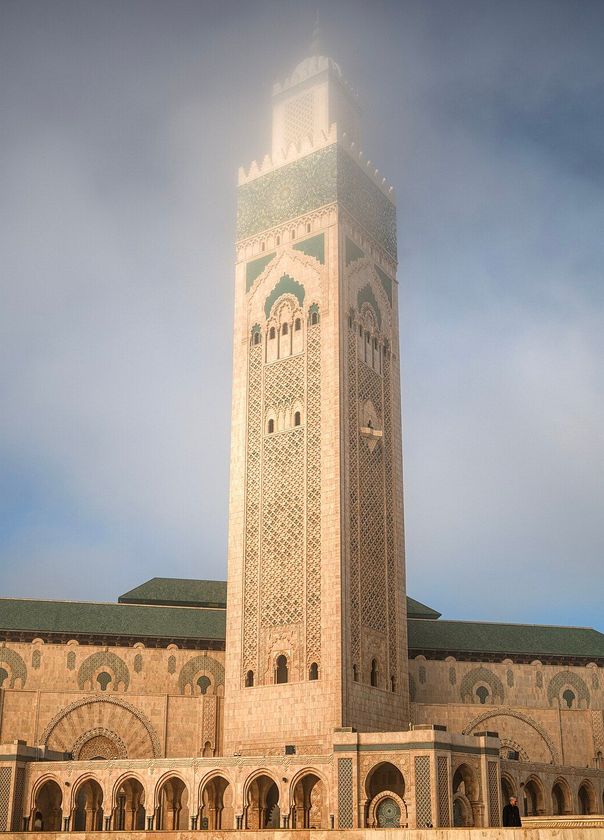
Built partly over the ocean and inaugurated in 1993, the Hassan II Mosque is one of the few mosques in Morocco open to non-Muslims. Its minaret rises 200 metres, the two-hectare prayer hall holds 25,000 worshippers beneath a 1,100-tonne retractable roof, and the ablutions hall has 41 fountains. Guided tours run several times a day, from 30 to 140 MAD; shoulders and knees must be covered.

Ancienne médina et tour de l'Horloge

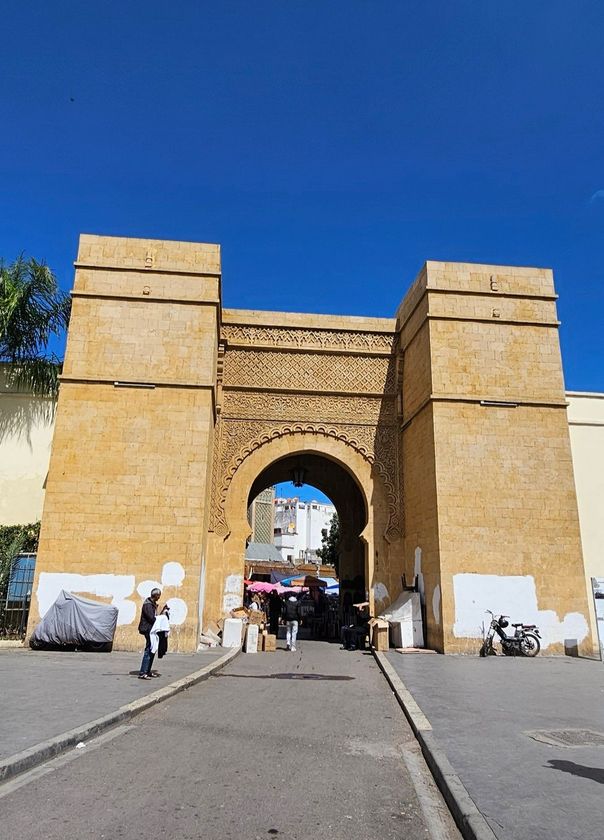
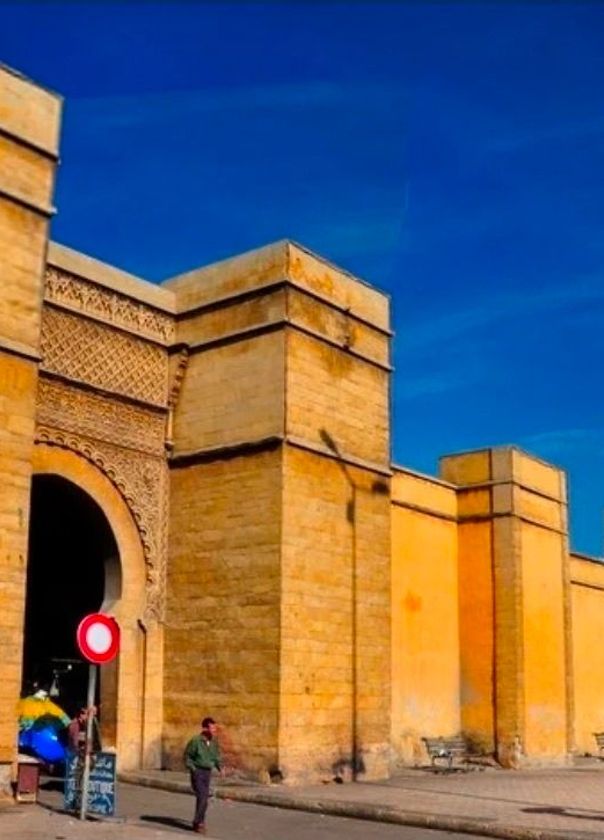
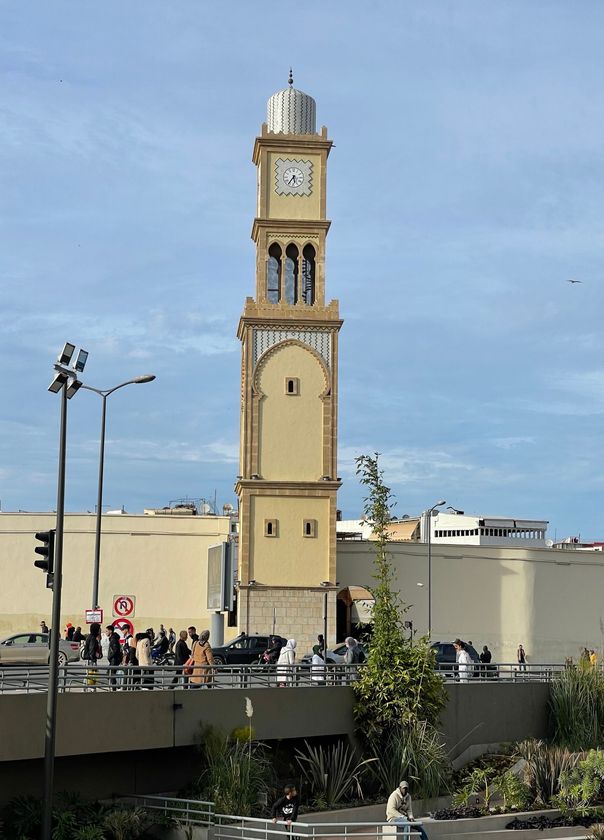
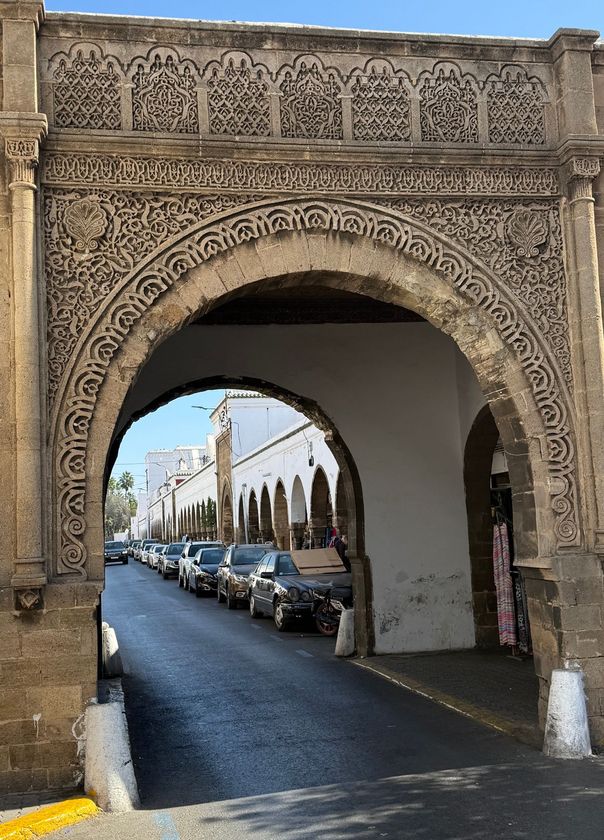
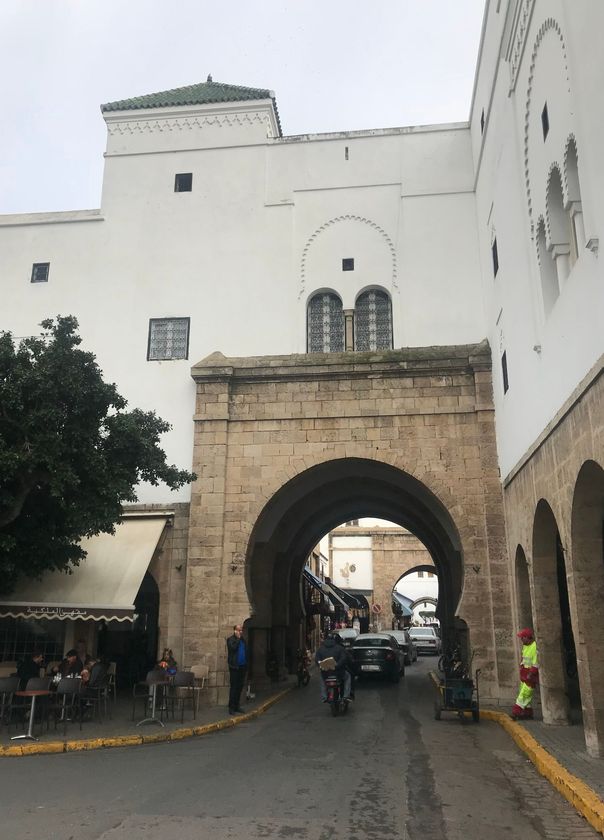
Facing the harbour, the old medina is the cradle of Casablanca, rebuilt by Sultan Mohammed ben Abdallah after the 1755 earthquake. Enter through Bab Marrakech or by the 20-metre clock tower, rebuilt in 1993, to follow the ramparts, the Sqala bastion, the Ould el-Hamra mosque and the Ettedgui synagogue, restored in 2016. Allow one to two hours, during the day.

Quartier des Habous
Quartier des Habous
Quartier des Habous
Quartier des Habous

Nicknamed the "new medina", the Habous district was designed from 1917 by Albert Laprade and built mostly in the 1920s and 1930s. White lanes, arcades and small squares borrow the vocabulary of the old medinas: the Al-Mohammadi mosque, kissariat of coppersmiths and slipper sellers, the olive market, bookshops and Dar Al Ala, devoted to Andalusian music. Allow one to two hours of wandering.

Villa des Arts
Villa des Arts
Villa des Arts
Villa des Arts

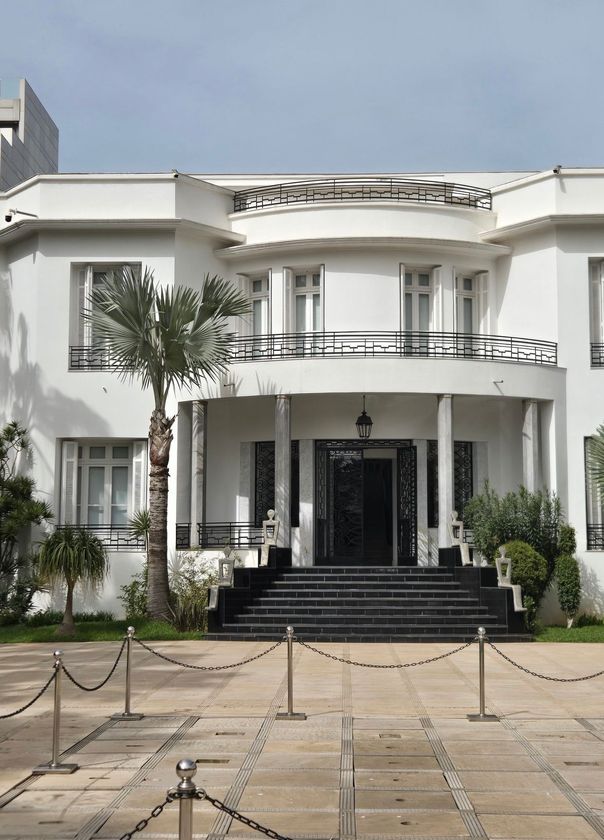
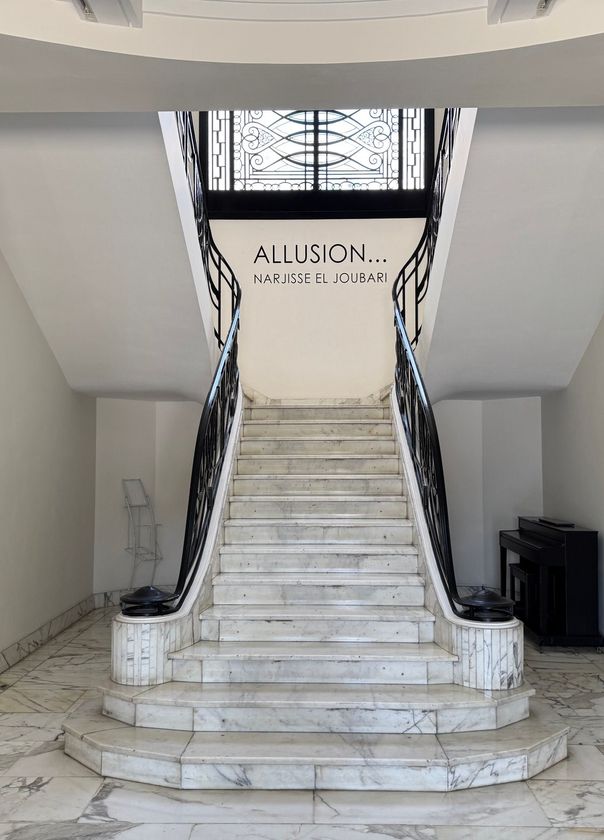
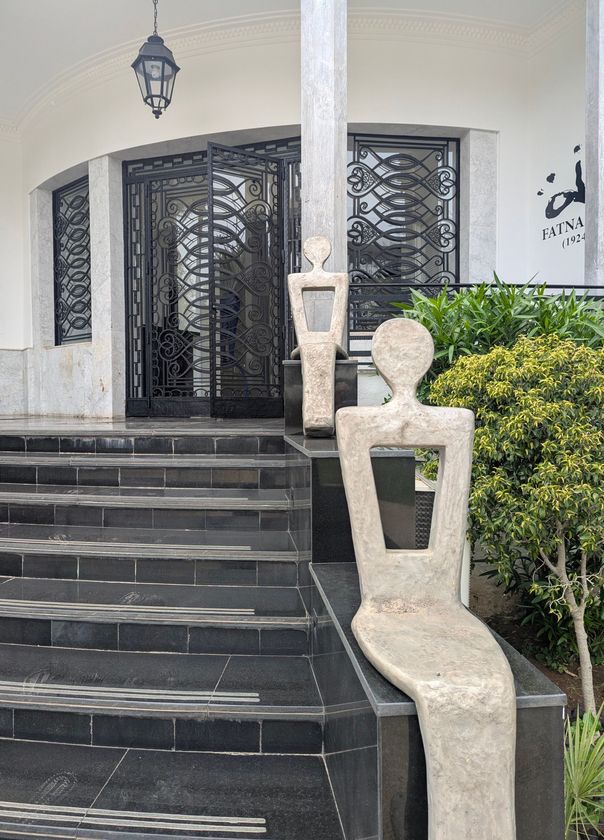
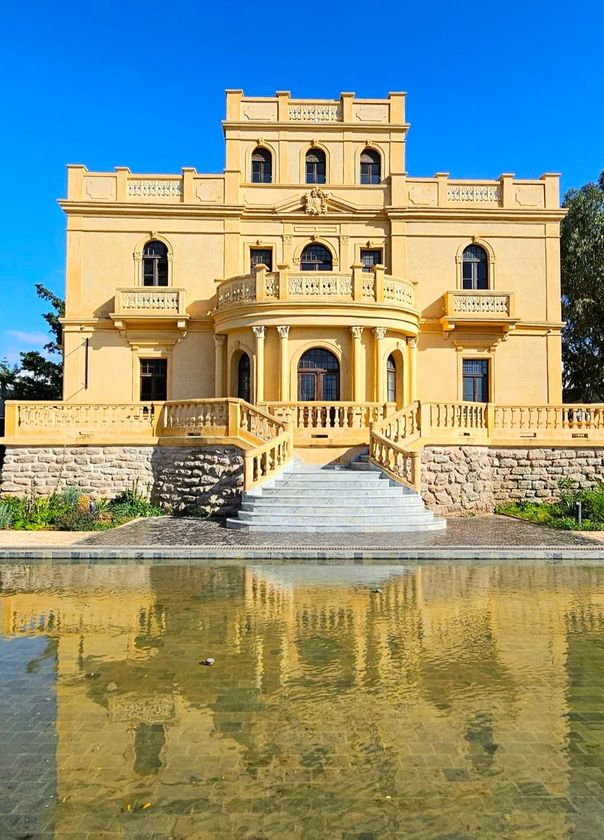
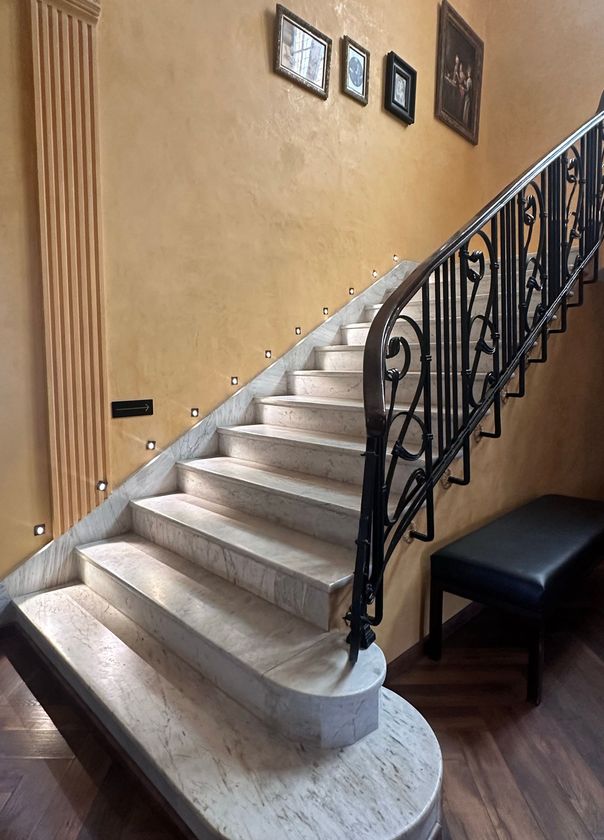
On Boulevard Brahim Roudani, near the Arab League Park, the Villa des Arts occupies a 1934 Art Deco house with a marble front staircase, a double-revolution staircase beneath a glass roof and a palm garden. Opened in 1999 by what is now the Al Mada Foundation, it hosts exhibitions of modern and contemporary Moroccan and African art, such as the Émergences show devoted to the young scene. Entry is usually free.

Musée du judaïsme marocain

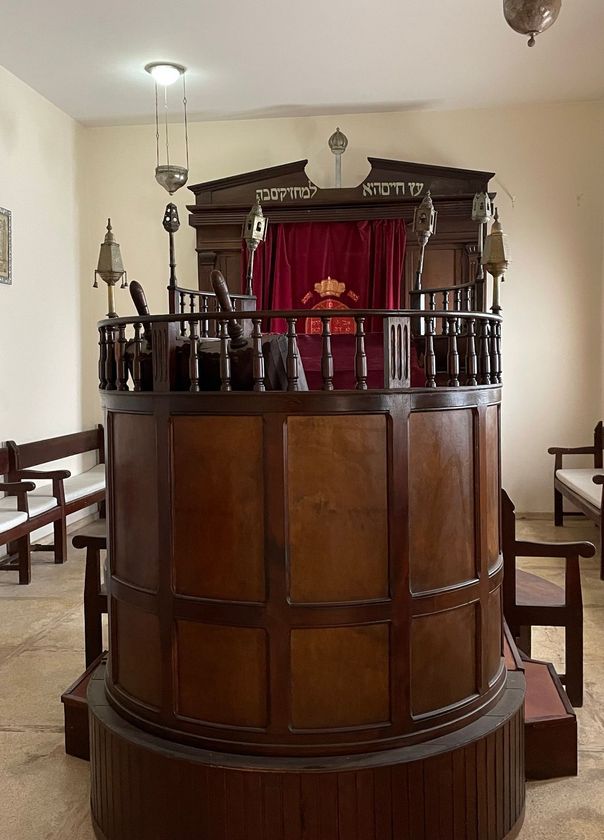
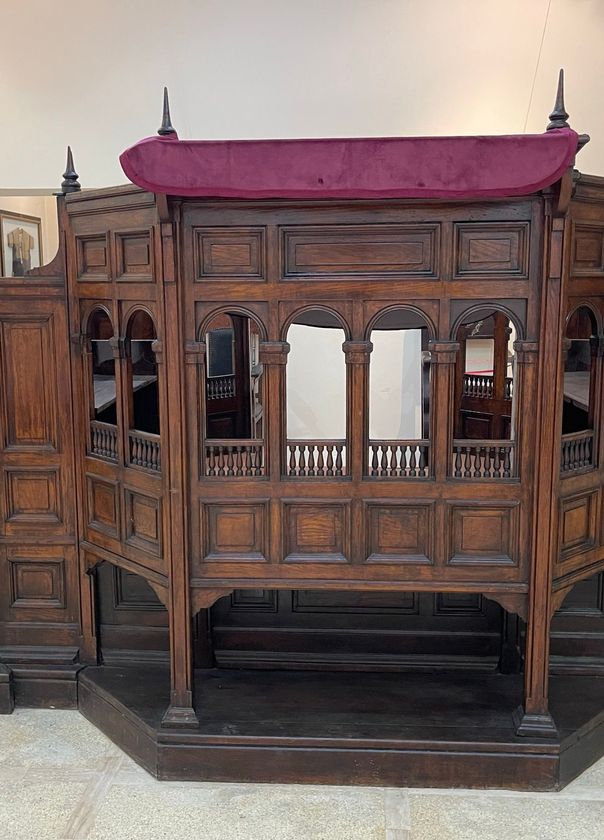
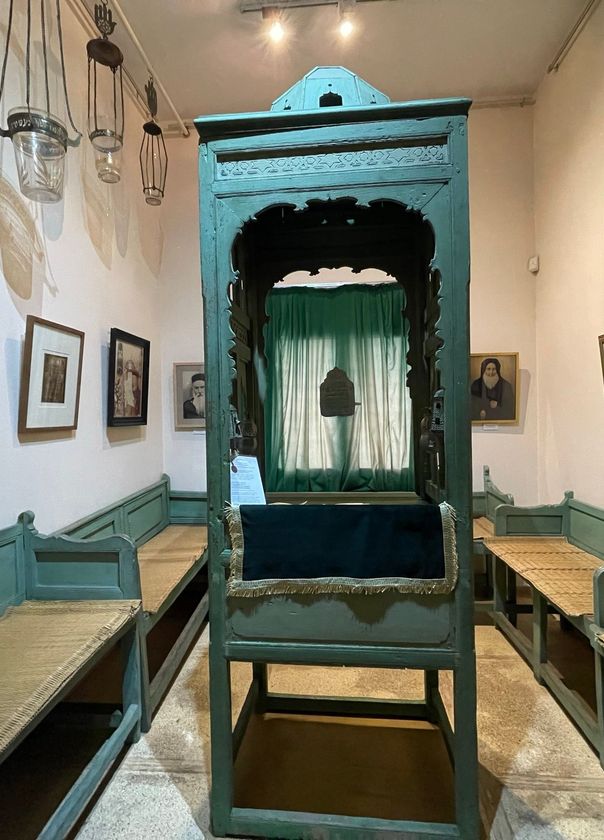
In the Oasis district, this museum opened in 1997 is the first devoted to Judaism in the Arab world. Housed in a former children's home built in 1948, it gathers ritual objects, jewellery, embroidered kaftans, reconstructed synagogue interiors from Meknes and Larache, and music archives of Salim Halali and Zohra El Fassia. Entry 50 MAD, closed on Saturdays; it is best to call before visiting.
Ex-cathédrale du Sacré-Cœur

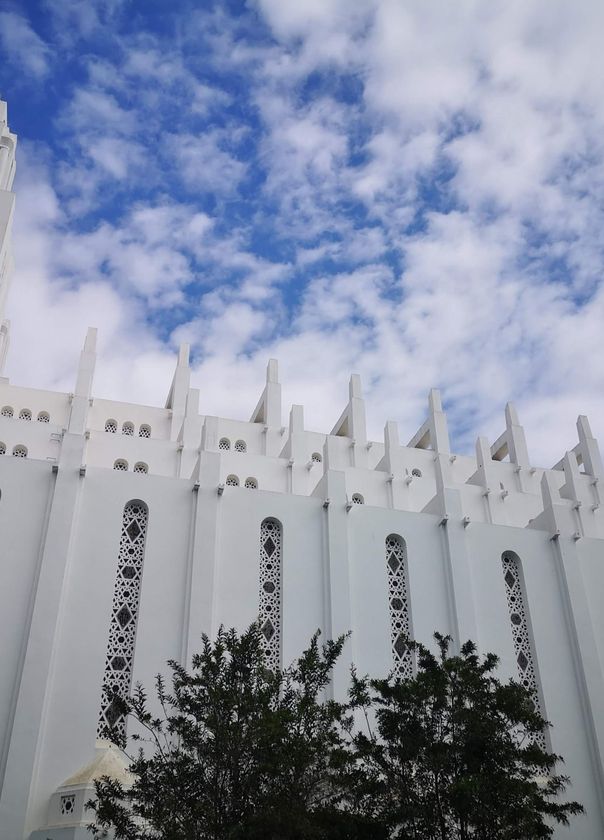
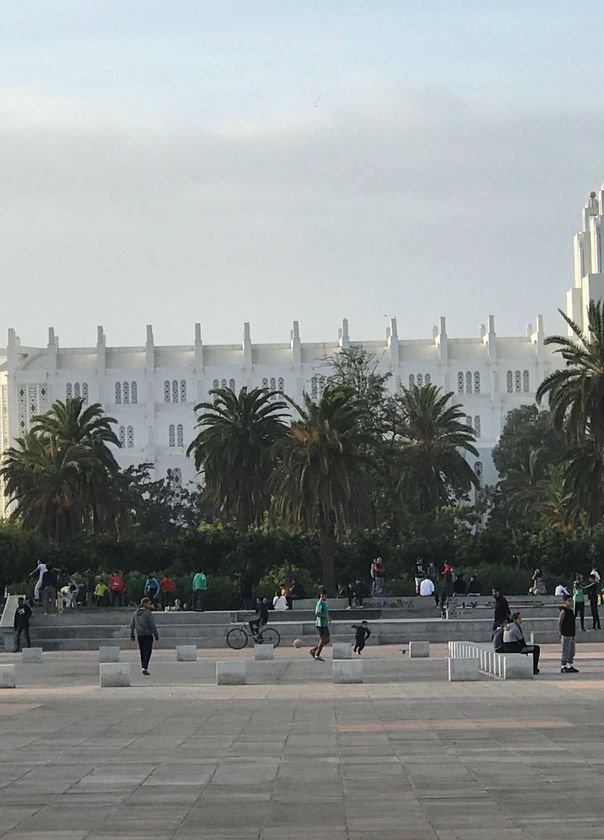
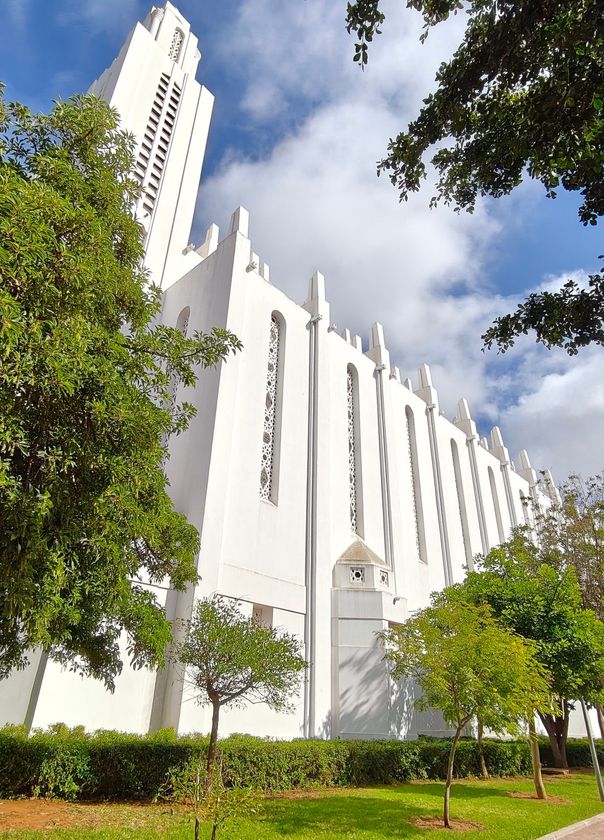
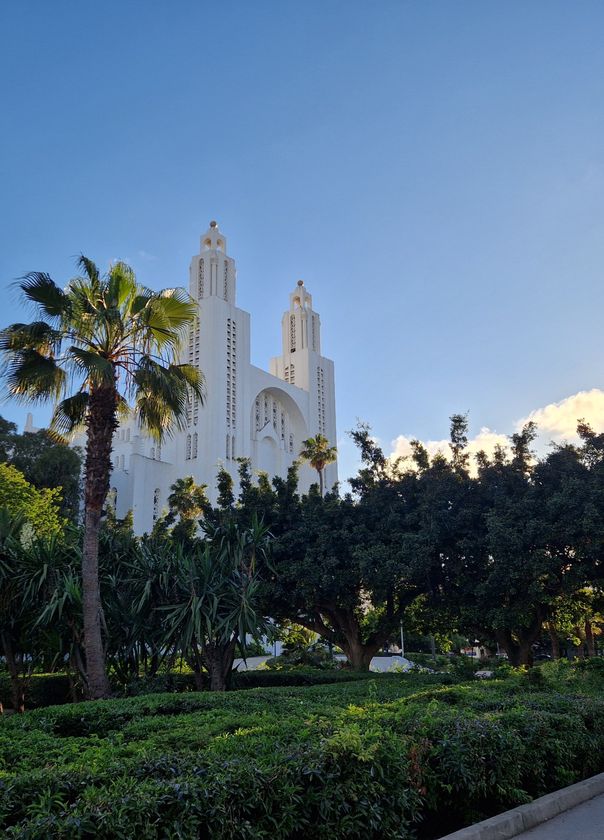
On the edge of the Arab League Park, the church designed by Paul Tournon and built between 1930 and 1953 combines a Gothic plan with an Art Deco vocabulary: a white façade between two tall towers, sharp-angled flying buttresses, screens inspired by mashrabiya. Deconsecrated after independence, it reopened in 2023 as a cultural venue. The interior opens for exhibitions; the façade can be photographed at any time.
Villa Carl Ficke – Musée de la Mémoire de Casablanca

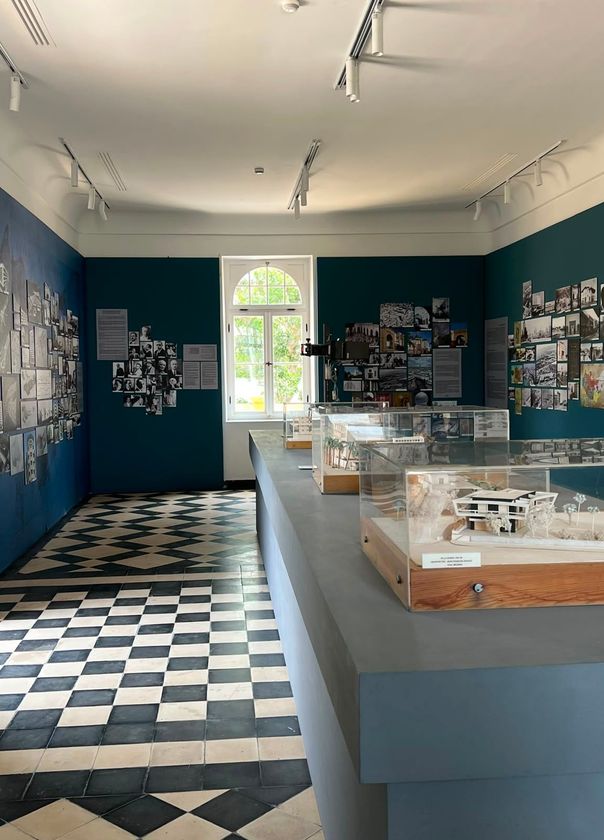
Built in 1913 by Ulysse Tonsi for a German merchant executed during the First World War, the villa on Boulevard de la Résistance reopened in February 2025 as the Casablanca Memory Museum. Arcades, zellige and rosettes frame rooms devoted to the history of the city and its architecture, with models and photographs. Open daily except Tuesdays, from 10am to 6pm.

Îlot et mausolée de Sidi Abderrahmane

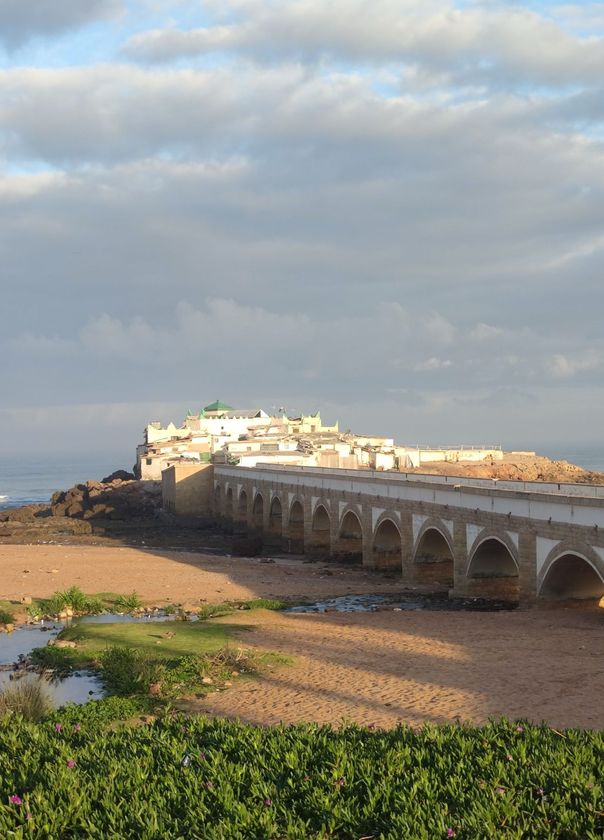
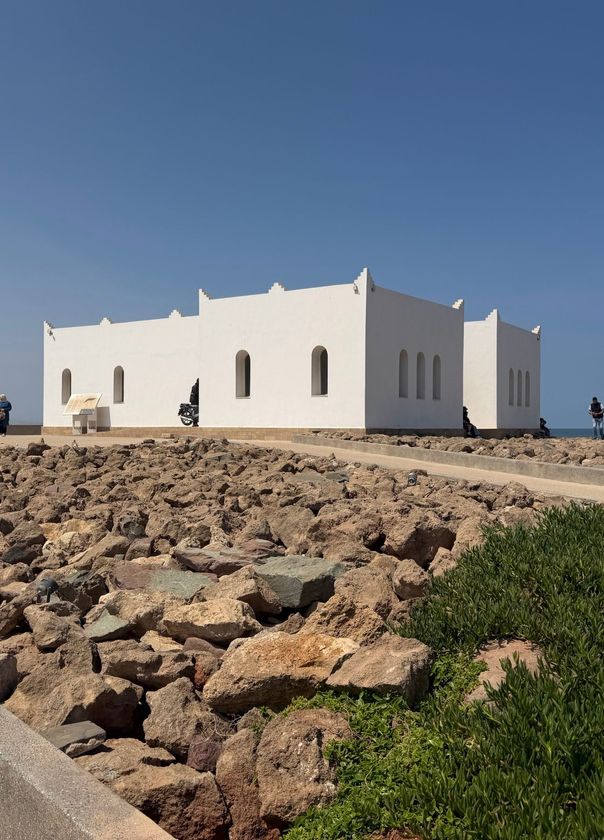
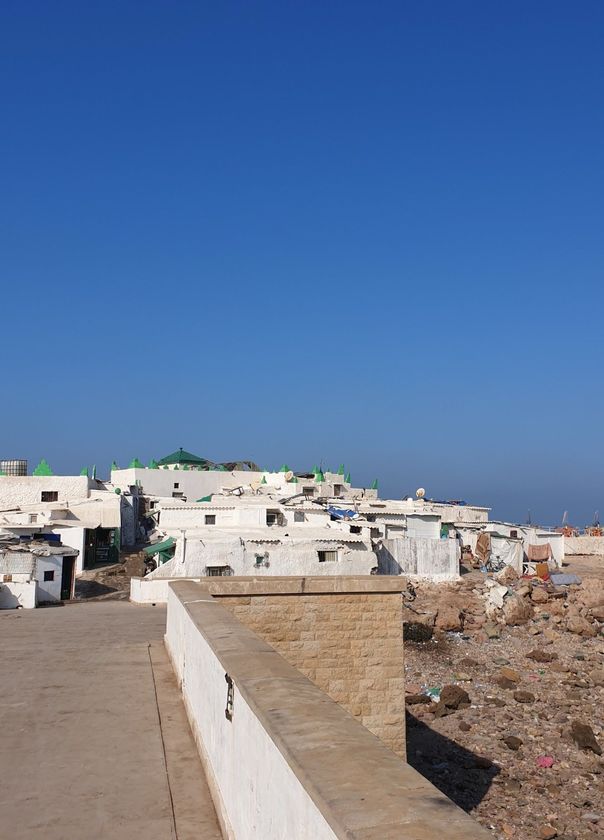
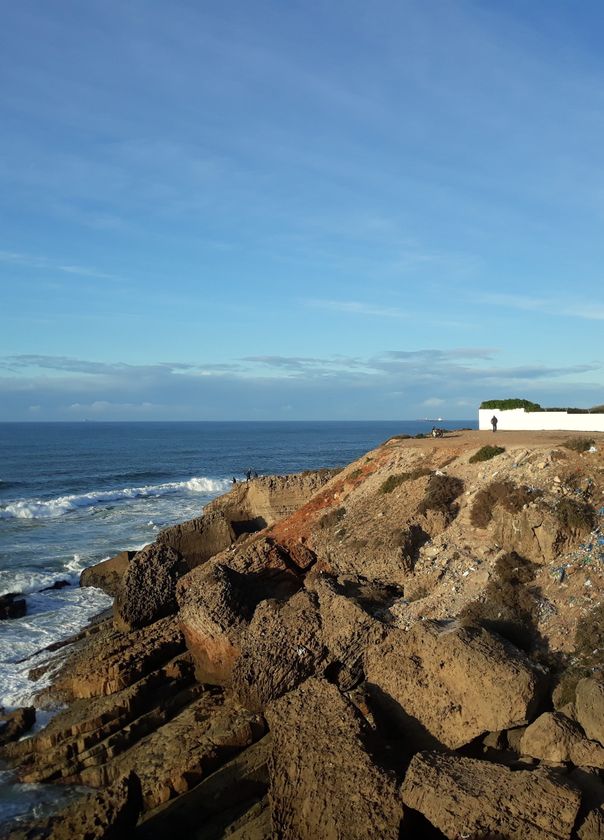
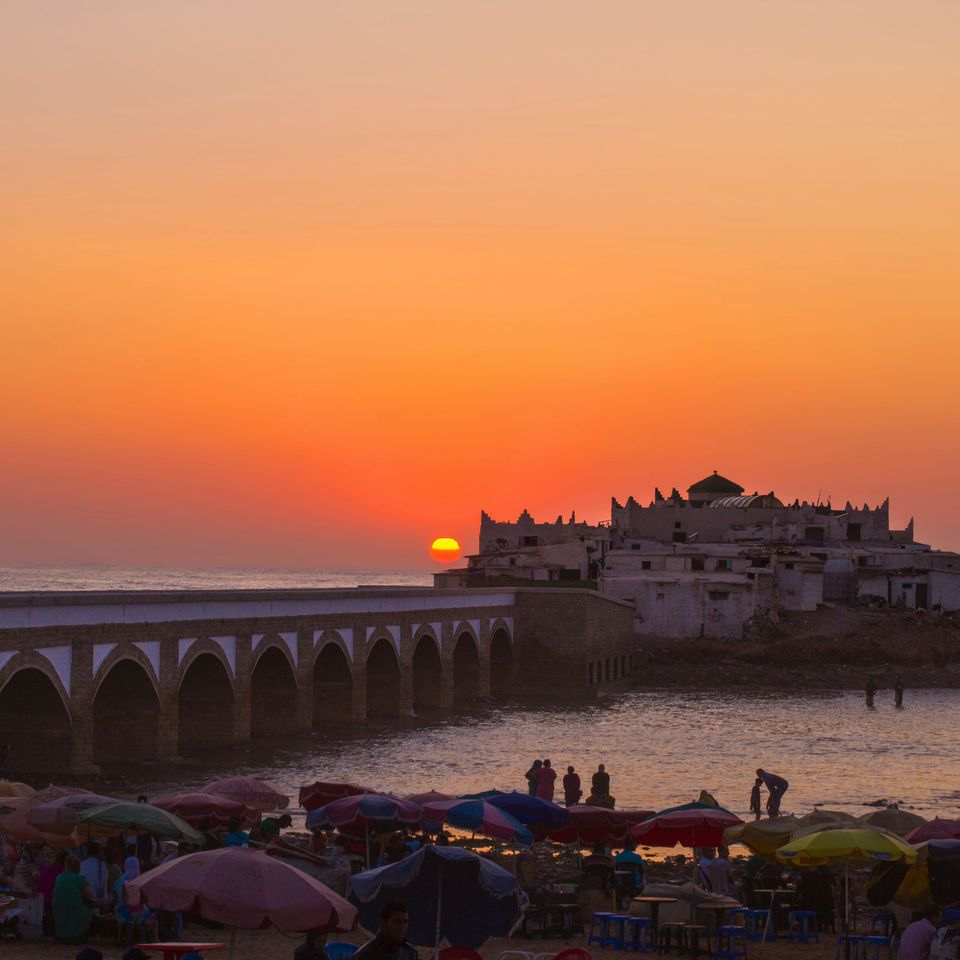
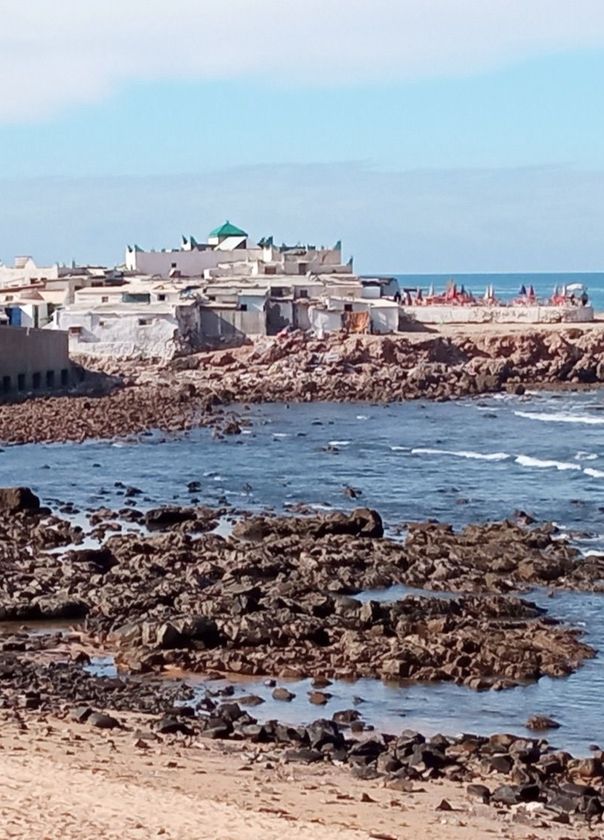
At the end of the Aïn Diab corniche, the white mausoleum of a holy man who, according to tradition, came from Baghdad stands on a rock pounded by the Atlantic. Long nicknamed "the witches' island", the islet was cleared in 2024 and reopened to visitors, with exhibition rooms on its history and legends. Access depends on the tide; dress modestly and be discreet near the shrine.

Musée de la Fondation Abderrahman Slaoui

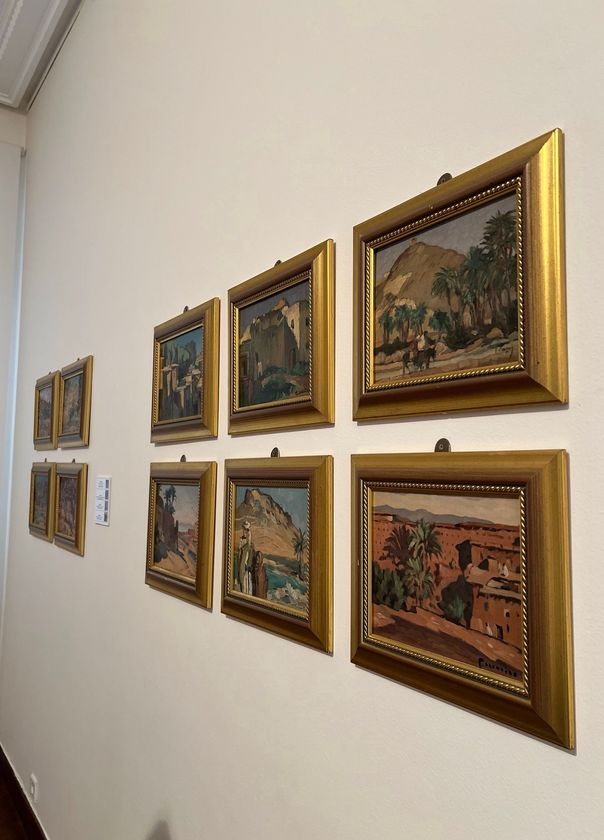
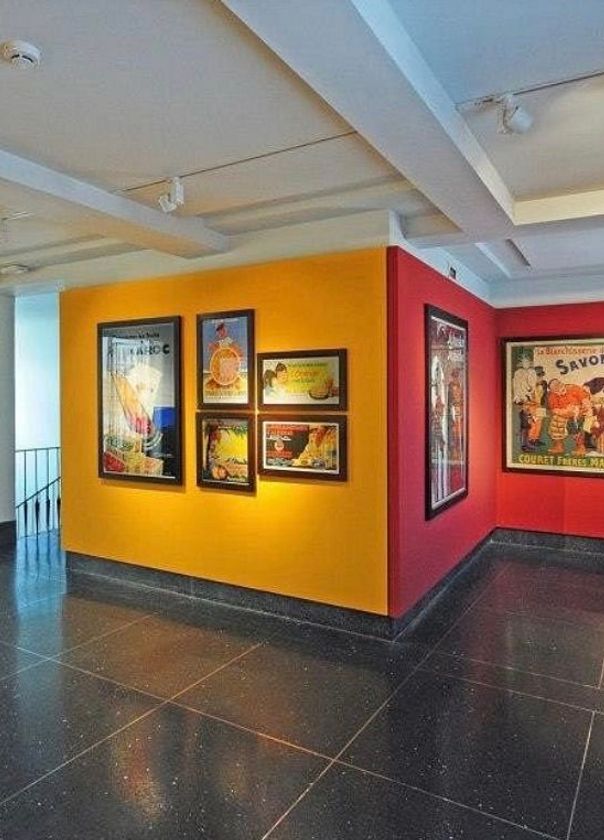
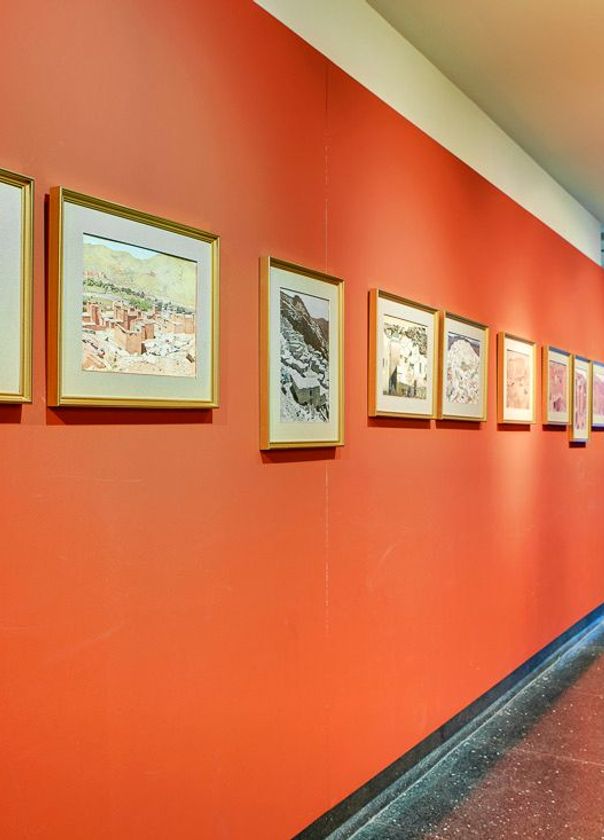
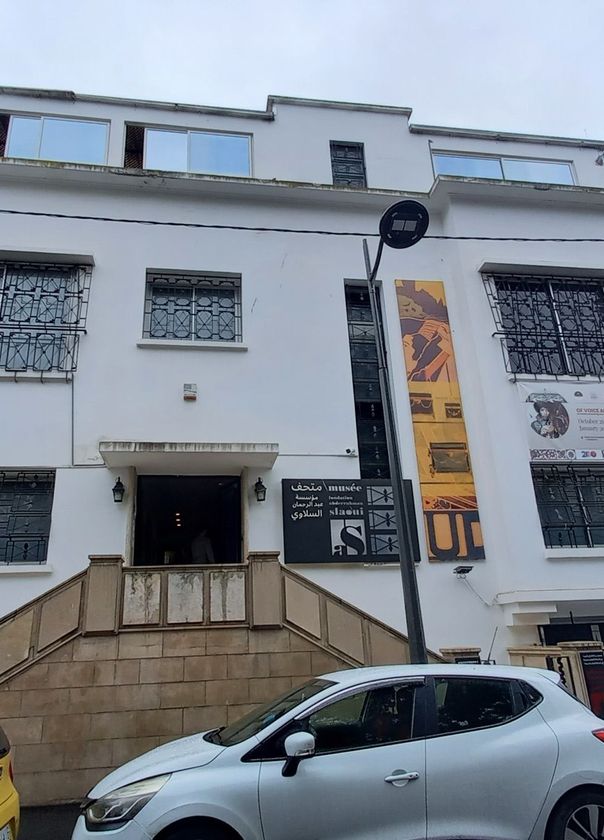
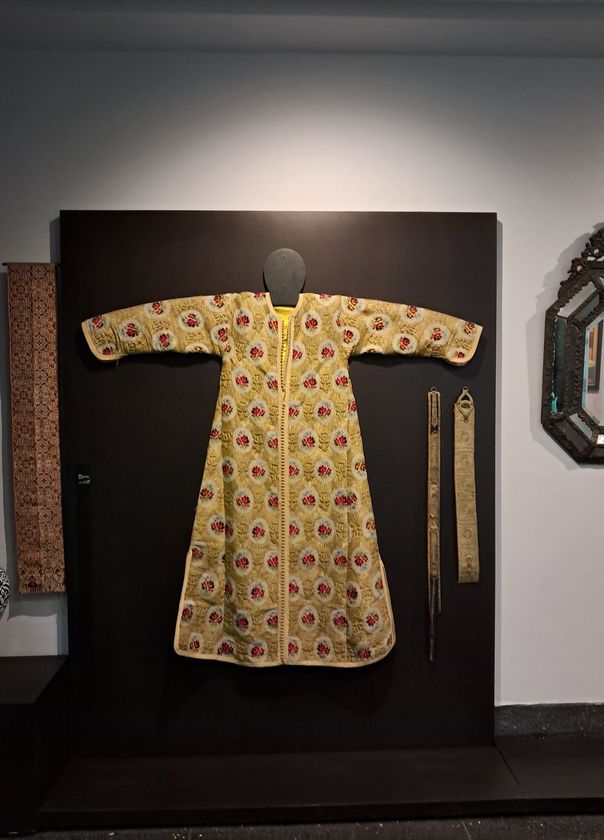
Opened in 2012 in a white house in the city centre, this museum shows the collection of Abderrahman Slaoui, a Casablanca businessman and passionate poster collector. Orientalist posters from the protectorate era, gold city jewellery and Berber silver, paintings by Mohamed Ben Ali R'bati and coloured crystal flasks sit side by side, alongside temporary exhibitions. Allow an hour, and combine it with the nearby Villa des Arts.

Parc de la Ligue arabe

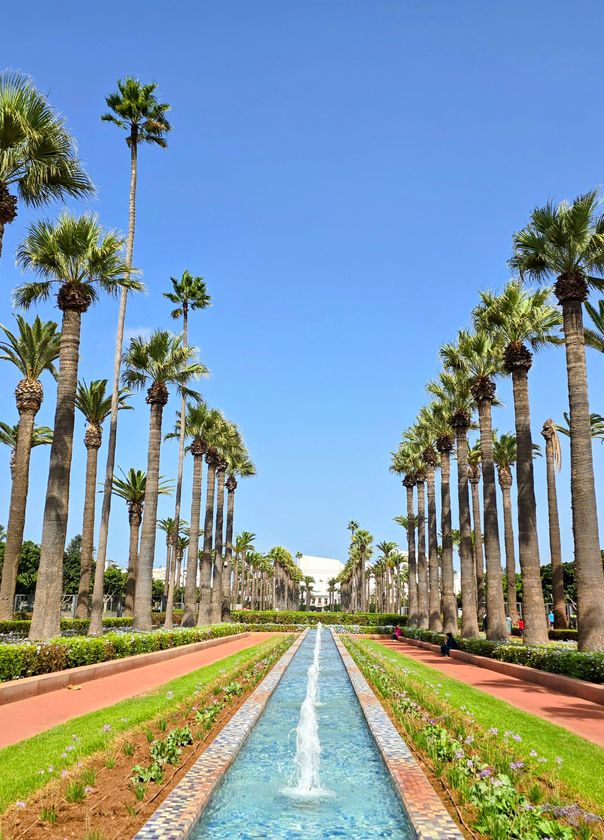
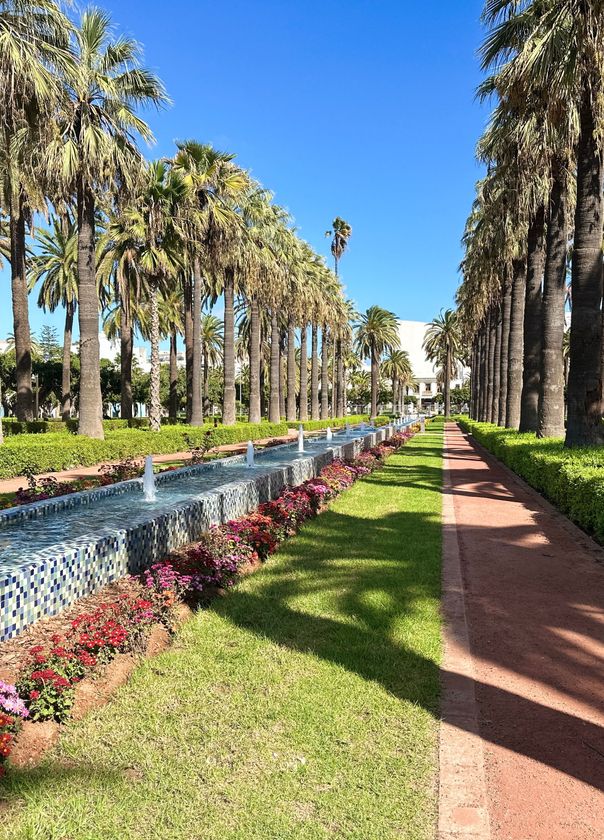
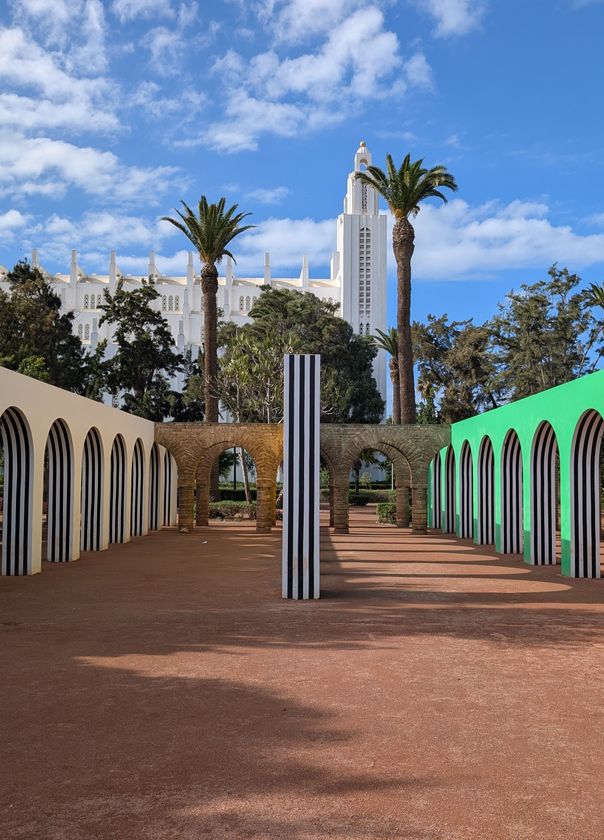
Designed from 1916 by Albert Laprade under Henri Prost, the former Parc Lyautey is the great garden of the city centre: around thirty hectares of palm-lined avenues, pools and lawns, fully redesigned between 2015 and 2018. Look out for Daniel Buren's colourful arches and the silhouette of the Sacré-Cœur to the north. Open daily from 8.30am to 7pm, served by tram line T4.

Phare d'El Hank
Phare d'El Hank
Phare d'El Hank
Phare d'El Hank

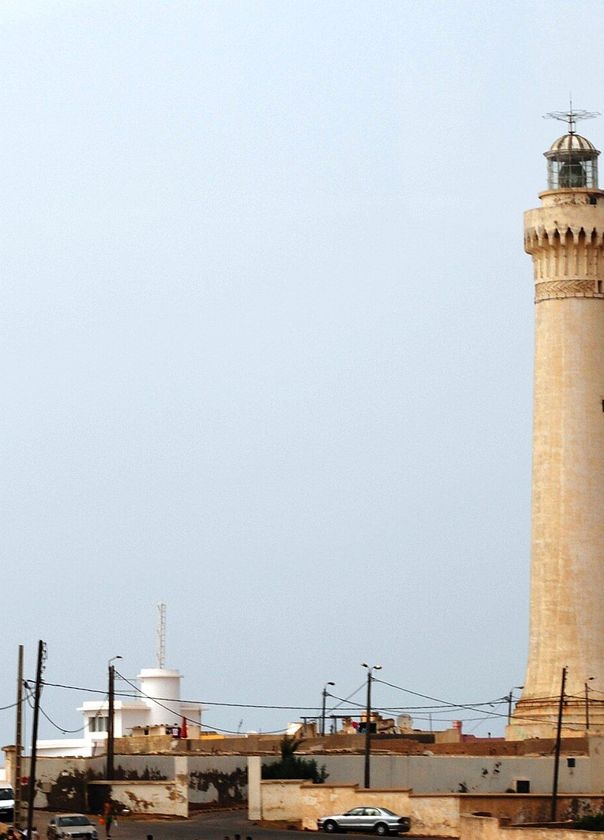
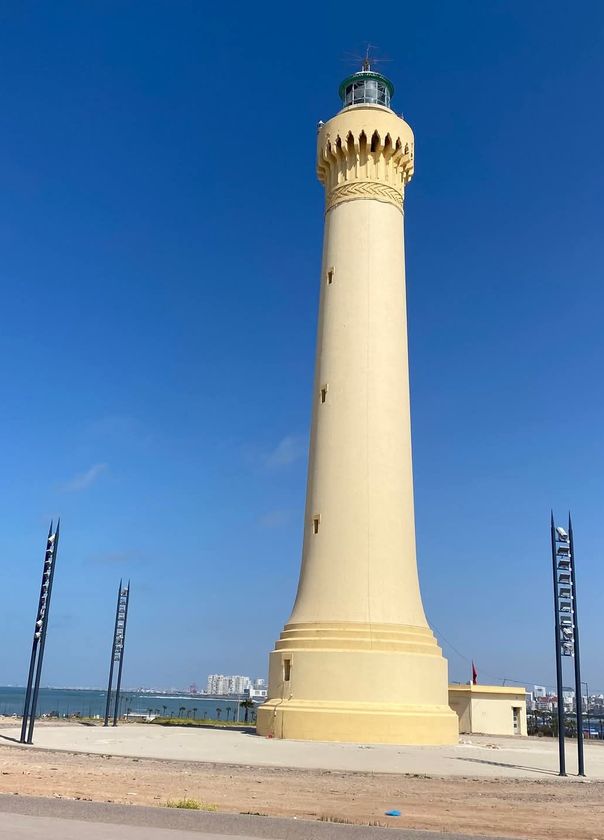
On the rocky point of El Hank, west of the harbour, Casablanca's lighthouse has guided ships since 1920. Albert Laprade redesigned its top in the spirit of the great Moroccan minarets; the tower stands 51 metres tall and its light reaches about 55 km. It is mostly admired from outside, from the corniche or the rocks, with the minaret of the Hassan II Mosque in view, ideally at sunset.

Mahkama du Pacha
Mahkama du Pacha
Mahkama du Pacha
Mahkama du Pacha

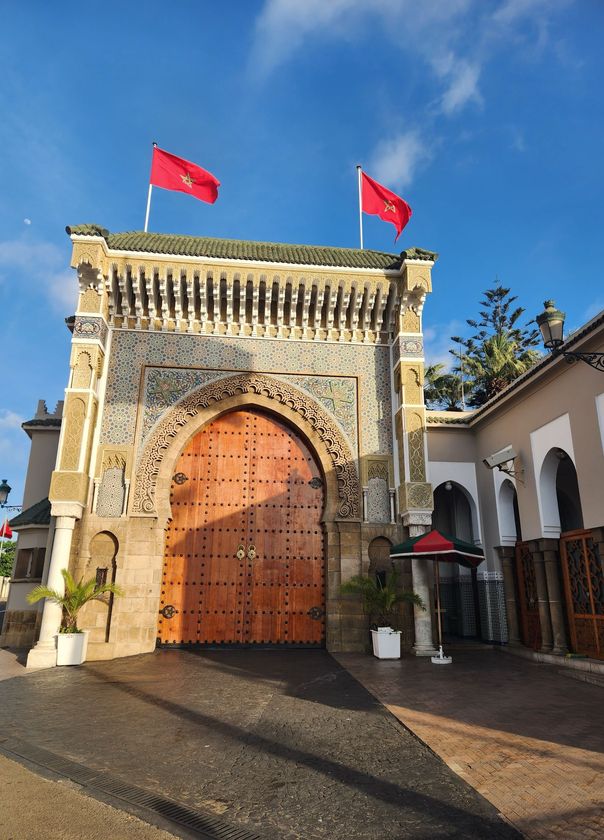
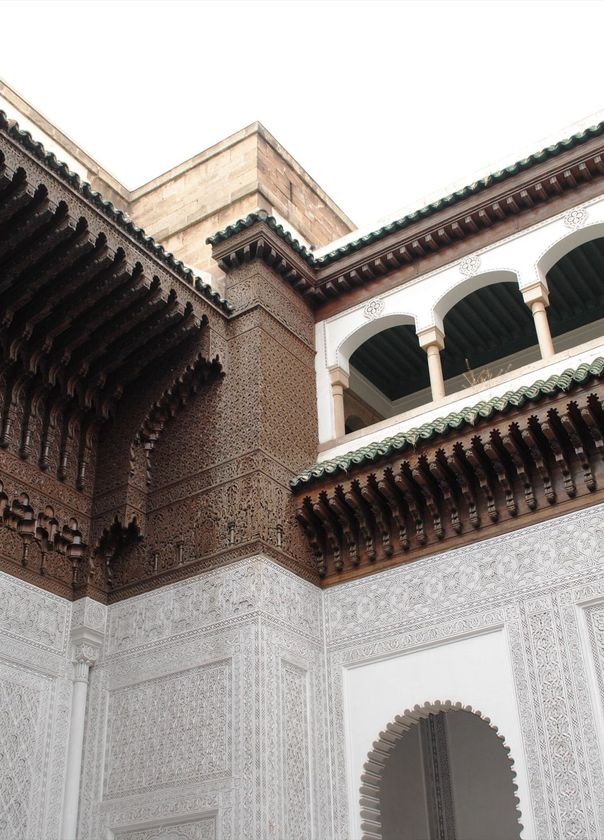
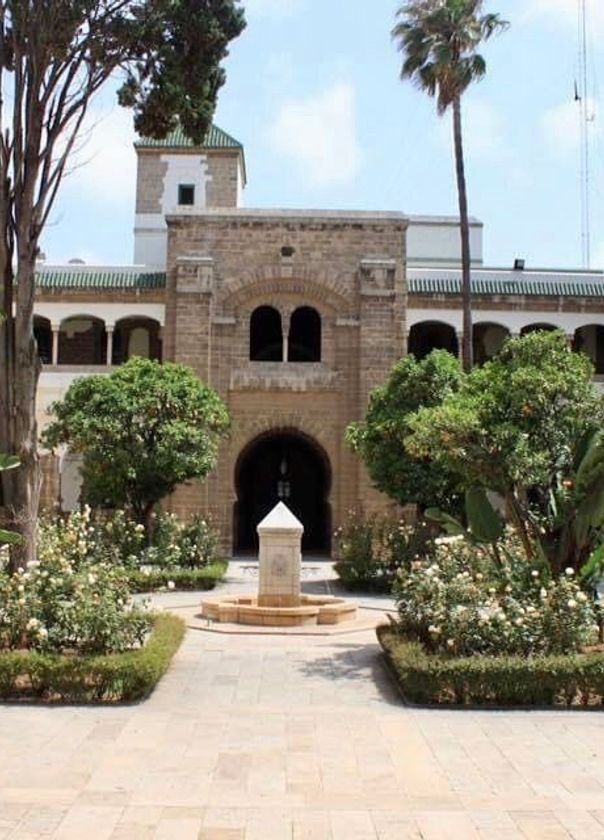
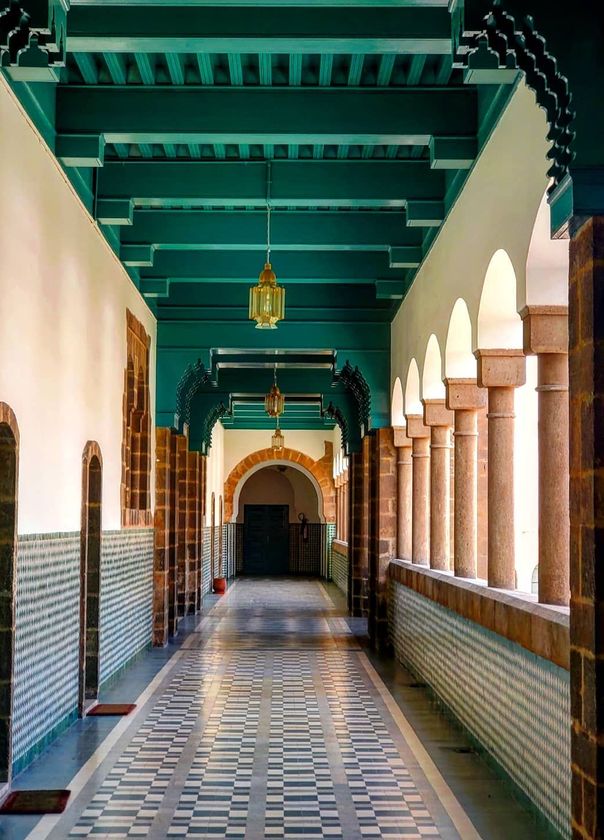
In the heart of the Habous, the former courthouse and reception palace designed by Auguste Cadet and completed in 1952 is a showcase of Moroccan craftsmanship: carved Atlas cedar, polychrome zellige, chiselled stucco and green-tiled roofs. As an official building it is not normally open to visitors; admire its crenellated façades and monumental gateway from the street, as the interior opens only for certain heritage events.

Published