A white islet at the end of the Corniche
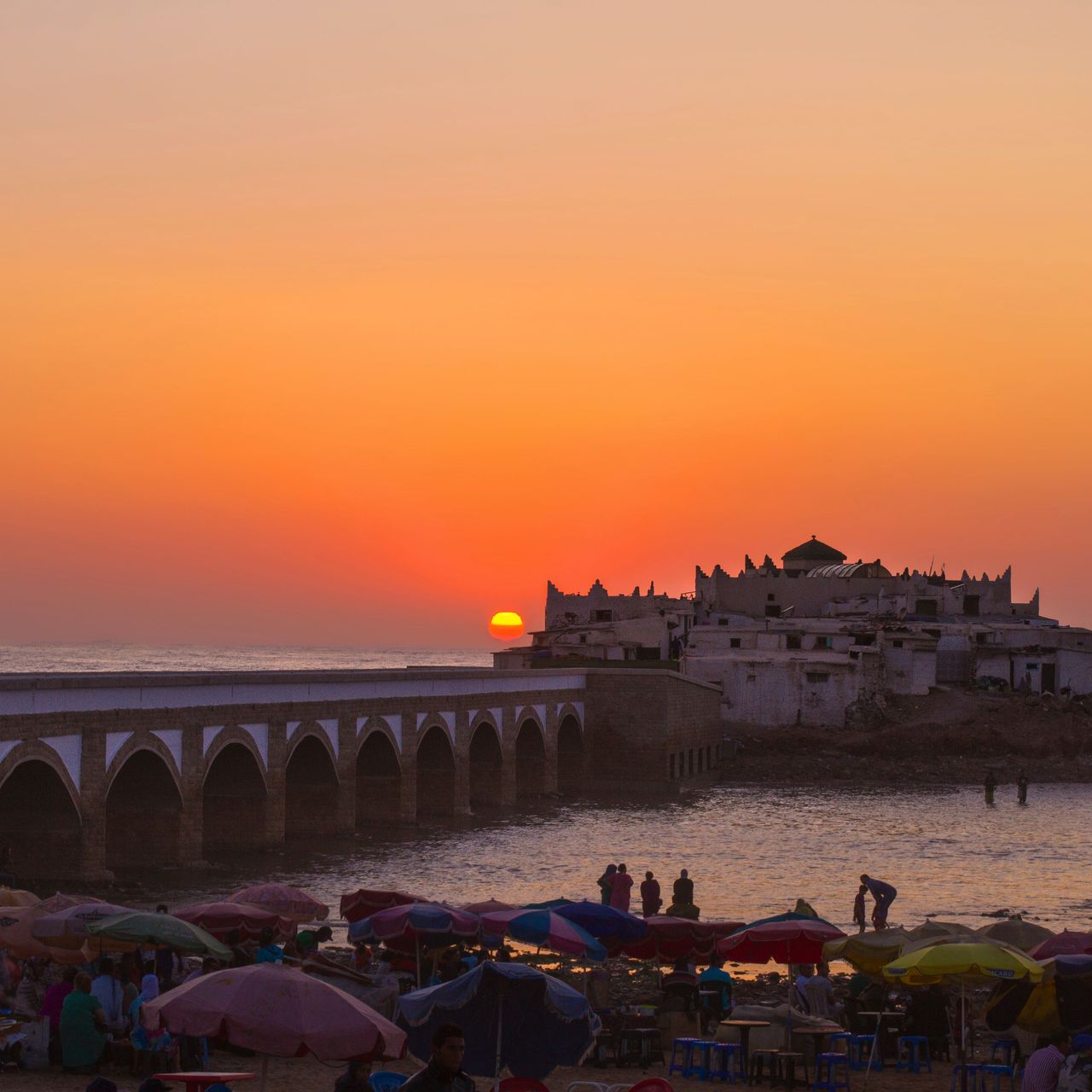
At the far end of the Aïn Diab Corniche, a few metres off the beach, a rock carries a small cluster of white buildings: the shrine of Sidi Abderrahmane. At high tide the islet is cut off from the shore; at low tide you can almost walk across. For years visitors crossed barefoot over the rocks or, when the sea came in, on inner tubes pulled by local ferrymen. A bridge now links the shore to the islet.
The site is one of Casablanca's landmarks, alongside the Hassan II Mosque and El Hank lighthouse. Yet many locals know little of its history, and for decades it was known as the "witches' island".
The legend of the saint
The story of Sidi Abderrahmane belongs more to oral tradition than to the archives. According to the most common version, this holy man came from Baghdad after long wanderings, some three centuries ago, and withdrew to the rock to pray facing the ocean. He is nicknamed Boumezmar, "the man with the instrument": stories describe him praising God on a flute or a lute. Other local versions make him a son of Sidi Bouazza, a saint venerated in the region.
Devout and solitary, he was consulted by the people of the coast, who built him a house on the islet. He is said to have preferred sleeping under the stars, turning the house into a refuge for pilgrims and the poor. Legend credits him with the power to walk on water. When he died he was buried there, and his tomb, at the end of the islet's single lane, has drawn visitors seeking baraka, or blessing, ever since.
From sanctuary to "witches' island"
Over the decades, small houses crowded around the mausoleum and the islet became a place of folk practices. Fortune-tellers, known as chouwafates, read the future in molten lead poured into cold water, offered purification baths in the "seven waves", and sold incense, rosewater and animal sacrifices. Women came to ward off the evil eye, find a husband, heal a child or simply find some hope. This atmosphere, somewhere between devotion and trade in credulity, earned the islet its nickname.
A spiritual heritage site for some and a curiosity for others, Sidi Abderrahmane has always stood apart in Casablanca's landscape.
Sidi Abderrahmane is not the city's only saint. Casablanca has many shrines whose names now designate whole districts: Sidi Belyout, regarded as the city's patron, whose shrine stands near the port; Sidi Allal el-Kairouani, patron of fishermen; Sidi Bousmara in the old medina, where tradition has visitors hammer a nail into the tree shading his tomb; and Sidi Maârouf, Sidi Bernoussi and Sidi Othman. These often modest sanctuaries bear witness to a folk piety that has survived the city's rapid growth.
2024: the islet's makeover
On 12 January 2024, the Casablanca-Settat authorities demolished the informal buildings around the mausoleum, judged unsanitary or unsafe. The shrine itself was preserved. The occupants, including the fortune-tellers, had to leave, which raised questions about the fate of the families who lived there.
After some nine months of work, the site was inaugurated on 19 September 2024 in the presence of the mayor, Nabila Rmili, and the regional governor, then opened to the public. Whitewashed walls, rebuilt stairs, information panels and a space for contemplation have given the islet a new face. Quieter now, the site focuses on heritage and spirituality rather than divination. Access announced in 2024 is free, Tuesday to Sunday, 9am to 6pm; times may change, so check on site.
Around the islet
The visit pairs easily with a walk along the Aïn Diab Corniche, its beaches and terraces. Just opposite, in the former quarry, the Sidi Abderrahmane Archaeological Park opened on 16 July 2025. Across five hectares, an interpretation centre and a marked trail tell the story of one of North Africa's great prehistoric sites: a human jawbone, the "Sidi Abderrahmane Man", was found here in 1955, along with thousands of stone tools.
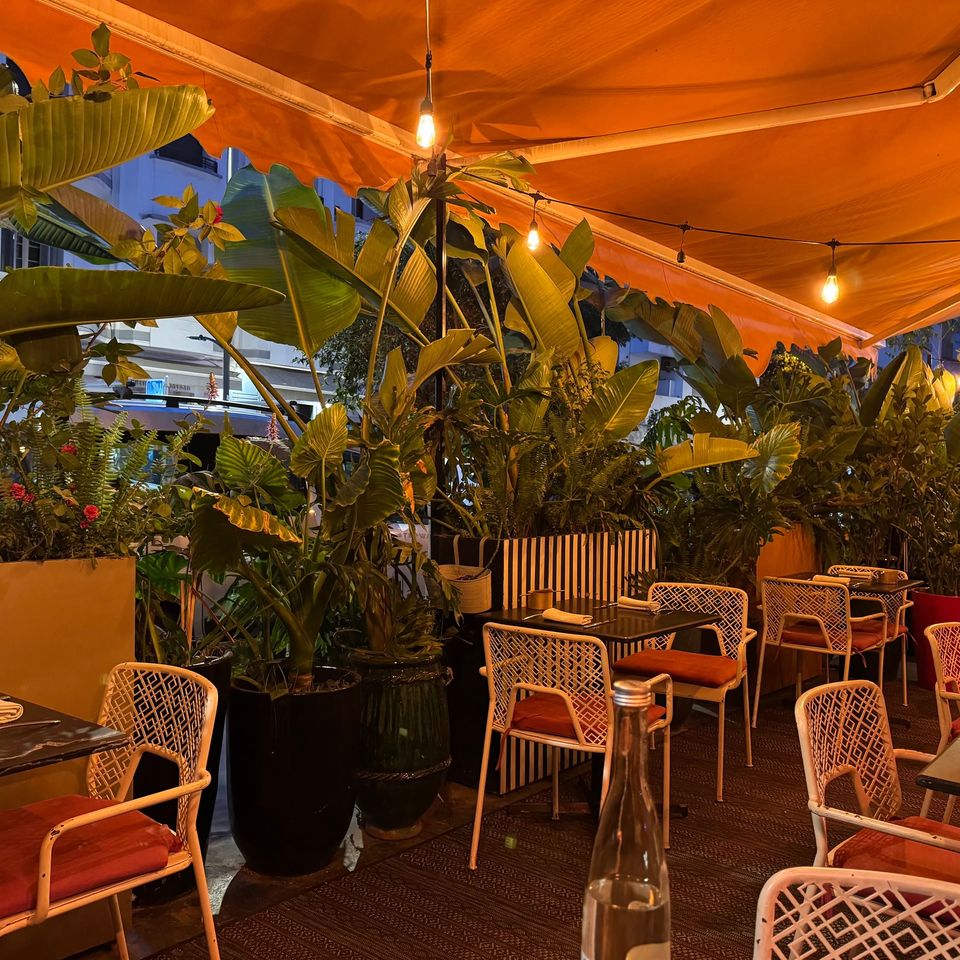
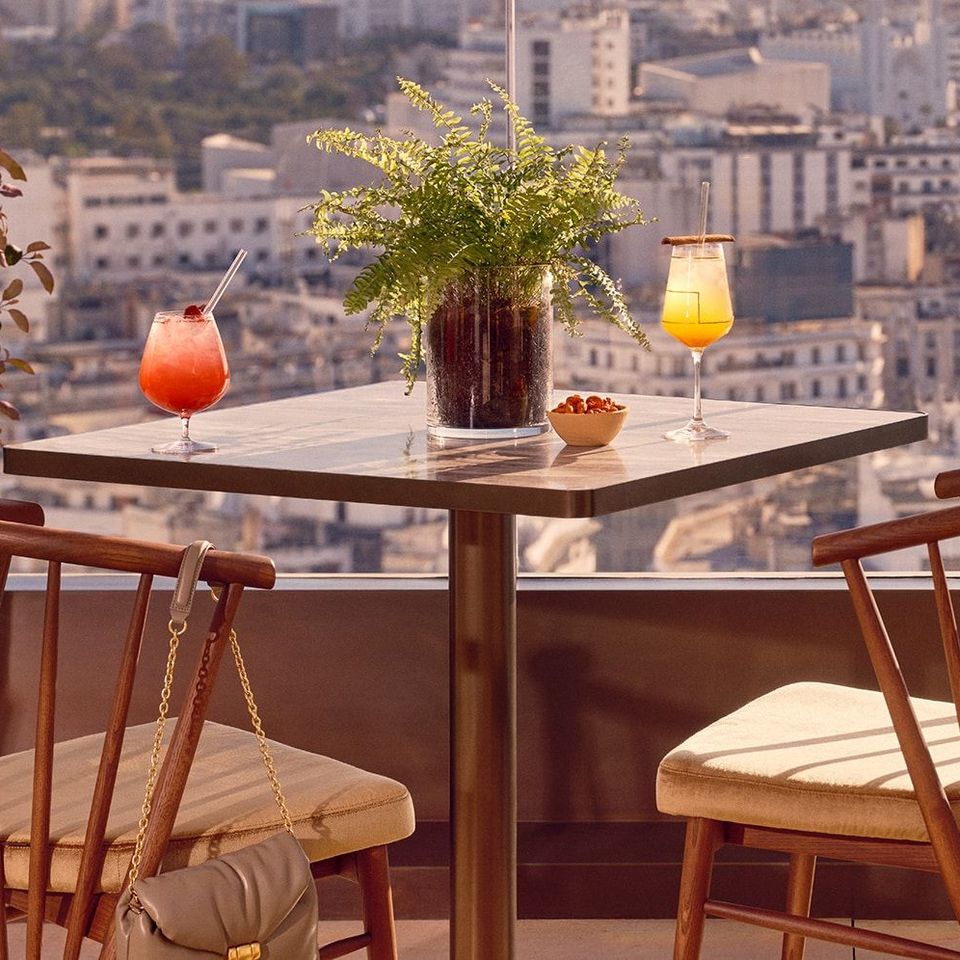
To plan the rest of your day, browse our things to do and our restaurant picks, several of them on the Corniche.
Practical information
- Getting there: at the end of Boulevard de la Corniche in Aïn Diab; tram T2 to its Aïn Diab terminus, then walk along the Corniche or take a petit taxi.
- Opening times: announced as Tuesday to Sunday, 9am to 6pm, at the 2024 reopening; free entry.
- Tips: come in the late afternoon for sunset over the islet; dress modestly, as it remains a shrine.
- Combine with the Sidi Abderrahmane Archaeological Park and the Corniche.