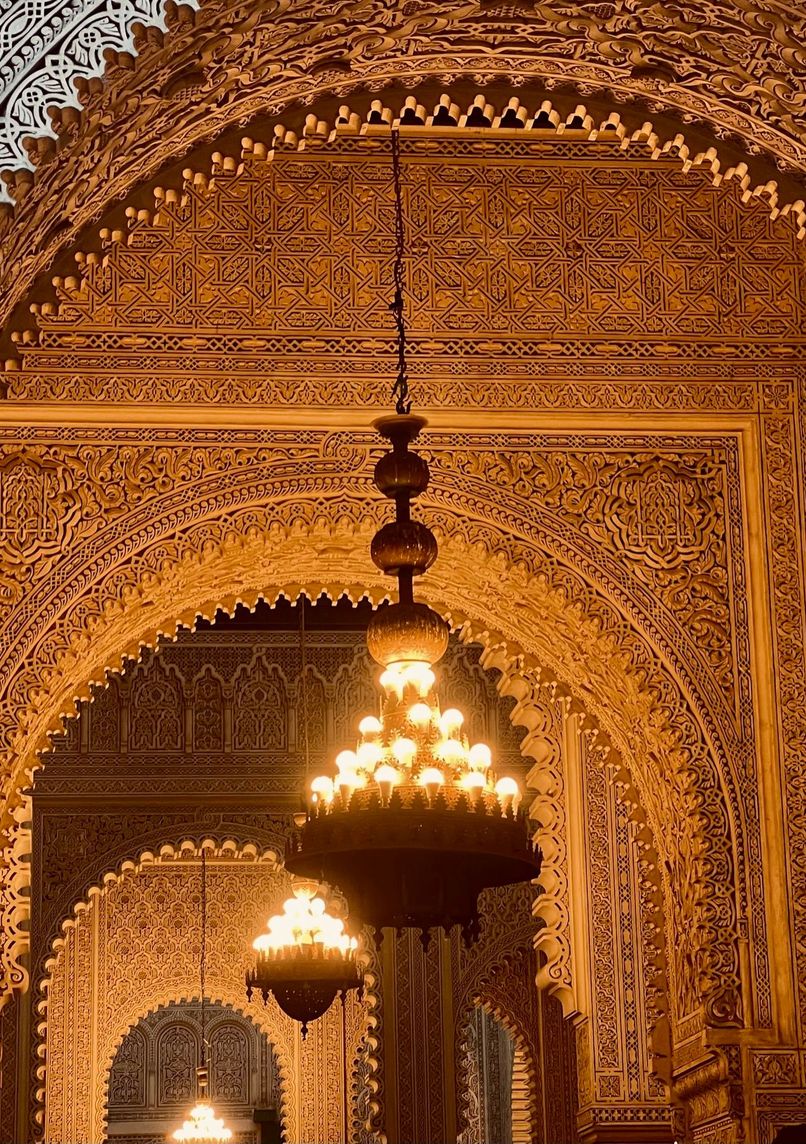
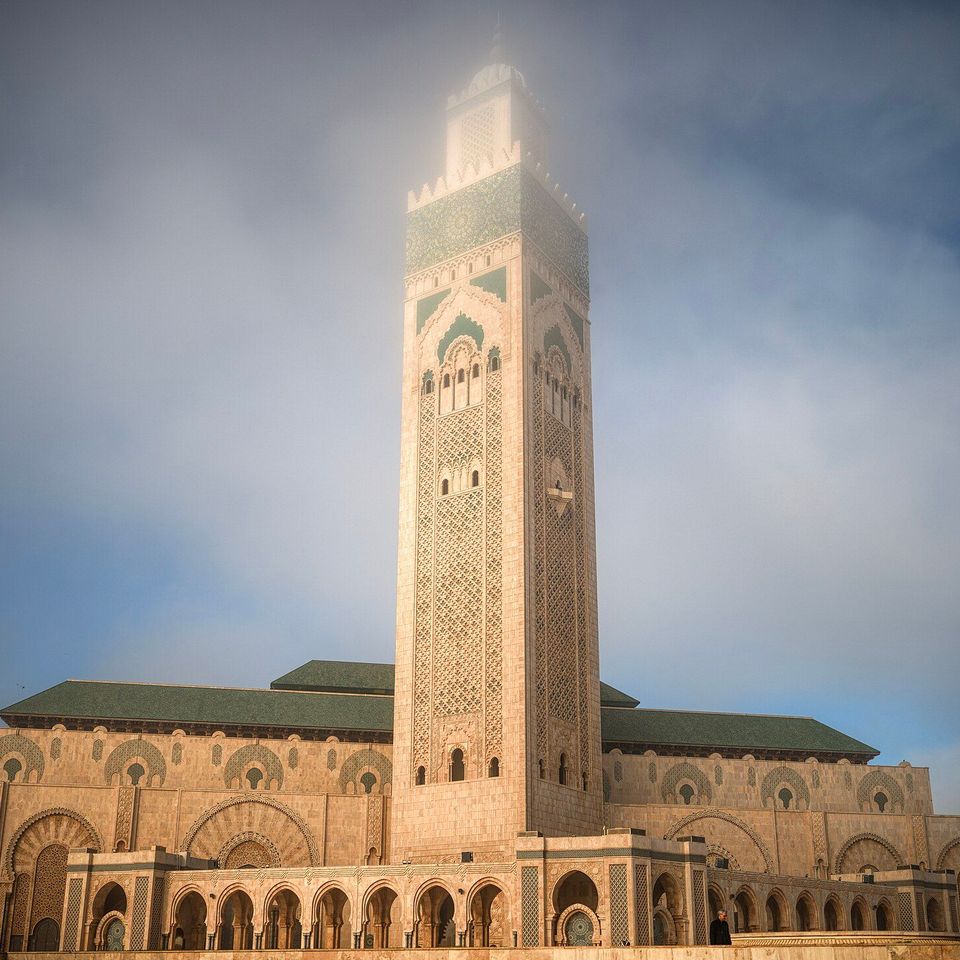
South of the city centre, beside the royal palace, the Habous quarter is a medina planned by the urban designers of the French protectorate from 1917. White lanes, arcades, mosques, bookshops, craft souks and pastry shops make it one of the most picturesque walks in Casablanca.
A brand-new medina, drawn up in 1917
Known as the "new medina", the Habous quarter is a paradox: a traditional town designed from scratch in the 20th century. Architect Albert Laprade, Henri Prost's deputy, drew the first plans in 1917, and Auguste Cadet and Edmond Brion carried the project forward. Building went on from 1918 to 1955, mostly in the 1920s and 1930s, on land donated to the Habous administration (the religious endowments) by Haïm Bendahan.
The district was meant to house Moroccans arriving from all over the country to work in the booming city. Its architects borrowed the vocabulary of the old medinas (lanes, small squares, arcades, mosques, hammams, bread ovens) and combined it with modern planning rules.
What to see
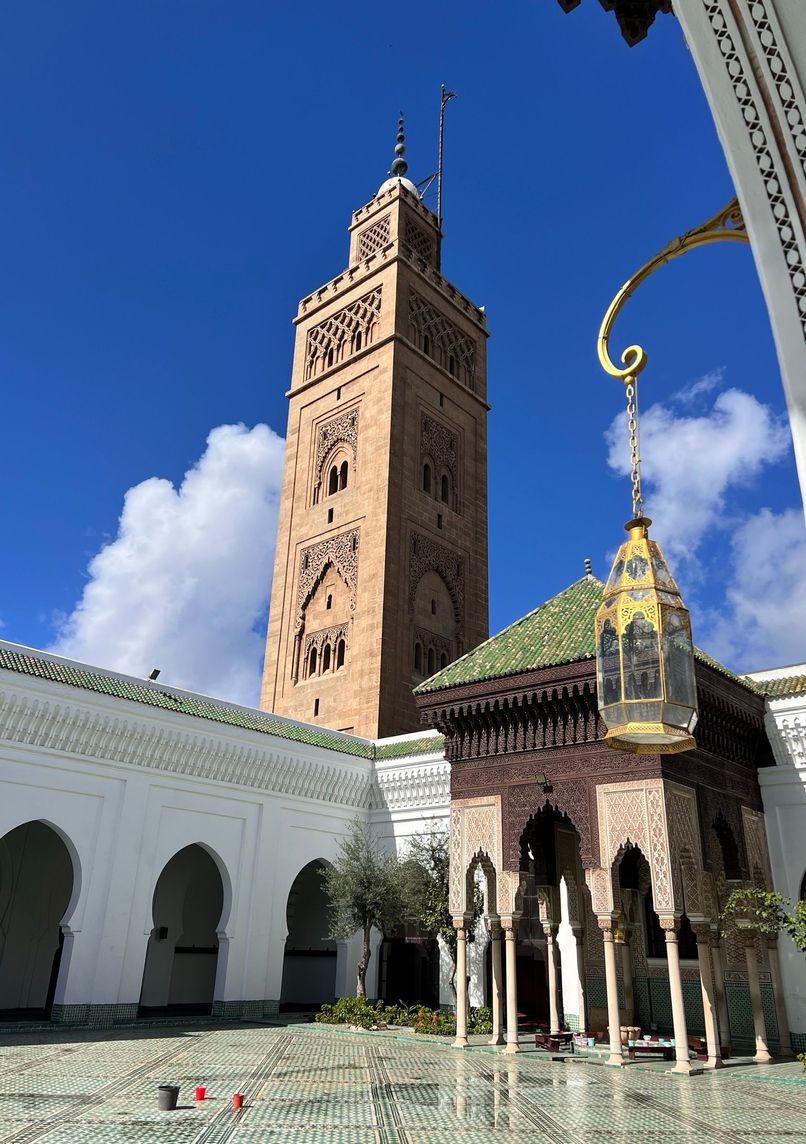
- The Al-Mohammadi Mosque, named after Sultan Mohammed V, with its tall minaret and decoration by master craftsman Mohamed Benomar; the Moulay Youssef Mosque stands nearby (both open to Muslims only).
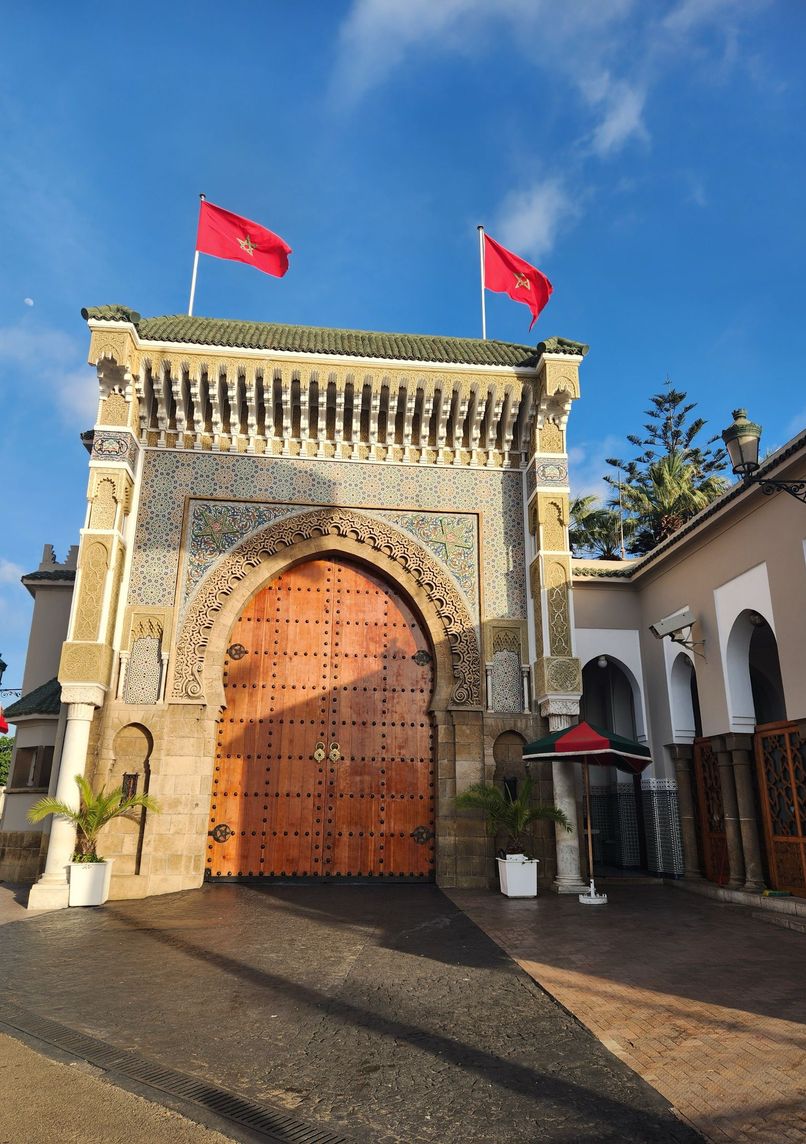
- The Mahkama du Pacha, the former courthouse and reception palace with green-tiled roofs, to be admired from the outside.
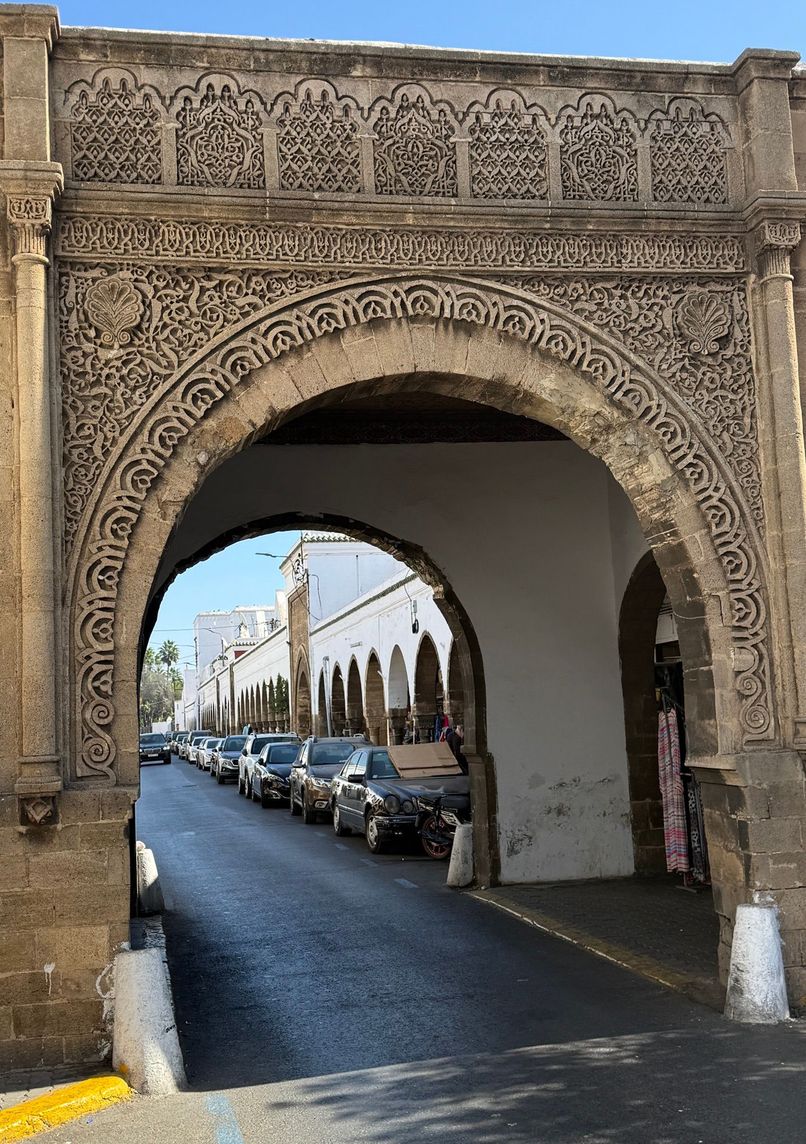
- The kissariat and arcades: coppersmiths, sellers of babouches, rugs, kaftans and brassware, bazaars and bric-a-brac dealers.
- The olive market, with its stalls of olives and condiments.
- The bookshops clustered around the arcades, specialising in religious books, history and Arabic literature.
- Dar Al Ala, a restored house that has displayed since 2010 a collection of instruments and manuscripts of Andalusian music gathered by an association of enthusiasts.
- A sweet break at Pâtisserie Bennis, the neighbourhood institution for gazelle horns and Moroccan pastries.
Guided tours
Casamémoire, the association that champions Casablanca's 20th-century heritage, runs a seven-stop Habous walk during its events: the Mahkama, the Sultan's palace, the Al-Mohammadi and Ben Youssef mosques, the Nidara, the Chiqui hammam and the kissariat.
Practical information
- Free access to the quarter, best explored during the day when the shops are open.
- Allow one to two hours to wander, longer with a guide.
- Reach it by taxi from downtown; it pairs well with the Central Market or the old medina.
- Casamémoire tours: by appointment on +212 5 22 47 43 33 or casamemoire@casamemoire.org.