Downtown and the old medina
The vibe: protectorate-era Casablanca around Boulevard Mohammed V and Place Mohammed V, with Art Deco buildings, arcades and the tram. Just to the north, the small, working-class old medina keeps its ramparts and the Sqala bastion facing the port.
Where to eat: the Central Market for oysters and grilled fish; La Taverne du Dauphin, a family-run seafood institution near the port; La Sqala for a Moroccan lunch in the bastion's garden.
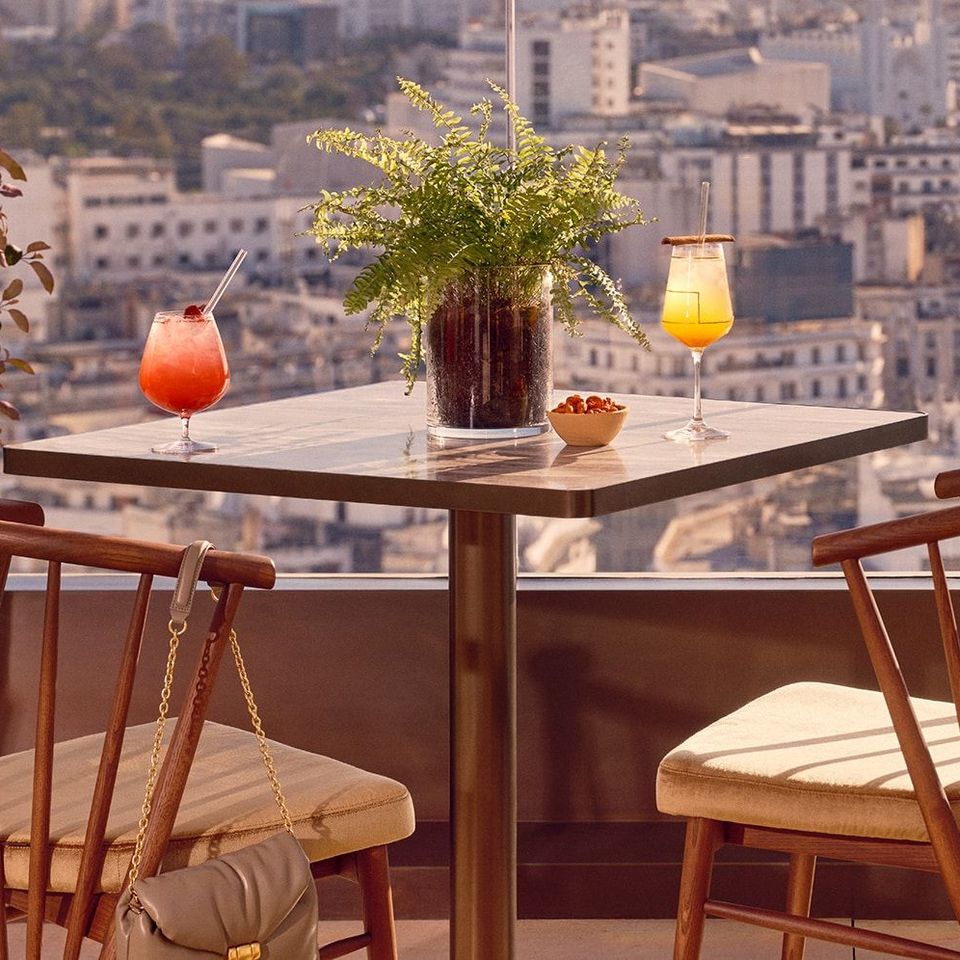
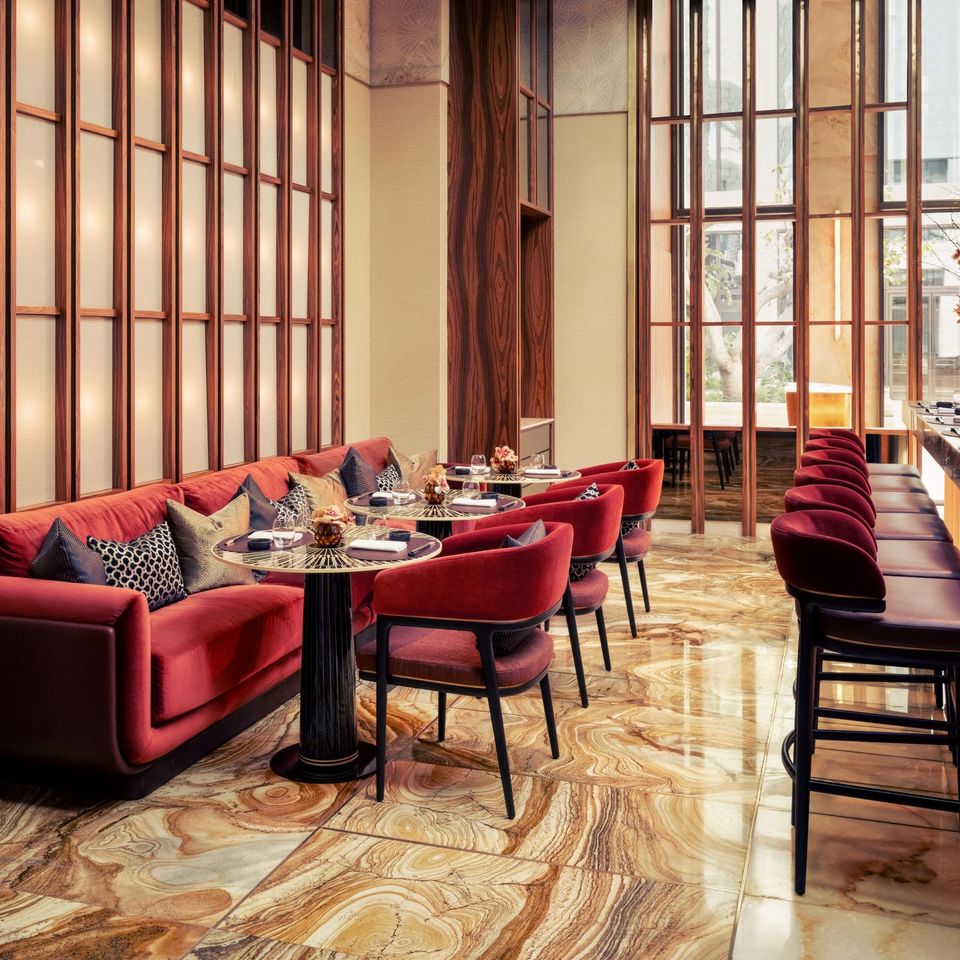
Going out: Rick's Café, on the edge of the medina, for its piano and decor inspired by the film Casablanca; the Royal Mansour Casablanca on Avenue des FAR for its rooftop and its brasserie by chef Éric Frechon.
The Habous, the "new medina"
The vibe: built from the 1920s next to the Royal Palace, to plans by Albert Laprade later taken over by Auguste Cadet and Edmond Brion, the Habous quarter borrows the language of the medinas – arcades, small squares, mosques – with the modern comforts of its time. It is the most peaceful district in central Casablanca: bookshops, olive sellers, coppersmiths and djellaba tailors.
Don't miss: the Mahkama du Pacha, a former courthouse built in the 1940s and 1950s, with carved cedar ceilings and zellige-tiled patios, to be admired from outside; and the Moulay Youssef mosque.
Where to eat: stop for mint tea and gazelle horns in the traditional pastry shops under the arcades before wandering on.
Maârif, Gauthier and Racine
Maârif
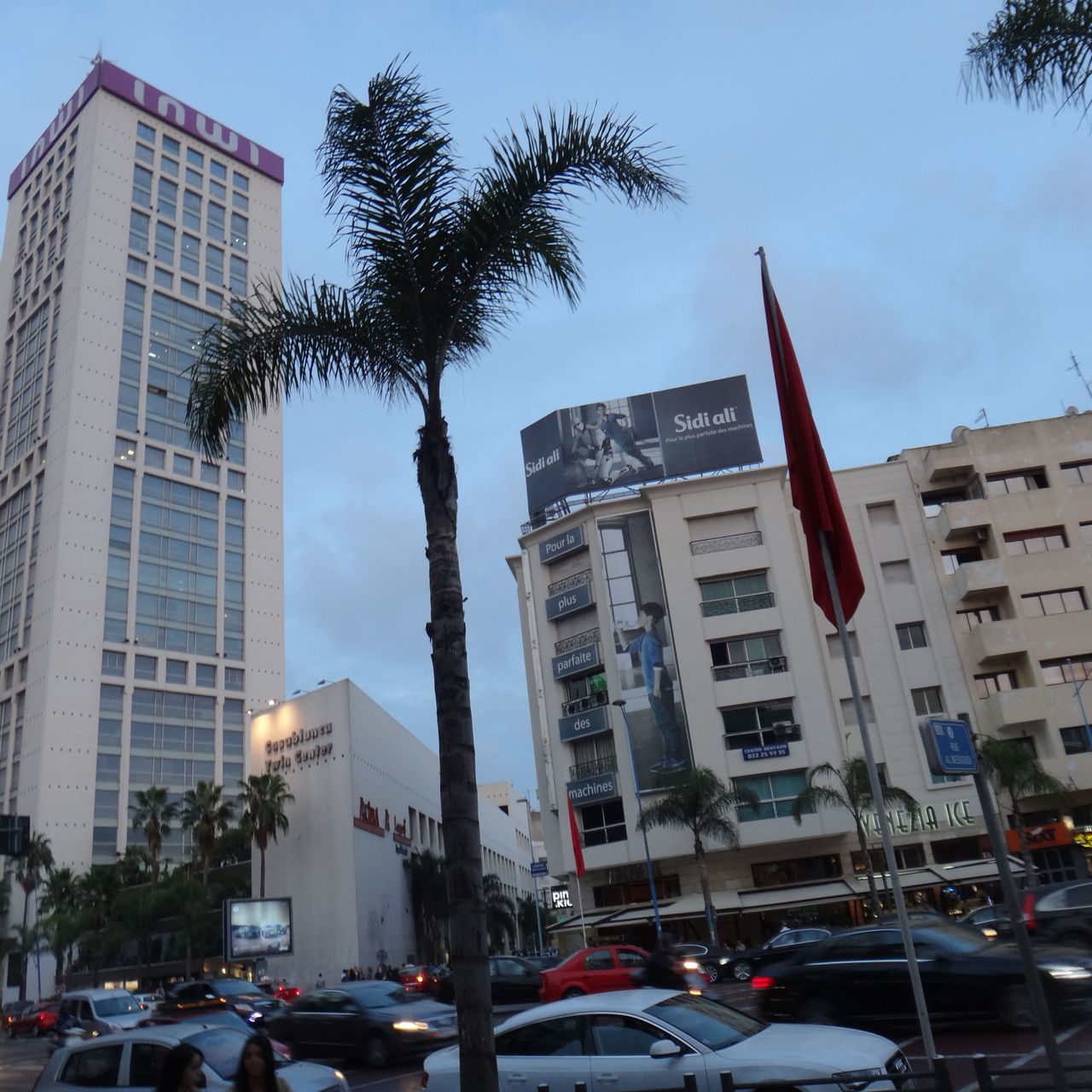
A former working-class suburb where Spanish, Italian, Portuguese and Greek families lived side by side in the 1920s and 1930s, Maârif is now the city's main shopping district, dominated by the twin towers of the Twin Center on Boulevard Zerktouni. Brand stores and local shops, markets and cafés on every corner make it Casablanca at its busiest. The Stade Mohammed V, home of Raja and Wydad, is here too.
Gauthier
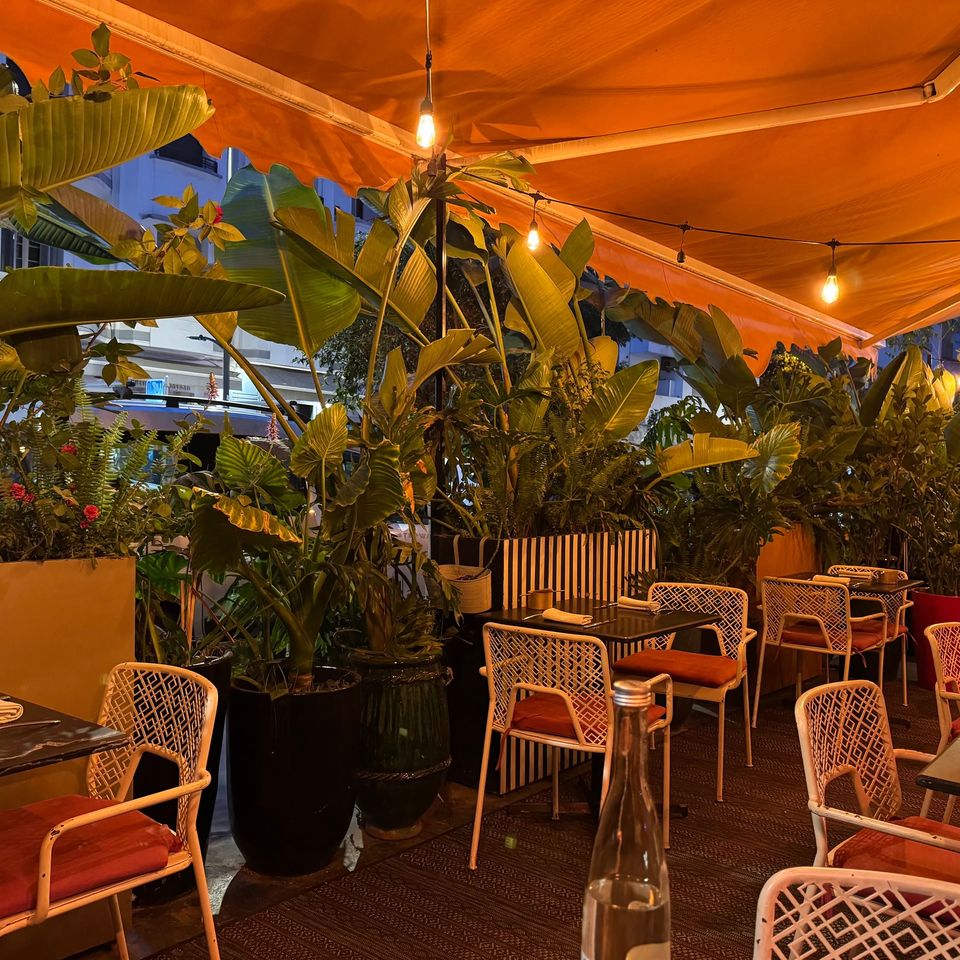
Between Boulevard Zerktouni and Arab League Park, Gauthier is the place for specialty coffee, fashionable restaurants, galleries and small shops. Quiet streets, 1930s to 1950s apartment blocks and terraces make it a neighbourhood to explore on foot. The Villa des Arts and the former Sacré-Cœur Cathedral are a few minutes away.
Racine
The upmarket residential extension of Gauthier towards Anfa, Racine is lined with villas, elegant apartment buildings, designer boutiques and brasseries. It is a favourite with families and expats, with its schools and tea rooms. To pick a table, see our restaurants section.
Bourgogne and the Oasis
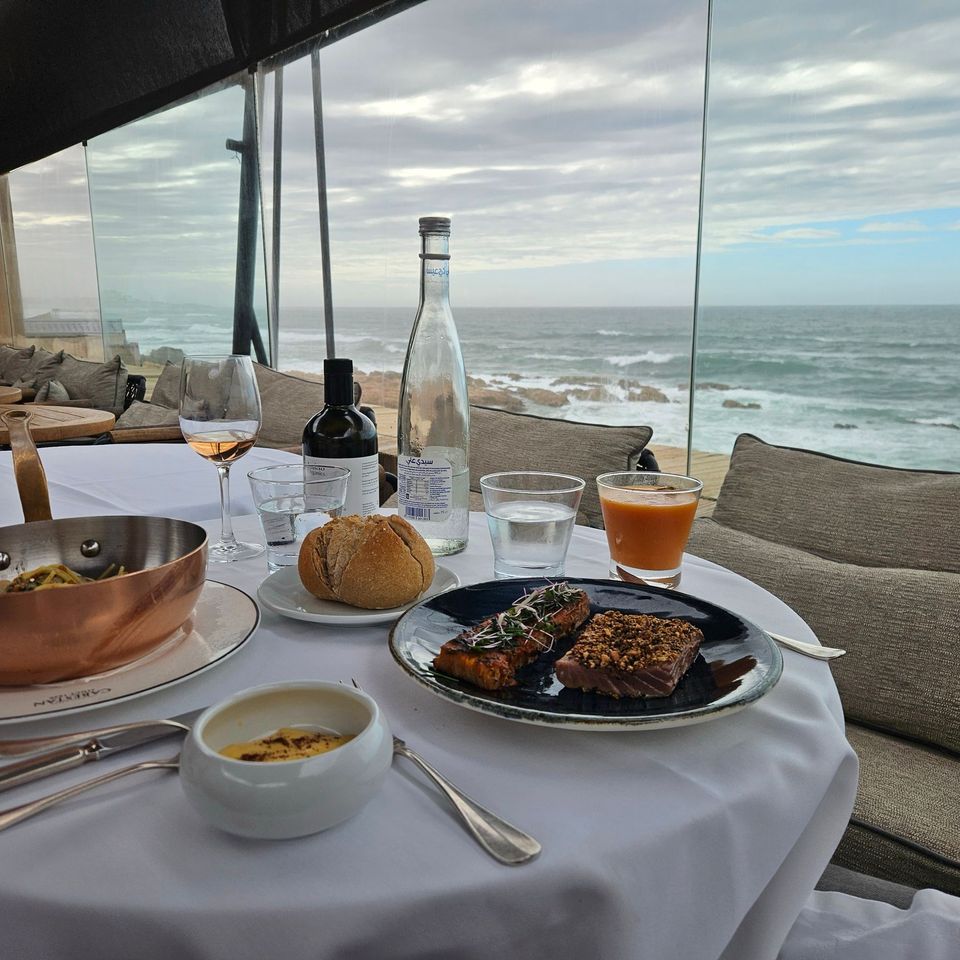
Bourgogne, west of downtown between the medina and the Corniche, is a lively mixed district with markets, late-night cafés and plenty of new buildings. It looks out over the Hassan II Mosque and El Hank lighthouse, where Le Cabestan serves seafood facing the ocean.
The Oasis, further south, is a quiet, leafy residential area of villas and gardens. It is home to the Museum of Moroccan Judaism, devoted to the history and traditions of Morocco's Jews.
Anfa and Casa Anfa
Anfa is the city's most prestigious residential district: large villas on the hill, tree-lined avenues, embassies and private residences. The long-gone Anfa hotel hosted the January 1943 conference between Roosevelt and Churchill. On its edge, Villa Zevaco, a late-1940s modernist masterpiece, now houses a bakery and tea room. On the ocean side, the Four Seasons overlooks the Corniche.
Casa Anfa is the new district built on the roughly 350 hectares of the former Anfa airport, closed in 2007. It is home to the Casablanca Finance City business district and its tower, new residences and Anfa Park, the first section of which opened in 2020. Restaurants and cafés serving the CFC crowd are multiplying.
The seafront: Aïn Diab and the Marina
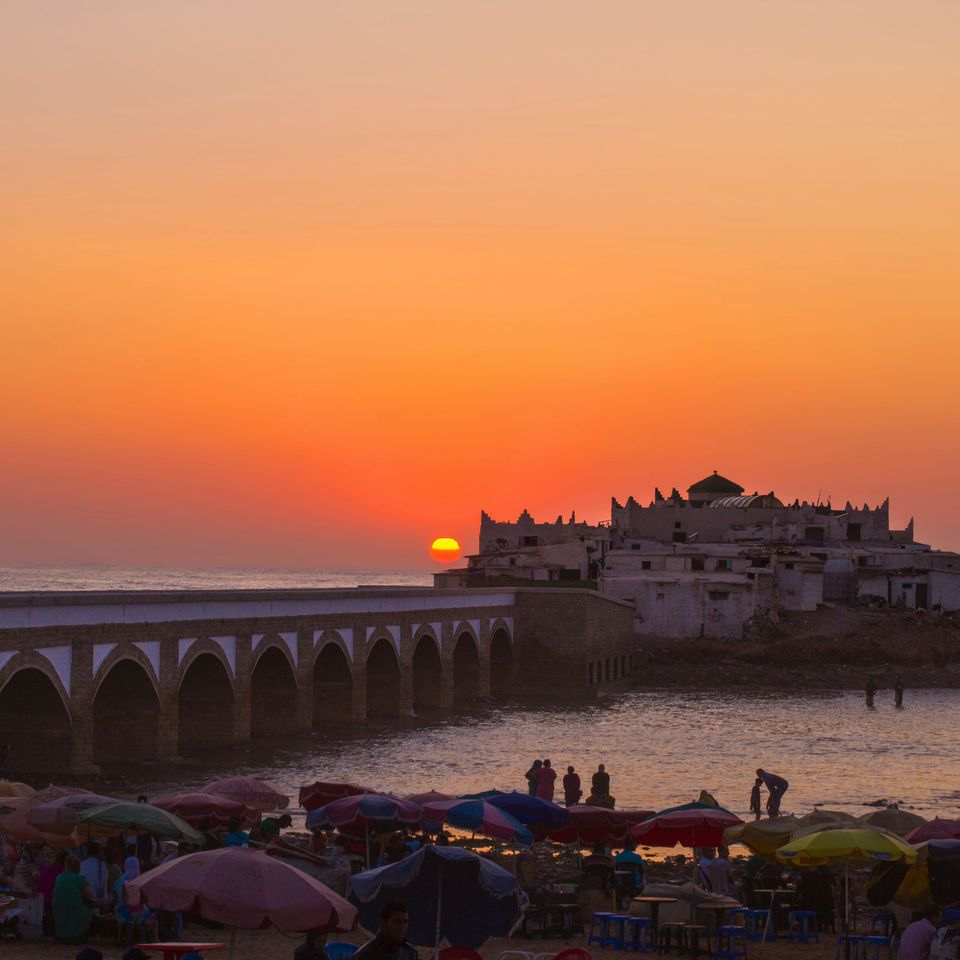
Aïn Diab means the Corniche: beach clubs with pools, restaurants, bars and nightclubs, a promenade that fills up at sunset, and the Morocco Mall. At the end of the Corniche, the shrine of Sidi Abderrahmane and the archaeological park draw walkers and families. At night this is where the city's nightlife is concentrated: see our bars and nightlife section.
The Marina, between the port and the Hassan II Mosque, is the newest seafront district: office towers, residences, hotels and the Marina Shopping centre, opened in 2019, whose terrace extends the mosque promenade. Still taking shape, it is ideal for a waterfront stroll.
Practical information
- Where to stay: downtown and the Marina for sightseeing on foot, Gauthier and Racine for neighbourhood life, Anfa and the Corniche for the ocean. Our hotels selection covers all these areas.
- Getting around: the tram links downtown, Maârif and Aïn Diab; red petits taxis fill the gaps.
- A good rhythm: downtown and the Habous in the morning, Gauthier or Maârif in the afternoon, the Corniche at sunset.