One city, two colours
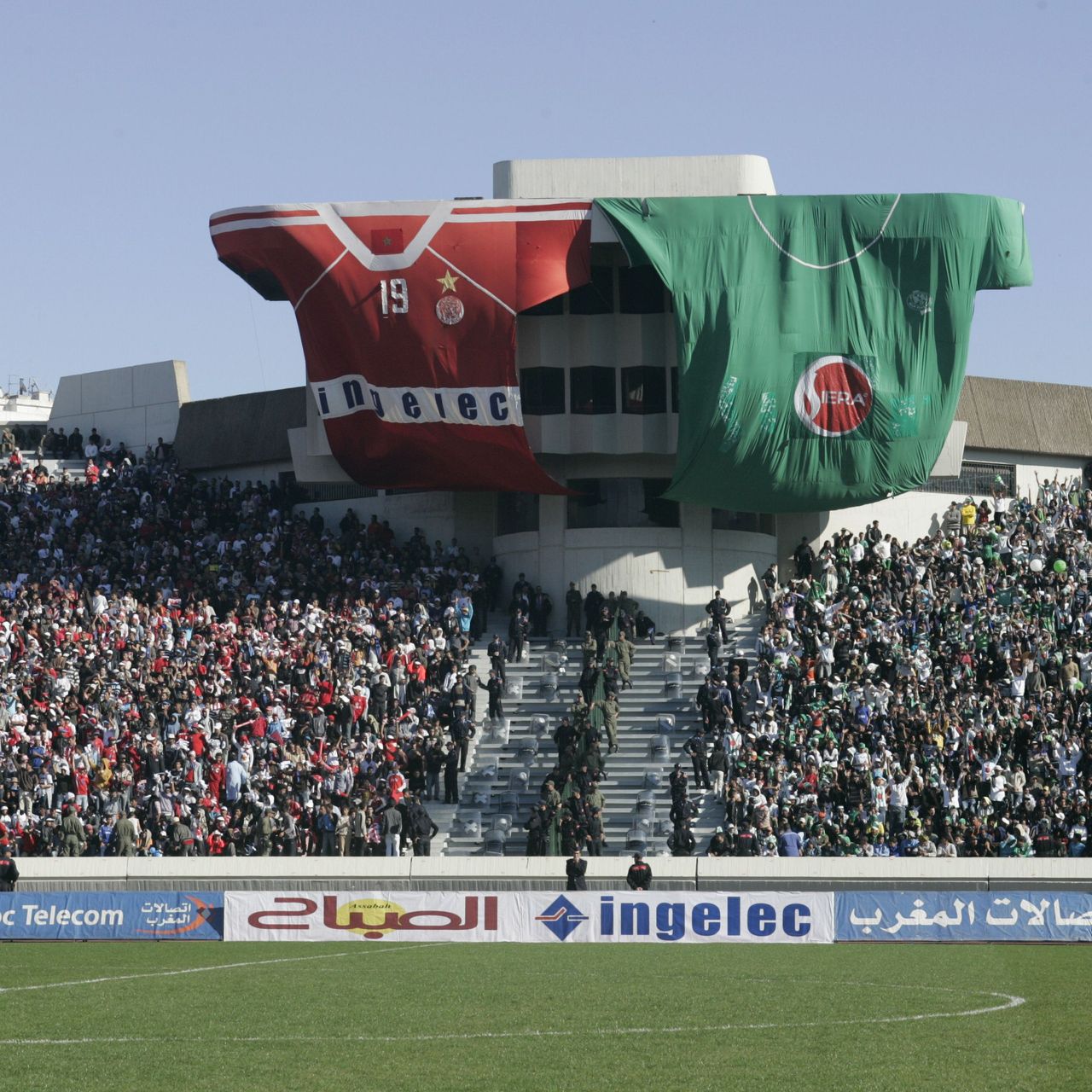
In Casablanca you are born red or green. The red of Wydad Athletic Club (WAC) and the green of Raja Club Athletic (RCA): the two clubs share a stadium, the same streets and a rivalry that has shaped city life for almost seventy years. The Casablanca derby is the most-played fixture in Moroccan football history, with more than 150 official meetings, and regularly features among the world's great derbies for the atmosphere in the stands.
Wydad, founded in 1937 under the protectorate
Wydad was founded on 8 May 1937 by Haj Mohamed Benjelloun Touimi, at a time when sports clubs in the protectorate were dominated by Europeans. It began as a swimming club; the football section followed in 1939, with Mohamed Ben Lahcen Affani, known as Père Jégo and a founding figure of Moroccan football, as its first coach. According to the most widely told story, the name "Wydad" ("love") comes from an Oum Kalthoum film one of the founders was watching on the day of the first meeting.
Seen as the club of notables and nationalists, and nicknamed "the Doyen" or "the Emperor", Wydad holds the record for Moroccan league titles, with 22. It has won three CAF Champions League trophies (1992, 2017 and 2022) and was Morocco's only representative at the 2025 FIFA Club World Cup in the United States.
Raja, the people's club
Raja was born on 20 March 1949 in Derb Sultan, a working-class district near the centre, founded by nationalists and trade unionists. The name, meaning "hope", was chosen from several options by activists who met in a neighbourhood café. Père Jégo, who moved from Wydad to Raja, introduced a technical, attacking style that became known as the "Raja game".
Nicknamed "the Green Eagles" or "the people's club", Raja has three CAF Champions League titles (1989, 1997 and 1999) and 13 league titles. In 2013 it reached the final of the FIFA Club World Cup, held in Morocco, after knocking out Atlético Mineiro, before losing to Bayern Munich. In 2024 it won the league without a single defeat, a first in Botola history, and completed the double with the Throne Cup.
The derby: it's all about the stands
The first official derby was played on 10 February 1957 and won 1-0 by Raja. Wydad has since led the head-to-head record, while Raja holds the biggest win: 5-1 in the 1996 Throne Cup. In 2019 the two clubs met for the first time in an international competition, the Arab Club Champions Cup; the second leg ended 4-4 after a stoppage-time Raja equaliser.
Much of the show is in the stands. The ultras groups – the Green Boys and the Eagles for Raja, the Winners for Wydad – prepare giant tifos, chants and choreographies that go viral on social media. The two ends split the stadium evenly. The derby has also seen episodes of violence, which have led to matches behind closed doors and tighter security.
Terrace chants sometimes reach well beyond football. In 2019, "Fi bladi delmouni" ("In my country I've been wronged"), sung by Raja supporters, was taken up far beyond Morocco as a youth anthem. On derby day the whole city runs on match time: divided families, packed cafés and car horns late into the night for the winning side.
Stade Mohammed V, the "Donor"
Opened on 6 March 1955 as Stade Marcel-Cerdan, renamed Stade d'Honneur after independence – hence its nickname, the "Donor" – and Stade Mohammed V in 1983, the Stade Mohammed V stands in the Maârif district. Wydad has played there since 1955 and Raja since the late 1950s. Enlarged for the 1983 Mediterranean Games and renovated several times, it closed for a year of modernisation ahead of the 2025 Africa Cup of Nations and reopened on 12 April 2025 with a derby, with around 45,000 seats.
Next: the Grand Stade Hassan II
In Benslimane province, between Casablanca and Rabat, the Grand Stade Hassan II is being built for the 2030 World Cup, co-hosted by Morocco, Spain and Portugal. Designed by Oualalou + Choi with Populous, it is set to hold around 115,000 spectators beneath a vast roof inspired by the tents of the traditional moussem gatherings, which would make it the largest football stadium in the world. Work was about 40% complete in May 2026, with completion announced for late 2027 or 2028 depending on the source. Raja and Wydad are expected to play there before the World Cup, giving the derby a stage to match its reputation.
Practical information
- Tickets: sold through the clubs' official channels and quickly snapped up for the derby; buy as soon as sales open and avoid touts.
- At the stadium: arrive early to see the tifos, don't wear one club's colours in the other's section, and choose the side stands for a first visit.
- Getting there: the stadium in Maârif is reachable by tram and taxi; traffic is very heavy on match nights.
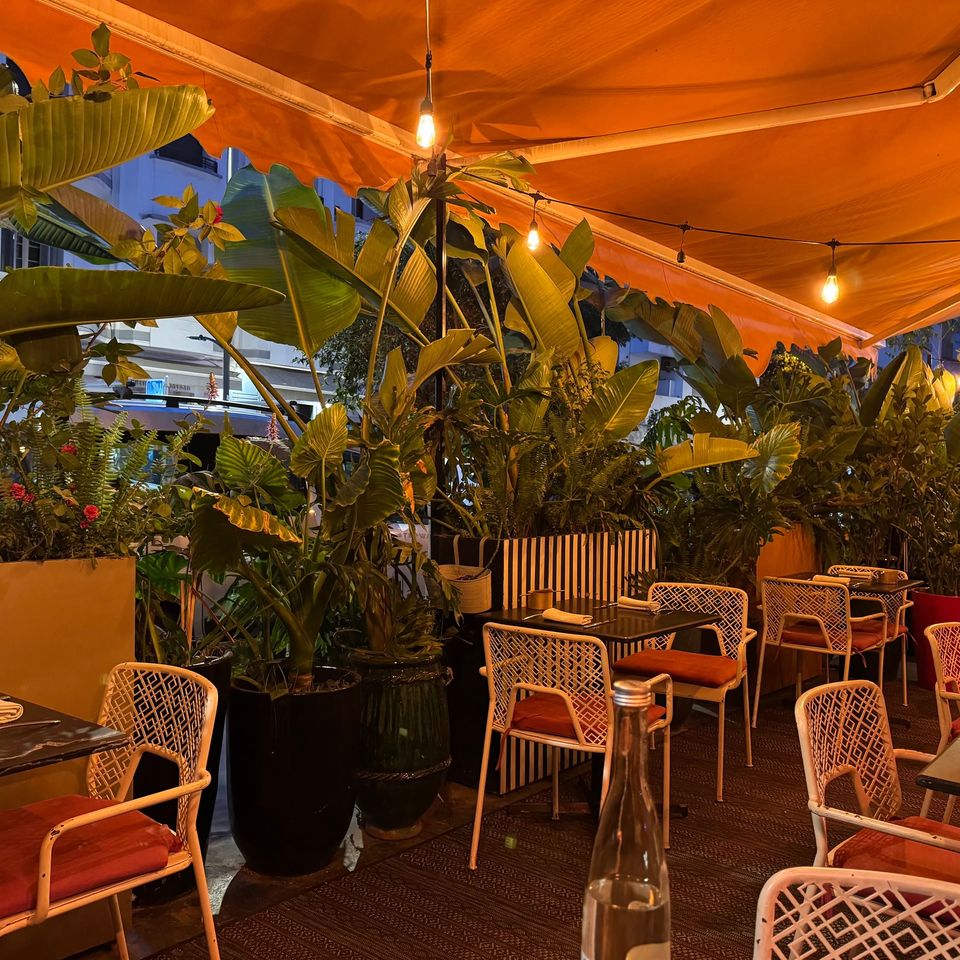
- No ticket? Cafés across the city screen every derby, with an atmosphere almost as intense. See our cafés section.