The Central Market, the city’s larder
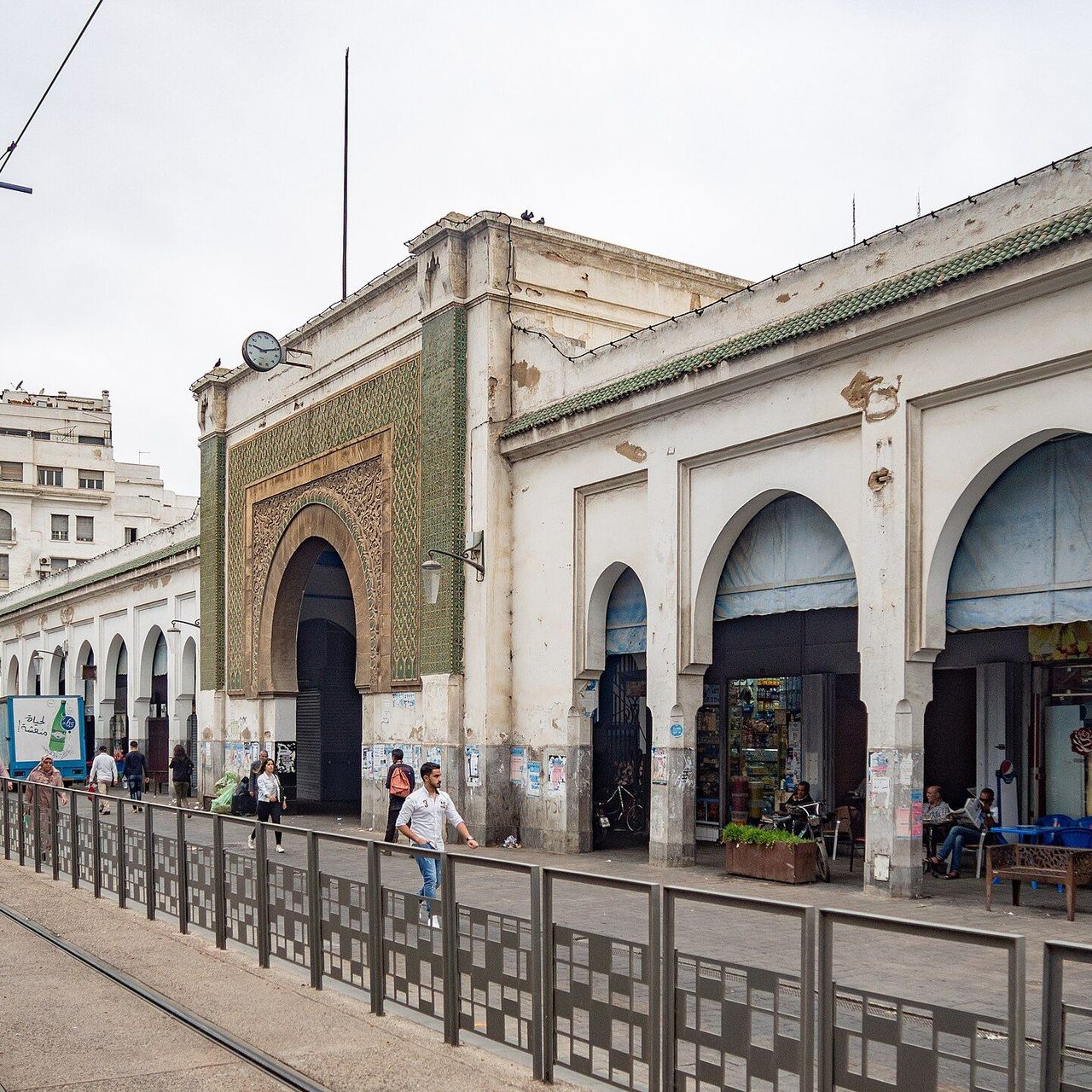
On Boulevard Mohammed V, behind a monumental gateway clad in green tiles, the Central Market opened in 1919, built to plans by architect Pierre Bousquet. More than a century later it is still the best place to see what Casablancans eat: fruit and vegetables, spices, olives, flowers and, above all, the fish hall.
People come for the oysters from Oualidia and Dakhla, opened in front of you by the stallholders and served with a squeeze of lemon, to be eaten standing up. Around the hall, counters grill or fry to order the fish you choose at the stall: at Chez Michel et Hafida or Chez Redouane you sit down at a Formica table for sardines, pil-pil prawns or a mixed fry. A renovation of the building was launched in 2026; until the works, the market keeps its old-Casablanca atmosphere.
Fish and seafood, the port’s legacy
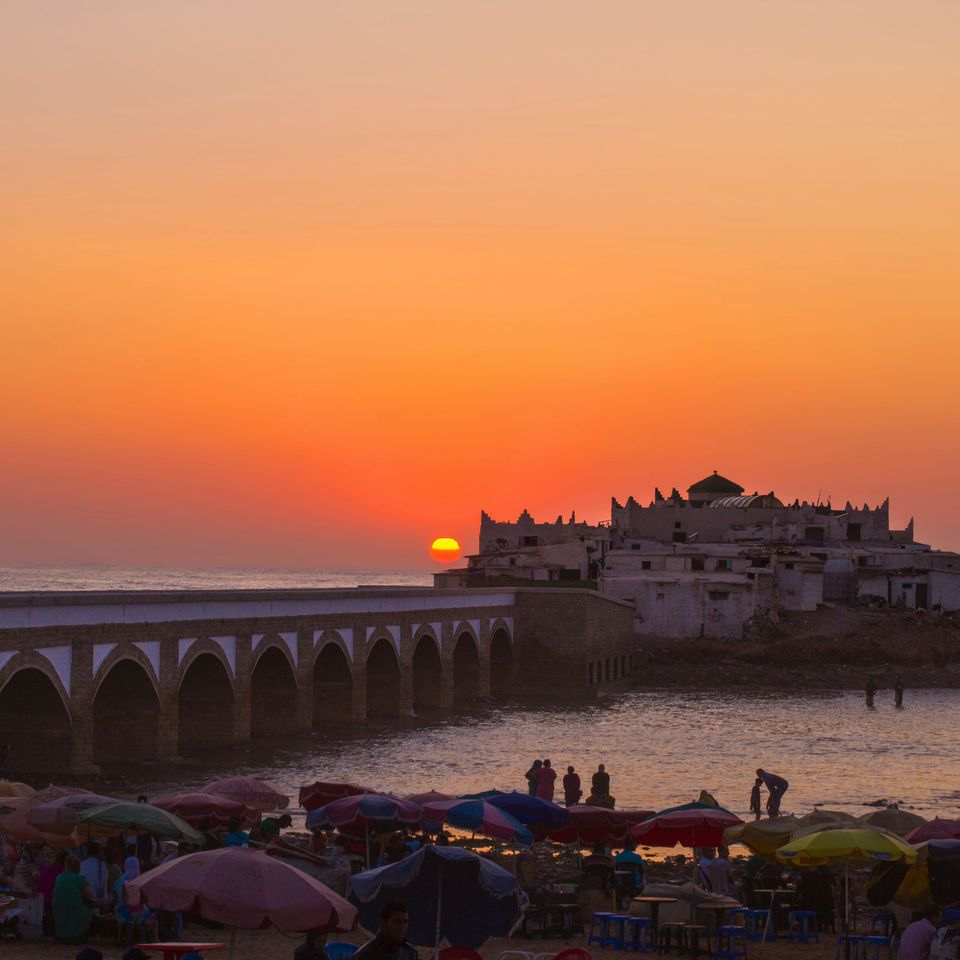
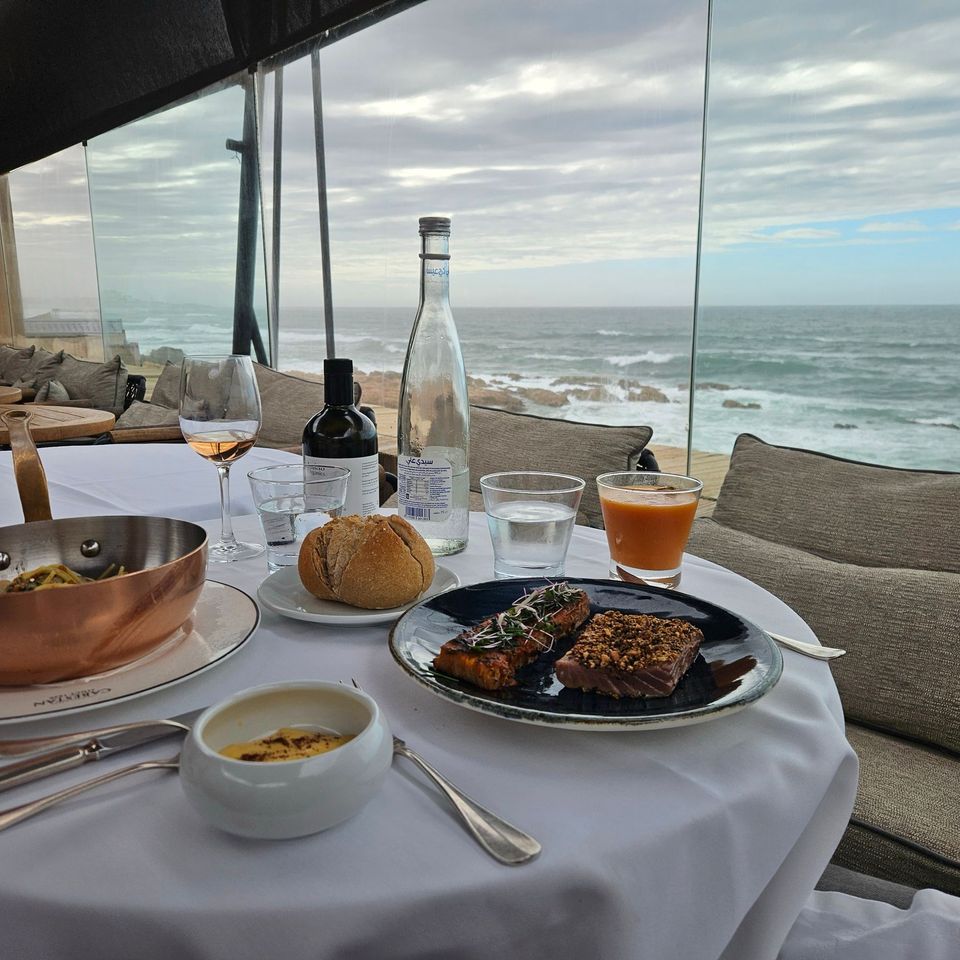
A port city first and foremost, Casablanca has kept a fish culture you find at every price point. Near the harbour, La Taverne du Dauphin, founded in 1957, has served fried fish, calamari, king prawns and salt-crusted fish for decades in a setting that has barely changed. At the foot of the El Hank lighthouse, Le Cabestan offers ocean views. Along the Corniche, several places serve the catch of the day grilled: our Restaurants section picks the best.
Home cooking and street food
Casablanca’s home cooking draws on the great Moroccan classics, with a few local points of pride. Harira "bidaouia", a soup of tomatoes, pulses and meat lifted with coriander and lemon, marks the evenings of Ramadan. Rfissa, chicken with fenugreek and lentils served over shredded msemen flatbread, is made for special occasions. And seafood pastilla, a briny take on the classic pigeon pie, has become a festive dish in the city’s families.
On the street, breakfast means msemen or harcha with mint tea. In winter, babbouche sellers set up steaming pots of snails in a spiced broth (thyme, liquorice, anise, chilli), notably on the Aïn Diab Corniche. Maakouda potato fritters and sandwiches filled with sardines or kefta round out a meal on the go. During Ramadan the city runs on chebakia, honey-and-sesame pastries for which some addresses draw long queues.
At sunset, the ftour that breaks the fast brings together harira, dates, chebakia, boiled eggs and msemen, and many restaurants and hotels offer special menus before evenings that run late into the night. It is a good time to taste home-style dishes rarely found on menus the rest of the year.
The Habous and Pâtisserie Bennis
For something sweet, head to the Habous district, a "new medina" built during the French Protectorate, with arcades and quiet squares. On Rue Fkih El Gabbas, Pâtisserie Bennis, a family business founded in 1938, is known for its gazelle horns filled with almond paste and orange-flower water, its almond briouats and its chebakia. Pastries are sold by weight, to eat or to give. The district then invites a stroll among stalls selling olives, brassware and traditional clothing.
The city has also seen a new generation of more contemporary pastry shops and tearooms. Our Cafés section gathers the best places for afternoon tea or brunch.
Fine dining
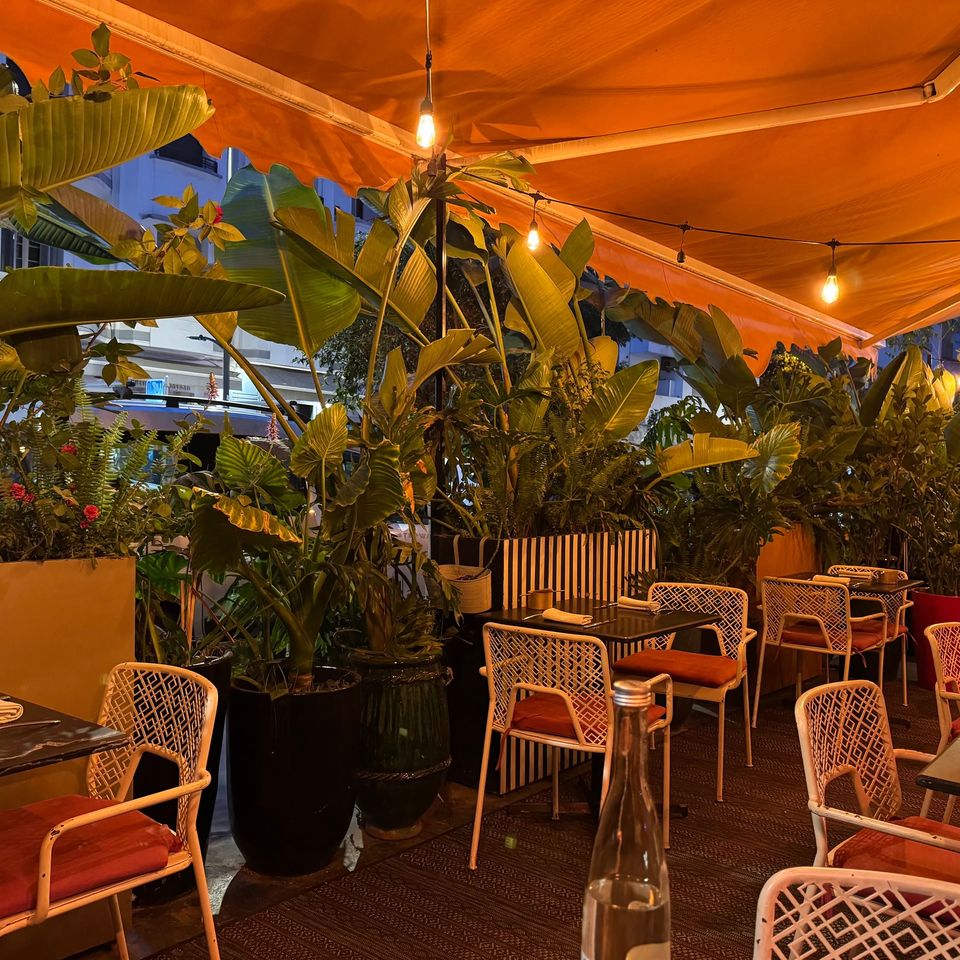
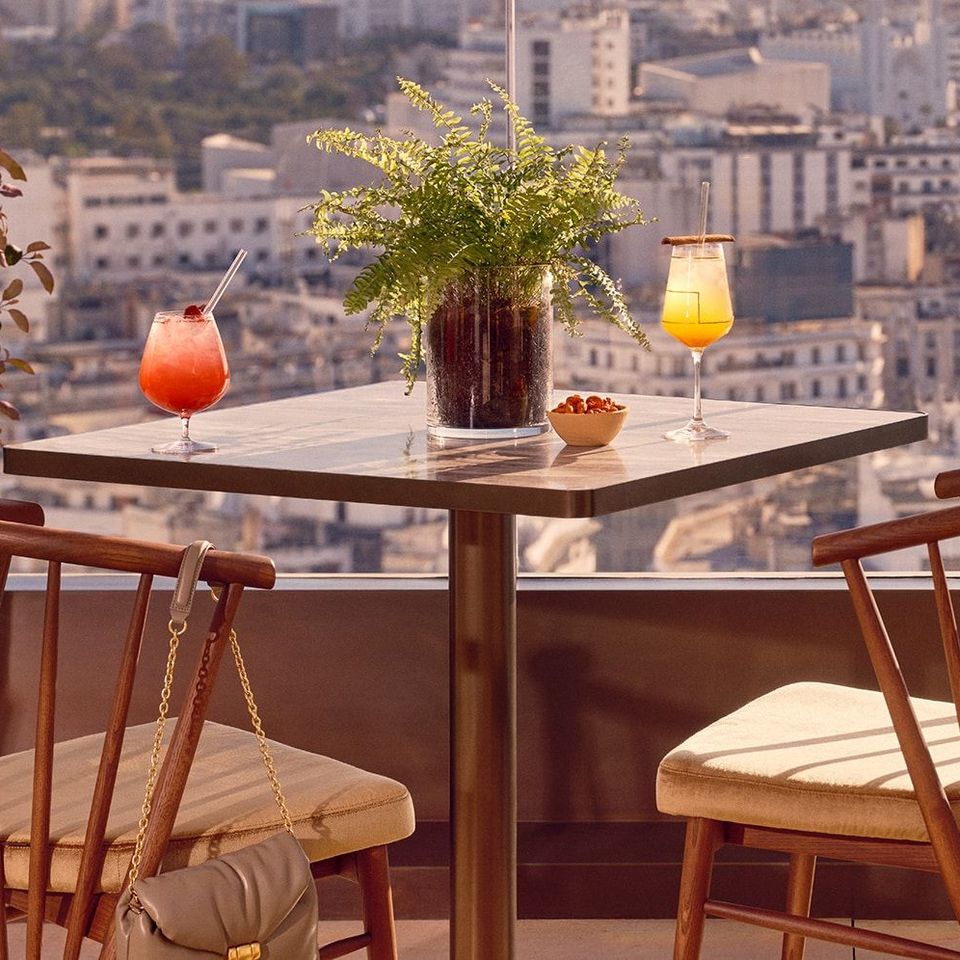
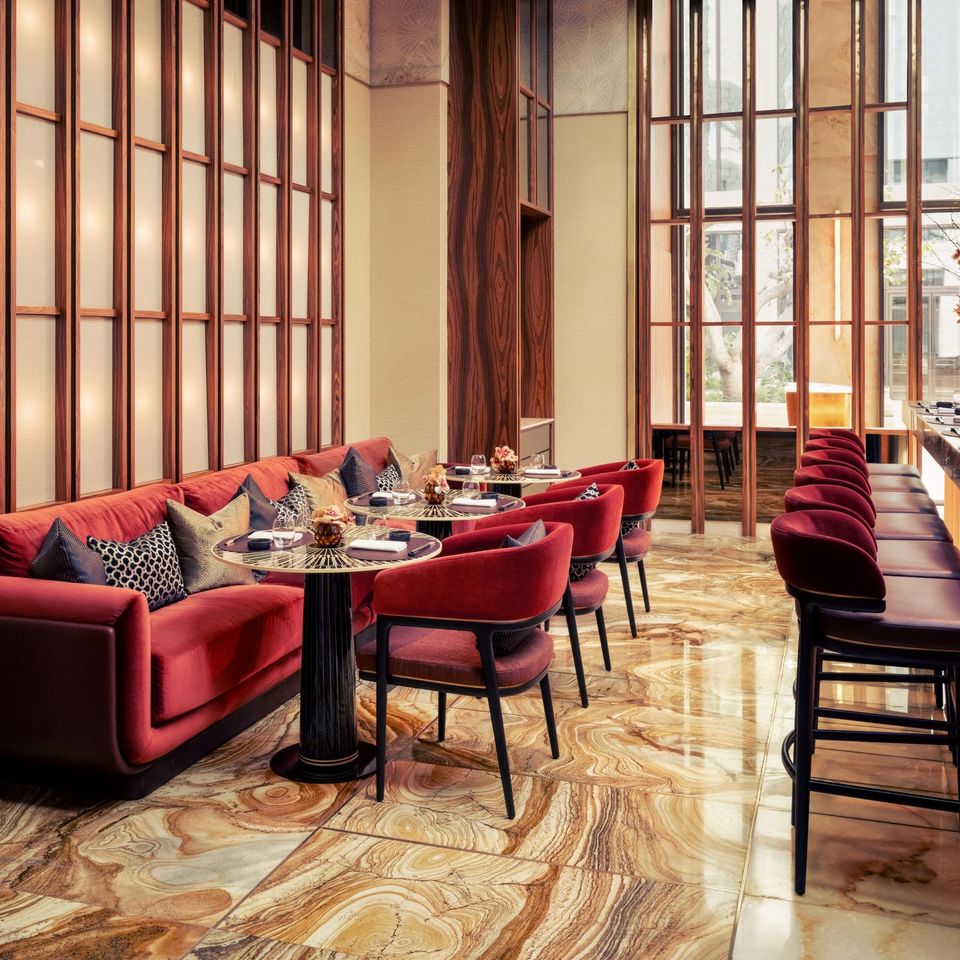
The fine-dining scene has grown markedly in recent years. Reopened in 2024 on Avenue des FAR, the Royal Mansour Casablanca brings together several restaurants, including La Grande Table Marocaine on the 23rd floor and a brasserie by Éric Frechon. In Aïn Diab, Table III, opened in June 2024 by chef Fayçal Bettioui, who trained at Per Se in New York, has just thirteen tables, works directly with fishermen and was named Morocco’s best restaurant in MENA’s 50 Best Restaurants 2026.
Among the classics, La Sqala serves Moroccan food in the garden of a bastion in the old medina, while the Brasserie Marcel Cerdan in Mers Sultan keeps the spirit of Casablanca’s old bars alive. For dinner with a film-set feel, Rick’s Café recreates the décor of the 1942 classic.
Practical information
- Central Market: Boulevard Mohammed V; go in the morning or at lunchtime, when the fish counters are in full swing.
- Oysters: from Oualidia or Dakhla, sold by the piece according to size and opened to order; ask the price before ordering.
- Pâtisserie Bennis: 2 Rue Fkih El Gabbas, Habous district; expect queues before holidays and during Ramadan.
- Fine dining: booking essential, especially at weekends; full selection in our Restaurants section.