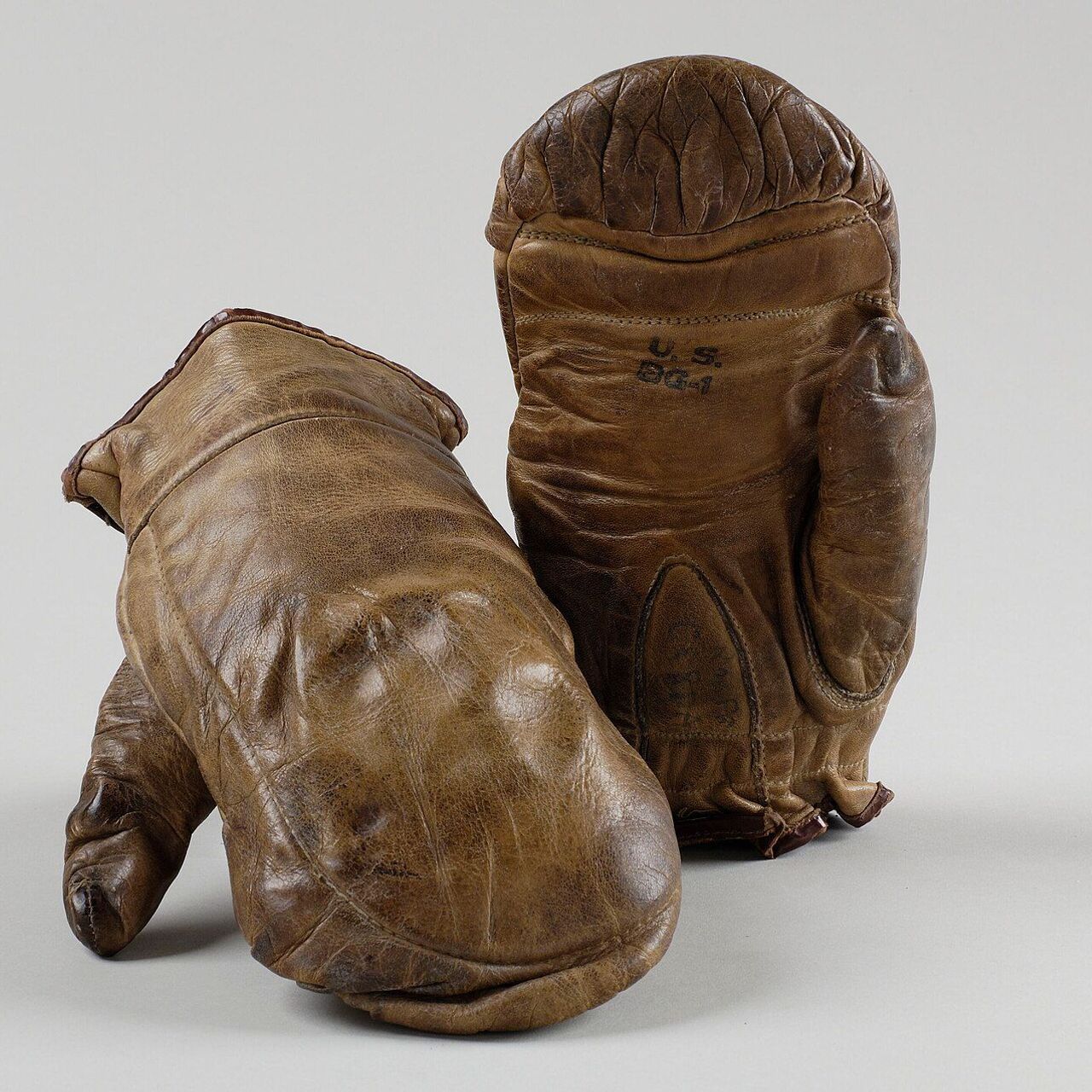
Marcel Cerdan was born on 22 July 1916 in Sidi Bel Abbès, Algeria, into a family of Spanish origin. In 1922 the Cerdans moved to Casablanca, settling in Mers Sultan, in an area then nicknamed "Cuba". His father, Antonio, ran a café-dancehall where he staged boxing bouts, and he steered his sons towards the ring. Young Marcel, also a gifted footballer, put on gloves almost as soon as he could walk; as journalists Jean Dumas and Jacques Marchand later put it, there was barely any gap between his last rattle and his first hook.
"The Moroccan Bomber"
He fought his first professional bout on 4 June 1933 at the Petit Central in Casablanca, against the Spaniard Gomez. Wins followed in Morocco, Algeria and France. On 21 February 1938, at the Vox cinema in Casablanca, in front of an adoring home crowd, he beat Omar Kouidri on points over twelve rounds to become French welterweight champion. The city went wild: he was already "the Moroccan Bomber". In June 1939, in Milan, he took the European title from Italy’s Saverio Turiello.
The war interrupted his career; he spent part of it in Casablanca, between the navy, the football pitch and the odd fight. After the conflict he patiently rebuilt, moved up a weight and set out to conquer the United States, where he fought for the first time, in New York, in December 1946. American crowds discovered a tireless puncher, and the promoters opened the road to a world title fight.
New York: the summit and the fall
On 21 September 1948, at Roosevelt Stadium in Jersey City, Marcel Cerdan faced the reigning champion, American Tony Zale. He dominated the fight and won after the eleventh round to become world middleweight champion. Less than a year later, on 16 June 1949 in Detroit, he lost the crown to Jake LaMotta, forced to retire before the tenth round by a shoulder injury. His professional record shows 110 wins, 65 inside the distance, and just four defeats.
Édith Piaf and the Azores flight
Married to Marinette, whom he met in Morocco, Marcel Cerdan had a passionate affair with Édith Piaf in the late 1940s, long kept out of the public eye. Accounts differ on when and where they first met, Paris or New York, but their story became one of the century’s most famous. In autumn 1949 Piaf was singing in New York. Cerdan, preparing a rematch with LaMotta, decided to join her earlier than planned: on the night of 27 to 28 October 1949, the Air France Constellation carrying him crashed on the island of São Miguel in the Azores. There were no survivors. The lyrics of Hymne à l’amour, written by Piaf to music by Marguerite Monnot a few weeks earlier, have been linked with their story ever since. Piaf first sang it on stage in New York in September 1949 and recorded it in May 1950.
A star on screen and in print
A hugely popular champion, Marcel Cerdan was also one of the first sports stars of the illustrated-magazine age. He was nicknamed "the man with hands of clay" after the title of Léon Mathot’s film, in which he played himself, and he made Au diable la célébrité in Italy, released in 1949. More than thirty years after his death, Claude Lelouch cast his son Marcel Cerdan Jr as his father in Édith and Marcel (1983).
Casablanca in mourning
The boxer’s body was flown back to Casablanca on 8 November 1949. His coffin lay in state at the Stade Lyautey, where crowds filed past day and night. On 10 November some 70,000 people followed it to the Ben M’Sik cemetery. Marcel Cerdan rested there for nearly half a century: at Marinette’s request, his remains were moved in 1995 to the Cimetière du Sud in Perpignan. His sons carried on his memory; the eldest, Marcel Cerdan Jr, who boxed himself, died in 2025.
Following Cerdan’s footsteps in Casablanca
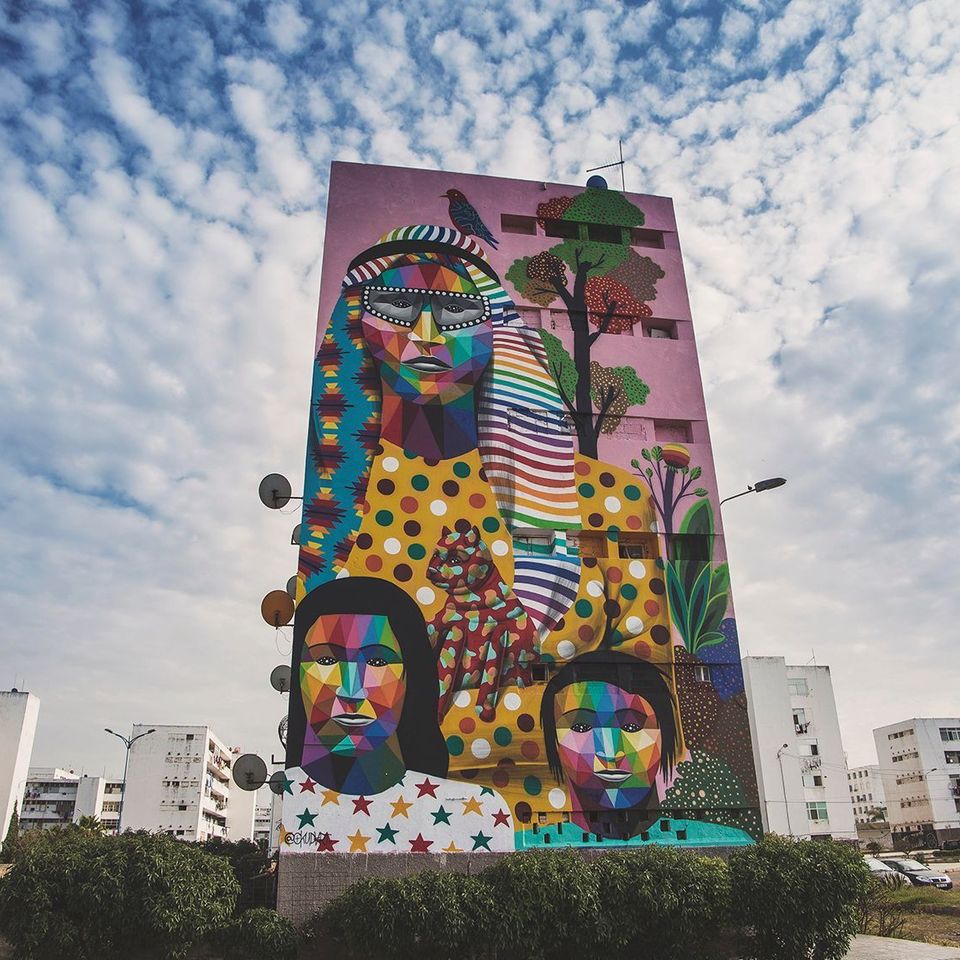
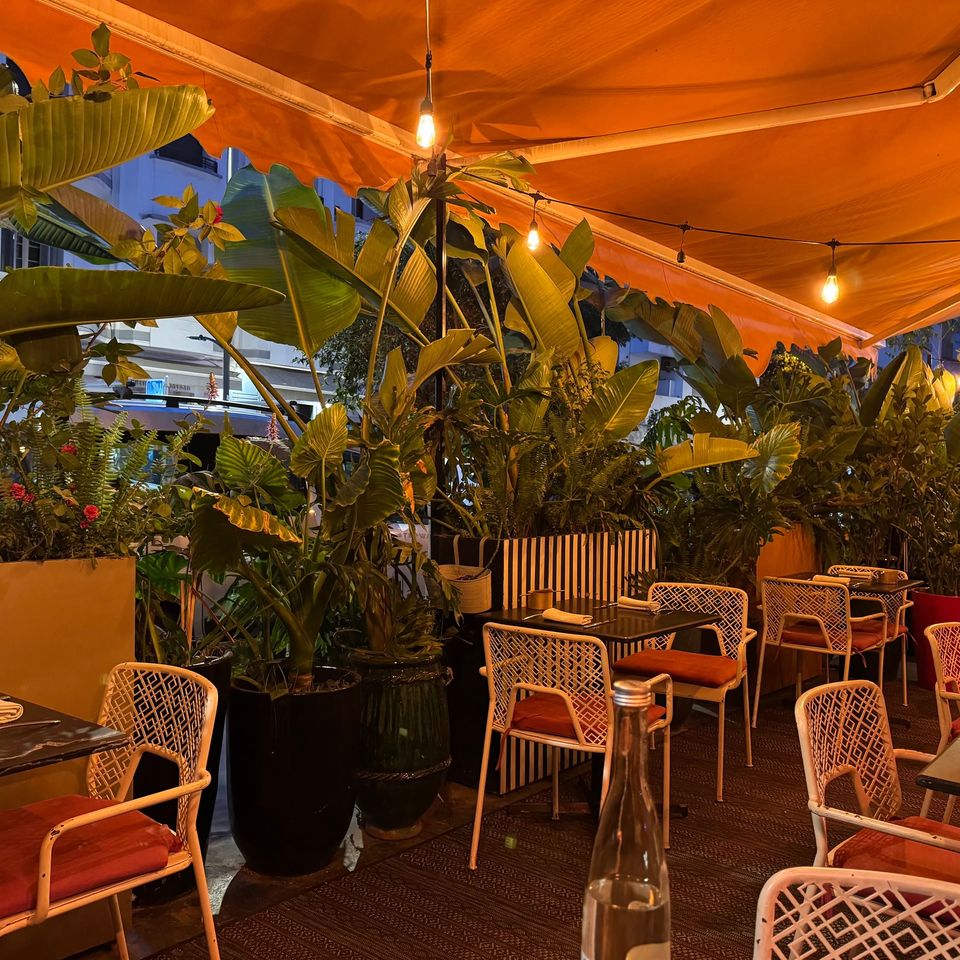
The city has changed a great deal, but a few places keep his memory alive. In Mers Sultan, his childhood neighbourhood, the Brasserie Marcel Cerdan, in which Marinette invested, remains a favourite of those in the know: a period bar, walls covered in photographs and press cuttings, and reasonably priced brasserie food. People come as much for the old-Casablanca atmosphere as for the food. In the 2010s the name was spun off into several "P’tit Cerdan" restaurants, proof that the boxer still means something to Casablancans. A walk through the city centre then takes you past the sites of the great halls where he fought and the Art Deco architecture of his era, which our Arts & Culture section helps you explore.
Practical information
- Brasserie Marcel Cerdan: 104 Boulevard Rahal El Meskini, Casablanca; open from late morning.
- Mers Sultan: central district south-east of Boulevard Mohammed V, easy to explore on foot.
- Further viewing: the films Édith and Marcel (Claude Lelouch, 1983) and La Vie en Rose (Olivier Dahan, 2007) tell the couple’s story.