Casablanca (1942): a legend made in Hollywood
Here is the founding paradox: the film that made the city famous worldwide did not shoot a single frame there. Directed by Michael Curtiz for Warner Bros, starring Humphrey Bogart, Ingrid Bergman and Paul Henreid, Casablanca was filmed between 25 May and 3 August 1942 on the studio lot in Burbank, California; only the airport sequence was shot off the lot, at Van Nuys. The script kept changing during production, and the ending, with Ilsa boarding the plane, was settled late.
History gave the film a helping hand. The Allied landings in North Africa on 8 November 1942 put Casablanca in the headlines, and Warner brought the premiere forward to 26 November in New York. The general release in January 1943 coincided with the Anfa Conference, where Roosevelt and Churchill met from 14 to 24 January. The film earned eight nominations and three Oscars (Best Picture, Best Director and Best Screenplay), and the American Film Institute now ranks it third among the greatest American films, behind Citizen Kane and The Godfather. In 1946 the Marx Brothers even released a parody, A Night in Casablanca.
Rick’s Café: the film becomes an address
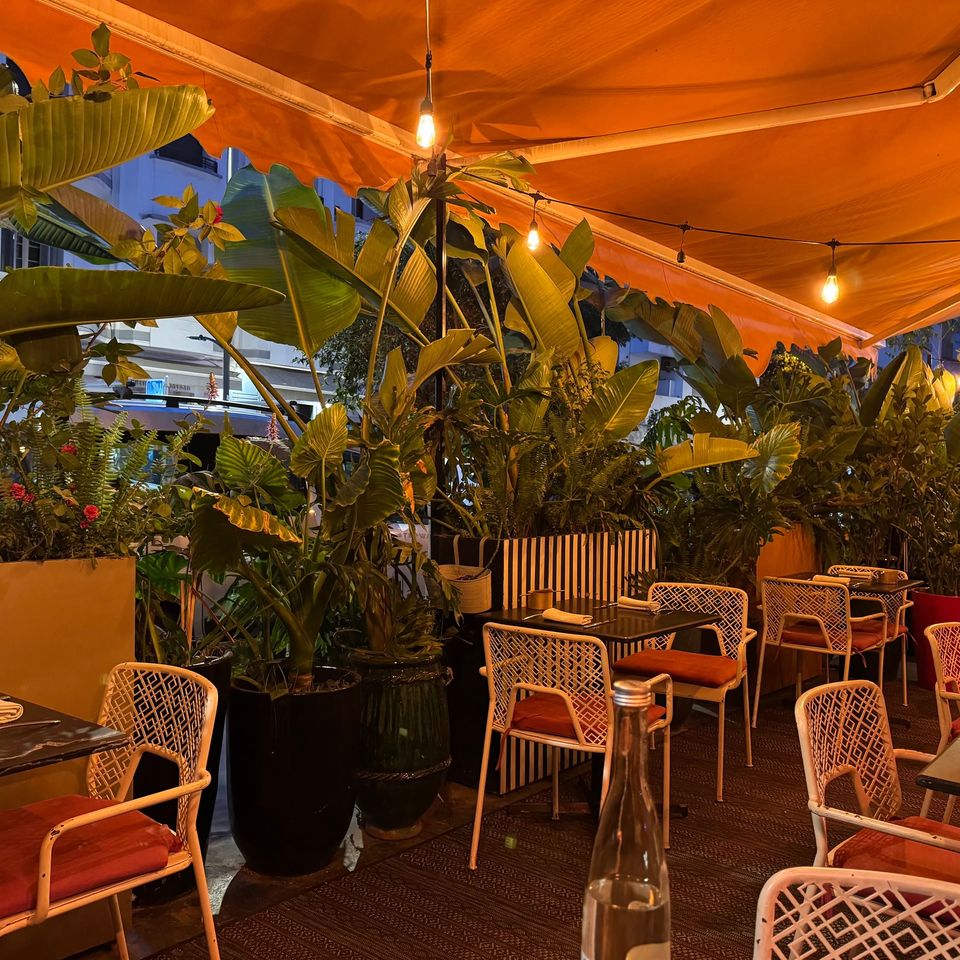
For sixty years travellers searched in vain for Rick Blaine’s bar. It took an American, Kathy Kriger, a former diplomat posted to Casablanca, to create it: Rick’s Café opened in 2004 in a restored mansion in the old medina, facing the port, complete with arches, balconies, brass lanterns and a piano. Pianist Issam Chabaa, hired after playing As Time Goes By at his job interview, also became its manager. Kathy Kriger died in 2018; the restaurant remains in high demand, so book ahead.
Casablanca through Moroccan eyes
Moroccan cinema has turned the city into a character in its own right. In 2000 Nabil Ayouch released Ali Zaoua: Prince of the Streets, the story of four street children living around the port; partly shot in Sidi Moumen, it was Morocco’s Oscar submission. Ayouch returned to the district with Horses of God (2012), adapted from Mahi Binebine’s novel The Stars of Sidi Moumen, and with Casablanca Beats (2021), selected in competition at Cannes and filmed at the Les Étoiles de Sidi Moumen cultural centre set up by his foundation.
Other filmmakers have captured other sides of the city: the gilded youth of Anfa in Laïla Marrakchi’s Marock (2005), the nights and hustles of downtown in Nour-Eddine Lakhmari’s Casanegra (2008). To explore further, our Arts & Culture section lists the city’s museums and performance venues.
A backdrop for international productions
Casablanca also stands in for other places. In Tony Scott’s Spy Game (2001) its streets play Beirut. In March 2025 the crew of Matchbox, directed by Sam Hargrave and starring John Cena and Jessica Biel, filmed on Avenue Mohamed Diouri and in the city centre. Production relies on studios around the city, such as Cinédina, built by producer Sarim Fassi-Fihri some twenty kilometres away. Morocco’s film centre (CCM) recorded 48 foreign shoots in the country in 2025.
Legendary cinemas, then and now
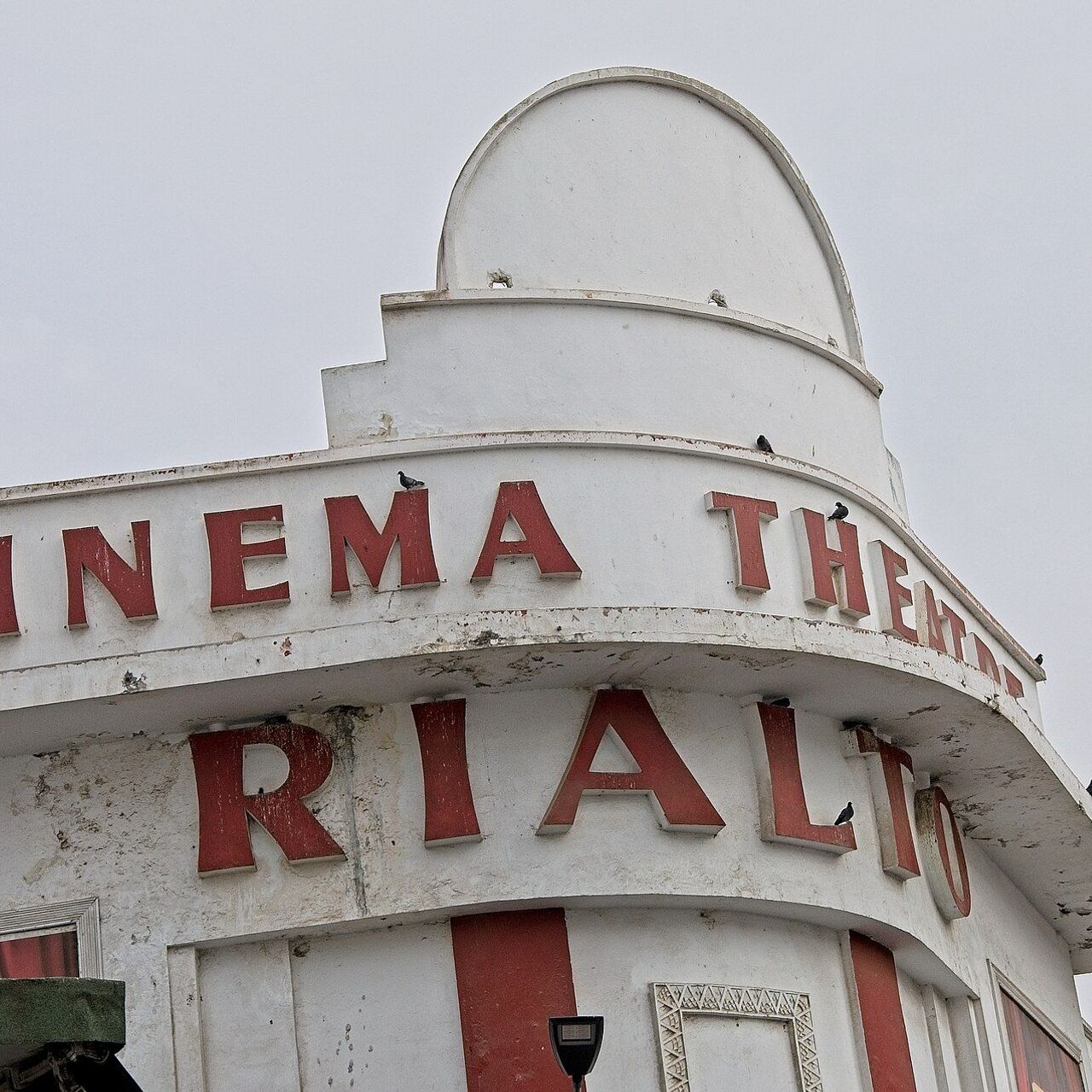
From the 1950s to the 1970s, the city lived to the rhythm of its neighbourhood cinemas and downtown picture palaces. The Vox, designed by Marius Boyer, hosted concerts and boxing bouts: Marcel Cerdan won the French title there in 1938. The Rialto, completed in 1929 by architect Pierre Jabin, seated 1,350; Josephine Baker sang there for American troops in 1943. Its Art Deco façade on Rue Mohammed El Qorri is one of the most photographed in the city, even though the auditorium no longer runs regular screenings. The Lynx, built in 1950 by Dominique Basciano, has closed, and the Colisée is gone. In Hay Mohammadi, the Saâda, linked to the early days of Nass El Ghiwane, stands abandoned.
Some venues are coming back. The Lutetia, opened in 1953, was restored with support from the CCM from 2019 and now serves as a multipurpose cultural venue. Film lovers also head to the multiplexes, such as the Megarama on the Corniche or the eight-screen Pathé at Californie Mall.
The Empire and the promise of a film archive
The most eagerly awaited project is on Boulevard Mohammed V. Built in 1927 and closed since 2005, the Empire cinema is being restored by director Mohamed Fakrane and producer Nabil Hattab, with 4 million dirhams of support from the CCM. The single-screen auditorium will seat 750 to 850, with retractable seating for concerts. Reopening is planned for the first quarter of 2027, the building’s centenary, along with a film archive of around 400 vintage titles inspired by the Cinéma Rif in Tangier. Nationally, the Cinémathèque marocaine opened in Rabat in February 2025.
Practical information
- Rick’s Café: Boulevard Sour Jdid, old medina; booking recommended in the evening.
- Rialto: Art Deco façade on Rue Mohammed El Qorri, city centre; ask locally about occasional screenings or shows.
- Empire: reopening planned for early 2027, Boulevard Mohammed V.
- Watch before you go: Casablanca (1942), Ali Zaoua (2000), Casanegra (2008), Casablanca Beats (2021).