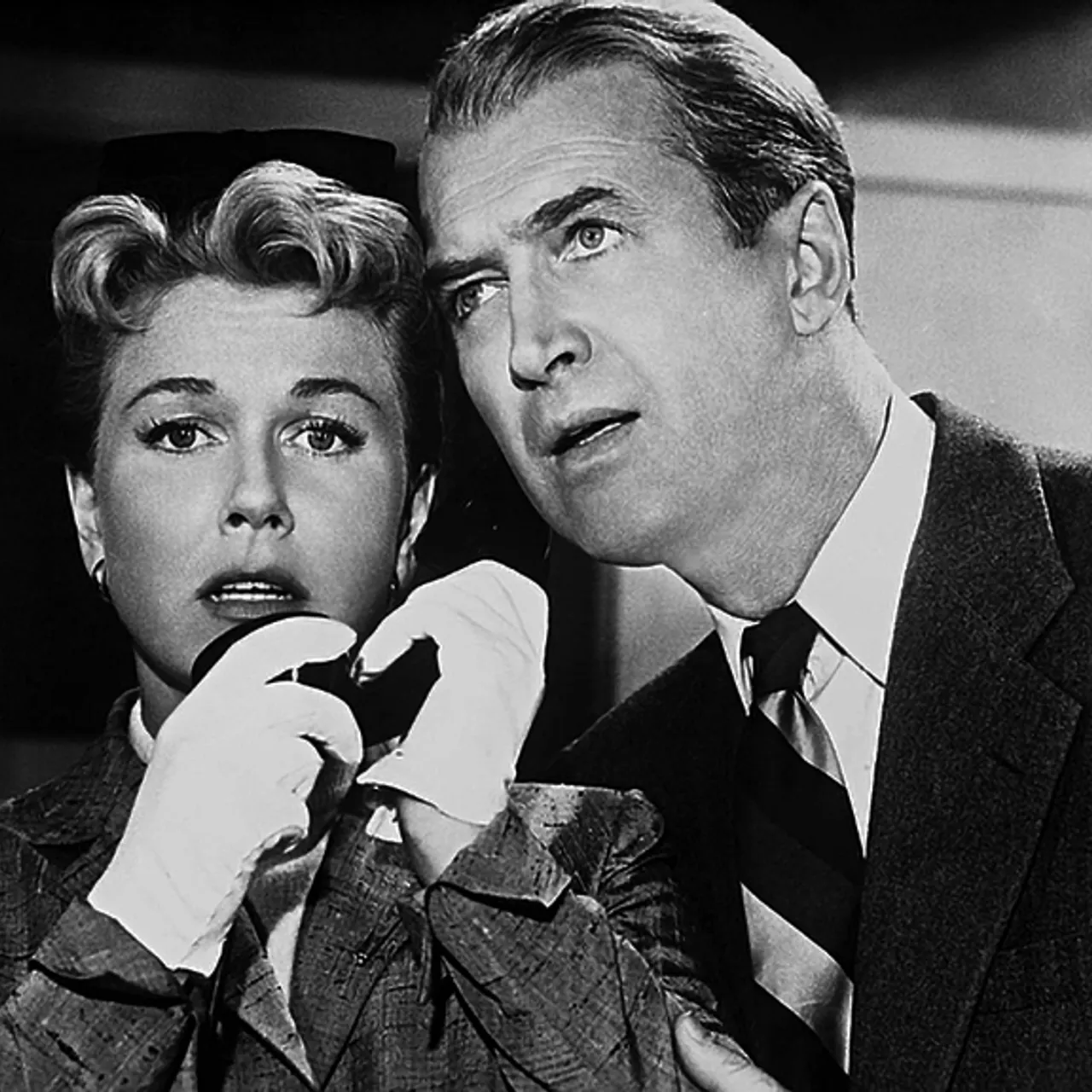
Among all the films shot in Marrakech, one of the oldest and most beloved is 'The Man Who Knew Too Much', directed by Alfred Hitchcock. Following the undeniable success of 'Casablanca', filmed in 1942 by Michael Curtiz, Hitchcock had no choice but to showcase his talent and reveal to the world all the charms of the city. Photo: DR
Among all the films shot in Marrakech, one of the oldest and most beloved is 'The Man Who Knew Too Much', directed by Alfred Hitchcock. Following the undeniable success of 'Casablanca', filmed in 1942 by Michael Curtiz, Hitchcock had no choice but to showcase his talent and reveal to the world all the charms of the city. Photo: DR
In 1934, just after completing his 25th film, Alfred Hitchcock's interest shifted to a screenplay written by a group of British cinema buffs, marking the start of 'The Man Who Knew Too Much'. The story leads us to St Moritz, in the Swiss Alps, where a British couple and their daughter are unwittingly caught in an international conspiracy involving the kidnapping of their child. Filmed in black and white, this first installment deeply marked the director, so much so that he decided to remake it in 1956.
Photo: DR
The man who did too much
In 1935, one year after the release of the movie, cinemas projected for the first time a color film, 'Becky Sharp' by Rouben Mamoulian. This event must have revolutionized cinema, as the director couldn't resist remaking the film in color. As A. Hitchcock himself said, "The first version was made by a talented amateur while the second was done by a professional." He thus aimed for nothing less than perfection.
To dazzle the viewers, it was essential to showcase the most vibrant colors. Instead of returning to the Alps, the director opted for a far more exotic location, Marrakech. With a few changes in characters and settings, the plot remained the same.
In the 1956 film, Hitchcock put his entire skill set to work to heighten his craft. For him, every detail mattered, and he spared no effort in capturing the beauty of the city. From the framing to the characters, and from the backgrounds to the supporting roles, this film continues to fascinate its audience.
Photo: DR
A Hitchcockian perspective on Marrakech
The director shot many scenes in the medina, at Bab Doukkala, and especially in the midst of Jemaa el Fna square, where he filmed the various exhibitors, storytellers, snake charmers, and acrobats, painting a transcendent portrait of the era's folklore.
Notably, a 1950s special effect was used during a moonlit scene where the Koutoubia appears disproportionally large.
The movie continues with a carriage ride through the city streets, ending at the hotel La Mamounia. This film allows us to see the majestic halls and the apparent luxury of the rooms that were already quite prominent, as well as the lush gardens said to have inspired the director for one of his future films.
After La Mamounia, the characters find themselves in a lounge at Dar Essalam, a former palace in the medina converted into a restaurant.
It also features a wild chase scene where an American disguised as a Moroccan is pursued by a horde of policemen. This chase whirls through the souks, notably the tanners', as well as Riad Zitoune and the Medersa. The man in question is murdered, and he falls into the arms of the hero, whispering something that makes him 'the man who knew too much.'
Italian cuisine, much like its 'mamma', is generous and welcoming! Brimming with Mediterranean flavors and sunshine, this traditional cuisine inspires many chefs and delights both the young and the old. From antipasti, pastas, pizzas, and risottos, to salads, cheeses, cold cuts, tiramisu, and panna cotta, here is our selection of places to savor all these traditional dishes. Photo by Yoav Aziz
Couscous, a dish that needs no introduction, is a Friday lunchtime staple. Whether with chicken, beef, or vegetarian, there's something for every taste and budget! Our editorial team reveals its 5 favorite spots to savor a delicious couscous in Marrakech.
Photo: La Grande Table Marocaine
Mahi Binebine's exhibition "Silent Elevations" has been extended until May 20 at the Mandarin Oriental. This event is a must-see for lovers of contemporary Moroccan art and those who want to explore a unique blend of sculpture and painting.
Ramadan is a time for shared moments, and Marrakech offers many exceptional places to break the fast with family or friends. Here is a selection of establishments where you can enjoy a memorable ftour in Marrakech during the holy month.
Looking to escape your daily routine, soak up nature, see the sea and feel the sea spray, hike in the mountains and breathe in the fresh air, or simply discover a different atmosphere... The areas around Marrakesh are incredibly diverse! While staying in Morocco, Made in Marrakesh suggests ten getaways accessible by car or plane, thanks to new flight routes, all within three hours. So, what are you up to this weekend? Photo: Samuel C
Marrakech never fails to amaze visitors with its culture, enchanting landscapes, and most notably, its world-renowned culinary scene. If you are a fan of fine dining, the city boasts some of the biggest names in international cuisine. Let's dive into the world of these renowned chefs who delight guests' taste buds at select establishments in the city. Photo: L'Ô à la bouche